Shop on Lazada
Harbinger products
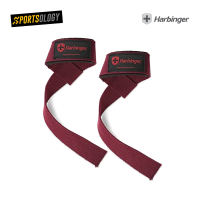
Harbinger Padded Cotton Lifting Straps
₱550.00₱609.00
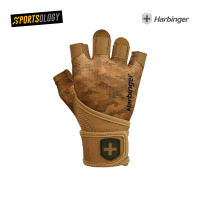
Harbinger Pro Wristwrap 2.0 Gloves
₱1,710.00₱1,899.00
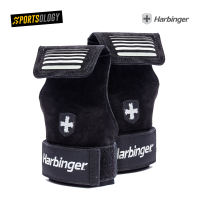
Harbinger Lifting Grips
₱2,070.00₱2,299.00
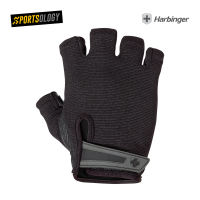
Harbinger Power Weightlifting Gloves
₱910.00₱1,009.00
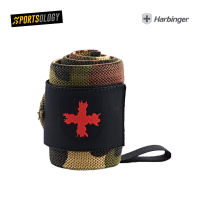
Harbinger Red Line Wristwraps
₱910.00₱1,009.00
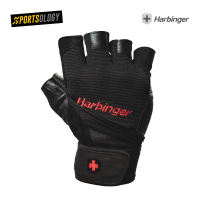
Harbinger Pro Wristwrap Gloves
₱1,710.00₱1,899.00
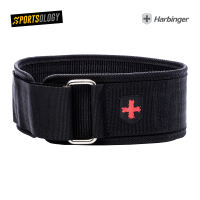
Harbinger 4 Inches Nylon Belt
₱1,170.00₱1,299.00
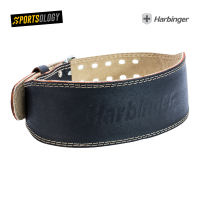
Harbinger 4″ Padded Leather Belt
₱1,530.00₱1,699.00
About Harbinger
Overview
Harbinger is an American brand of fitness and strength-training equipment best known for weightlifting gloves, lifting belts, wrist wraps, lifting straps, and other training accessories. Founded in 1988, the company built its reputation on products designed to improve grip, stability, protection, and performance during strength training. Harbinger is currently part of Implus LLC and distributes its products internationally 1.
| Category | Details |
|---|---|
| Brand | Harbinger |
| Industry | Fitness / sporting goods |
| Founded | 1988 |
| Founder | David McCrane |
| Headquarters / U.S. operations | Durham, North Carolina, USA, through Implus LLC |
| Core market | Strength training, weightlifting, bodybuilding, fitness |
| Best known for | Weightlifting gloves, belts, straps and wraps |
| Parent company | Implus LLC |
| International presence | Distributed in more than 70 countries |
| Brand positioning | Performance-oriented strength-training equipment |
| Official slogan/theme | “Choose Strong” |
Current U.S. contact information identifies Implus LLC in Durham, North Carolina as the operator, while international materials describe distribution in more than 70 countries 1.
History
Founding
Harbinger traces its origins to 1988, when fitness enthusiast and entrepreneur David McCrane developed an innovative Wrist-Stabilizing Glove. The product was initially conceived to help mitigate wrist injuries among skateboarders, but McCrane recognised that the design had significant potential for weightlifting 1.
McCrane subsequently worked with Lee Haney, the eight-time Mr. Olympia bodybuilding champion, helping establish Harbinger around the needs of serious strength athletes. The brand’s early identity centred on a combination of engineering, athlete feedback, protection, and performance 2.
Expansion into weightlifting
Following its initial glove release, Harbinger expanded beyond hand protection into a broader range of strength-training equipment. Among its early milestones was the introduction of the Lee Haney Kevlar Weight Training Belt in 1990. By 1993, Harbinger had reportedly sold its millionth glove, demonstrating rapid growth in the strength-training market 3.
The company subsequently expanded its technology and product portfolio to include:
- Weightlifting gloves
- Weightlifting belts
- Wrist wraps
- Lifting straps
- Bar grips
- Wrist supports
- Training accessories
- Speed ropes
- Weight vests
- Functional-fitness equipment
Harbinger describes this expansion as an effort to develop products around the practical demands of strength training rather than simply producing general sporting goods 1.
Major milestones
Historical product catalogues identify several key developments in the brand’s timeline:
- 1988 — Harbinger founded; Wrist-Stabilizing Glove introduced.
- 1990 — Lee Haney Kevlar Weight Training Belt launched.
- 1993 — Millionth glove sold.
- 1998 — Patented Wash & Dry leather technology introduced.
- 2002 — Women’s product line launched.
- 2013 — Functional-fitness products, including weight vests and speed ropes, introduced.
- 2015 — Harbinger acquired by Implus LLC 3.
These milestones illustrate the evolution of Harbinger from a specialised glove company into a broader strength-training accessory brand.
Founder and early development
David McCrane was a fitness enthusiast and entrepreneur who founded Harbinger in 1988. His initial Wrist-Stabilizing Glove became the foundation for the company’s later focus on strength-training equipment 2. The central concept behind McCrane’s original product was that equipment should solve a specific problem experienced by athletes. Harbinger applied this philosophy to subsequent products, particularly those designed to provide grip, wrist stability, support, and protection.
One of the most significant figures associated with Harbinger’s early development was Lee Haney, an eight-time Mr. Olympia champion. McCrane partnered with Haney during the brand’s formative years, helping position the company around the requirements of serious bodybuilders and weightlifters 2. This association provided Harbinger with a connection to elite bodybuilding at a time when specialised lifting accessories were becoming increasingly important. The Lee Haney Kevlar Weight Training Belt, introduced in 1990, is a direct example of this collaboration 3.
Products and categories
Harbinger’s product portfolio focuses primarily on accessories used alongside barbells, dumbbells, machines, and other strength-training equipment, rather than large gym machines.
Weightlifting gloves
Gloves are one of Harbinger’s signature product categories and are directly connected to the company’s origins. They are designed to provide combinations of grip, palm protection, reduced friction, comfort, wrist support, and improved handling of weights. The current range includes multiple designs, including wrist-wrap gloves and other training gloves 2.
Weightlifting belts
Harbinger produces lifting belts intended to provide support during heavy strength-training movements. The belt category has been part of the company almost from the beginning, with the Lee Haney Kevlar Weight Training Belt dating to 1990 3.
Lifting straps and wrist wraps
Lifting straps are designed to help athletes maintain a connection with the bar when grip strength becomes a limiting factor, particularly during deadlifts, rows, shrugs, and pulling movements. Wrist wraps are another key part of the portfolio, designed to provide additional wrist support during exercises involving substantial loading.
Bar grips and lifting aids
Harbinger has developed products intended to improve the interaction between the athlete’s hands and the bar or equipment. Historical materials specifically mention bar grips and other lifting aids as part of the brand’s expansion 4.
Functional fitness
In 2013, Harbinger expanded into functional-fitness products, including weight vests and speed ropes 3. This move helped broaden the brand beyond traditional bodybuilding and powerlifting.
Current portfolio
As of 2026, the U.S. online store lists products across categories including gloves, weightlifting belts, lifting straps, wrist wraps, lifting accessories, core-training equipment, and other fitness accessories. Gloves, belts, and lifting-support products remain central to the assortment 2.
Brand philosophy and positioning
Harbinger describes its mission as creating high-quality, carefully engineered gloves, belts, and strength-training accessories intended to help users realise their strength potential 2. Its stated brand values are summarised by four concepts:
- Driven — continuous pursuit of more effective training products.
- Expert — understanding the requirements of strength training.
- Empowering — giving athletes tools and knowledge to improve.
- Gritty — emphasising discipline, effort, and determination 2.
This gives Harbinger a distinctly performance-oriented identity rather than positioning itself primarily as a lifestyle or fashion fitness brand. It is not a manufacturer of large commercial gym machines such as treadmills or power racks; instead, it specialises in equipment that an athlete wears or uses while performing strength exercises. Its closest conceptual category is strength-training accessories and lifting-support equipment.
Target customers
Harbinger’s traditional core customer is the strength-training athlete. Its products are relevant to bodybuilders, powerlifters, weightlifters, cross-training and functional-fitness athletes, recreational gym users, and athletes requiring additional grip or joint support. The company describes its products as being designed for weightlifters while also emphasising accessibility to people pursuing strength and fitness at different levels 1.
Technology and product development
A significant part of Harbinger’s identity is its emphasis on purpose-built design. The company states it has developed proprietary technologies and advanced designs for its products 4. Historically, one example was the Wash & Dry leather technology introduced in 1998. The company also accumulated patents related to gloves and other training products 3.
Rather than competing solely on aesthetics, Harbinger has traditionally presented its products around practical performance characteristics such as durability, grip, wrist stabilization, load support, protection, ergonomics, materials, and fit.
Corporate structure and acquisition
In 2015, Harbinger became part of Implus LLC 3. Implus operates a portfolio of consumer brands in areas including fitness, wellness, and sporting goods. Its infrastructure has helped Harbinger expand its retail and international distribution.
International materials state that Implus distributes products through more than 75,000 retail outlets across North America and in more than 70 countries worldwide 4. While Harbinger retains its own brand identity, it operates within this larger corporate ecosystem. The corporate structure can be understood as Harbinger operating as a distinct consumer-facing brand under the Implus LLC fitness and sporting-goods portfolio 1.
Global presence
Harbinger has developed from a U.S.-based strength-training brand into an internationally distributed fitness-accessory brand. Its products are sold across numerous international markets, with regional operations and distributors serving markets outside the United States. For example, the Japanese site describes Harbinger as a leading manufacturer of weightlifting and fitness training gear and states that its products reach more than 70 countries 4.
This international reach is notable because the brand’s original niche—weightlifting accessories—has expanded alongside the global growth of gym, bodybuilding, and functional-fitness culture.
Sustainability
Harbinger has begun addressing the environmental impact of its products. Its current impact programme describes work with TerraCycle to collect and recycle products that would normally be difficult to process through conventional municipal recycling systems. The company states it is investigating ways to turn collected materials into secondary goods and potentially incorporate recovered material back into its branded products 2.
Legacy
After more than three decades, Harbinger’s primary legacy is its specialisation in strength-training accessories. The brand began with one wrist-stabilizing glove in 1988 and developed into an international product line covering much of the equipment athletes use to support their hands, wrists, and bodies during strength training.
Its historical trajectory spans from a specialised wrist-stabilizing glove in 1988, to expansion into belts and advanced glove technologies in the 1990s, broader consumer and women’s ranges in the 2000s, functional fitness expansion in the 2010s, acquisition by Implus LLC in 2015, and its current status as an international strength-training accessories brand. Harbinger is best understood as a long-established specialist whose identity was built around the needs of serious lifters, providing equipment intended to help athletes grip, stabilize, support, and protect themselves while training 1.