Shop on Lazada
Hardys products
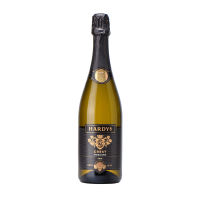
Hardys Crest Sparkling White Moscato
₱555.00
Buy on Lazada
Hardys VR Chardonnay White Wine 750ml
₱405.71₱485.00
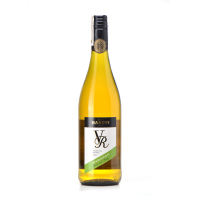
Hardys VR Shiraz Red Wine 750ml
₱421.95₱485.00
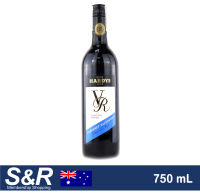
Hardys Varietal Range Cabernet Sauvignon Deep and Rich Wine 750 mL
₱481.00
Buy on Lazada
Hardys VR Chardonnay 750ml
₱465.00
Buy on Lazada
Hardys VR Merlot Red Wine 750ml
₱421.95₱485.00
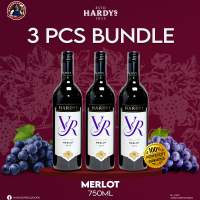
Hardys VR Cabernet Sauvignon
₱1,199.00
Buy on Lazada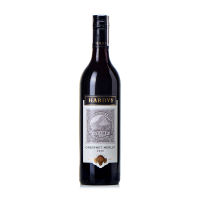
Hardys Stamp Cabernet Sauvignon Merlot 750ml
₱530.00
Buy on LazadaAbout Hardys
Overview
Hardys, frequently referred to as Hardys Wines, is an Australian wine brand with origins in South Australia and a history extending back to 1853. It was established by English-born winemaker Thomas Hardy, who is recognised as one of the most influential pioneers of the South Australian wine industry. Today, Hardys produces an extensive portfolio of Australian wines ranging from accessible everyday options to premium and heritage bottlings, with distribution reaching international markets including the Philippines 1.
| Category | Information |
|---|---|
| Brand | Hardys / Hardys Wines |
| Founded | 1853 |
| Founder | Thomas Hardy |
| Country of origin | Australia |
| Home region | McLaren Vale, South Australia |
| Original winery | Bankside, Adelaide |
| Historic winery | Hardys Tintara, McLaren Vale |
| Industry | Wine / alcoholic beverages |
| Main products | Red wine, white wine, rosé, sparkling and fortified wines |
| Notable ranges | Eileen Hardy, Thomas Hardy, Heritage Reserve Bin, Tintara, Insignia, VR, Stamp, Rare |
| Global presence | International |
| Current ownership context | Hardys is part of the global wine business associated with Accolade Wines; ownership and portfolio structures have evolved throughout the brand’s history. |
History
Thomas Hardy and early beginnings
Thomas Hardy was born in Gittisham, Devon, England, in 1830. He emigrated to South Australia in 1850 at the age of 20, arriving with limited funds to seek opportunities in the young colony. He initially worked alongside William Reynell, a significant early figure in South Australian winemaking.
In 1853, Hardy purchased land beside the River Torrens near Adelaide. He named this property Bankside, which became the foundation for what would eventually develop into Hardys Wines. His ambition extended beyond supplying the local market; he sought to establish Australian wine as a competitor on the international stage. This pioneering approach contributed significantly to establishing South Australia as one of the country’s most important wine-producing regions.
Expansion into McLaren Vale
A pivotal moment occurred in 1876 when Thomas Hardy acquired the Tintara Vineyard Company in McLaren Vale. Established in 1861, Tintara provided Hardy with access to a crucial wine-producing site and existing cellar infrastructure. The winery remains closely associated with the brand today and is considered one of the most significant locations in the Hardys narrative.
In 1878, Hardy converted an old flour mill at Tintara into wine cellars. This site subsequently played a vital role in the development of the McLaren Vale wine industry.
Thomas Hardy & Sons
By 1887, Thomas Hardy’s sons—James, Thomas Nathaniel, and Robert—had joined the business. The company was renamed Thomas Hardy & Sons, cementing a family tradition that would span multiple generations. By the close of the 19th century, Hardy had become one of the largest wine producers in South Australia. Thomas Hardy himself became synonymous with the development of the state’s wine industry and is frequently described as its “father” 1.
The Hardy family
The history of Hardys is distinguished by the business remaining connected to the Hardy family for generations. Two figures are particularly notable in this lineage.
Eileen Hardy, wife of Thomas Mayfield Hardy, became a central figure after her husband’s death in the 1938 Kyeema aircraft crash. She served as a key ambassador for both the company and Australian wine more broadly. Affectionately known as “Auntie Eileen”, she was appointed an Officer of the Order of the British Empire (OBE) in recognition of her contributions to the wine industry. Her legacy is commemorated through the Eileen Hardy premium wine range.
Another prominent family member was Sir James Hardy, Eileen’s son. In addition to his involvement in the wine business, he achieved international recognition as a yachtsman. Hardys subsequently named a sparkling wine range in his honour.
Hardys and Australian winemaking
Hardys has played a significant role in the evolution of Australian wine, particularly through its emphasis on multi-regional winemaking. Thomas Hardy was an early proponent of blending grapes from different regions, operating on the philosophy that fruit with varying characteristics could complement one another to produce more balanced and complex wines. Hardys traces this blending tradition back to 1865.
This approach remains integral to the modern Hardys style. Rather than relying exclusively on fruit from a single vineyard, many Hardys wines combine grapes from various Australian wine regions. While the brand identifies McLaren Vale as its home, it sources fruit from other major regions depending on the specific wine and vintage requirements.
Winemaking philosophy
The winemaking philosophy of Hardys can be summarised through several core characteristics:
- Australian regionality: Utilising grapes from Australia’s major wine regions.
- Multi-regional blending: Combining fruit from different areas to achieve specific stylistic goals.
- Consistency: Creating recognisable wine styles across different vintages.
- Accessibility: Offering wines at various price points, from everyday drinking to prestige labels.
- Innovation: Integrating traditional Australian winemaking methods with modern technology.
- Heritage: Maintaining a connection to the methods and vision of Thomas Hardy.
The brand describes its contemporary approach as a combination of traditional techniques and modern winemaking technology 1.
Major wine ranges
Hardys maintains a diverse portfolio rather than focusing on a single wine category.
Eileen Hardy
Eileen Hardy serves as one of the brand’s flagship premium ranges. It commemorates Eileen Hardy and features some of the highest-quality fruit selected by Hardys winemakers. These wines utilise carefully selected parcels from Australian regions and are positioned at the premium end of the portfolio.
Thomas Hardy
The Thomas Hardy range acts as a tribute to the founder. The flagship Thomas Hardy Cabernet Sauvignon was first produced in 1989 and is designed as a prestigious expression of the variety. Hardys describes it as a wine crafted from the best selected fruit parcels to honour its founder.
Heritage Reserve Bin
The Heritage Reserve Bin (HRB) range exemplifies the defining Hardys characteristic of blending fruit from different Australian regions. For instance, the HRB Cabernet Sauvignon may combine fruit from regions such as Margaret River, McLaren Vale, and Frankland River, resulting in a wine that expresses characteristics from multiple terroirs.
Tintara
The Tintara range derives its name from the historic Tintara winery in McLaren Vale. It represents the enduring link between the modern Hardys brand and the historic winery acquired by Thomas Hardy in 1876.
Insignia
Hardys Insignia is a range associated with the company’s heritage and focus on consistent quality. It reflects the long-standing approach to Australian winemaking developed by the company.
VR — Varietal Range
The VR range is structured around individual grape varieties and offers a straightforward drinking experience. Hardys positions this range as a way to present varietal wines without unnecessary complexity from secondary winemaking processes.
Stamp
The Stamp range draws inspiration from Thomas Hardy’s original ambition to export Australian wine to international markets. It focuses on blended wines made from grapes sourced across different regions.
Rare
The Rare portfolio comprises fortified wines, including Rare Tawny, Rare Muscat, Rare Show Sweet White, and Rare Liqueur Sauvignon Blanc. These wines utilise reserve stocks matured in barrels for many years and are produced in limited quantities.
Hardys Tintara
Hardys Tintara is widely regarded as the physical heart of the brand. Located on Main Road in McLaren Vale, the historic winery has been associated with Hardys since Thomas Hardy acquired Tintara in 1876. The site integrates historic buildings and cellars with modern winemaking facilities.
Today, the location also operates as a cellar door, where visitors can taste Hardys wines and learn about the company’s history and McLaren Vale winemaking.
International growth
From its earliest days, Hardys was built with international ambition. Thomas Hardy sought to earn respect for Australian wine in markets outside Australia, and this goal eventually became a defining feature of the brand.
According to Hardys, by its 150th anniversary in 2003, the brand was distributed in more than 130 countries, with the company reporting approximately two million glasses of Hardys consumed every day at that time. Currently, Hardys describes itself as a globally recognised wine brand, stating that approximately two million glasses of its wines are enjoyed worldwide each day.
Position in the global wine market
Hardys occupies a distinct position within the Australian wine sector. It is neither exclusively a luxury winery nor solely an inexpensive mass-market label. Instead, its portfolio spans several tiers:
Everyday / accessible wines → mainstream premium wines → premium wines → heritage and prestige wines.
This broad spectrum allows the Hardys name to appear in supermarkets, restaurants, wine retailers, and specialist wine markets. Its heritage is also a central component of its branding, enabling the company to connect contemporary bottles with a winemaking tradition dating back to 19th-century South Australia.
Awards and reputation
Hardys states that its wines have accumulated more than 9,000 medals throughout the brand’s history. The brand has also received historical recognition for its international reach and commercial strength. In 2003, for example, Hardys reported being named the number-one Australian wine brand and the second most powerful wine brand globally.
As wine awards and market rankings fluctuate over time, these distinctions are best understood as historical milestones rather than permanent standings.
Brand identity
The identity of Hardys is built upon a combination of heritage, Australian origin, reliability, and accessibility. Its branding consistently references the story of Thomas Hardy: a young immigrant who arrived in Australia in 1850, established his own vineyard in 1853, expanded into McLaren Vale, and helped shape the South Australian wine industry.
The company’s current brand language encapsulates this philosophy with the tagline:
“Then, Now & Always. Certainty In Every Bottle.”
The concept of “certainty” is significant, as Hardys aims to communicate dependable quality and recognisable wine styles regardless of vintage variation.
Timeline
- 1830: Thomas Hardy is born in Gittisham, Devon, England.
- 1850: Thomas Hardy arrives in South Australia.
- 1853: Hardy purchases Bankside near the River Torrens and establishes the foundation of the business.
- 1865: Hardy develops an early multi-regional blending approach.
- 1876: Hardy purchases the Tintara Vineyard Company in McLaren Vale.
- 1878: Tintara’s old flour mill is transformed into wine cellars.
- 1887: Thomas Hardy’s sons join the business; the company becomes Thomas Hardy & Sons.
- 1904: The original Bankside winery burns down; the business moves to a larger site at Mile End.
- 1912: Thomas Hardy dies shortly before his 82nd birthday.
- 1938: Tom Mayfield Hardy dies in the Kyeema aircraft crash; Eileen Hardy becomes a key figure in the company.
- 1953: Hardys celebrates its centenary.
- 1965: The fourth generation of the Hardy family joins the company.
- 1973: The first Eileen Hardy Shiraz is produced.
- 1976–77: Eileen Hardy receives recognition from the British Crown for her contribution to the wine industry.
- 1982: Hardys acquires the historic Château Reynella site.
- 1989: The first Thomas Hardy Cabernet Sauvignon is produced.
- 1992: Hardys expands internationally and becomes a publicly traded company.
- 2003: Hardys celebrates 150 years and reports distribution to more than 130 countries.
- 2005: Cellar 8 at Tintara is renovated with modern winemaking technology.
- Today: Hardys continues as a major international Australian wine brand with a portfolio spanning accessible, premium, and heritage wines 1.
Distinctive characteristics
Hardys is significant because it combines one of Australia’s oldest major winemaking histories with a modern, internationally distributed brand. Its distinctive characteristics include:
- A 170+ year heritage dating to Thomas Hardy’s arrival in Australia and the establishment of his winery in 1853.
- Strong McLaren Vale roots, particularly through the historic Tintara winery.
- Multi-regional blending, an approach associated with Thomas Hardy since the 19th century.
- A comprehensive portfolio, ranging from accessible varietal wines to highly regarded prestige labels.
- A strong family legacy, featuring key figures such as Thomas Hardy and Eileen Hardy.
- A major international footprint, reflecting Thomas Hardy’s original ambition to make Australian wines valued globally.
- A balance between tradition and technology, maintaining historical winemaking principles while utilising modern production techniques.
Summary
Hardys Wines is a historic Australian wine brand founded by Thomas Hardy in South Australia in 1853. Beginning with Hardy’s Bankside vineyard and expanding through his 1876 acquisition of Tintara in McLaren Vale, the company became one of the pioneers of the South Australian wine industry. Over more than 170 years, Hardys developed a reputation for Australian wines characterised by fruit-driven styles, multi-regional blending, and consistent quality. Its portfolio today includes ranges such as Eileen Hardy, Thomas Hardy, Heritage Reserve Bin, Tintara, Insignia, VR, Stamp, and Rare. The brand combines its Australian heritage and historic McLaren Vale home with modern winemaking and a large international distribution network, making Hardys one of the best-known names in Australian wine 1.
Note: There is an unrelated brand called Hardy Cognac, founded by Anthony Hardy in France in 1863. The information above refers specifically to Hardys Wines, the Australian wine brand founded by Thomas Hardy.