Shop on Lazada
Ikea products
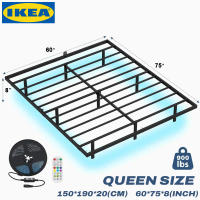
IKEA Iron Bed Frame King&Queen size high load-bearing Metal Double Single size bed Stainless Steel
₱4,859.82₱10,500.00
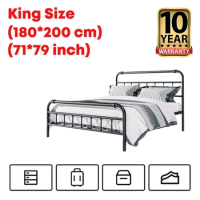
Iron bed frame metal bedstead European retro Iron frame bed single bed/double bed home economical thickened steel bed
₱4,799.00₱13,598.00
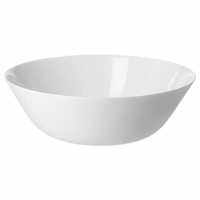
Ikea oftast plates & bowls
₱195.00₱250.00
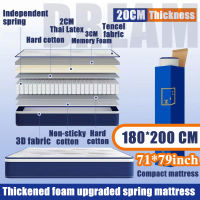
8.1 Inch Mattress Bed Foam Comfort Deluxe Memory Compression matress For Spring Mattress Single/Double/Queen/King Size
₱5,599.00₱15,998.00
Iron frame bed Simple Double metal bed Stainless steel bed Easy installation single bed High load-bearing bed frame
₱4,799.00₱13,598.00
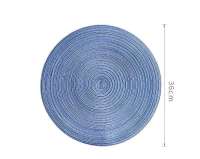
Round Placemats For Dining Table Mat Heat-Resistant Washable Ramie Placemat Anti-Slip Cup Coasters
₱52.39₱120.00
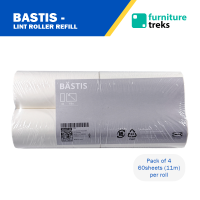
Bastis and Ravello hair fur dust and lint Roller / Refill
₱198.00₱300.00
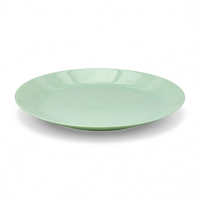
Ikea Original Oftast dinnerware
₱99.00₱299.00
About Ikea
Overview
IKEA is a Swedish multinational company that designs and sells ready-to-assemble furniture, home accessories, kitchen appliances, and home services. It is recognized as one of the world’s largest and most influential home furnishing retailers, known for combining modern Scandinavian design with affordable pricing. The company’s vision is “to create a better everyday life for the many people.” [1]
Basic Information
-
Company Name: IKEA
-
Founded: July 28, 1943
-
Founder: Ingvar Kamprad
-
Headquarters: Delft (Inter IKEA Group) and operational management in Leiden
-
Origin: Älmhult
-
Industry: Furniture and Home Furnishings
-
Products: Furniture, home décor, lighting, kitchenware, textiles, storage solutions, office furniture, mattresses, and home accessories
-
Stores: More than 440 stores in over 50 countries (varies as new stores open). [1]
Meaning of the Name
The name IKEA is an acronym formed from:
-
I – Ingvar
-
K – Kamprad
-
E – Elmtaryd (the family farm where Ingvar grew up)
-
A – Agunnaryd (the nearby village in Sweden)
This naming reflects the company’s Swedish heritage.
History
IKEA was founded in 1943 by 17-year-old Ingvar Kamprad as a mail-order business selling small household goods such as pens, wallets, and picture frames.
Key Milestones
-
1943: IKEA founded.
-
1948: Furniture added to the product range.
-
1951: First IKEA furniture catalogue published.
-
1956: Introduction of flat-pack furniture, making transportation easier and reducing costs.
-
1958: First IKEA store opened in Älmhult, Sweden.
-
1960s–1980s: Expansion across Europe and later North America and Asia.
-
2000s–Present: Growth into one of the world’s largest furniture retailers, with stronger emphasis on sustainability, digital shopping, and home services. [1]
Business Philosophy
IKEA follows a concept known as Democratic Design, balancing five principles:
-
Good form
-
Practical function
-
High quality
-
Sustainability
-
Low price
Its goal is to make attractive, functional home furnishings accessible to as many people as possible.
Business Model
IKEA’s success is built around several key ideas:
-
Ready-to-assemble (flat-pack) furniture
-
Self-service warehouse shopping
-
Large showroom layouts
-
Scandinavian-inspired design
-
Global sourcing and efficient logistics
-
Cost-conscious production
-
Affordable pricing
Flat-pack packaging reduces shipping and storage costs while allowing customers to assemble products themselves.
Product Categories
IKEA offers thousands of products, including:
-
Sofas
-
Beds
-
Tables
-
Chairs
-
Cabinets
-
Wardrobes
-
Kitchen systems
-
Bathroom furniture
-
Home office furniture
-
Children’s furniture
-
Lighting
-
Rugs
-
Curtains
-
Cookware
-
Storage solutions
-
Decorative accessories
-
Smart home products
Design Style
IKEA is known for:
-
Scandinavian minimalism
-
Functional design
-
Neutral color palettes
-
Space-saving solutions
-
Modern aesthetics
-
Practical everyday living
-
Modular furniture
Many products feature simple lines, natural materials, and versatile designs suitable for a range of home sizes.
Sustainability
Sustainability is a central part of IKEA’s strategy. The company focuses on:
-
Renewable and recycled materials
-
Energy-efficient products
-
Sustainable forestry
-
Circular product design
-
Furniture repair and recycling initiatives
-
Reduced carbon emissions
-
Responsible sourcing
The long-term ambition is to reduce environmental impact while maintaining affordability. [3]
Global Presence
IKEA operates in:
-
Europe
-
North America
-
South America
-
Asia
-
Australia
-
Middle East
The company serves hundreds of millions of customers each year through physical stores and online shopping platforms.
IKEA Store Experience
A typical IKEA store includes:
-
Fully furnished room displays
-
Product showrooms
-
Self-service warehouse
-
Children’s play area (at many locations)
-
Swedish Food Market
-
IKEA Restaurant, known for dishes such as Swedish meatballs
The showroom layout is designed to inspire customers with complete room solutions.
Brand Identity
Logo
The IKEA logo features:
-
Blue background
-
Yellow lettering
-
Oval shape
The colors are inspired by the Swedish national flag.
Brand Values
-
Togetherness
-
Cost-consciousness
-
Simplicity
-
Caring for people and the planet
-
Continuous improvement
-
Responsibility
-
Leadership by example [1]
Competitive Advantages
IKEA is recognized for:
-
Affordable pricing
-
Strong global brand recognition
-
Efficient supply chain
-
Innovative flat-pack concept
-
Scandinavian design
-
Large product selection
-
Customer-friendly store experience
-
Strong sustainability initiatives
Interesting Facts
-
IKEA was founded by a 17-year-old entrepreneur.
-
The company popularized flat-pack furniture on a global scale.
-
Many IKEA product names come from Swedish words, places, or personal names.
-
The original IKEA store in Älmhult now houses the IKEA Museum. [4]
Vision
“To create a better everyday life for the many people.”
This vision guides IKEA’s approach to offering well-designed, functional home furnishings at prices that many people can afford. [1]