Shop on Lazada
Johnson’s Baby products
![Johnsons Kids Curl Defining Shampoo | Leave-In Conditioner Tear-Free Paraben- Sulfate- & Dye-Free Hypoallergenic & Gentle for Toddlers [CGM-Approved]](https://ph-live.slatic.net/p/3e48effe890ab7a260d408b0bc81f277.jpg_200x200q80.jpg)
Johnsons Kids Curl Defining Shampoo | Leave-In Conditioner Tear-Free Paraben- Sulfate- & Dye-Free Hypoallergenic & Gentle for Toddlers [CGM-Approved]
₱848.00₱999.00
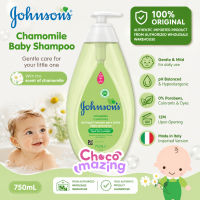
Johnsons Chamomile Baby Shampoo 750mL
₱299.00₱499.00
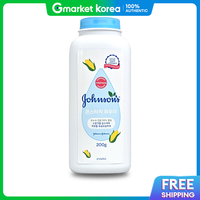
Johnsons Baby | Johnsons Baby Cornstarch Powder 200g
₱580.15₱1,000.26
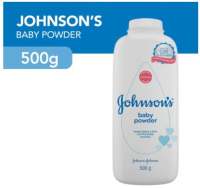
JOHNSONS N JOHNSONS Classic Baby Powder 500g
₱479.00
Buy on Lazada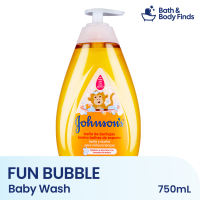
Johnsons Baby Shower Gel Bubble 750ML
₱323.00
Buy on Lazada![Johnsons Baby Cologne [Johnson & Johnson]](https://ph-live.slatic.net/p/513e8654fa18bb2283debeaec9c03a18.jpg_200x200q80.jpg)
Johnsons Baby Cologne [Johnson & Johnson]
₱160.00
Buy on Lazada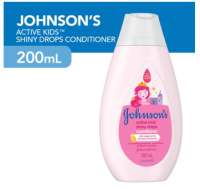
Johnsons Active Kids Shiny Drops Conditioner 200ml Pink bottle with princess design for baby hair care during bath time.
₱299.00
Buy on Lazada
Johnsons Baby Oil 125ml.
₱55.00₱80.00
About Johnson’s Baby
Johnson’s Baby (stylized as JOHNSON’S® Baby) is a globally recognized baby-care brand best known for its baby shampoo, body wash, lotion, baby oil, powder, wipes, and soaps. Originally established within Johnson & Johnson in the late 19th century, the brand is now owned by Kenvue Inc. following the separation of Johnson & Johnson’s consumer health business into an independent publicly traded company in 2023.21 The brand has built its identity around gentleness, safety, scientific research, and parent–child bonding, making it one of the most familiar names in infant care worldwide. While sold in numerous countries, specific formulas and product ranges vary by market to meet local needs and regulations.22
Brand overview
| Category | Information |
|---|---|
| Brand name | Johnson’s Baby / JOHNSON’S® Baby |
| Industry | Baby care, personal care, skin care |
| Origin | United States |
| Heritage | Johnson & Johnson |
| Established | 1890s baby-care business |
| Current owner | Kenvue Inc. |
| Parent company historically | Johnson & Johnson |
| Main markets | Global |
| Core consumers | Newborns, babies, children, and parents/caregivers |
| Major categories | Bath, shampoo, lotion, oil, powder, wipes, soap, hair care |
| Brand positioning | Gentle, mild, science-backed baby care |
| Major brand association | Baby skin care and the classic baby scent |
Kenvue currently categorizes Johnson’s Baby as one of its essential-health brands alongside other long-established consumer care labels. The company states that its portfolio reaches approximately 1.2 billion people globally.1
History
Origins at Johnson & Johnson
The history of Johnson’s Baby is intrinsically linked to Johnson & Johnson, which was founded in 1886 in New Brunswick, New Jersey, by brothers Robert Wood Johnson, James Wood Johnson, and Edward Mead Johnson. The company initially focused on sterile surgical supplies, including cotton, gauze, and sutures, with early development influenced by Joseph Lister’s antiseptic surgery movement.2 Johnson & Johnson subsequently expanded beyond medical supplies into consumer products tailored for mothers and children.
1894: Introduction of baby powder
A pivotal milestone occurred in 1894 when Johnson & Johnson introduced JOHNSON’S® Baby Powder. This product emerged from efforts to address skin irritation caused by medicated plasters and helped establish the company’s dedicated baby-care business.15 According to historical accounts from Kenvue, scientific director Frederick B. Kilmer played a significant role in developing early baby-care products; his work on formulations to alleviate diaper rash contributed directly to the emergence of the Johnson’s Baby line. This foundation supports the brand’s claim of over a century of experience in infant skin care.
Development of the brand
Throughout the 20th century, Johnson’s Baby evolved from a powder-centric business into a comprehensive personal care portfolio. One of its most significant innovations arrived in 1954 with the launch of Johnson’s Baby Shampoo featuring the “NO MORE TEARS®” formula. Described as a mild, soap-free shampoo designed to be gentle on babies’ hair and eyes, this product reinforced a core brand characteristic: effective cleansing combined with gentleness.16
Over subsequent decades, the brand expanded into numerous categories, including body washes, bath products, lotions, oils, powders, soaps, wet wipes, hair care, fragrances, bedtime products, sensitive-skin solutions, and products for older children. The exact portfolio available varies significantly between countries.
Transition from Johnson & Johnson to Kenvue
For most of its modern history, Johnson’s Baby was directly associated with Johnson & Johnson. However, following a corporate reorganization, Kenvue became an independent publicly traded company in August 2023, absorbing Johnson’s Baby into its portfolio.17 Consequently, the current corporate structure places Johnson’s Baby under Kenvue Inc. rather than Johnson & Johnson, which now focuses exclusively on Innovative Medicine and MedTech businesses.
Product portfolio
Johnson’s Baby has developed an extensive product ecosystem centered on the daily routines of infants and young children. While offerings differ by region, key categories remain consistent.
Baby bath
Typical bath products include head-to-toe washes, body washes, bedtime baths, bar soaps, and specialty cleansers. For example, regional portfolios may feature lines such as Top-To-Toe™, Cotton Touch™, Milk + Rice, Milk + Oats, Bedtime™, and Peach Bath.3
Hair care
The brand is particularly renowned for its baby shampoo. Its hair care range encompasses baby shampoos, wash-and-shampoo combinations, kids’ shampoos, detangling products, and curl-care items. The classic NO MORE TEARS® concept remains one of the most recognizable elements of the brand’s identity.4
Skin care
Skin care serves as a central category for the brand, featuring baby lotions, moisturizers, baby oils, sensitive-skin products, face and body creams, and massage products. Regional selections often include variants like Bedtime™ Baby Lotion and Cotton Touch™ Face & Body Lotion.5
Powder and wipes
Historically strongly associated with baby powder, the modern portfolio also includes various powder-related products, baby wipes, and skincare wipes, which remain major categories in many markets.6
Fragrance
In certain markets, Johnson’s Baby offers colognes and fragranced products. This reflects the brand’s unique association with a distinctive clean, powdery “baby smell” that has become integral to its identity.
Brand philosophy and positioning
The fundamental proposition of Johnson’s Baby is gentleness. The brand describes itself as dedicated to providing safe, clinically proven, mild, and gentle products, combining traditional baby care concepts with scientific research into infant skin development.7 Its broader philosophy integrates science, safety, gentleness, care, and bonding, positioning products not merely as cosmetics but as part of everyday parenting rituals such as bathing, massaging, and moisturizing.
Johnson’s Baby occupies a distinctive market position between mass-market personal care and specialized baby skin care. Products are designed to be accessible while maintaining a clinical image, emphasizing mildness, dermatological testing, newborn suitability, and parent–baby bonding.8
Scientific and safety standards
Safety is paramount in baby care due to the perceived vulnerability of infant skin. Johnson’s Baby emphasizes ingredient evaluation, clinical and dermatological testing, hypoallergenic formulations, pH balance, and rigorous quality standards. Selected classic products are described as clinically proven safe and gentle for use from day one.9 However, terms like “gentle” or “hypoallergenic” apply to specific formulations, and parents are advised to consult product labels and pediatric guidance for individual needs.
Ingredients and formulation
The brand has increasingly emphasized simpler formulations. In some markets, the company has stated it reduced ingredient counts by 50% and removed added parabens, phthalates, and sulfates from newer formulations.10 Because products are not identical worldwide, formulations, fragrances, and available ranges differ according to local regulations and preferences.19 Therefore, evaluating a specific product requires checking its individual ingredient list rather than relying on general brand statements.
The Johnson’s Baby scent
One of the brand’s strongest intangible assets is its recognizable fragrance. For generations, products like lotions, oils, and powders have been associated with a clean, soft, powdery scent. From a marketing perspective, this fragrance transforms functional products into emotional memories linked to newborns, cleanliness, comfort, motherhood, and nostalgia, creating an emotional identity that extends beyond functional benefits.
Marketing and advertising
Advertising for Johnson’s Baby has historically focused on the emotional relationship between parents and children. Key themes include:
- Gentleness: The central functional promise of the brand.
- Baby softness: Association with soft, moisturized skin.
- Bonding: Framing bathing and massage as opportunities for connection.
- Science: Using clinical research to reinforce consumer confidence.
- Healthy development: Discussing sensory stimulation and skin-to-skin contact.12
Global presence and localization
Johnson’s Baby is an international brand sold across numerous regions. Individual markets often feature significantly different products adapted to local consumer preferences, climate, cultural bathing practices, regulations, and retail environments.22 This localization strategy ensures relevance across diverse geographies.
Sustainability initiatives
Kenvue has integrated sustainability into the brand’s recent strategy, notably through the development of refill packaging to reduce waste. The company also transitioned some lotions and washes from pumps to caps starting in 2020, removing tens of millions of pumps from circulation.11 These efforts reflect a modern identity combining baby safety, scientific formulation, emotional care, and environmental responsibility.13
Brand extensions
While traditionally focused on infants, the consumer base has expanded to include toddlers, active children, and adults. Some regional sites explicitly organize products around life stages such as newborn, baby, active kids, and adult.14 This strategy encourages parents who trust the brand for newborns to continue purchasing it as their children grow.
Major milestones
- 1886: Johnson & Johnson founded in New Brunswick, New Jersey.
- 1890s: Early baby-care development associated with Frederick B. Kilmer and products addressing infant skin irritation.
- 1894: Launch of maternity kits and JOHNSON’S® Baby Powder, establishing the baby-care business foundation.15
- 1954: Market entry of JOHNSON’S® Baby Shampoo with NO MORE TEARS®.16
- Late 20th century: Global expansion and development of extensive bath, hair, skin, and wipe categories.
- 21st century: Increased focus on clinical research, ingredient selection, sensitive skin, and sustainability.
- 2023: Kenvue becomes an independent publicly traded company; Johnson’s Baby joins the Kenvue portfolio.17
- 2025–2026: Continued positioning around science-backed gentle care and packaging innovations.18
Brand identity
The visual and sensory identity of Johnson’s Baby relies on several recognizable elements:
- Color: Traditionally soft pinks, blues, and whites.
- Logo: The distinctive Johnson’s wordmark inherited from the wider brand heritage.
- Packaging: Emphasizes cleanliness, softness, simplicity, and recognizability.
- Fragrance: A critical sensory component.
- Tone of voice: Caring, reassuring, gentle, and parent-focused.
Together, these elements communicate a simple proposition: Johnson’s equals gentle care for babies.
Factors in brand success
Several factors contribute to the enduring success of Johnson’s Baby:
- Early market entry: Roots dating back to the 1890s provide exceptional category longevity.2
- Strong recognition: The brand is synonymous with baby toiletries in many markets.
- Complete ecosystem: Offers products for an entire care routine rather than isolated items.
- Emotional branding: Connects products with affection and parenting rather than just hygiene.
- Scientific positioning: Uses clinical research and safety messaging to build trust.18
- Generational familiarity: Creates an intergenerational effect where parents buy the brand they used as children.
- Global localization: Adapts portfolios to remain relevant across diverse cultures and climates.
Current status
As of 2026, Johnson’s Baby remains a major global brand within Kenvue’s essential-health portfolio, highlighted for its long history of research into baby skin care.20 The brand has transitioned from a traditional identity centered on powder and shampoo toward a broader proposition of complete, science-backed care for babies and children, covering bath, hair, skin, moisturizing, oils, wipes, soap, and related routines.21
References
- Our Brands | Kenvue
- Baby Products Designed For Baby’s Delicate Skin | JOHNSON’S®
- Baby Care Products from JOHNSON’S®
- Produk Penjagaan Bayi daripada JOHNSON’S®
- Produk Penjagaan Bayi daripada JOHNSON’S®
- Produk Penjagaan Bayi daripada JOHNSON’S®
- Get to Know JOHNSON’S® Baby Skin Care Difference | JOHNSON’S®
- Baby Skin Care, Bath & Hair Products | JOHNSON’S®
- Johnson’s ® Baby Soap | JOHNSON’S®
- Baby Skin Care, Bath & Hair Products | JOHNSON’S®
- Kenvue is dedicated to eco-friendly and sustainable packaging innovations to make the world greener – A new view of care
- Johnson’s Baby: Infant Skin Products & HCP Resources
- Learn Who is Behind JOHNSON’S® Product Development
- Natural Baby Products | JOHNSON’S® NATURAL™
- Our Purpose & Mission | Johnson’s Baby®
- Our Story | JOHNSON’S® Baby UK
- Johnson’s Baby hosts ONEder Labs: Over 2000 mums experience science behind Babycare – A new view of care
- Anil and Sonam Kapoor come together for Johnson’s® Baby’s ‘Protection* ka Promise Pehle Din Se’ campaign – A new view of care
- Natural Baby Products | JOHNSON’S® NATURAL™
- Our Brands | Kenvue Pediatrics
- Johnson’s Baby – A new view of care
- Our Brands | Kenvue