Shop on Lazada
kakao friends products
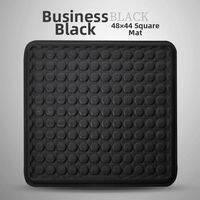
kakao friends | Cooling Breathable Car Seat Cushion
₱601.00
Buy on Lazada
kakao friends | Portable 2-in-1 Bucket Vacuum for Car
₱1,005.00
Buy on Lazada
kakao friends | Solar Powered Car Freshener Scented Ornament
₱476.00
Buy on Lazada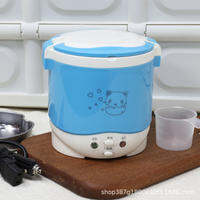
kakao friends | Multifunction Car and Home Use Rice Cooker
₱1,302.00
Buy on Lazada
kakao friends | Universal Leather Car Key Case Remote Keychain
₱322.00
Buy on Lazada
kakao friends | High-end Art Cross Metal Car Decoration
₱429.00
Buy on Lazada
kakao friends | Single-serving Compact Multifunctional Electric Rice Cooker 1.2L
₱1,192.00
Buy on Lazada![[China Plug Adapter Needed] Personal Non-Stick Mini Rice Cooker 1.2L](https://filebroker-cdn.lazada.com.ph/kf/S9408b11e4eae4033a59e32f2584b021bX.jpg_200x200q80.jpg)
[China Plug Adapter Needed] Personal Non-Stick Mini Rice Cooker 1.2L
₱1,192.00
Buy on LazadaAbout kakao friends
Overview
kakao friends (Korean: 카카오프렌즈) is a South Korean character and lifestyle brand created by the technology company Kakao. The brand is best known for its colorful animal-like characters that originated as emoticons for KakaoTalk, the dominant messaging platform in South Korea. What began as a tool to make digital conversations more expressive has developed into a major intellectual property business spanning merchandise, retail stores, licensing, collaborations, games, animation, and other forms of entertainment.
The brand is notable because its characters were not originally conceived as a traditional cartoon franchise. They were designed first as tools for communication—characters whose expressions could represent how people felt in everyday conversations. Their popularity eventually transformed them from simple “emoticons” into recognizable cultural icons.
Basic Information
| Category | Information |
|---|---|
| Brand | kakao friends |
| Korean name | 카카오프렌즈 |
| Owner / origin | Kakao |
| Country of origin | South Korea |
| Origin | KakaoTalk emoticons |
| Character development | Began in 2012 |
| KakaoTalk debut | November 2, 2012 |
| Original core characters | Ryan, Apeach, Muzi, Con, Tube, Frodo, Neo, Jay-G |
| Business areas | Character IP, merchandise, retail, licensing, collaborations, digital content, entertainment |
| Best-known platform | KakaoTalk |
| Official positioning | A character IP representing emotions and everyday life |
| Parent ecosystem | Kakao |
Kakao describes kakao friends as characters that began as KakaoTalk emoticons and grew into representations of users’ emotions, with stories and merchandise reaching audiences globally.
Origins
The history of kakao friends begins with KakaoTalk rather than with a conventional animation studio or toy company.
In 2012, KakaoTalk had grown significantly, surpassing 50 million users by June of that year. Kakao’s Brand Experience (BX) team sought ways to improve the emotional and visual experience of conversations while strengthening Kakao’s overall brand identity. This effort was part of a larger development in the KakaoTalk ecosystem; Kakao had already introduced emoticons in 2011, and they were becoming an important form of mobile communication. Rather than relying solely on conventional emojis, Kakao aimed to create characters capable of expressing more complicated and humorous emotions.
The core concept was to design characters that could become an extension of the user’s emotions. Instead of creating impossibly perfect mascots, each character possessed characteristics that users could recognize in themselves or their friends.
Kakao worked with illustrator Hojo to develop the initial group of characters:
- Frodo — dog
- Neo — cat
- Muzi — rabbit-like character
- Tube — duck
They were subsequently joined by:
- Apeach — peach
- Jay-G — mole
- Con — crocodile
The seven original characters were developed in roughly two months during 2012.
The 2012 Debut
Kakao friends did not immediately become a cultural phenomenon upon release. Interestingly, their first appearance was associated with Kakao’s efforts to expand KakaoTalk in Japan, which served as a testing ground before the characters were introduced to Korean users.
On November 2, 2012, kakao friends quietly appeared inside KakaoTalk in Korea. At first, users did not necessarily know the characters by their official names, often referring to them simply as “the Kakao dog,” “the Kakao duck,” or “the peach.” This turned out to be significant, as users began assigning their own interpretations and personalities to the characters rather than consuming a predetermined storyline. Kakao later recognized this user-driven interpretation as a key strength of the brand.
Why the Characters Became Popular
The fundamental appeal of kakao friends lies in relatability. The characters are not presented as perfect heroes; instead, they exhibit flaws, awkwardness, loneliness, laziness, vanity, fear, romance, frustration, and other everyday emotions.
This makes them particularly suitable for messaging. For example, instead of typing “I’m really annoyed,” a user could send a character expressing anger. Instead of saying “I’m embarrassed,” they could send a character hiding or looking awkward. The characters thus function as a kind of visual language. This represented a major evolution of the traditional mascot: kakao friends were not just characters that people watched, but characters that people used.
Ryan
Ryan is arguably the most famous modern kakao friends character. He is a lion, although his design deliberately omits a mane. According to Kakao’s character story, Ryan is the heir to a lion kingdom who longs for freedom and leaves his home. Introduced in January 2016, Ryan became an immediate hit, significantly changing the balance of the character lineup. His design is intentionally simple, featuring a round head, yellow/orange body, no mane, and relatively minimal facial expression. That restrained expression became part of his appeal, portraying him as calm, cute, slightly awkward, and emotionally relatable.
Apeach
Apeach (어피치) is a peach character. Designed as a relatively gender-neutral figure, Apeach was created to introduce a personality different from those of the original characters. Its visual identity is distinctive because the character is essentially a peach with a face and limbs. The design allows Apeach to be used in many situations, from cute and playful expressions to exaggerated emotional reactions. Apeach has become one of the most recognizable kakao friends characters internationally.
Muzi
Muzi is the yellow rabbit-like character. One interesting aspect of Muzi’s design is that the character’s apparent identity is more complicated than it first appears; Muzi is associated with a rabbit costume, while Con is connected to Muzi’s creation. Muzi’s personality and visual simplicity made the character particularly effective as a messaging emoticon.
Con
Con is a small green crocodile-like character closely associated with Muzi’s story. Often portrayed as a mysterious companion or helper, Con is considerably smaller than many other characters, creating a natural comedic relationship with Muzi.
Tube
Tube is a yellow duck. Tube’s character design is strongly associated with emotional reactions. The character can switch from a cute yellow duck into a much more exaggerated, angry, or dramatic version of himself. This versatility makes Tube useful as an emoticon for communicating sudden changes in mood.
Frodo
Frodo is a dog associated with wealth and an upper-class background. His relationship with Neo forms one of the important romantic pairings within the kakao friends universe. Frodo’s personality is often portrayed as somewhat proud, stylish, and sensitive.
Neo
Neo is a cat particularly associated with fashion, vanity, and self-confidence. Neo and Frodo are a couple within the character universe, adding a layer of traditional character storytelling beyond their function as emoticons.
Jay-G
Jay-G is a mole characterized as quiet and somewhat serious compared with the more expressive characters. Jay-G was introduced to broaden the personality range of the original lineup.
Character Relationships
Kakao friends characters share a universe, but it is not as rigidly narrative-driven as franchises like Pokémon or Marvel. The relationships provide additional personality depth:
- Muzi ↔ Con: Closely connected within the character mythology.
- Frodo ↔ Neo: Portrayed as a romantic couple.
- Ryan: Introduced later, he developed into one of the central figures of the modern kakao friends universe.
- Apeach: Has a more independent identity and is frequently used as a standalone character.
This flexible storytelling is intentional, allowing the characters to function both as entities with stories and as emotional avatars for users.
From Emoticons to Merchandise
The most important transformation in the history of kakao friends was the move from digital characters to physical products. In April 2013, Kakao tested the commercial potential of the characters by releasing 1,000 kakao friends rag dolls through KakaoTalk Gift. The entire batch sold out in only seven hours. Some buyers subsequently resold the dolls on second-hand markets at several times their original prices. 2 This demonstrated that people wanted to own the characters, not just use them in chat, laying the foundation for the character merchandise business.
Physical Stores
Kakao experimented with bringing the characters into physical retail, opening the first kakao friends pop-up store in Shinchon in April 2014. The concept allowed users to physically encounter characters they had previously experienced only through their phones. This was an unusual move for an internet/mobile company. The expansion followed a path from KakaoTalk to emoticons, to characters, to merchandise, and finally to physical retail. Kakao described this as an experiment in whether an IT company could successfully operate a character business.
Creation of Kakao Friends Corp.
As the business expanded, Kakao separated the character operation into a specialized company. Kakao Friends Corp. was spun off from Kakao in May 2015 to strengthen its focus on the character business. Its activities included brand stores, collaborations, IP licensing, and games. This milestone effectively recognized kakao friends as an independent intellectual-property business rather than just a feature of KakaoTalk.
Little Friends
Kakao later expanded the universe with Little Friends, younger and smaller versions of the characters. This allowed the brand to experiment with new character designs, different merchandise, children’s products, collectible goods, and new stories. Kakao’s history notes the introduction of Little Friends toward the end of 2016 as an important expansion of the universe.
Merchandise
Kakao friends merchandise covers a wide range of product categories intended to incorporate the characters into everyday life. 3
Stationery
- Notebooks
- Pens
- Pencils
- Pencil cases
- Stickers
- Planners
Plush
- Stuffed animals
- Dolls
- Cushions
- Pillows
Electronics Accessories
- Phone cases
- Laptop accessories
- Charging accessories
- Computer peripherals
Home & Lifestyle
- Cups
- Mugs
- Plates
- Blankets
- Household accessories
Fashion
- Clothing
- Bags
- Hats
- Accessories
Travel
- Luggage
- Travel accessories
- Passport-related accessories
Brand Collaborations
Another major component of the business is collaboration. The characters have been used in partnerships with companies across areas such as food, beverages, cosmetics, electronics, fashion, stationery, transportation, entertainment, and games. Kakao’s investor materials from the mid-2010s described collaborations with companies such as LG Care and Coca-Cola, alongside games and publishing partnerships. This illustrates that kakao friends functions as a licensable character IP, not limited to selling its own products.
Retail Strategy
Kakao friends stores are designed as brand experience spaces rather than ordinary character-product shops. Instead of simply displaying products on shelves, the stores use the characters throughout the environment. Visitors can encounter giant character sculptures, themed interiors, plush displays, seasonal installations, character merchandise, photo opportunities, and cafés or food-related experiences at selected locations. This reflects the philosophy that the characters should feel present in everyday life.
Storytelling and the Universe
Although kakao friends began without a conventional TV-series-style narrative, Kakao gradually developed more storytelling around the characters. Current story-based content includes:
- Ryan, the Lion
- Choonsik Is a Homebody
- PeachFiv
This represents an evolution from early kakao friends, where characters existed primarily to express emotions, to later iterations where characters have personalities, relationships, stories, and their own entertainment properties.
Choonsik
Choonsik is one of the newer characters associated with the broader ecosystem. Compared with the original lineup, Choonsik reflects a contemporary strategy where individual characters support their own stories and content. Kakao identifies “Choonsik Is a Homebody” as a story-based property. Choonsik’s appeal is connected to contemporary ideas about introversion, staying at home, everyday routines, and relatable lifestyle humor.
Cultural Significance
Kakao friends demonstrates how communication technology can create character IP. Traditional character brands often follow the path of Cartoon → characters → fans → merchandise. Kakao friends reversed this process: Messaging platform → emoticons → emotional attachment → characters → merchandise → stories.
The brand became deeply integrated into everyday Korean life because the characters were already present whenever people communicated. Consumers did not need to be persuaded to watch a cartoon or buy a toy first; they encountered the characters naturally while chatting with friends.
Emotional Design
Perhaps the most important design principle behind kakao friends is emotional recognition. Each character communicates a different psychological state, making them useful beyond simple decoration as avatars for human behavior.
| Character | Broad Personality/Image |
|---|---|
| Ryan | Calm, gentle, awkward, dependable |
| Apeach | Playful, mischievous, expressive |
| Muzi | Cute, energetic |
| Con | Mysterious, quiet |
| Tube | Emotional, dramatic, humorous |
| Frodo | Stylish, proud, sensitive |
| Neo | Fashionable, confident |
| Jay-G | Quiet, serious |
Visual Identity
Kakao friends uses an extremely simplified visual language. Most characters consist of simple geometric shapes, strong silhouettes, bright colors, minimal facial features, rounded forms, and limited detail. This simplicity is crucial because the characters need to work at many scales—from tiny KakaoTalk stickers to smartphone screens, plush toys, giant statues, coffee cups, and billboards.
Business Model
The kakao friends business is divided into several areas:
Digital
- KakaoTalk emoticons
- Digital stickers
- Character content
Physical Products
- Plush
- Stationery
- Apparel
- Accessories
- Lifestyle goods
Retail
- Kakao friends stores
- Pop-up stores
- Themed experiences
Licensing
Other companies can use kakao friends IP in approved products and campaigns.
Collaboration
Limited-edition products and campaigns with external brands.
Entertainment
Character-based stories, videos, and other content.
Kakao’s current description explicitly identifies content, merchandise, emoticons, and brand partnerships as major parts of the ecosystem. 3
Relationship with KakaoTalk
Even after becoming a huge merchandise brand, kakao friends’ strongest foundation remains KakaoTalk. This relationship creates a feedback loop: KakaoTalk gives the characters an enormous built-in audience, while kakao friends makes KakaoTalk more expressive and emotionally engaging. The more people use KakaoTalk, the more exposure kakao friends receives. The more emotionally attached people become to the characters, the stronger the Kakao brand becomes.
International Presence
Although fundamentally a Korean character brand, Kakao states that the characters communicate stories to audiences around the world through content and merchandise. 1 Their international appeal is aided by the fact that the characters communicate visually. A person does not need to understand Korean to interpret a crying character, an angry duck, a sleeping character, a smiling peach, a nervous rabbit, or a tired lion.
Timeline
- 2011: Kakao launches its emoticon ecosystem, creating the foundation for character-based mobile communication.
- 2012: Kakao’s BX team develops the kakao friends characters.
- September 2012: The original seven-character lineup is essentially completed.
- November 2, 2012: Kakao friends officially appear in KakaoTalk in Korea.
- April 2013: 1,000 kakao friends dolls sell out within seven hours, demonstrating the commercial potential of the IP.
- April 2014: The first kakao friends pop-up store opens in Shinchon.
- May 2015: Kakao Friends Corp. is spun off from Kakao to specialize in the character business.
- January 2016: Ryan is introduced and becomes an immediate hit.
- Late 2016: Little Friends are introduced, expanding the character universe.
- 2020s: Kakao continues expanding kakao friends through merchandise, partnerships, and story-driven content. Current materials highlight Ryan, Apeach, Choonsik, and other character properties.