Shop on Lazada
Kewpie products
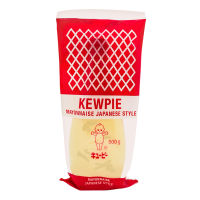
Kewpie Japanese Style Mayonnaise 500g
₱144.92₱207.04
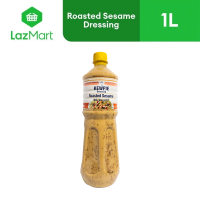
Kewpie Japanese Salad Dressing Roasted Sesame 1L
₱322.00₱460.00
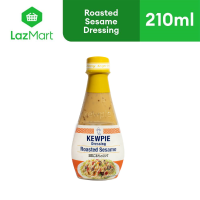
Kewpie Japanese Salad Dressing Roasted Sesame 210ml
₱107.10₱153.00
Kewpie Refill pouch 1kg mayonnaise egg yolk flavor
₱489.00
Buy on Lazada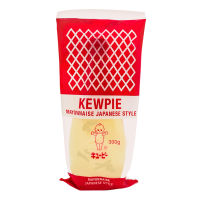
Kewpie Japanese Style Mayonnaise 300g
₱101.57₱145.10
Kewpie Japanese style Mayo 1kilo
₱449.00
Buy on Lazada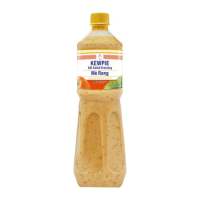
Kewpie Roasted Sesame Dressing 1L SALE
₱434.61₱525.00
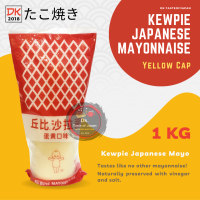
KEWPIE MAYONNAISE - 1 Kg (Yellow Cap)
₱349.00
Buy on LazadaAbout Kewpie
Overview
Brand Name: KEWPIE (キユーピー)
Parent Company: Kewpie Corporation
Founded: November 1919
Founder: Toichiro Nakashima
Headquarters: Shibuya, Tokyo, Japan
Industry: Food Manufacturing
Known For: Mayonnaise, salad dressings, sauces, egg products, baby food (formerly), jams, pasta sauces, and processed foods
Global Presence: Operations and products distributed throughout Asia, North America, Europe, and Oceania. [1]
History
Foundation (1919)
Kewpie Corporation traces its origins to Shokuhin Kogyo Co., Ltd., established in 1919 by entrepreneur Toichiro Nakashima. Before founding the company, Nakashima traveled to the United Kingdom and the United States as part of a government overseas internship. During his travels, he became interested in Western foods—particularly mayonnaise and orange marmalade—which were largely unfamiliar in Japan at the time.
Inspired by mayonnaise’s nutritional value and versatility, Nakashima believed it could help improve the health of Japanese people by making nutritious food more accessible. This vision became the foundation of the Kewpie brand. [1]
Birth of KEWPIE Mayonnaise (1925)
In 1925, Kewpie launched Japan’s first commercially produced mayonnaise.
Unlike many Western recipes of the period, Kewpie’s mayonnaise used:
-
Egg yolks instead of whole eggs
-
A blend of vinegars
-
Vegetable oil
-
Salt and seasonings
This formula created a richer, creamier texture and a stronger umami flavor, helping distinguish it from other mayonnaise products worldwide. The mayonnaise quickly became one of Japan’s most popular condiments. [2]
World War II
During World War II, shortages of eggs and cooking oil made mayonnaise production increasingly difficult.
Rather than lower product quality, Kewpie suspended mayonnaise production in 1943.
Production resumed in 1948 after the war, symbolizing the company’s commitment to quality standards. [1]
Growth and Expansion
Throughout the second half of the 20th century, Kewpie expanded beyond mayonnaise.
Major milestones included:
-
1958 – Plastic squeeze bottle introduced
-
1958 – Japan’s first French dressing
-
1960 – Baby food line introduced
-
1965 – Soy sauce-based Oriental Dressing
-
1970 – Listed on the Tokyo Stock Exchange
-
1980s onward – International expansion into North America and Asia
-
2000 – Launch of Deep-Roasted Sesame Dressing, now one of the brand’s global best sellers. [1]
Products
Today Kewpie manufactures hundreds of food products, including:
Mayonnaise
-
Original Kewpie Mayonnaise
-
Reduced-fat mayonnaise
-
Regional formulations
Salad Dressings
-
Deep-Roasted Sesame
-
Italian
-
Caesar
-
Thousand Island
-
Onion
-
Soy Sauce-based Oriental Dressing
Sauces
-
Pasta sauces
-
Meat sauces
-
Sandwich spreads
-
Cooking sauces
Egg Products
-
Liquid eggs
-
Frozen eggs
-
Processed egg ingredients
-
Industrial egg products
Prepared Foods
-
Potato salads
-
Packaged salads
-
Delicatessen foods
-
Convenience foods
Other Products
-
Jams
-
Marmalade
-
Fine chemical ingredients
-
Food-service products
Historically, Kewpie also produced baby food for over six decades before announcing its withdrawal from that business due to Japan’s declining birth rate and changing market conditions. [1]
KEWPIE Mayonnaise
KEWPIE Mayonnaise remains the company’s signature product.
Its distinctive characteristics include:
-
Egg yolks only (rather than whole eggs)
-
Rich, custard-like texture
-
Tangy flavor from blended vinegars
-
Strong umami profile
-
Creamy consistency
The iconic soft plastic squeeze bottle features:
-
Red cap
-
Transparent body
-
Red diamond mesh pattern
The product has become a staple in Japanese cuisine and is widely used on:
-
Sushi rolls
-
Okonomiyaki
-
Takoyaki
-
Yakisoba
-
Potato salad
-
Egg sandwiches
-
Sandwiches
-
Dips
-
Salads. [2]
International Expansion
Beginning in the 1980s, Kewpie established manufacturing and sales operations outside Japan.
The company now has production or business operations in countries including:
-
Thailand
-
China
-
Vietnam
-
Indonesia
-
Malaysia
-
Philippines
-
Australia
-
United States
Its products are sold in supermarkets, Asian grocery stores, restaurants, and food-service businesses around the world. [1]
Brand Identity
The Kewpie brand takes its name and mascot from the Kewpie doll, a cherubic character originally created by American illustrator Rose O’Neill in the early 1900s. Kewpie Corporation licensed the character as its trademark in the 1920s, and the smiling baby has remained the company’s iconic mascot ever since. The mascot symbolizes friendliness, happiness, and wholesome nutrition. [1]
Corporate Philosophy
Kewpie states that its founding mission is to:
“Contribute to the health of customers.”
The company emphasizes:
-
High-quality ingredients
-
Food safety
-
Innovation
-
Nutrition
-
Sustainability
-
Creating enjoyable eating experiences
Its modern vision is to contribute to the world’s food culture and health through “great taste, empathy, and uniqueness.” [1]
Sustainability and Innovation
Kewpie invests in:
-
Egg resource utilization
-
Reduction of food waste
-
Sustainable sourcing
-
Environmentally friendly manufacturing
-
Health-oriented product development
-
Research into nutrition and food science
The company also operates research centers and innovation facilities in Japan and overseas. [1]
Legacy
Over more than a century, Kewpie has grown from a small Japanese sauce manufacturer into a global food company. Its mayonnaise has become one of the world’s most recognizable Japanese condiments and is frequently praised for its rich, umami-forward flavor. Beyond mayonnaise, the company has diversified into dressings, egg products, processed foods, and food-service solutions while maintaining its focus on quality and nutrition. [1]