Shop on Lazada
Lipton products
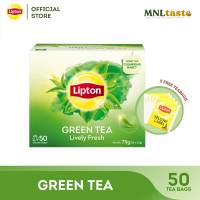
Lipton Fresh Green Tea 50 Enveloped Tea Bags | Refreshing Premium Imported Green Tea
₱576.00
Buy on Lazada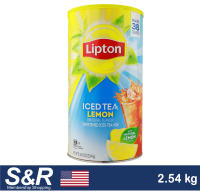
Lipton Iced Tea Lemon Natural Flavor Sweetened Iced Tea Mix 2.54 kg
₱778.00
Buy on Lazada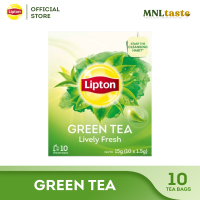
Lipton Fresh Green Tea 10 Enveloped Tea Bags | Refreshing Premium Imported Green Tea
₱122.00
Buy on Lazada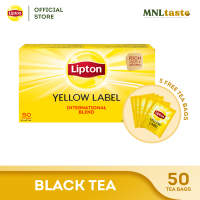
Lipton Yellow Label Black Tea 50 Tea Bags | Imported Premium Black Tea
₱336.00
Buy on Lazada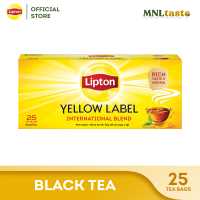
Lipton Yellow Label Black Tea 25 Tea Bags | Imported Premium Black Tea
₱186.00
Buy on Lazada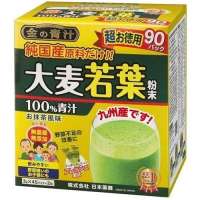
Nihon Yakken Golden Aojiru Pure Japanese Green Barley Powdered Drink - 14 packets / 46 packets / 90 packets
₱1,832.00₱2,666.01
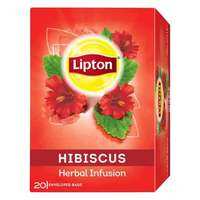
Lipton Herbal Infusion Hibiscus 20s Envelope TEa bags
₱349.00
Buy on Lazada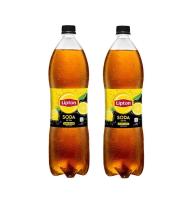
Lipton Soda Iced Tea Lemon 1.5L - Pack of 2
₱125.40₱132.00
About Lipton
Lipton is a British tea brand and one of the world’s best-known names in the tea industry. Founded by Scottish entrepreneur Sir Thomas Lipton, the brand was created with the vision of making high-quality tea affordable and accessible to everyone. Since its beginnings in the late 19th century, Lipton has grown into a global brand, selling black tea, green tea, herbal tea, fruit infusions, ready-to-drink iced tea, and tea concentrates in more than 100 countries. Today, the Lipton tea business is operated by Lipton Teas and Infusions, while some regional rights and ready-to-drink beverages remain under licensing and joint venture arrangements. [1]
History
Lipton’s story began in 1871, when Sir Thomas Lipton opened his first grocery store in Glasgow, Scotland. His business philosophy was simple: provide quality products at fair prices. Tea was considered an expensive luxury at the time, but Lipton wanted to make it available to ordinary households. [2]
To reduce costs and improve quality, Lipton purchased tea plantations in Ceylon (modern-day Sri Lanka) during the 1890s. By sourcing tea directly from plantations instead of relying on middlemen, he was able to offer fresher tea at lower prices. This direct-sourcing model became one of the company’s defining innovations and helped establish Lipton as an international tea brand. [2]
Throughout the 20th century, Lipton expanded worldwide and introduced numerous tea products, including tea bags, instant tea, and ready-to-drink iced teas. The brand became known for combining traditional tea production with modern marketing and product innovation. [3]
Ownership
Lipton was owned by Unilever for many decades after becoming part of its food and beverage portfolio. [4]
In 2022, Unilever sold most of its global tea business to CVC Capital Partners, creating Lipton Teas and Infusions, now one of the world’s largest tea companies. However, Unilever retained certain rights to the Lipton brand in specific markets (including India, Nepal, Indonesia, and Sri Lanka) and continues to participate in the global ready-to-drink Lipton iced tea business through its joint venture with PepsiCo. [4]
Products
Lipton offers a broad portfolio of tea products, including:
-
Black tea (such as the iconic Yellow Label)
-
Green tea
-
Herbal and wellness teas
-
Fruit and flavored teas
-
Tea bags
-
Loose-leaf tea (selected markets)
-
Instant tea mixes
-
Ready-to-drink iced tea
-
Zero-sugar and reduced-sugar beverages
Lipton’s ready-to-drink iced tea is among the world’s most widely distributed tea beverages and is available in flavors including lemon, peach, green tea, mango, raspberry, and others, depending on the country. [5]
Global Presence
Lipton products are sold in over 100 countries, reaching approximately 250 million consumers every day according to the company. The brand has a particularly strong presence across Europe, North America, Asia, Africa, and the Middle East. [6]
Sustainability
Lipton has invested heavily in sustainable tea production. The company works with tea growers to promote environmentally responsible farming, improve worker welfare, and protect biodiversity. [7]
Lipton has also committed to responsible sourcing, with much of its black tea coming from Rainforest Alliance Certified farms. The company continues to focus on reducing packaging waste, increasing the use of recycled plastics for bottled beverages, and lowering its environmental impact. [7]
Marketing and Brand Identity
Lipton is recognized for its bright yellow packaging, which symbolizes warmth, sunshine, and optimism. The company has consistently positioned its products around themes of refreshment, wellbeing, and bringing people together. [8]
Over the decades, Lipton has sponsored sporting events, cultural campaigns, and health-focused marketing initiatives while introducing products that cater to changing consumer preferences, including organic, herbal, and low-sugar beverages. [8]
Major Milestones
-
1871 – Sir Thomas Lipton opens his first grocery store in Glasgow.
-
1890 – Lipton acquires tea estates in Ceylon and begins direct tea sourcing.
-
1904 – Commercial iced tea gains popularity, influencing future Lipton iced tea products.
-
1964 – Lipton launches instant iced tea mix in the United States.
-
1972 – Ready-to-drink canned Lipton iced tea is introduced.
-
1991 – Partnership with Pepsi-Cola expands Lipton iced tea globally.
-
2007 – Lipton publicly commits to sustainability initiatives.
-
2022 – Lipton Teas and Infusions becomes an independent company after acquisition by CVC Capital Partners. [9]
Legacy
For more than 150 years, Lipton has remained one of the most influential brands in the global tea market. Its emphasis on affordability, innovation, and sustainable sourcing has helped transform tea from a luxury item into an everyday beverage enjoyed by millions of people worldwide. Today, Lipton continues to expand its range of traditional teas and modern ready-to-drink beverages while maintaining the vision established by Sir Thomas Lipton: bringing quality tea to everyone. [10]