Shop on Lazada
Liquitex products
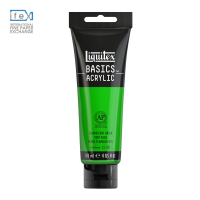
Liquitex Basics Acrylic 118ml Tube
₱379.00
Buy on Lazada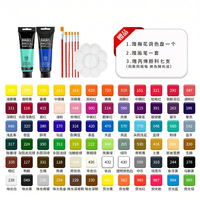
Liquitex | Beginner Friendly Durable Wall Painting Acrylic 118ml
₱22,940.00
Buy on Lazada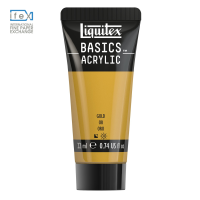
Liquitex Basics Colour 22ml Tube
₱185.00
Buy on Lazada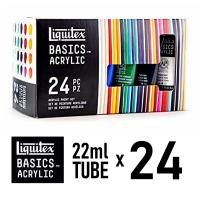
LIQUITEX BASICS Acrylic Paint Set 24 pc. x 22 ml tube Acrylic Paint set
₱2,688.00₱2,950.00
Liquitex | Waterproof Fading-resistant Basic Acrylic Paint 118ml
₱530.00₱922.00
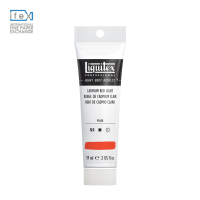
Liquitex HB Acrylic Color 59ml
₱1,320.00
Buy on Lazada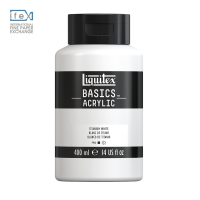
Liquitex Basics Acrylic 400ml Titanium White
₱1,205.00
Buy on Lazada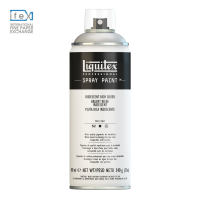
Liquitex Spray Paint 400ml
₱1,194.00
Buy on LazadaAbout Liquitex
Liquitex is an American-origin artist-materials brand best known for its acrylic paints, mediums, gels, varnishes, inks, markers, and related painting tools. Founded in 1955 by chemist Henry Levison, Liquitex is historically significant because it developed what it describes as the first commercially available water-based acrylic paint for artists 1. The brand helped establish acrylic as a major fine-art painting medium and has continued to focus heavily on acrylic technology and innovation.
Today, Liquitex is part of Colart, a global art-materials group whose other brands include Winsor & Newton, Lefranc Bourgeois, and Conté à Paris 2.
Quick facts
| Category | Information |
|---|---|
| Brand | Liquitex |
| Founded | 1955 |
| Founder | Henry Levison |
| Origin | Cincinnati, Ohio, United States |
| Industry | Fine-art and creative materials |
| Best known for | Acrylic paints and acrylic mediums |
| Parent company | Colart |
| Specialty | Acrylic color technology |
| Major product categories | Acrylic paints, mediums, gels, pastes, inks, markers, spray paint, gesso and tools |
| Target users | Professional artists, students, illustrators, designers, educators and hobbyists |
| Notable historical achievement | First commercially available water-based acrylic paint for artists |
| Established | 1955 |
Liquitex describes its history as beginning in 1955 and its present-day mission as developing acrylic paints, mediums, and tools for artists and creatives 3.
Origins
The story of Liquitex begins with Henry Levison, a chemist and businessman based in Cincinnati, Ohio. Before establishing Liquitex, Levison operated Permanent Pigments, a company that had been producing artists’ oil colors since 1933. He closely followed developments in synthetic resins and acrylic chemistry, eventually experimenting with acrylic formulations specifically for artists.
While acrylic technology was already being investigated for artistic applications at the time, early acrylic paints were primarily solvent-based. Levison’s breakthrough was adapting this technology into a water-based system that could function as a practical artists’ paint. In 1955, this work resulted in a commercially viable water-based acrylic gesso and the establishment of the Liquitex name, which is derived from the concepts of “liquid” and “texture” 4.
This development was significant because water-based acrylics offered artists a combination of properties that traditional oil paint and watercolor could not easily provide: relatively rapid drying, water cleanup, versatility across surfaces, and the ability to formulate paint at different viscosities 5.
The first Liquitex acrylic paint
A major milestone occurred in 1956 when Liquitex introduced its Medium Viscosity Artist Color, described by the company as the world’s first commercially available water-based acrylic artists’ color 6. This product eventually became the foundation of what is now called Soft Body Acrylic.
The development of water-based acrylic paint effectively created a new category between traditional painting media. Artists could use acrylics for relatively thin washes, opaque painting, layering, glazing, texture, mixed-media work, and many experimental techniques. The new medium fitted particularly well with the artistic experimentation of the postwar period.
Liquitex and the rise of acrylic painting
Acrylic paint became increasingly important during the 1960s and 1970s, particularly in contemporary and Pop Art. Liquitex states that its early Soft Body formulation was embraced by artists associated with the Pop Art movement, with historical materials specifically connecting the original formulation to artists such as Andy Warhol and David Hockney 7.
Acrylic’s characteristics made it attractive to artists seeking bright, saturated colors; relatively fast drying; crisp edges; flat areas of color; layering capabilities; unconventional surfaces; mixed-media applications; textures and impasto; and easier studio cleanup compared to solvent-based paints. Consequently, acrylic moved from being a technological experiment to becoming one of the major professional painting media.
Heavy Body: A major innovation
Rather than treating acrylic as a single type of paint, Liquitex continued developing the technology. In 1963, the company introduced High Viscosity Artist Color, subsequently known as Heavy Body Acrylic. It was designed to have a consistency more comparable to oil paint and became particularly useful for impasto, brushwork, and palette-knife techniques 9.
Heavy Body is characterized by high viscosity, strong color, substantial paint film, retention of brush and knife marks, suitability for impasto, and compatibility with acrylic mediums. This distinction between Soft Body and Heavy Body became one of Liquitex’s defining characteristics. In simplified terms, Soft Body is a fluid, smooth acrylic, while Heavy Body is a thick, buttery acrylic. Both use the same fundamental acrylic technology but offer artists very different physical behaviors.
Development of mediums
One of Liquitex’s most important contributions is the development of an entire acrylic system rather than merely paints. The company introduced products such as Gel Medium in 1963 and subsequently developed numerous gels, pastes, fluid mediums, texture products, varnishes, and additives.
These products allow artists to modify the viscosity, transparency, gloss, matte appearance, texture, flow, drying behavior, adhesion, and surface characteristics of acrylic paint. Today, the professional Liquitex medium range includes Gloss Medium, Matte Medium, Ultra Matte Medium, Glazing Medium, Pouring Medium, Modeling Paste, Flexible Modeling Paste, Gel Medium, Super Heavy Gesso, Clear Gesso, and specialty effects mediums. The current product catalog illustrates how Liquitex treats acrylic paint as a complete materials system rather than simply a collection of colored paints 8.
Major historical timeline
1955 — Birth of Liquitex
Henry Levison develops a commercially viable water-based acrylic gesso and establishes the Liquitex identity.
1956 — Medium Viscosity Artist Color
Liquitex launches its water-based acrylic artists’ color, the predecessor of today’s Soft Body Acrylic 6.
1963 — High Viscosity Acrylic
Liquitex introduces High Viscosity Artist Color, now known as Heavy Body Acrylic, along with Gel Medium 9.
1980s — Safer packaging and standards
Liquitex moves to laminated tubes and becomes an early adopter of ASTM labeling related to toxicity, quality, and lightfastness 10.
2000s — Expansion of acrylic formats
Liquitex expands into products including Pouring Medium, String Gel, and acrylic ink. Its original Medium Viscosity and High Viscosity paints are renamed Soft Body and Heavy Body.
2012 — Spray Paint
Liquitex introduces a water-based, low-odor fine-art spray paint system 12.
2017 — Cadmium-Free Acrylics
Liquitex introduces performance-matched cadmium-free Heavy Body colors after extensive research and testing 15.
2018 — Acrylic Gouache
Liquitex introduces Acrylic Gouache, emphasizing highly pigmented, matte, and opaque characteristics 13.
2023 — B Corp certification
Liquitex becomes one of the Colart brands recognized under Colart’s B Corp certification, while also launching its A Positive Mark sustainability initiative 1114.
2024 — Bio-Based range
Liquitex introduces Bio-Based Heavy Acrylic and Mediums, described as the world’s first professional-grade bio-based fine-art range.
2026 — Continued expansion
The current Liquitex catalog includes established acrylic ranges alongside newer formats such as Liquitex Markers, additional large sizes, and bio-based products 25.
Main product families
The current Liquitex portfolio can broadly be divided into professional acrylics, student-oriented acrylics, specialty acrylic formats, and mediums.
Heavy Body Acrylic
Heavy Body is Liquitex’s thickest traditional professional acrylic paint. It is intended for artists who want pronounced brushwork, texture, and impasto. Because the paint retains marks, it is particularly suited to expressive and heavily textured painting 27. Typical applications include fine-art painting, impasto, palette knife work, texture, mixed media, and large-scale work.
Soft Body Acrylic
Soft Body is the descendant of Liquitex’s original 1956 acrylic. It has a much more fluid consistency than Heavy Body and is suitable for broad coverage, fine details, glazing, illustration, and techniques requiring smooth paint application. Liquitex describes it as the original Liquitex acrylic formulation 6.
Basics Acrylic
Liquitex Basics is positioned toward students, beginners, and artists who need a more economical acrylic range. It provides access to the Liquitex acrylic system at a lower price point than the professional ranges 3233.
Acrylic Gouache
Liquitex Acrylic Gouache combines acrylic chemistry with the visual characteristics associated with traditional gouache. It is designed to provide matte surfaces, strong opacity, intense color, relatively flat application, and reduced visible brush marks. Liquitex describes it as its most matte paint range 26.
Acrylic Ink
Acrylic Ink is an extremely fluid acrylic format designed for applications where conventional tube or bottle acrylic is too viscous. It can be used for illustration, airbrushing, pouring, fine detail, calligraphy-like marks, mixed media, and staining or transparent effects 34.
Acrylic Markers
Liquitex packages acrylic paint into marker systems for artists who want the characteristics of acrylic paint with the convenience and control of a marker. The current range includes multiple nib sizes and colors 16.
Spray Paint
Liquitex developed a professional water-based acrylic spray paint designed to provide spray application while retaining the brand’s acrylic-paint philosophy. The range emphasizes low odor and water-based technology 17.
Acrylic mediums
Liquitex is particularly notable for its extensive medium system. Acrylic paint consists of pigment, acrylic binder, and water or additives. A medium allows an artist to change how that system behaves without simply adding more pigment.
| Medium type | Primary purpose |
|---|---|
| Gloss Medium | Increases gloss and transparency |
| Matte Medium | Produces a matte finish |
| Glazing Medium | Creates transparent layers |
| Pouring Medium | Improves flow for pouring techniques |
| Gel Medium | Adds body and texture |
| Modeling Paste | Creates substantial texture |
| Gesso | Prepares surfaces for painting |
| Slow-Dri Medium | Extends working time |
| Flow Aid | Improves paint flow |
| Varnish | Provides a protective final surface |
This ecosystem is one reason Liquitex is often viewed not simply as a paint manufacturer but as an acrylic technology specialist 2122.
Historical importance
Before commercially practical water-based acrylics became available, artists had a relatively limited selection of established painting systems: oil (slow drying, solvent-based cleanup), watercolor (transparent, water-soluble), gouache (opaque, water-soluble), and solvent-based acrylic (fast drying but solvent dependent).
Liquitex’s water-based acrylic offered a new combination of fast drying, water cleanup, strong pigmentation, flexibility, and broad surface compatibility. This technology helped make acrylic suitable for both traditional fine art and newer forms of contemporary art. Liquitex describes acrylic as having “changed the game” when the company introduced its first commercially available water-based acrylic in 1955 23.
Relationship with professional artists
The brand has historically emphasized a close relationship with working artists. This began early; in 1956, Liquitex worked with muralist Garo Antreasian to test its colors during a mural commission. Later, the company developed educational programs and artist advisory initiatives 18.
Today, this relationship continues through artist collaborations, demonstrations, educational material, residency programs, artist interviews, technical acrylic education, and community projects. Liquitex operates an international residency program and has maintained a studio in Manufacturer’s Village in East Orange, New Jersey, for its residency activities 19.
Sustainability
Sustainability has become an increasingly visible part of Liquitex’s modern identity. In 2023, the brand launched A Positive Mark, a sustainability initiative focused on creating environmental and social value. One of its early products was Recycled Canvas, made using 100% recycled plastic bottles attached to FSC-certified wood 20.
Liquitex’s history also identifies FSC-certified wood and paper products, recycled materials, bio-based acrylic technology, cadmium-free alternatives, packaging improvements, and community support programs. The 2024 introduction of Bio-Based Heavy Acrylic and Mediums represents a notable development aimed at replacing part of the fossil-derived raw-material system without abandoning professional acrylic performance 3031.
Ownership and corporate structure
Liquitex is not an independent company today; it is a brand within Colart, an international art-materials group. Colart’s current brand portfolio includes Liquitex, Winsor & Newton, Lefranc Bourgeois, Conté à Paris, Snazaroo, and Reeves. Colart describes itself as the global parent company of these brands, with products available in more than 130 countries.
Within the group, Liquitex occupies a distinctive position. While other Colart brands cover oils, watercolors, drawing materials, craft products, and other media, Liquitex is particularly strongly identified with acrylics 3.
Distinguishing characteristics
Liquitex functions as an acrylic ecosystem. While many companies manufacture acrylic paint, Liquitex’s historical identity is unusually tied to the development of the medium itself. Its strengths include:
- Historical significance: Liquitex played a foundational role in the commercialization of water-based acrylic artists’ paint in the 1950s 23.
- Broad portfolio: The brand offers acrylic in many physical forms, including thick, fluid, ink-like, gouache-like, marker, and spray formats 24.
- Extensive medium system: Artists can alter texture, transparency, flow, and finish through a large collection of compatible mediums.
- Tiered offerings: The brand serves everyone from first-time buyers to professional fine artists working with Heavy Body and specialized mediums.
- Technical emphasis: Liquitex maintains extensive educational material explaining acrylic chemistry, compatibility, application, and conservation 25.
- Artist-oriented development: The company has historically used artist testing, collaborations, demonstrations, and residencies as part of product development and community building 26.
Comparison with other brands
Liquitex is often discussed alongside brands such as Golden Artist Colors, Winsor & Newton, Amsterdam, Daler-Rowney, and Vallejo. Its closest high-end comparison is arguably Golden Artist Colors, another major American acrylic specialist. However, Golden is an independent employee-owned company, whereas Liquitex belongs to Colart.
| Brand | Strong association |
|---|---|
| Liquitex | Acrylic technology and comprehensive acrylic system |
| Golden | Professional acrylic research and specialized acrylic formulations |
| Winsor & Newton | Broad fine-art tradition across oils, watercolors, acrylics and drawing |
| Daler-Rowney | Broad art-material portfolio |
| Amsterdam | Accessible acrylics and large-scale/creative use |
These represent broad positioning differences rather than strict quality rankings.
Significance in art history
Liquitex occupies a unique position in modern art-material history. Its development of commercially practical water-based acrylic helped establish acrylic paint as an independent major painting medium. This makes Liquitex historically important in several areas:
- Material science: It demonstrated that acrylic polymer technology could become a practical water-based artists’ medium.
- Modern art: Acrylic became particularly useful for the flat colors, hard edges, and rapid working methods associated with postwar art.
- Education: Relatively accessible handling and cleanup made acrylic highly suitable for schools and art education.
- Mixed media: Compatibility with many surfaces and mediums made acrylic useful for experimental practices.
- Contemporary art: The range of viscosities, gels, pastes, inks, and specialty products supports practices far beyond conventional canvas painting.
Brand philosophy
The personality of Liquitex is strongly connected to experimentation and challenging established methods. The company repeatedly uses Henry Levison’s philosophy of continually trying to create something new as a central part of its identity. Current messaging emphasizes innovation, collaboration with artists, and pushing the boundaries of acrylic materials 28.
While traditional fine-art brands are often associated with heritage and established painting traditions, Liquitex’s identity is more closely associated with innovation, acrylic chemistry, experimentation, and contemporary creativity.
Product hierarchy
For artists navigating the range, the Liquitex product line can be understood through the following hierarchy:
- Liquitex Basics: Affordable, student-oriented acrylic 3233.
- Liquitex Soft Body: Smooth, fluid professional acrylic.
- Liquitex Heavy Body: Thick, professional acrylic for texture and impasto 27.
- Liquitex Acrylic Gouache: Opaque, matte acrylic 26.
- Liquitex Acrylic Ink: Extremely fluid acrylic 34.
- Liquitex Acrylic Markers: Acrylic in marker form 16.
- Liquitex Spray Paint: Acrylic in spray form 17.
- Liquitex Mediums & Gels: Products to modify the behavior and appearance of acrylic.
Together, these products form a relatively complete acrylic painting ecosystem rather than isolated product lines 29.
Overall assessment
Liquitex is one of the historically important names in acrylic painting. Its significance stems primarily from its role in the commercial development of water-based acrylic paint for artists in the 1950s, followed by decades of experimentation with viscosity, pigments, mediums, gels, varnishes, and alternative application methods 30.
Today, it remains a major international acrylic-focused art-materials brand under Colart. Its portfolio spans entry-level acrylics through professional paints and highly specialized mediums, while its modern identity increasingly incorporates sustainability, artist communities, and bio-based material development 31.
References
- Liquitex – Our Story Since 1955
- Acrylic Knowledge – Liquitex
- Liquitex | Colart
- Since 1955 | Liquitex
- The everyday acrylic range.
- Soft Body – The Original Acrylic – Liquitex
- Liquitex | The home of acrylic paint since 1955
- Liquitex Commits to “A Positive Mark” | Colart
- FAQs / Contact – Liquitex
- Termes et conditions – Liquitex FR
- Colart Joins the Movement as a Certified B Corporation,™ | Colart
- Liquitex Uncapped: Quinacridone Red | Colart
- NEW LIQUITEX.COM GOES LIVE | Colart
- Installing New Liquitex Merchandising Units | Colart
- Cadmium-free colours | Colart
- Liquitex | The home of acrylic paint since 1955
- Liquitex | The home of acrylic paint since 1955
- Notre histoire depuis 1955 – Liquitex FR
- FAQs / Contact – Liquitex UK
- Liquitex Becomes a Certified B Corporation – Liquitex UK
- Acrylic Knowledge – Liquitex EU
- Acrylic Knowledge – Liquitex UK
- Acrylic Paint – Liquitex
- Liquitex | The home of acrylic paint since 1955 – Liquitex EU
- Color Trends 2026 – Liquitex EU
- Professional Acrylic Gouache – Iridescent Bright Gold – Liquitex
- Professional Heavy Body Acrylic – Iridescent Rich Gold – Liquitex
- Professional Heavy Body Acrylic – Green Gold – Liquitex
- Terms & Conditions – Liquitex EU
- Sustainable Art & Social Responsibility – Liquitex
- Liquitex Becomes a Certified B Corporation
- Liquitex Basics Acrylic Color
- Liquitex Basics Acrylic Color
- Acrylic Ink – Liquitex