Shop on Lazada
Listerine products
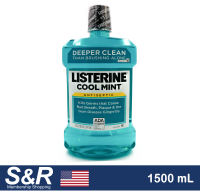
Listerine Cool Mint Antiseptic Mouth Wash 1500 mL
₱623.00
Buy on Lazada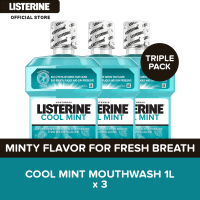
Listerine Cool Mint Mouthwash 1L Buy 2 Get 1 FREE for oral care fresh breath
₱1,312.02₱1,566.00
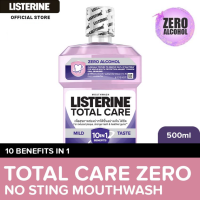
Listerine Total Care Zero Alcohol/ Alcohol Free Mouthwash 500ml - For Complete Oral Care Fresh Breath Teeth Whitening Fluoride for Strong Teeth Tartar Control Gum Care Kill 99.9% of germs that cause bad breath Plaque and Gum Problems
₱372.33₱397.00
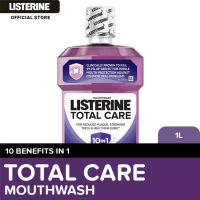
Listerine Total Care Mouthwash 1L - For Complete Oral Care Fresh Breath Teeth Whitening Fluoride for Strong Teeth Tartar Control Gum Care Kill 99.9% of germs that cause bad breath Plaque and gum problems Toothbrush Routine Use with toothpaste
₱650.10₱694.00
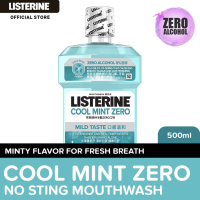
Listerine Cool Mint Zero Alcohol / Alcohol Free Mouthwash 500ml - Mild Taste for Oral Care Fresh Breath Kill 99.9% of germs that cause bad breath Plaque and Gum Problems Toothbrush Routine Use with Toothpaste
₱269.89₱288.00
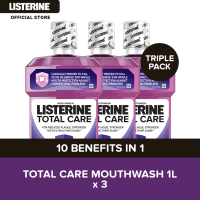
Listerine Total Care Mouthwash 1L x3 - Triple Pack for complete oral care and germ kill
₱1,741.48₱2,080.00
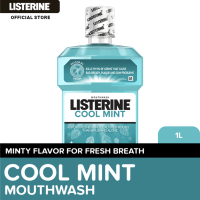
Listerine Cool Mint Mouthwash 1L - For Oral Care Fresh Breath Kill 99.9% of germs that cause bad breath Plaque and Gum problems Toothbrush Routine Use with Toothpaste
₱488.56₱522.00
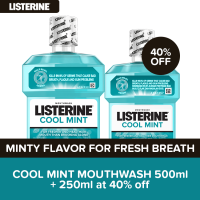
Listerine Cool Mint Mouthwash 500ml + Get 250ml at 40% off
₱375.28₱442.00
About Listerine
Listerine is an American oral care brand best known for its antiseptic mouthwash. Over more than 145 years, it has evolved from a surgical antiseptic into one of the world’s most recognized oral hygiene brands, offering products such as mouthwash, toothpaste, dental floss, breath strips, breath sprays, and fluoride rinses. Today, the brand is owned by Kenvue, the consumer health company that was spun off from Johnson & Johnson in 2023, while the products continue to be marketed globally under the Listerine name. [1]
History
Listerine was first developed in 1879 by Dr. Joseph Lawrence, a physician and chemist from St. Louis, Missouri. The formula was named in honor of Sir Joseph Lister, the British surgeon whose pioneering work in antiseptic surgery revolutionized modern medicine. Lawrence was inspired by Lister’s success in reducing surgical infections through antiseptic techniques and created a germ-killing solution based on essential oils. [2]
Initially, Listerine was intended for use as a surgical antiseptic and for cleaning wounds. In 1881, the rights to the formula were acquired by the Lambert Pharmaceutical Company, which began commercial production and distribution. By 1895, studies demonstrated its effectiveness in killing oral bacteria, leading dentists to recommend it as an oral antiseptic. [3]
A major milestone came in 1914, when Listerine became the first prescription oral antiseptic in the United States to be sold over the counter, making it widely available to consumers. [4]
Marketing and Growth
Listerine became famous for one of the most influential marketing campaigns in consumer health history during the 1920s. The company popularized the medical term “halitosis” to describe chronic bad breath and marketed Listerine as the solution. The campaign significantly increased public awareness of oral hygiene and transformed Listerine into a household name. [5]
Throughout the 20th century, the brand expanded internationally and introduced numerous oral care innovations, including alcohol-free mouthwashes, whitening products, children’s rinses, fluoride formulations, and complete oral care systems. [6]
Ownership
Listerine has changed ownership several times throughout its history:
-
1879 – Formula created by Dr. Joseph Lawrence.
-
1881 – Rights acquired by the Lambert Pharmaceutical Company.
-
Later became part of Warner–Lambert.
-
2000 – Warner–Lambert merged with Pfizer.
-
2006 – Johnson & Johnson acquired Pfizer’s consumer healthcare business, including Listerine.
-
2023 – Listerine became part of Kenvue after Johnson & Johnson separated its consumer health division into a new independent company. [7]
Products
The Listerine brand includes a broad range of oral care products, including:
-
Antiseptic mouthwash
-
Alcohol-free mouthwash
-
Fluoride mouth rinse
-
Whitening mouthwash
-
Sensitive teeth mouthwash
-
Toothpaste
-
Dental floss
-
Breath strips
-
Breath sprays
-
Children’s oral rinse
Many formulations use a combination of essential oils, including eucalyptol, menthol, methyl salicylate, and thymol, which have long been key ingredients in the brand’s antiseptic mouthwash. [8]
Scientific Background
Listerine has been the subject of extensive clinical research over several decades. Its antiseptic mouthwash is widely recognized for helping reduce bacteria associated with bad breath, plaque, and gingivitis when used as part of a daily oral hygiene routine alongside brushing and flossing. The brand has also received professional recognition, including acceptance by the American Dental Association (ADA) for certain formulations that meet its standards for safety and effectiveness. [9]
Global Presence
Today, Listerine is sold in more than 50 countries and is one of the world’s leading mouthwash brands. Product formulations and available varieties differ by region, but the brand consistently focuses on oral hygiene, fresh breath, plaque control, gum health, cavity prevention, and whitening. [10]
Brand Identity
Listerine is widely recognized for its bold, medicinal taste and its emphasis on germ-killing effectiveness. Over the years, its advertising has featured slogans such as:
-
“Kills germs that cause bad breath.”
-
“Bring Out the Bold.”
The brand positions itself as a complement to brushing and flossing rather than a replacement for either. [11]
Legacy
Listerine is considered one of the most influential brands in oral healthcare. Its history reflects major developments in antiseptic medicine, consumer health marketing, and preventive dentistry. From its origins as a surgical disinfectant in the late 19th century to its status as a globally recognized oral care brand, Listerine has played a significant role in shaping modern oral hygiene practices. [12]