Shop on Lazada
Lotto products
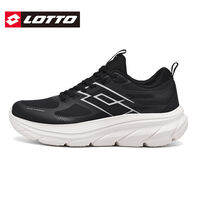
Lotto | Waterproof Thick Sole Mens Sneakers
₱3,587.00₱8,517.00
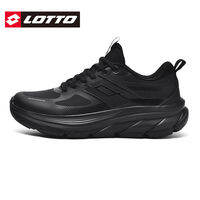
Lotto | Breathable Mesh Upper Outdoor Thick Bottom Sport Shoes
₱3,616.00₱8,545.00
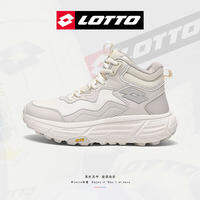
Lotto | Warm Anti-Slip Leisure Shoes
₱3,330.00₱7,776.00
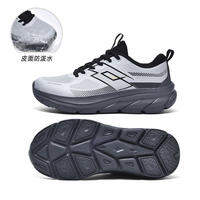
Lotto | Water-Repellent Leather Insulated Hiking Shoes
₱2,642.00₱6,204.00
About Lotto
Lotto (formally Lotto Sport Italia S.p.A.) is an Italian sportswear and sporting goods manufacturer best known for its football boots, tennis footwear, athletic shoes, and sports apparel. Founded in June 1973 in Montebelluna, Veneto, the company evolved from a specialist tennis shoe maker into an international brand with a distinct identity in football and tennis.1 Its visual signature is the double-diamond logo, representing overlapping tennis and football courts, while the brand positions itself around Italian design, sporting heritage, technical performance, and innovation.2 The company’s official website is
Basic information
| Category | Information |
|---|---|
| Brand name | Lotto |
| Company | Lotto Sport Italia S.p.A. |
| Founded | June 1973 |
| Founders | Giovanni, Alberto and Sergio Caberlotto |
| Origin | Montebelluna, Treviso, Veneto, Italy |
| Headquarters | Trevignano, Treviso, Italy |
| Industry | Sporting goods, footwear, apparel |
| Main sports | Football, tennis, running/athletics, volleyball, basketball, padel |
| Key products | Football boots, sneakers, tennis shoes, jerseys, training wear, sports apparel |
| Major brand identity | Italian heritage + performance + innovation |
| Logo | Double-diamond symbol |
| International presence | More than 60 countries historically; global network of athletes, clubs and markets |
Lotto maintains its corporate headquarters in Trevignano, near Treviso, within the same Italian footwear district where the company was originally established.3
Foundation and origins
Lotto was established in 1973 by brothers Giovanni, Alberto, and Sergio Caberlotto in Montebelluna, a region renowned for its footwear manufacturing industry. The family possessed prior experience in the sector through their Caber ski-boot business.4
The company’s initial product focus was tennis footwear. This strategic decision coincided with the commercialization of tennis during the Open Era, which created new opportunities for professional players and brands to form commercial partnerships.5 Lotto subsequently expanded its portfolio to include basketball, volleyball, athletics, football, sports apparel, and casual lifestyle footwear, evolving from a specialist manufacturer into a comprehensive sportswear brand.6
Logo symbolism
The brand’s most recognizable asset is its double-diamond (doppia losanga) logo. The original concept depicts two overlapping sports fields: a tennis court and a football pitch. The geometric arrangement also forms stylized “L” shapes, linking the symbol directly to the Lotto name.7 This design communicates the dual heritage of tennis and football that defines the brand. Although the logo has undergone modifications over the decades, the double-diamond concept remains central to Lotto’s visual identity.
The 1970s: Tennis specialization
During its first decade, Lotto focused primarily on the Italian tennis market. The company built a reputation for technical footwear and established relationships with prominent players, including Australian star John Newcombe, an eight-time Grand Slam singles champion.8 Product development during this period emphasized cushioning and material innovations, driven by direct feedback from athletes.9 By the late 1970s, Lotto had become a significant name in tennis footwear.
The 1980s: Football expansion and internationalization
The 1980s marked a pivotal shift as Lotto began producing football boots and investing heavily in sponsorships. High-profile partnerships included figures such as Dino Zoff and Ruud Gullit.10 The brand gained significant visibility during the 1982 FIFA World Cup, where Italian captain and goalkeeper Dino Zoff led his team to victory while associated with Lotto.11
Simultaneously, the company continued its tennis operations with players like José Luis Clerc, Thomas Muster, and Alberto Mancini, while also expanding into athletics and basketball.12 Internationally, Lotto accelerated its growth during this decade, eventually reaching more than 60 countries.13
The 1990s: Elite football and tennis success
The 1990s were among Lotto’s most influential periods in football. The brand supplied major clubs and national teams, including AC Milan, Napoli, and the Netherlands national team, moving beyond individual endorsements to elite club football.14 This era provided substantial international exposure for the double-diamond logo.
Tennis remained equally vital. In 1995, Thomas Muster won the French Open wearing Lotto, reinforcing the brand’s credentials in the sport alongside stars like Martina Navratilova.15
1999 corporate transformation
In June 1999, following a period of difficulty, Lotto was acquired via a management buyout by a group of entrepreneurs from the Italian sporting goods industry led by Andrea Tomat. The entity was renamed Lotto Sport Italia S.p.A.16 Under new management, the company refocused on football, tennis, international distribution, product research, and technical innovation. This restructuring included developing an international logistics framework and utilizing overseas manufacturing, transforming Lotto into a more globally oriented sports brand.17
The 2000s: Global football visibility
The 2000s delivered significant milestones for Lotto in football. In 2002, Brazilian captain Cafu won the FIFA World Cup while associated with Lotto products.18 Four years later, Italy won the 2006 FIFA World Cup in Germany; the final in Berlin featured several players linked to the brand.19
Zhero Gravity
Around the 2006 World Cup, Lotto introduced the Zhero Gravity, a football boot notable for its laceless construction. Described by the company as a pioneering product in laceless footwear technology, it exemplified Lotto’s willingness to experiment with shoe construction despite its strong heritage associations.20
Football partnerships
Football is currently Lotto’s most internationally recognizable category. Historically significant player associations include Dino Zoff, Ruud Gullit, Cafu, Luca Toni, and Carlo Ancelotti. Club and team partnerships have featured AC Milan, Juventus, Napoli, Chievo, Real Zaragoza, and the Netherlands national team, positioning Lotto as a specialized alternative to larger multinational sportswear corporations.21
Today, Lotto states that it supplies more than 15 football clubs worldwide and supports over 200 professional footballers.22
Tennis heritage
Unlike brands that entered tennis after establishing themselves elsewhere, Lotto originated as a tennis footwear manufacturer, giving the sport a foundational role in the company’s identity.23 Historical partners include John Newcombe, Martina Navratilova, Thomas Muster, José Luis Clerc, and Alberto Mancini. In the modern era, the company reports that more than 200 professional tennis players from over 50 countries represent Lotto across junior and professional competitions.24
Other sports
While football and tennis dominate its image, Lotto has maintained a diverse sporting portfolio:
- Athletics: Partnerships with elite athletes such as Said Aouita and Alessandro Andrei, who won Olympic gold in shot put at Los Angeles 1984.25
- Basketball: Historical supply of products and sponsorship of prominent Italian teams and figures.
- Volleyball: Footwear and apparel formed part of the brand’s early expansion beyond tennis.
- Padel: Reflecting the sport’s international growth, padel is now highlighted in Lotto’s contemporary portfolio.26
Product categories
Lotto’s current offerings span performance sportswear and lifestyle products:
Footwear
- Football boots and training shoes
- Tennis shoes
- Running and athletic shoes
- Padel shoes
- Lifestyle sneakers
Apparel
- Football jerseys and training shirts
- Jackets, shorts, and tracksuits
- Tennis apparel
- Casual clothing
Accessories
- Sports bags, socks, and various sporting accessories
Lotto Leggenda
Lotto Leggenda is a sub-brand that revisits historic footwear designs, applying contemporary treatments to classic models.27 This line bridges heritage sportswear and modern lifestyle fashion, catering to consumers who value retro aesthetics and nostalgia alongside performance history.
Brand philosophy and design
Lotto defines its brand landscape through three pillars: Italian origin and design tradition; a heritage spanning over 50 years; and technical performance for athletes.28 This creates a positioning centered on Italian sporting heritage combined with distinctive design.
The design language draws heavily from Italian origins, incorporating bright sporting colors, geometric graphics, and retro references. The Lotto Leggenda range is particularly significant for the brand’s contemporary fashion identity, reinterpreting archive designs for everyday wear.29
Innovation and sustainability
Innovation has been a consistent theme, from technical tennis footwear in the 1970s to the laceless Zhero Gravity in the 2000s.30 Recently, the company has explored sustainability initiatives, such as the OOH! sneaker produced in Europe using Italian materials and recycled components, including soles made from exhausted tennis and padel balls.31
Recent developments
Between 2020 and 2025, Lotto continued to operate across professional sport and lifestyle sectors, working with over 15 football clubs and 200 professional footballers, maintaining a strong tennis presence with over 200 players, expanding into padel, and developing its lifestyle positioning.
50th Anniversary
In 2023, Lotto celebrated its 50th anniversary with limited-edition releases including the Stadio Gold, Stadio Icon, Zhero Gravity Origins, and Autograph 50 Years, each referencing different eras of the brand’s history.
Market position
Lotto occupies a distinct niche in the global sportswear industry. While not as commercially dominant as Nike or Adidas, it leverages a long-established heritage and deep connections to Italian football and tennis culture. Its competitive identity relies on offering Italian heritage, technical expertise, and a differentiated alternative to mass-market giants, functioning as an established specialist sports brand with international reach rather than solely a fashion label.
Historical significance
Lotto represents a significant chapter in Italian sports footwear history. Emerging from the Montebelluna district, it utilized athlete partnerships, football sponsorships, technical innovation, and strong visual branding to compete internationally. Its trajectory illustrates how a specialized Italian company could achieve global recognition through focused expertise and design.
Timeline
| Year | Milestone |
|---|---|
| 1973 | Lotto Sport Italia is founded in Montebelluna |
| 1970s | Establishes itself through tennis footwear |
| 1975 | Partnership with John Newcombe |
| 1980s | Expands into football footwear and international markets |
| 1982 | Strong visibility through Dino Zoff and Italy’s World Cup victory |
| 1990s | Major growth in football; partnerships with clubs and national teams |
| 1994 | Lotto reaches major visibility alongside AC Milan |
| 1995 | Thomas Muster wins Roland Garros wearing Lotto |
| 1999 | Management buyout; company becomes Lotto Sport Italia |
| 2002 | Lotto-associated Cafu wins the World Cup with Brazil |
| 2006 | Italy wins the World Cup; Lotto launches Zhero Gravity |
| 2010s | Continued football, tennis and lifestyle development |
| 2023 | Lotto celebrates 50 years |
| 2023 | Enters Serie A futsal with CAME Treviso C5 |
| 2020–25 | Expands contemporary football, tennis, padel and lifestyle activities |
Summary
Lotto is an Italian sportswear and footwear brand founded in 1973 by the Caberlotto brothers in Montebelluna, Veneto. Originally specializing in tennis shoes, the company expanded into basketball, volleyball, athletics, and eventually football, with football and tennis becoming its defining sports. Through partnerships with athletes such as John Newcombe, Dino Zoff, Ruud Gullit, Martina Navratilova, Thomas Muster, and Cafu, as well as clubs and national teams including AC Milan and the Netherlands, Lotto developed an international reputation. Its iconic double-diamond logo symbolizes overlapping tennis and football fields and represents the company’s sporting heritage. Today, Lotto combines Italian design and heritage with technical performance, while also expanding into lifestyle, retro footwear, padel, and contemporary fashion. The brand’s historical strength lies in its genuine sporting heritage, having developed sports footwear since 1973 and worked directly with elite athletes for decades.
References
- The History of Lotto, from its Foundation to Today
- Our Story – The History of Lotto – Lotto Sport
- Lotto Sport Italia
- LOTTO – Museo del Marchio Italiano
- La Storia di Lotto, dalla Fondazione ad Oggi
- Lotto Sport Italia
- Lotto Leggenda: all the iconic models – Lotto Sport
- Lotto Sport Italia – Wikidata
- Lotto Sport Italia – Wikidata
- Privacy Policy of www.lotto.it
- sec.gov
- LOTTO SPORT ITALIA S.P.A. – LEI: 815600182F82976EDC51
- Brightstar Lottery ha firmato un accordo per continuare la gestione del Lotto in Italia per altri nove anni
- sec.gov
- Gara Lotto, IGT si aggiudica la concessione fino al 2034
- LOTTO – Museo del Marchio Italiano
- WHP Global And Lotto Sport Italia Partner to Ignite the Future of the Lotto Brand Around the World
- Lotto Sport Italia Spa | LinkedIn
- Lotto Sport Italia Spa | LinkedIn
- Lotto Sport Italia Spa | LinkedIn
- Risorsa non trovata
- Regolamenti
- Our Story – Lotto’s Legacy of Joy in Sport – Lotto Sports India
- Worn by Icons, Made for You: Lotto’s Legacy of Legends – Lotto Sports India
- LOTTO LEGGENDA
- LOTTO LEGGENDA
- About Us – Lotto Sports
- Lotto Sports brand History | Lotto brand history
- Lotto Sport Italia History
- Lotto Sport Italia | Scarpe e Abbigliamento Sportivo
- WHP Global And Lotto Sport Italia Partner to Ignite the Future of the Lotto Brand Around the World – WHP Global