Shop on Lazada
Lux products
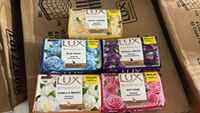
LUX BOTANICALS SOAP 70G ASSORTED (5PCS)
₱123.00
Buy on Lazada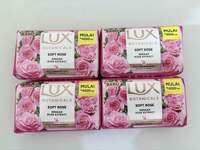
LUX BOTANICALS 70g x 4 SOFT ROSE rose extract (4pcs for ₱99) INFUSED WITH NATURAL EXTRACTS
₱99.00
Buy on Lazada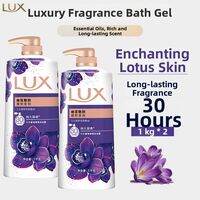
Lux | Long-lasting Fragrance Bath Shower Gel 1kg
₱974.00₱1,371.00
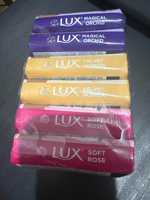
🇸🇬Assorted Original Lux Bath Soap 6pcs/pack
₱215.00
Buy on Lazada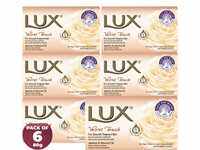
LUX Velvet Touch Soap Pack of 6 80g for Smooth Fragrant Skin Jasmine & Almond Oil
₱199.00
Buy on Lazada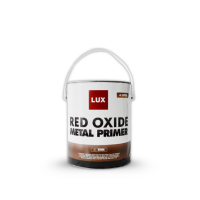
Lux 4L High-Quality Red Oxide Metal Primer with Iron Oxide Pigments for Rust Protection
₱715.00
Buy on Lazada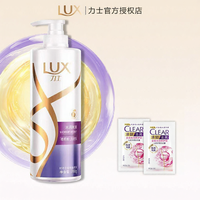
Lux | Osmanthus Fragrant Autumn Moisture Volumizing Long-lasting Fragrance Shampoo 750ml
₱708.00₱1,270.00
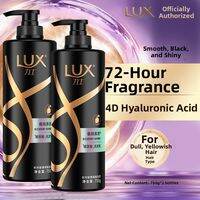
Lux | 72-Hour Long Lasting Fragrance Hyaluronic Acid & Caviar Essence Shampoo 750g
₱1,163.00₱1,305.00
About Lux
Lux is a global personal care and beauty brand owned by Unilever, historically recognised for its beauty soaps and longstanding association with fragrance, glamour, femininity, and celebrity culture. The brand currently offers beauty bars, body washes, and other bath and body products, and is marketed in more than 100 countries.1
Overview
| Category | Information |
|---|---|
| Brand name | Lux |
| Owner | Unilever |
| Industry | Personal care / Beauty |
| Core products | Beauty soap bars, body wash, body care products |
| Origins | Lever Brothers |
| Brand roots | 1899–1900 |
| Lux toilet soap | Introduced in the U.S. in 1925 |
| Current positioning | Beauty, fragrance, self-care, and femininity |
| Global presence | 100+ countries |
| Major markets | South Asia, Southeast Asia, Middle East, Africa, and selected other markets |
| Official website | Lux |
Name
The name Lux originates from the soap flake business of Lever Brothers. Historical records from Unilever indicate that “Lux” was first used as a name for soap flakes around 1900, with the beauty and toilet soap variant subsequently developed and launched internationally.2
The name is commonly associated with the Latin word lux, meaning “light,” and has also been interpreted as evoking concepts of brightness and luxury.
History
Origins: From soap flakes to beauty soap
The history of Lux begins with Lever Brothers, the British soap manufacturer that later became part of Unilever.
Originally, Lux was associated with soap flakes rather than the beauty bars for which it is known today. By the 1920s, Lever Brothers observed that consumers were using the flakes for personal washing in addition to laundry. Historical material from Duke University’s digital collections notes that women used Lux flakes for their hands, baths, babies, and even as shampoo. This consumer behaviour inspired Lever Brothers to develop a dedicated toilet soap.3
The resulting Lux Toilet Soap was launched in the United States in 1925. Unilever’s corporate history records the U.S. launch in 1925 and a subsequent European launch in 1928.4
The product was deliberately positioned as an affordable alternative to expensive French soaps, combining fine fragrance, a luxurious experience, and mass-market affordability.
The Hollywood connection
A defining element of Lux’s history is its relationship with the film industry.
In the late 1920s, Lux’s advertising agency began engaging Hollywood actresses to associate the soap with beauty and glamour. Historical advertising records indicate that the agency sent soap to hundreds of actresses and utilised their endorsements in campaigns. This strategy evolved into the enduring concept that Lux was the soap of Hollywood stars.5
This approach represented a sophisticated marketing strategy for the era. Rather than simply stating that Lux cleansed the skin, advertising effectively communicated that Lux was connected with the beauty of movie stars. This distinction became central to the brand’s identity.
Over the decades, Lux advertisements featured or were associated with numerous prominent actresses, including Elizabeth Taylor, Audrey Hepburn, and Marilyn Monroe, followed later by major stars in Asian, Middle Eastern, and other markets.6
This strategy helped establish one of Lux’s defining characteristics: selling beauty and glamour alongside soap.
Lux and Unilever
Lux originated with Lever Brothers. In 1929, Lever Brothers merged with the Dutch Margarine Unie to form Unilever. Consequently, Lux became part of the multinational consumer goods portfolio that eventually developed into the modern Unilever corporation.7
Today, Lux remains a Unilever brand within its personal care portfolio.
International expansion
Lux gradually expanded from its original Western markets to become a genuinely international beauty brand.
It became particularly significant in South Asia, including India, Pakistan, Bangladesh, Sri Lanka, and Nepal. It is also sold in markets such as Indonesia, Malaysia, Thailand, Japan, Brazil, South Africa, and countries in the Middle East. International brand material states that Lux products reach women in more than 100 countries.8
Marketing was frequently adapted to local cultures. Instead of relying exclusively on Hollywood stars, Lux increasingly collaborated with prominent local actresses, singers, and celebrities. This allowed the brand to maintain a consistent global identity centred on beauty, femininity, and glamour while ensuring cultural relevance in individual countries.
Lux in India
India became one of the most significant markets in Lux’s history. Introduced to the Indian market in 1929, the brand developed a strong association with Bollywood actresses and celebrity beauty culture.
The marketing formula proved highly effective: film stars → beauty → glamour → Lux. Rather than positioning soap merely as a hygiene product, Lux presented bathing as part of a woman’s beauty ritual, helping it become one of the best-known beauty soap brands in the market.
Indian celebrities associated with the brand over the years have included Aishwarya Rai, Katrina Kaif, and Kareena Kapoor.9
Lux in Indonesia
Lux also has a long history in Indonesia. Corporate records from Unilever Indonesia document the introduction of Lux soap in Indonesia as part of the company’s development of its local personal care business.10
Indonesia subsequently became an important market where Lux has been positioned around beauty, fragrance, and feminine self-expression. The Indonesian Lux brand emphasises the concept “Kecantikanku, Kekuatanku” (“My Beauty, My Strength”), describing its purpose as encouraging women to express their beauty confidently and without hesitation.11
Brand positioning
Lux has undergone significant transformation throughout its existence.
Early positioning
The original beauty soap was promoted as being comparable to expensive French soaps while remaining affordable to ordinary consumers, establishing a position of affordable luxury.12
Mid-20th-century positioning
During the mid-20th century, Lux became strongly associated with Hollywood glamour, movie stars, and celebrity beauty standards.
Modern positioning
Today, Lux presents itself less as a simple soap manufacturer and more as a beauty and self-care brand. Its current philosophy centres on the idea that beauty can be a source of confidence and strength, combining beauty, fragrance, and self-expression.13
Products
Although Lux is historically synonymous with beauty soap bars, its portfolio has expanded substantially. Depending on the country, products may include:
- Beauty bars and soap
- Liquid body wash
- Body lotions
- Bath and body products
- Fragrance-focused collections
- Specialised skincare and body care ranges
Product portfolios differ between markets. For example, the Indonesian Lux website highlights soap bars, liquid soap/body wash, and specialised collections, while also promoting the Lux Skin Science line.14
Fragrance as a core identity
Fragrance is a primary characteristic distinguishing Lux from ordinary mass-market soap. Unilever describes fine fragrance as being at the heart of Lux’s bath and body products. The brand has collaborated with major perfumers to create distinctive scents intended to make bathing feel like a luxury beauty ritual.15
This gives Lux a distinct market position as a mass-market product designed to feel luxurious, a concept that has remained consistent since the 1920s.
Celebrity marketing
Celebrity endorsement is perhaps Lux’s most recognisable marketing tradition.
Historical stars
Lux has been associated with Hollywood legends such as Elizabeth Taylor, Audrey Hepburn, Marilyn Monroe, and Lana Turner.
Later international stars
The brand subsequently worked with prominent celebrities across different markets, including Aishwarya Rai, Katrina Kaif, Kareena Kapoor, Shu Qi, Isyana Sarasvati, Dilraba Dilmurat, and Yasmine Sabri. The specific celebrity lineup varies by market and period.16
This strategy has helped Lux maintain its central association with star power and glamour for approximately a century.
Brand philosophy
The modern philosophy of Lux can be summarised as beauty as strength. Rather than treating beauty solely as something judged by others, current communication emphasises beauty as a means for women to express themselves and build confidence.
The official brand story states that bath and body rituals are intended to inspire women to express their beauty and femininity without apology.13 This represents a significant evolution from early advertising:
- 1920s Lux: Use the soap associated with beautiful movie stars.
- Modern Lux: Your beauty belongs to you and can be a source of strength.
Sustainability
Lux operates under Unilever’s broader sustainability strategy. According to Unilever, Lux aims to reduce its virgin plastic footprint and achieve net-zero emissions across its value chain by 2039. As of December 2023, Lux had transitioned its soap and body wash products to 100% NDPE-sourced palm oil (No Deforestation, No Peat, No Exploitation).11
Centenary celebrations
Lux celebrated its 100-year legacy of beauty soap and fragrance in the 2020s, highlighting the longevity of its signature fragrances and its connection to beauty culture.
For its centenary, Lux developed the “Still There” campaign, locating vintage Lux soaps dating back to the 1930s and analysing them for fragrance characteristics. Unilever stated that the project demonstrated that distinctive fragrance qualities could still be detected decades later.14
Corporate identity
It is necessary to distinguish Lux the brand from Unilever the company. Unilever is the multinational consumer goods corporation that owns Lux, while Lux is a consumer-facing beauty and personal care brand within the Unilever portfolio. The corporate lineage follows the path: Lever Brothers → Lux → Unilever → modern Lux beauty/personal care brand.
Historical significance
Lux is significant not only for selling soap for approximately a century but for transforming how personal care products were marketed. Historically, soap advertising emphasised cleanliness and hygiene. Lux popularised an alternative formula: soap + beauty + fragrance + celebrity + aspiration.
Its Hollywood advertising was particularly influential in connecting an everyday mass-market product with the glamorous world of cinema, making the brand an early and highly recognisable example of celebrity-driven beauty marketing.15
Timeline
| Year | Event |
|---|---|
| 1899 | Origins of the Lux brand traced to Lever Brothers’ soap business |
| 1900 | “Lux” begins being used as a name for soap flakes16 |
| 1920s | Consumers increasingly use Lux flakes for personal washing |
| 1925 | Lux Toilet Soap launches in the United States4 |
| 1928 | Lux expands to Europe |
| Late 1920s | Major Hollywood/actress endorsement strategy begins |
| 1929 | Lever Brothers becomes part of Unilever following merger with Margarine Unie |
| 1929 | Lux is introduced in India |
| 20th century | Lux expands throughout Asia, Africa, and other international markets |
| 21st century | Brand expands beyond soap into body wash and broader bath and body care |
| 2020s | Lux emphasises fragrance, skincare, self-care, and female empowerment |
| 2020s | Lux celebrates its century-long fragrance and beauty heritage |
References
- LUX | Unilever
- LUX Story | Lux
- Lever Brothers’ Lux Soap (Flakes) | Digital Collections Blog
- Lux (soap)
- Lever Brothers
- LUX Brand Story | Celebrating Beauty & Femininity | LUX
- Cerita Brand | Lux
- Sabun LUX Batang dan Sabun LUX Cair | Lux
- Lux (sabun) – Ensiklopedia
- A century of sparkle: How LUX became Bangladesh’s beauty icon
- Behind the brand: LUX celebrates its centenary in style | WebWire
- Fragrant Bar Soap, Body Wash and Shower Gel from LUX | LUX India | Lux
- LUX Story | LUX® Arabia
- Lux (soap)
- (PDF) Strategi Promosi Sabun Lux di Jawa, 1929-1941
- Lux (soap) explained