Shop on Lazada
Marumiya products
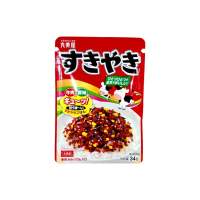
Japan Marumiya Furikake Isoka Nori/Nori Tama/Umami Sake/Sukiyaki/Ajidoraku Flavor- a ready to eat rice mixed seasoning 20g
₱69.00
Buy on Lazada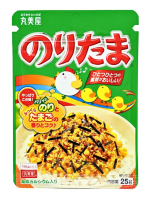
Marumiya Noritama Furikake 25g
₱106.00
Buy on Lazada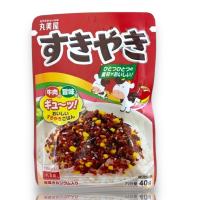
Marumiya Premium Japanese Furikake Rice Seasoning - Traditional Blend of Dried Seaweed & Sesame Multipack Options
₱95.00₱119.00
![[Japan] Marumiya Furikake Japanese Rice Seasonings](https://ph-live.slatic.net/p/313dd35ed36fe810d4c4c0e0965229d8.jpg_200x200q80.jpg)
[Japan] Marumiya Furikake Japanese Rice Seasonings
₱589.00₱650.00
![[MARUMIYA] NORITAMA Furikake Rice Seasoning Baked sushi ingredient](https://ph-live.slatic.net/p/4b11a4d19d2e1f5e6a867b36220e10c4.jpg_200x200q80.jpg)
[MARUMIYA] NORITAMA Furikake Rice Seasoning Baked sushi ingredient
₱588.00
Buy on Lazada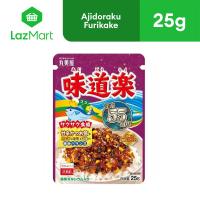
Marumiya Ajidoraku Furikake 25g
₱103.88₱106.00
![[Japan] Marumiya Kamameshi No Moto (Rice Pot Base)](https://ph-live.slatic.net/p/e7d533b1cee8439c447fc45d096f21dc.jpg_200x200q80.jpg)
[Japan] Marumiya Kamameshi No Moto (Rice Pot Base)
₱299.00₱365.00
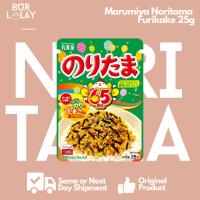
Furikake Marumiya Foods Industry Noritama 25g Rice Seasoning Direct from Japan
₱85.00₱130.00
About Marumiya
Marumiya (Japanese: 丸美屋; commonly written as Marumiya Corporation in English) is a Japanese food manufacturer best known for its furikake (rice seasoning) products, particularly the iconic Noritama (のりたま) blend. The company produces a wide range of convenient Japanese foods, including rice seasonings, seasoning mixes, instant cooking sauces, ochazuke (tea over rice), kamameshi (seasoned rice mixes), and retort foods.1
Founded in the post-war era but tracing its roots to a 1927 food research business, Marumiya has become one of Japan’s most recognizable household food brands by combining traditional Japanese flavours with convenient packaged foods designed for everyday family meals.1
Overview
| Category | Information |
|---|---|
| Japanese name | 丸美屋食品工業株式会社 |
| English name | Marumiya Corporation |
| Industry | Food manufacturing |
| Founded | April 1951 (corporate foundation); origins date to 1927 |
| Headquarters | Suginami, Tokyo, Japan |
| Main products | Furikake, rice seasonings, cooking sauces, ochazuke, retort foods |
| Famous product | Noritama (のりたま) |
| Brand philosophy | Providing convenient food with the taste of Japanese home cooking |
History
Origins (1927–1950s)
The origins of Marumiya date back to 1927, when food researcher Seiichiro Kai established the Marumiya Food Research Institute and released a seasoning product called “Kore wa Umai” (是はうまい, roughly “This is delicious”). This product was an early form of furikake, a dry seasoning sprinkled over rice.1
The original organisation was later dissolved following wartime destruction, but the Marumiya name was revived when Marumiya Food Industrial Co., Ltd. was established in 1951.
Rise of Furikake and Noritama
Marumiya’s commercial breakthrough came in 1960 with the launch of Noritama (のりたま), a furikake made from:
- Egg flakes
- Seasoned seaweed
- Sesame
- Other savoury ingredients
The product became a cultural staple in Japanese households because it offered a simple way to add flavour and nutrition to plain rice. Over subsequent decades, Noritama became one of Japan’s most famous packaged food products and a symbol of school lunches, family meals, and Japanese convenience food culture.1
Following the success of Noritama, Marumiya introduced other well-known furikake varieties, including:
- Sukiyaki (すきやき) — launched in 1963
- Ajidouraku (味道楽) — launched in 1969
- Mixed Wakame (混ぜ込みわかめ) — launched in 1988
Product Categories
Furikake (Rice Seasonings)
Furikake remains Marumiya’s signature category. These products are designed to be sprinkled over rice, noodles, or other dishes. Popular examples include:
- Noritama
- Sukiyaki
- Ajidouraku
- Salmon-flavoured seasonings
- Vegetable and wakame-based blends
Furikake helped transform plain rice into a more flavourful meal while accommodating Japan’s fast-paced lifestyle.
Japanese Cooking Bases
Marumiya expanded beyond furikake into easy-to-prepare Japanese and Chinese-style meal products. Examples include:
- Mapo Tofu Sauce (麻婆豆腐の素)
- Kamameshi seasoning mixes
- Hot pot and rice dishes
- Instant cooking sauces
The company was among the early Japanese manufacturers to popularise packaged cooking bases for home preparation.1
Ochazuke and Rice Products
Marumiya also produces:
- Ochazuke seasoning packets
- Mixed rice seasonings
- Ready-to-use rice-related products
These products continue the company’s focus on the traditional Japanese meal centred around rice.
Brand Identity
Marumiya’s core identity is strongly connected with the concept of “home taste” (家庭の味, katei no aji) — the familiar flavours associated with Japanese family meals. The company emphasises:
- Convenience without sacrificing traditional flavour
- Supporting everyday family dining
- Creating products that make simple meals enjoyable
Its corporate philosophy focuses on creating new food culture while contributing to a richer everyday life through food.1
Manufacturing and Business
Marumiya Corporation operates as a Japanese processed-food manufacturer. Its product range includes:
- Rice seasonings
- Seasoning mixes
- Retort foods
- Cooking ingredients
- Instant meal components
The company headquarters is located in Tokyo, and its production facilities include major manufacturing operations in Japan, such as the Saitama factory.
Cultural Impact in Japan
Marumiya has played an important role in modern Japanese food culture.
Furikake Becoming a Household Item
Before mass-market brands like Marumiya, furikake was often viewed as a specialty seasoning. Marumiya helped make it a common household product used by:
- Children preparing school lunches
- Families making quick meals
- Workers seeking convenient rice dishes
Nostalgia and Everyday Life
Products such as Noritama are often associated with childhood memories in Japan, including:
- Bento lunches
- School meals
- Home breakfasts
- Simple rice dishes
For many Japanese consumers, Marumiya represents a familiar taste of home.
International Presence
Although Marumiya is primarily a Japanese domestic brand, its products are also sold internationally through Japanese supermarkets, Asian grocery stores, and online retailers. Its furikake products have become especially popular among overseas consumers interested in Japanese cuisine.
Major Milestones
| Year | Event |
|---|---|
| 1927 | Marumiya Food Research Institute established; “Kore wa Umai” released |
| 1951 | Marumiya Food Industrial Co., Ltd. founded |
| 1960 | Noritama launched |
| 1963 | Sukiyaki furikake launched |
| 1969 | Ajidouraku launched |
| 1971 | Mapo Tofu Sauce launched |
| 1988 | Mixed Wakame launched |
| 2000s–2020s | Expansion into broader convenient food categories |
Summary
Marumiya is one of Japan’s most influential packaged food brands, best known for making furikake a staple of everyday Japanese dining. Starting from a small seasoning business in 1927, it developed into a major food manufacturer whose products reflect a central idea of Japanese cuisine: making simple rice-based meals flavourful, convenient, and connected to home cooking.1
Today, the name Marumiya is closely associated with Noritama, furikake culture, and the taste of Japanese family meals.