Shop on Lazada
Marvel products
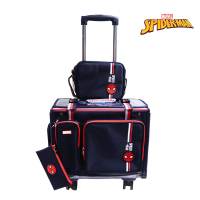
Marvel Spider-Man Box Type Trolley Set – Premium Edition
₱5,999.00
Buy on Lazada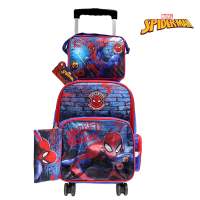
Marvel Spider-Man 16inch Trolley Set
₱3,699.00
Buy on Lazada![[In Stock] Popular Marvel Movie Spider-Man Masks Superhero Spider-Man Handmade Halloween Costume and Role-Playing Mask Christm](https://filebroker-cdn.lazada.com.ph/kf/Sa6005180a89946c89ccd9a66a1687c63J.jpg_200x200q80.jpg)
[In Stock] Popular Marvel Movie Spider-Man Masks Superhero Spider-Man Handmade Halloween Costume and Role-Playing Mask Christm
₱794.89₱1,402.76
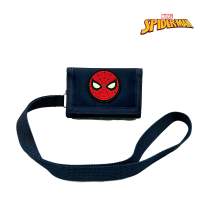
Marvel Spider-Man Kids Wallet with Lanyard – Secure Stylish and Hero-Approved
₱299.00
Buy on Lazada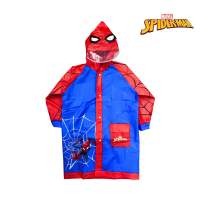
Marvel Spider-Man Red and Blue Kids’ Raincoat
₱899.00
Buy on Lazada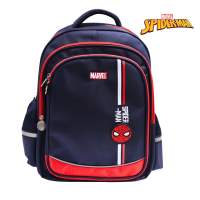
Marvel Spider-Man Premium 16inch School Backpack
₱1,999.00
Buy on Lazada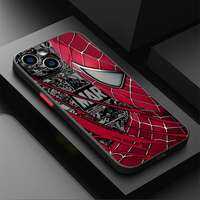
Marvel | Funda Back Phone Cover Case for iPhone 17 Pro Max Air XS XR 11 7 8 SE 13 Mini 15 14 12 16 Plus Marvel Spiderman Deadpool
₱185.10₱329.42

Marvel EJ-500 Semi-In-Ear Wireless Bluetooth Headset Sports Car Design Bluetooth 5.3 Intelligent Noise Reduction High Sound Quality Sports Long Battery Life Iron Man
₱1,742.37₱2,999.00
About Marvel
Marvel is one of the world’s most recognizable entertainment brands, primarily known for its extensive universe of superhero characters, comic books, films, television series, video games, novels, toys, and consumer products. Originally established as a comic book publisher, Marvel has grown into a global multimedia franchise with thousands of fictional characters and stories that have shaped modern popular culture. Today, Marvel operates as part of The Walt Disney Company, with its characters appearing across publishing, film, streaming, gaming, merchandising, and theme park attractions.1
For more information, visit Marvel’s official website at marvel.com.
Basic Information
| Attribute | Details |
|---|---|
| Brand Name | Marvel |
| Founded | 1939 (originally as Timely Publications) |
| Founder | Martin Goodman |
| Headquarters | New York City, United States |
| Industry | Entertainment, Publishing, Media |
| Parent Company | The Walt Disney Company (since 2009) |
| Official Website | Marvel.com |
| Known For | Comic books, Superheroes, Movies, TV Series, Games, Merchandise |
History
The Beginning (1939)
Marvel’s history began in 1939, when publisher Martin Goodman founded Timely Publications. The company’s first comic, Marvel Comics #1, introduced characters including the original android version of the Human Torch and Namor the Sub-Mariner. This issue sold extremely well, establishing the company within the comic industry.
Atlas Comics Era (1950s)
During the 1950s, Timely evolved into Atlas Comics. Rather than focusing solely on superheroes, which saw a temporary decline in popularity after World War II, Atlas published titles across various genres including horror, westerns, romance, science fiction, war stories, and humor.
Birth of Marvel Comics (1961)
The modern Marvel brand officially emerged in 1961. Writer Stan Lee collaborated with artists Jack Kirby and Steve Ditko to create a new generation of superheroes. Their first major success was Fantastic Four #1 (1961). This title fundamentally changed superhero storytelling by introducing flawed, relatable heroes rather than perfect role models.
Marvel’s Golden Age (1960s)
Throughout the 1960s, Marvel rapidly introduced many iconic characters that remain among the most recognizable fictional heroes globally.
Major Heroes
- Spider-Man
- Iron Man
- Hulk
- Thor
- Captain America (revived)
- Doctor Strange
- Daredevil
- Black Panther
- Captain Marvel
- Ant-Man
- Wasp
Teams
- Avengers
- X-Men
- Fantastic Four
- Guardians of the Galaxy
Marvel Universe
One of Marvel’s most significant achievements is the creation of a shared fictional universe. Unlike earlier comics where characters existed in isolation, Marvel characters inhabited the same world. For example, Spider-Man could meet Iron Man, the Hulk could fight Thor, and the X-Men could interact with the Avengers. This interconnected continuity became known as the Marvel Universe.
Comic Book Publishing
Marvel publishes thousands of comic books annually across numerous series and storylines. Its publishing division remains a core component of the brand.1 Major comic categories include:
- Ongoing series
- Limited series
- Graphic novels
- One-shot issues
- Digital comics
Marvel Studios
In the 2000s, Marvel expanded significantly into filmmaking. Marvel Studios took responsibility for producing superhero films based on Marvel characters, launching the Marvel Cinematic Universe (MCU). The franchise began with Iron Man (2008), starring Robert Downey Jr., which became a worldwide success.
Marvel Cinematic Universe (MCU)
The MCU stands as one of the highest-grossing film franchises in history, consisting of interconnected films and Disney+ television series. Major phases include Phase One through Phase Six (ongoing). Popular films in the franchise include:
- Iron Man
- The Avengers
- Captain America: The Winter Soldier
- Black Panther
- Avengers: Infinity War
- Avengers: Endgame
- Spider-Man: No Way Home
Television
Marvel has produced numerous television shows spanning decades. Classic series include Spider-Man (1967), X-Men: The Animated Series, and Spider-Man (1994). Modern productions include WandaVision, Loki, Moon Knight, Daredevil, Hawkeye, Ms. Marvel, and Secret Invasion.
Animation
Marvel has created animated series for decades. Popular examples include Spider-Man and His Amazing Friends, X-Men ’97, What If…?, and Avengers Assemble.
Video Games
Marvel characters appear in numerous video games, including:
- Marvel’s Spider-Man
- Marvel’s Spider-Man 2
- Marvel Rivals
- Marvel Ultimate Alliance
- Marvel vs. Capcom
- LEGO Marvel Super Heroes
Major Characters
Marvel possesses a library of more than 8,000 characters, making it one of the largest collections of fictional characters in entertainment.1
Heroes
- Spider-Man
- Iron Man
- Captain America
- Thor
- Hulk
- Black Widow
- Wolverine
- Doctor Strange
- Black Panther
- Scarlet Witch
- Deadpool
- Captain Marvel
Villains
- Thanos
- Loki
- Green Goblin
- Doctor Doom
- Magneto
- Ultron
- Venom
- Red Skull
- Kang the Conqueror
- Kingpin
Publishing and Licensing
Licensing constitutes a significant portion of Marvel’s business model.1 The brand licenses its characters across a wide range of products, including:
- Toys
- Clothing
- Video games
- Theme park attractions
- School supplies
- Home décor
- Books
- Collectibles
- LEGO sets
- Statues
Disney Acquisition
In 2009, The Walt Disney Company acquired Marvel Entertainment for approximately US$4 billion. This acquisition greatly expanded Marvel’s reach in film, television, streaming, consumer products, theme parks, and global marketing.2
Brand Identity
Marvel is recognized for its superhero storytelling, interconnected fictional universe, character-driven narratives, action, adventure, science fiction, fantasy, humor, moral dilemmas, and themes of heroism and sacrifice. Its visual identity centers on the iconic red-and-white “MARVEL” logo, which appears across comics, films, games, and merchandise.
Global Impact
Marvel has exerted a major influence on comic book publishing, Hollywood filmmaking, streaming entertainment, pop culture, fashion, gaming, fan conventions, and the merchandise and collectibles market. The brand has inspired generations of readers and viewers worldwide, creating characters that have become enduring cultural icons.
Interesting Facts
- Marvel’s roots trace back to 1939 as Timely Publications.
- The modern Marvel era began with Fantastic Four #1 in 1961.
- Stan Lee, Jack Kirby, and Steve Ditko were instrumental in shaping many of Marvel’s best-known heroes.
- The Marvel Cinematic Universe pioneered a large-scale, interconnected film franchise model.
- Marvel’s character library includes over 8,000 characters.1