Shop on Lazada
McFarlane products
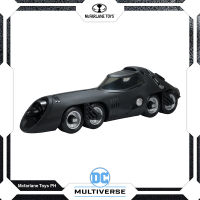
McFarlane DC Theatrical Vehicles – Bat M*ssile (Batman Returns)
₱7,499.00
Buy on Lazada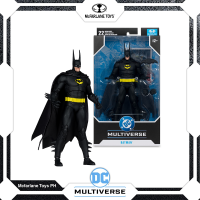
Mc Farlane DC MULTIVERSE: BATMAN (TROIKA)
₱1,699.00
Buy on Lazada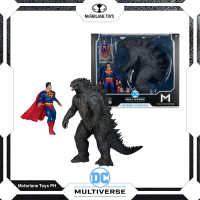
Mc Farlane DC JUSTICE LEAGUE MONSTER VERSE 2PACK: SUPERMAN VS GODZILLA
₱5,299.00
Buy on Lazada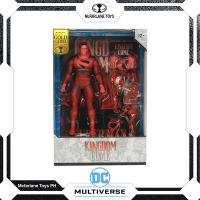
Mc Farlane DC MULTIVERSE: COVER RECREATIONS - SUPERMAN (KINGDOM COME) GL
₱2,199.00
Buy on Lazada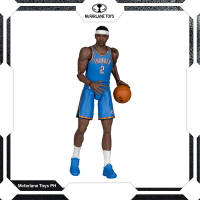
Mcfarlane Nba 6In Articulated Wv1: Shai Gilgeous-Alexander (Oklahoma City Thunder) Action Figure
₱1,799.00
Buy on Lazada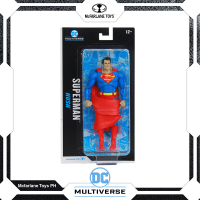
Mc Farlane DC MULTIVERSE: SUPER MAN (HUSH)(BLISTER CARD)
₱1,199.00
Buy on Lazada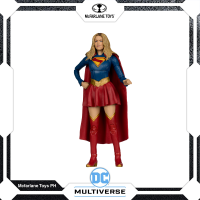
Mcfarlane Toys Dc Multiverse: Supergirl (Supergirl Movie)
₱1,699.00
Buy on Lazada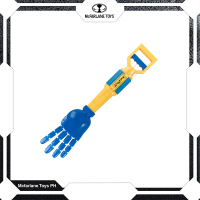
Mcfarlane Toys Poppy Playtime Grabber Hands Wv1: Grab Pack Blue
₱1,599.00
Buy on LazadaAbout McFarlane
McFarlane Toys is an American manufacturer of collectible toys and action figures established in 1994 by comic-book artist and entrepreneur Todd McFarlane, best known as the creator of Spawn. The company reshaped the modern action-figure market by prioritising highly detailed sculpting, realistic character likenesses, elaborate paint applications, and collector-oriented presentation. While it began primarily with Spawn figures, it has since expanded into licensed characters from comics, films, television, video games, anime, sports, music, and fantasy franchises.1
Today, McFarlane Toys is headquartered in Tempe, Arizona, with additional offices in Los Angeles, Las Vegas, and Montreal. The company describes itself as a global toy manufacturer and an industry leader in the action-figure and collectibles category.2
Quick facts
| Category | Information |
|---|---|
| Company | McFarlane Toys |
| Founded | 1994 |
| Founder | Todd McFarlane |
| Original name | Todd Toys / Todd’s Toys |
| Headquarters | Tempe, Arizona, United States |
| Industry | Toys, action figures, collectibles |
| Parent/associated company | Todd McFarlane Productions |
| Best known for | Spawn, DC figures, Movie Maniacs, sports figures, video-game figures |
| Signature characteristics | Detailed sculpting, character likenesses, elaborate paint applications, collector-focused designs |
| Current focus | Action figures, statues, collectibles, playsets, construction sets and licensed merchandise |
Origins
McFarlane Toys emerged directly from Todd McFarlane’s success in the comic-book industry.
McFarlane gained prominence during his work on Marvel’s The Amazing Spider-Man, where his distinctive artwork helped make the title one of Marvel’s major successes. He subsequently became one of the creators behind Venom before leaving Marvel to establish his own creator-owned publishing company.
In 1992, McFarlane co-founded Image Comics and launched Spawn, a supernatural superhero comic that he created and owned.
Spawn was an enormous commercial success. Its debut issue sold approximately 1.7 million copies, creating a substantial fan base and, crucially, a ready market for merchandise.3
This commercial momentum eventually led McFarlane into the toy business.
Founding of the company
In 1994, Todd McFarlane established his own toy company.
The original name was Todd Toys. McFarlane had been working with Mattel on figures based on his comic characters but was dissatisfied with how the products were being developed. Rather than accept output he felt did not meet his artistic standards, he decided to establish his own manufacturing operation.4
The company’s first major products were Spawn action figures.
The approach differed substantially from the traditional children’s action-figure market. McFarlane wanted the figures to resemble the artwork and characters that collectors saw in comics rather than simplified toys designed primarily for children.
That philosophy became one of the foundations of the company’s identity.
From Todd Toys to McFarlane Toys
The company was initially called Todd Toys, but this name did not last.
Mattel objected to the name because of the potential association with Todd, a character and doll in the Barbie product family. Consequently, McFarlane changed the company name to McFarlane Toys in 1995.5
The new name also carried an important commercial advantage: it connected the toy company directly with the established Todd McFarlane brand.
The McFarlane philosophy
One of the most significant contributions McFarlane Toys made to the collectible-figure industry was changing expectations about what an action figure could be.
Traditional action figures were generally designed around:
- Playability
- Simple sculpting
- Large amounts of articulation
- Bright, child-friendly presentation
- Relatively inexpensive production
McFarlane approached the product differently. The company concentrated heavily on:
- Sculpt quality
- Fine surface detail
- Accurate character likenesses
- Complex costumes
- Realistic anatomy
- Paint applications
- Accessories
- Displayability
- Collector packaging
McFarlane’s own account of the company’s history emphasises its early efforts toward highly articulated figures and more sophisticated colouration, describing these as innovations that helped establish its distinctive visual identity.6
The result was a figure that could function almost as a miniature collectible statue, rather than merely as a toy.
Spawn: the foundation of the brand
Spawn remains the most important property in McFarlane Toys’ history.
The character was created by Todd McFarlane and became the company’s original flagship licence and property.
The early Spawn figures established many characteristics that would later become synonymous with McFarlane:
- Large, dramatic poses
- Highly detailed costumes
- Elaborate weapons
- Chains, capes and other sculpted elements
- Dark fantasy and horror aesthetics
- Extensive paint work
- Collector-oriented packaging
The success of Spawn demonstrated that there was a significant market for adult-oriented and collector-oriented action figures.
McFarlane Toys subsequently began applying the same philosophy to characters and properties outside Spawn.7
Expansion beyond Spawn
After establishing itself through Spawn, McFarlane Toys expanded rapidly into licensed properties. Its catalogue eventually covered several major categories.
Comics
The company produced figures based on characters from various comic publishers and properties, including:
- Spawn
- DC Comics
- Marvel
- Image Comics properties
- Hellboy
- BRZRKR
Movies and television
McFarlane became particularly recognisable for its film and television collectibles. Examples have included:
- The Terminator
- Friday the 13th
- A Nightmare on Elm Street
- The Texas Chainsaw Massacre
- The Walking Dead
- Game of Thrones
- House of the Dragon
- Avatar
- IT
- Dune
Its Movie Maniacs line became particularly important because it brought together characters from horror and science-fiction cinema.9
Video games
The company also developed an extensive video-game portfolio. Past and current properties have included titles such as:
- Halo
- Mortal Kombat
- Fallout
- DOOM
- Diablo
- Assassin’s Creed
- Five Nights at Freddy’s
- Destiny
- Call of Duty
- Fortnite
- God of War
- Warhammer 40,000
- Demon Slayer
- Persona 3 Reload
- Helldivers
Its official catalogue currently lists numerous gaming properties alongside comic, movie, anime, and sports licences.8
Movie Maniacs
One of McFarlane Toys’ most recognisable historical lines was Movie Maniacs.
The concept was relatively straightforward: take famous characters from films—particularly horror and science fiction—and turn them into highly detailed collector figures.
Characters associated with the line included:
- Freddy Krueger
- Jason Voorhees
- Michael Myers
- Leatherface
- The Terminator
- The Thing
This helped cement McFarlane’s reputation among adult collectors and horror fans, rather than positioning it solely as a children’s toy manufacturer.9
Sports figures
McFarlane also developed a major presence in sports collectibles.
Its sports business became known as McFarlane SportsPicks, launched in the early 2000s. The company has produced figures representing professional athletes and sports properties across areas including:
- NFL
- MLB
- NBA
- NHL
- NASCAR
The sports figures emphasised realistic player likenesses, uniforms, and equipment.10
The company’s current catalogue continues to include sports properties such as MLB, NFL, and NHL.11
DC Multiverse
One of the most important developments in modern McFarlane Toys history was its relationship with DC.
McFarlane took over production of the DC Multiverse action-figure line in 2020, following Mattel’s period of producing the line.12
Under McFarlane, the line became strongly associated with figures generally around the 7-inch scale, detailed sculpts, extensive articulation, and a collector-focused presentation.
The range has covered characters from:
- DC comics
- Movies
- Animation
- Television
- Video games
- Alternate universes and special interpretations
DC has consequently become one of the central pillars of McFarlane’s modern business.
DC Direct
McFarlane’s relationship with DC expanded beyond DC Multiverse.
In 2021, McFarlane Toys announced that it would take over management of remaining DC Direct inventory and continue producing statues, busts, and other collectible products associated with DC Direct.11
This was significant because DC Direct had historically been an important name in the premium comic-book collectible market. It allowed McFarlane to operate across multiple levels of the DC collectibles market rather than concentrating exclusively on traditional action figures.
The evolution of articulation
McFarlane Toys’ reputation has changed considerably over time.
Early McFarlane figures
Early figures were often praised for their sculpting and detail, but articulation could be relatively limited. Many figures were designed more like posable statues than highly articulated toys. This was a deliberate trade-off: McFarlane prioritised appearance and presentation.
Later McFarlane figures
Over time, articulation became increasingly important. A particularly significant turning point was the company’s Fortnite line.
The Fortnite figures introduced substantially greater articulation, with some figures featuring at least 18 points of articulation. The success of this approach influenced subsequent McFarlane products.16
Modern McFarlane figures therefore tend to combine the company’s traditional emphasis on sculpting with much more sophisticated articulation.
Current product range
McFarlane is no longer simply an “action-figure company”. Its official catalogue currently includes several different product categories:
- Action figures
- Bendable figures
- Collectibles
- Construction sets
- Gold Label Series
- McFarlane Collector Edition
- Cover recreations
- Metal pins
- Playsets
- PVC statues
- Posed figures
- Prop replicas
- Apparel14
This reflects the company’s transition from a conventional toy manufacturer toward a much broader pop-culture collectibles company.
Major current properties
As of 2026, McFarlane’s official catalogue includes a particularly broad selection of franchises. Notable ones include:
DC
- DC Multiverse
- DC Retro
- DC Super Powers
- DC Direct
McFarlane/creator-owned
- Spawn
- Savage Dragon
- Image Comics Founders
- Page Punchers
Video games
- Mortal Kombat
- Fallout
- DOOM
- Diablo IV
- God of War Ragnarök
- Persona 3 Reload
- Helldivers
- Warhammer 40,000
- World of Warcraft
Anime/manga
- Demon Slayer
- BLEACH: Thousand-Year Blood War
Film/television
- Avatar
- Dune
- Game of Thrones / House of the Dragon
- IT
- The Walking Dead
- Pacific Rim
- Hellboy
Other
- Marvel
- Transformers
- Teenage Mutant Ninja Turtles
- NFL
- NHL
- MLB
The exact licensing portfolio changes over time, so these should be viewed as a snapshot rather than a permanent list.15
Gold Label
Gold Label is one of McFarlane’s collector-oriented branding concepts. It is generally associated with more specialised, premium, limited, exclusive, or unusual releases.
Gold Label products can include:
- Alternate versions
- Exclusive character designs
- Special paint schemes
- Premium releases
- Unusual character selections
- Special editions
The branding allows McFarlane to distinguish certain products from its standard releases.
McFarlane Collector Edition
Another important modern concept is the McFarlane Collector Edition. These products emphasise the collector market rather than traditional toy-store play. The company’s current catalogue uses Collector Edition alongside its other premium and specialised product categories.14
Page Punchers
Page Punchers is another distinctive McFarlane concept. Rather than selling only a figure, the format combines a character figure with a comic-book component.
This concept is particularly appropriate for comic-book properties because it connects the physical collectible back to the medium from which many of the characters originated. The idea also reflects McFarlane’s position at the intersection of comics and toys.19
McFarlane and Hasbro
McFarlane has also expanded into properties historically associated with Hasbro.
In 2023, McFarlane Toys and Hasbro announced a multi-brand licensing agreement involving properties including:
- Transformers
- G.I. Joe
- Power Rangers
- Dungeons & Dragons21
This represented another expansion of McFarlane’s licensing portfolio.
Design philosophy
If there is one characteristic that distinguishes McFarlane from many competing action-figure manufacturers, it is sculptural detail.
A McFarlane figure typically attempts to reproduce elements such as:
- Individual clothing folds
- Armour textures
- Facial features
- Hair
- Weapons
- Belts and straps
- Logos
- Creature anatomy
- Small mechanical components
The company’s own description emphasises detailed character likenesses and accessories designed to correspond to the character’s world, whether that world is a film, television series, comic, or video game.20
In simple terms:
McFarlane tends to treat an action figure as a collectible sculpture that happens to be poseable.
That philosophy has become one of the brand’s defining characteristics.
Target audience
McFarlane’s audience has evolved significantly. The company’s original Spawn figures already appealed strongly to teenagers and adult comic collectors rather than exclusively to young children.
Today its audience can broadly be divided into:
Casual fans
People who simply want a figure of a favourite character.
Action-figure collectors
Collectors interested in scale, articulation, accessories, and display.
Comic collectors
Especially fans of DC, Spawn, and other comic properties.
Horror collectors
Fans of Movie Maniacs, horror films, and related characters.
Video-game collectors
Fans of franchises such as Mortal Kombat, Fallout, DOOM, and Warhammer.
Sports collectors
Fans collecting player figures and sports memorabilia.
Adult display collectors
People who buy figures primarily for display rather than play.
Influence on the toy industry
McFarlane Toys is significant because it helped popularise the idea that action figures could be serious collectibles.
During the 1990s, the company contributed to a broader transformation in the industry:
Old model:
Toy → primarily designed for children → relatively simple → played with
Emerging collector model:
Action figure → detailed collectible → adult/teen audience → displayed and collected
McFarlane was not solely responsible for this transition—companies such as Kenner, Hasbro, and Toy Biz also played major roles—but McFarlane became one of its most recognisable representatives.
Its success demonstrated that consumers would pay attention to:
- Sculpt quality
- Character accuracy
- Packaging
- Paint applications
- Limited editions
- Variant figures
- Franchise authenticity
Relationship with Todd McFarlane
Unlike many large toy manufacturers, McFarlane Toys is closely associated with its founder’s personal creative identity.
Todd McFarlane remains an important figure within the company and its broader corporate ecosystem. McFarlane’s official biography describes him as the creator of Spawn and a Grammy- and Emmy-winning producer/director, while the company continues to identify his creative influence as central to its history.13
The company also remains privately owned rather than being one of the major publicly traded toy conglomerates. McFarlane’s 2024 anniversary announcement emphasised that it had remained privately owned throughout its history.14
30th anniversary
McFarlane Toys celebrated its 30th anniversary in 2024.
The company used the anniversary to highlight its evolution from a small business built around Spawn into an international collectibles company with licences covering comics, film, television, games, sports, and other forms of popular culture.2
That 30-year history is particularly notable because McFarlane has survived while remaining closely associated with its original founder and creative philosophy.
Corporate identity
McFarlane’s brand identity can be summarised through several recurring themes:
Detail — extremely elaborate sculpting and paint work.
Collectibility — products are frequently designed to be displayed and collected.
Pop culture — licences span comics, movies, games, anime, sports, and television.
Creator influence — Todd McFarlane’s artistic background remains central.
Dark/fantasy aesthetics — particularly evident in the company’s Spawn and horror heritage.
Franchise variety — McFarlane is willing to move between radically different genres.
Accessibility — despite producing premium collectibles, many of its standard figures occupy the mass-market action-figure space rather than exclusively competing with ultra-premium statue manufacturers.22
Major milestones
| Year | Milestone |
|---|---|
| 1992 | Spawn debuts and becomes a major comic-book success |
| 1994 | Todd McFarlane establishes Todd Toys |
| 1995 | Company becomes McFarlane Toys |
| Late 1990s | Expansion into movies, horror, music, sports and other licensed properties |
| 1998 | Movie Maniacs becomes a major part of the brand’s identity |
| 2001 | McFarlane SportsPicks expands the company’s sports business |
| 2000s | Expansion into major video-game licenses including Halo and others |
| 2010s | Continued expansion across games, television and film |
| 2018 | Fortnite figures introduce significantly greater articulation |
| 2020 | McFarlane takes over the DC Multiverse action-figure line |
| 2021 | McFarlane expands its DC Direct involvement |
| 2023 | Hasbro licensing agreement expands McFarlane’s portfolio |
| 2024 | McFarlane Toys celebrates its 30th anniversary |
| 2026 | Company continues producing figures and collectibles across DC, Spawn, games, anime, movies, sports and other franchises |
Comparative profile
The easiest way to understand McFarlane is to compare its historical priorities with those of conventional action-figure companies.
| Feature | McFarlane’s traditional emphasis |
|---|---|
| Sculpt | ⭐⭐⭐⭐⭐ |
| Paint/detail | ⭐⭐⭐⭐⭐ |
| Character likeness | ⭐⭐⭐⭐⭐ |
| Display value | ⭐⭐⭐⭐⭐ |
| Articulation | ⭐⭐⭐⭐ — especially in modern lines |
| Accessories | ⭐⭐⭐⭐ |
| Collector appeal | ⭐⭐⭐⭐⭐ |
| Children’s play focus | ⭐⭐⭐ |
| Variety of licenses | ⭐⭐⭐⭐⭐ |
The important caveat is that modern McFarlane is considerably more articulated than the company’s early reputation suggests. Fortnite and subsequent lines helped shift the company toward a better balance between sculpting and poseability.17
Legacy
McFarlane Toys’ greatest legacy is arguably its role in helping turn the action figure into a mainstream collectible category.
The company took an object traditionally associated with children’s toys and pushed it toward:
comic-book art → miniature sculpture → licensed collectible → display piece
Its influence can be seen in the way modern action figures increasingly emphasise:
- Photorealistic likenesses
- Highly developed sculpts
- Multiple accessories
- Specialised paint applications
- Collector packaging
- Character-specific designs
- Variant releases
- Premium editions
- Franchise accuracy
McFarlane itself describes its history as one of setting new standards in action-figure design, and its three-decade expansion from Spawn into hundreds of pop-culture properties illustrates the scale of that evolution.18
References
- About Us
- GROUNDBREAKING MCFARLANE TOYS CELEBRATE 3OTH YEAR OF INNOVATION IN THE TOY INDUSTRY
- McFarlane Toys
- Action Figure, McFarlane.com :: The home all things Todd McFarlane
- Games, McFarlane.com :: The home all things Todd McFarlane
- DC Multiverse (toy line)
- In Stores Now, McFarlane.com :: The home all things Todd McFarlane
- McFarlane Toys – Wikidata
- McFarlane.com :: The home all things Todd McFarlane
- McFarlane Toys – Wikisimpsons, the Simpsons Wiki
- McFarlane Toys and Warner Bros. Discovery Global Consumer Products Announcement
- McFarlane Toys – Halopedia, the Halo wiki
- McFarlane Toys – Bandai
- Available Now, McFarlane.com :: The home all things Todd McFarlane
- DC Multiverse, McFarlane.com :: The home all things Todd McFarlane
- Action Figure, McFarlane.com :: The home all things Todd McFarlane
- DC Super Powers, McFarlane.com :: The home all things Todd McFarlane
- DC Retro, McFarlane.com :: The home all things Todd McFarlane
- Comics
- Horror & Fantasy, McFarlane.com :: The home all things Todd McFarlane
- McFarlane.com :: The home all things Todd McFarlane
- McFarlane Toys Store Brands