Shop on Lazada
Neewer products
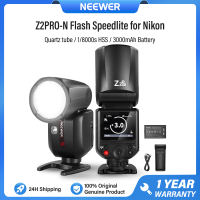
NEEWER Z2PRO 2.4G TTL Round Head Flash Speedlite for Canon Sony Nikon Fujifilm Camera Upgrade Quartz Tube 76Ws 1/8000s HSS Camera Flash
₱9,373.24₱12,660.00
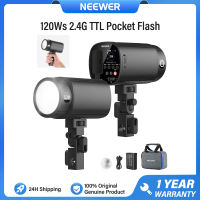
NEEWER 120Ws 2.4G TTL Outdoor Pocket Flash Strobe Portable Studio Speedlite 1/8000s HSS Monolight with Modeling Light Q120
₱10,837.82₱14,380.00
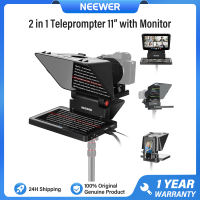
NEEWER 2 in 1 Teleprompter 11“ with Monitor for DSLR Smartphone Webcam X11
₱13,415.22₱17,740.00
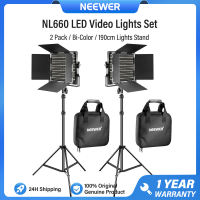
NEEWER 2 Pack Bi Color LED Video Light with Light Stand Kit 190cm Lights Tripod 3200-5600K CRI 96+ NL660
₱16,996.78₱22,100.00
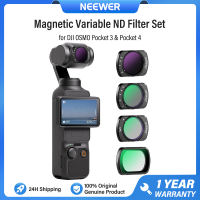
NEEWER Magnetic Variable ND Filter Set for DJI OSMO Pocket 4 & Pocket 3 UV CPL ND2-32 ND64-512 VND Black Mist Diffusion Camera Lens Filter Kit
₱1,553.24₱2,307.00
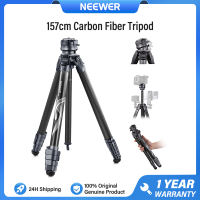
NEEWER LITETRIP 157cm Carbon Fiber Travel Tripod with ±15° Leveling 360° Panorama Head LT32
₱14,706.03₱19,830.00
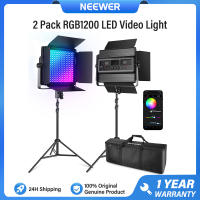
NEEWER 2 Pack RGB1200 LED Video Light Kit with APP Control 60W Photography Studio Video Lighting Set
₱27,823.01₱41,600.00
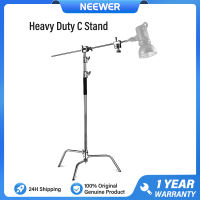
NEEWER 320cm Stainless Steel Heavy Duty C Stand with Boom Arm
₱14,055.47₱18,680.00
About Neewer
Neewer (often stylised as NEEWER) is a Chinese photography and video equipment brand headquartered in Shenzhen, Guangdong, China. Founded in 2011, the company has evolved from an accessory-focused business into a broad manufacturer of photographic and video gear sold internationally.1 It is best known for producing relatively affordable lighting, camera support equipment, flashes, tripods, video accessories, and creator-oriented tools.1
The brand’s current positioning is summarised by its slogan, “You create, we illuminate.”1 While lighting remains central to its identity, Neewer now covers much of the photography and video production workflow, including camera accessories, studio equipment, audio gear, power solutions, monitoring devices, and mobile content creation products.1
Quick facts
| Category | Information |
|---|---|
| Brand | Neewer |
| Chinese name | 纽尔 |
| Founded | 2011 |
| Origin | Shenzhen, Guangdong, China |
| Industry | Photography, videography and content-creation equipment |
| Main focus | Lighting, camera accessories, tripods, video equipment and creator gear |
| Known for | Affordable photography/video equipment, particularly lighting and support gear |
| Major markets | North America, Europe, Asia-Pacific and other international markets |
| Official website | neewer.com |
| Parent/manufacturing information | Shenzhen Neewer Technology Co., Ltd. is identified by the company as its manufacturer; its Chinese corporate site describes it as a Shenzhen-based integrated design, R&D, manufacturing and sales company.2 |
Brand overview
Neewer is essentially a camera accessories and imaging equipment company that has evolved into a full creator-gear brand.1 Its original identity was strongly associated with inexpensive photography accessories, particularly flashes, stands, umbrellas, softboxes, triggers, and other studio equipment. Over time, the company expanded into more sophisticated products such as LED and COB video lights, RGB lighting, professional tripods, camera cages, monitors, microphones, V-mount batteries, teleprompters, and motorised camera equipment.1
This trajectory distinguishes Neewer from traditional camera manufacturers such as Canon, Nikon, or Sony. Neewer generally does not compete by manufacturing camera bodies; instead, it builds the ecosystem around the camera.1 A typical production setup using the brand might include a Sony or Canon camera paired with a Neewer tripod, cage, monitor, COB light, softbox, microphone, and V-mount battery. This “whole production setup” strategy has become a defining part of the company’s identity.
History
2011: Foundation
Neewer dates its establishment to 2011. According to the company’s history, it began with a professional on-camera flash, establishing photography equipment as its initial core business.2 Independent accounts note that before becoming primarily known as a manufacturer, the business had been involved in reselling cameras and electronics, and that the Neewer trademark was introduced in 2011 for photographic and video accessories.3 The company subsequently moved towards greater in-house engineering and product development.
2014–2016: Expansion and streaming
By 2014, Neewer had expanded into mainstream markets in Europe, the Americas, Asia, and the Pacific.2 In 2015, the company entered the growing video streaming market, introducing products designed for video recording and online content creation.2 This positioned Neewer beyond traditional still photography. In 2016, it launched its first major ring light, which quickly became a bestseller.2 Ring lights subsequently became one of the categories most strongly associated with the brand, particularly among YouTubers, beauty creators, streamers, and home studio users.
2017–2019: Manufacturing and connectivity
By 2017, Neewer had established a comprehensive production base and laboratory and received recognition as a Chinese National High-Tech Enterprise.2 The company states that its global user base surpassed 100 million in 2018, though this is a corporate claim rather than an independently audited statistic.2 In 2019, Neewer developed its own smartphone application, initially focused on enabling wireless control of its lighting products, marking a transition from simple mechanical accessories towards connected lighting systems.2
2020–2023: Patents and design recognition
Neewer states it received National High-Tech Enterprise recognition again in 2020 and had accumulated more than 300 technical patents by 2021.2 In 2022, the brand participated in exhibitions including CES, NAB, WPPI, and IBC, increasing its visibility within the professional imaging and broadcast industries.2 Two Neewer products, the Q4 outdoor flash and GL1 gaming light, received iF Design Awards in 2023.2
2024–present: Moving upmarket
In recent years, Neewer has increasingly introduced products aimed above the traditional entry-level accessory segment. Its current catalogue includes high-output COB video lights, RGBWW studio lights, professional LED panels, carbon fibre travel tripods, motorised camera sliders, field monitors, teleprompters, wireless microphones, V-mount batteries, and camera cages and rigs.1 This represents a considerably broader product strategy than the inexpensive flashes and stands with which the brand originally became known.
Product range
Lighting
Lighting is arguably Neewer’s most important category. Products include LED panel lights, COB lights, RGB/RGBWW lights, bi-colour lights, ring lights, tube lights, studio flashes, camera flashes, mini lights, beauty lights, portable lights, and smart lights.1 The company also sells equipment used to modify and support lighting, including softboxes, reflectors, umbrellas, light stands, C-stands, background systems, lighting gels, and sandbags.1
Tripods and camera support
Tripods have become another major Neewer category. The company sells travel tripods, carbon fibre tripods, aluminium tripods, video tripods, monopods, tripod heads, geared heads, fluid heads, mini tripods, selfie sticks, and overhead camera mounts.4 Independent testing suggests that newer Neewer tripods can compete well with established brands in terms of value and design. Digital Camera World praised the Neewer LiteTrip LT38 for its carbon fibre construction, portability, stability, and resistance to vibration.4 However, reviews also demonstrate that quality varies; a 2026 field test of the LT32 identified limitations involving its quick-release system and stability under particular conditions.5 Individual products therefore need to be evaluated on their own merits.
Camera rigs and accessories
Neewer has expanded substantially into filmmaking accessories. Its catalogue includes camera cages, shoulder rigs, handles, stabiliser rigs, monitor mounts, phone cages, phone cases, camera mounts, quick-release plates, action camera accessories, car mounts, and accessories for DJI, GoPro, and Insta360 devices.1 This places Neewer in competition with specialist accessory companies such as SmallRig and Ulanzi in various categories.
Video production equipment
Neewer’s newer product strategy increasingly resembles a complete video production ecosystem. The company sells field monitors, teleprompters, camera sliders, microphones, wireless microphones, V-mount batteries, battery grips, camera bags, video lights, C-stands, and studio accessories.2 Current catalogue items include the F700 7-inch camera monitor, X11 teleprompter/monitor system, ER1 motorised camera slider, and various V-mount power systems.1
Smartphone and creator market
One of Neewer’s significant strategic shifts has been its movement beyond conventional cameras to target YouTubers, TikTok creators, livestreamers, podcasters, Instagram creators, smartphone photographers, beauty creators, gamers, and home studio users.2 Its product catalogue contains smartphone cages, phone lenses, phone filters, phone lights, selfie sticks, phone microphones, magnetic mounts, and vlogging equipment. This aligns with the growth of creator culture, which has expanded the market for lighting and camera accessories far beyond professional photographers.
Market positioning
Neewer’s historical advantage has been price-to-performance. It has traditionally occupied a space where it is more affordable than many established professional brands while increasingly producing equipment capable of serious photography and video work.4 Early products were particularly attractive to beginners because an entire basic studio could be assembled for relatively little money. Independent reviews continue to emphasise this value proposition, with publications describing recent Neewer products as well-designed equipment at attractive prices.4
Historically, Neewer had a reputation among photographers as a budget accessory manufacturer. While not necessarily negative, the brand has gradually attempted to move upward. Newer products increasingly feature higher-power LEDs, RGB colour control, app control, wireless connectivity, LCD/TFT displays, metal construction, carbon fibre, advanced tripod mechanisms, professional mounting systems, V-mount power, DMX and 2.4 GHz control, and more sophisticated optical and electronic designs.2 The current lighting range extends from inexpensive portable lights to high-output 600W and 1200W-class studio lights. Reviewers have noted this evolution, with Fstoppers observing in 2024 that newer products represented a significant improvement in engineering and build quality over earlier perceptions of the brand.3
Technology and software
Neewer is no longer exclusively a mechanical accessory company. Its Neewer app allows users to control compatible lighting products wirelessly.2 Some current lights support combinations of smartphone control, 2.4 GHz control, DMX, onboard controls, and wireless triggering. This functionality is particularly useful for video studios where multiple lights need to be adjusted without physically walking between them.
Design philosophy
Neewer describes itself as a brand focused on making professional-grade creative tools more accessible. Its stated philosophy emphasises quality, innovation, and accessibility rather than simply competing on the lowest possible price.2 The company has increasingly invested in industrial design; the 2023 iF Design Awards for its Q4 flash and GL1 gaming light exemplify its attempt to establish design credibility alongside technical specifications.2
Manufacturing and corporate structure
Neewer is fundamentally a Chinese technology and manufacturing company. Its Chinese corporate website identifies Shenzhen Neewer Technology Co., Ltd. (深圳市纽尔科技有限公司) as a Shenzhen-based company engaged in design, R&D, manufacturing, and sales.2 It states the company has branches or subsidiaries in the United States, United Kingdom, Germany, and other parts of mainland China, with business covering more than 100 countries and regions. International sites provide further corporate detail; for example, the Australian Neewer site identifies Shenzhen Xing Ying Da Industry Co., Ltd. as the brand owner and Shenzhen Neewer Technology Co., Ltd. as the manufacturer, stating that the latter owns 100% of the former.6 Consequently, Neewer is best understood as a brand rather than simply the name of a single product manufacturer.
User base
Neewer’s audience has expanded considerably across several segments:
- Beginners: The brand is attractive to those purchasing their first flash, tripod, light, softbox, microphone, or camera cage due to accessible pricing.
- Enthusiasts: Hobbyist photographers and filmmakers use Neewer equipment for portrait, product, landscape, studio, macro photography, YouTube, streaming, and filmmaking.
- Content creators: This is one of the company’s fastest-growing target markets. Ring lights, RGB lights, microphones, smartphone rigs, and compact tripods are particularly suited to home studios and social media production.
- Professional users: Some products are clearly aimed at professionals, particularly higher-end lighting, tripods, camera rigs, monitors, and power products. However, “professional product” should not automatically be interpreted as equivalent to the highest-end products from every established specialist manufacturer.
Assessment
Neewer has moved beyond its old reputation as simply a cheap accessory seller. Recent independent testing has found several products to offer strong performance and construction for their price, including the LT38 travel tripod, TH16 geared head, LL27 video tripod, and newer LED lighting products.4 However, the vast catalogue means quality can vary between product generations and categories.
| Aspect | General assessment |
|---|---|
| Price | ⭐⭐⭐⭐⭐ |
| Product variety | ⭐⭐⭐⭐⭐ |
| Value for money | ⭐⭐⭐⭐⭐ |
| Innovation | ⭐⭐⭐⭐ |
| Build quality | ⭐⭐⭐⭐ |
| Professional ecosystem | ⭐⭐⭐⭐ |
| Consistency across every product | ⭐⭐⭐½ |
| High-end prestige | ⭐⭐⭐ |
| Beginner friendliness | ⭐⭐⭐⭐⭐ |
These are broad characterisations rather than laboratory ratings.
Comparison with other brands
Neewer differs from traditional camera brands in its breadth of coverage:
- Canon / Nikon / Sony / Fujifilm: Primarily cameras and lenses.
- Godox / Profoto / Broncolor: Heavily focused on photographic lighting.
- Manfrotto / Benro / Gitzo: Heavily focused on camera support.
- SmallRig / Tilta: Heavily focused on camera rigs and filmmaking accessories.
- Neewer: Attempts to cover many of these categories simultaneously, particularly lighting and supporting equipment.
Strengths and weaknesses
Major strengths
- Price-to-performance: Users can assemble sophisticated photography or video setups without spending thousands of dollars.
- Broad catalogue: Creators can obtain most accessories needed for a small studio from one ecosystem.2
- Strong lighting portfolio: Ranges from simple ring lights to powerful RGB COB and studio fixtures.
- Rapid product development: Expansion into increasingly sophisticated equipment beyond inexpensive accessories.
- Creator-focused: Responsive to the growth of YouTube, livestreaming, smartphone photography, and social media production.
Potential weaknesses
- Variable quality: Quality of one product should not automatically be extrapolated to another across hundreds of SKUs.
- Design compromises: Budget-oriented equipment may use proprietary mounting systems, less sophisticated controls, or lighter-duty components. For example, independent testing of the LT32 travel tripod found limitations in its quick-release design.5
- Brand prestige: Lacks the decades-long professional prestige of brands such as Profoto, Gitzo, or Manfrotto.
- Professional support ecosystem: For high-budget commercial productions, rental availability, service networks, and industry-standard compatibility may matter as much as specifications.
Industry significance
Neewer represents a broader transformation in the photographic equipment industry. While digital photography lowered the cost of entry, companies such as Neewer pushed this further by making studio lighting, camera support, and filmmaking accessories accessible to ordinary consumers. A beginner today can build a competent home studio without spending professional-studio levels of money. This has helped blur the distinction between amateur photographers, enthusiasts, YouTubers, content creators, independent filmmakers, and professional photographers.
Current status
As of 2026, Neewer is better characterised as a broad Chinese imaging and creator technology company specialising in lighting, camera support, video production, and content creation equipment rather than merely a cheap accessory brand.1 Its catalogue spans everything from inexpensive selfie accessories to serious COB lighting, professional tripods, camera monitors, teleprompters, V-mount power systems, and motorised camera equipment. Independent photography publications continue to review newer products in 2026, including the AP150C lighting panel, Z3R flash, and CB300C RGB light, suggesting the brand has become a regular participant in the broader photography equipment market.7
Many of Neewer’s historical figures, such as user counts, patent totals, and some milestones, originate from the company itself and should be understood as corporate claims rather than independently audited facts.1
References
- About NEEWER – A Leading Brand of Photographic Equipment
- 深圳市纽尔科技有限公司
- Will Neewer’s Travel Tripods Put the Cat Among the Pigeons? I Think So. | Fstoppers
- Neewer LiteTrip LT38 carbon fiber travel tripod review: one for the road and for life in the fast lane | Digital Camera World
- Neewer LT32 Travel Tripod Review (Field Test and Real-World Performance) – Martin Belan
- About us – NEEWER.AU
- Neewer Archives | Amateur Photographer