Shop on Lazada
Nenuco products
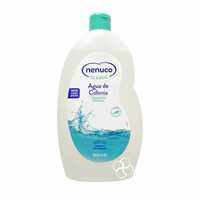
Nenuco Classic Agua de Colonia Fragrancia Original 650ml
₱398.00
Buy on Lazada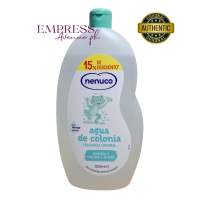
Nenuco Agua de Colonia Original Fragrance 500ml/1100ml/1200ml (AUTHENTIC)
₱835.00
Buy on Lazada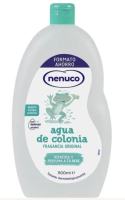
Nenuco Agua de Colonia Baby Cologne Original
₱549.00
Buy on Lazada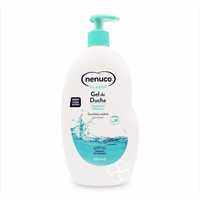
Nenuco Classic Showel Gel 650ml
₱348.00
Buy on Lazada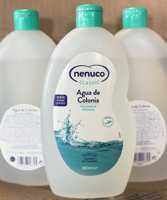
Nenuco Cologne (650ml) Agua de Colognia (1pc)
₱399.00
Buy on Lazada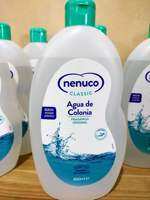
Nenuco Baby Cologne / Nenuco aqua de colonia original fragrance ( 1200ml 600ml 240ml and 60ml refill)
₱530.00₱545.00
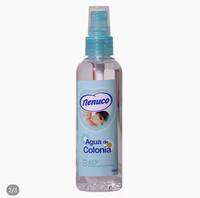
Nenuco Cologne Spray 100ml
₱270.00
Buy on Lazada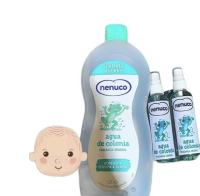
Original Nenuco Cologne 100ml
₱119.00
Buy on LazadaAbout Nenuco
Nenuco is a Spanish brand name strongly associated with baby care, childhood, cleanliness, and the characteristic “baby smell.” The name is particularly famous for its traditional baby cologne, while a separate Nenuco brand owned by Spanish toy manufacturer Famosa became famous for its baby dolls and role-playing toys. It is important to note that these are two closely related but distinct entities with different corporate histories.1
The fragrance traces its origins to 1939, when it was created as an aroma intended for babies before expanding into soaps and other hygiene products.1 The doll brand was established later, in 1977, by Famosa and became one of Spain’s best-known baby-doll lines.2
Brand overview
| Category | Information |
|---|---|
| Name | Nenuco |
| Country of origin | Spain |
| Principal association | Baby care, baby fragrance and children’s products |
| Fragrance origins | 1939 |
| Baby-doll brand | 1977 |
| Best known for | Baby cologne and Nenuco baby dolls |
| Market positioning | Family-oriented, affordable, everyday baby care / children’s play |
| Core image | Freshness, cleanliness, softness, childhood and family |
| Major markets | Spain and other European and international markets |
The word Nenuco itself is associated with a Spanish term for a young child or baby; historical trademark records have also described the name as meaning “young child.”3
History of Nenuco fragrance
The origins of the fragrance are generally placed in 1939, shortly after the Spanish Civil War. According to the company’s own history, the brand was initially created specifically to provide a genuine fragrance for babies and subsequently became an early specialist brand in children’s fragrances.1
Historical accounts provide further detail on its beginnings. Ramón Horta, an industrial engineer in Barcelona, is credited with developing the original cologne, which was initially produced on a small, almost artisanal scale in the city.4 This timing was significant as Spain’s post-war economy was characterized by shortages and limited consumer purchasing power. Traditional perfumes were relatively difficult to produce because alcohol was scarce, encouraging the development of inexpensive, lighter eau-de-cologne products. The gentle, fresh profile of Nenuco fitted this environment particularly well.4
From baby cologne to family product
Although initially positioned around babies and young children, the appeal of the fragrance gradually extended beyond that audience. Instead of remaining simply a children’s perfume, the brand expanded into products associated with everyday hygiene, including:
- Baby cologne
- Soaps
- Bath products
- Shampoos
- Body-care products
- Moisturizing products
- Baby-hygiene products
The company describes this evolution as a transition from being primarily a baby-cologne brand to becoming a broader baby-care and hygiene brand.1 A defining characteristic of this history is that the fragrance became a cultural symbol in its own right rather than merely one product within a large perfume portfolio.
The Nenuco scent
The fragrance is particularly associated with what consumers commonly perceive as the “smell of a baby.” Its appeal is based less on luxury perfumery and more on associations such as freshly washed babies, clean skin, soap, fresh laundry, childhood, family, tenderness, and everyday cleanliness.
This sensory profile helped the brand transcend its original target market. Adults could also use the fragrance, and the product became closely connected with childhood memories for multiple generations. Vogue España described it as a product that had accompanied generations of Spaniards and subsequently became widely used by adults as well.4 From a branding perspective, Nenuco effectively turned a functional baby-care product into an emotional memory brand.
Brand identity
The identity of the fragrance and personal care line is built around four major concepts:
Care
The brand presents itself as an expert in baby care and emphasizes protection, hygiene, and gentle treatment of children’s skin.1
Trust
Because the brand has existed for generations, it emphasizes intergenerational trust, with parents using products that they themselves encountered during childhood.1
Simplicity
Positioning is deliberately practical rather than luxurious. Products are intended to make everyday baby-care routines straightforward.
Family
Family is central to the modern identity. The brand explicitly states it wants to evolve alongside changing family structures and emphasizes inclusion.1
Product evolution
The original concept was essentially “fragrance for babies.” Over time, however, the brand developed into a much broader personal-care proposition. Its product universe has included eau de cologne, baby washes, bath gels, shampoos, soaps, moisturizing lotions, and other children’s hygiene products.
The underlying strategy is to accompany families throughout the child’s daily hygiene routine rather than selling only a fragrance.1 This gives the brand a distinctive position between perfumery and mass-market baby care.
Nenuco baby dolls
The second major use of the Nenuco name is the baby-doll brand, which is separate from the historic fragrance business. These dolls were introduced in 1977 by Famosa, the Spanish toy company. Famosa describes Nenuco as a Spanish brand that has been producing baby dolls since 1977 and identifies it as a leading baby-doll brand in Spain.2
The concept was designed to be simple but highly expandable: a doll designed to behave and be cared for like a real baby. Children can feed, bathe, dress, carry, and care for the dolls, turning ordinary household routines into role-playing activities.2
Development of the doll line
The doll line developed considerably after its launch. In its early years, the dolls were primarily baby-boy figures. In 1980, Famosa introduced Nenuca, the girl version. Around the same period, the company introduced dolls with increasingly realistic functions, including crying, drinking, urinating, and producing “baby” effects.2
The product ecosystem also expanded beyond the doll itself. Accessories included baby clothes, shoes, cribs, carrycots, strollers, bath accessories, feeding accessories, bottles, furniture, and other baby-care equipment. In 1978, just one year after its introduction, Famosa reports that approximately 1.9 million pieces—including dolls, accessories, and clothing—were manufactured.2
Educational philosophy
A major part of the modern positioning is pretend play. Rather than presenting the doll simply as a collectible toy, the brand encourages children to reproduce everyday activities such as feeding, bathing, dressing, taking the baby outside, caring for clothes, playing doctor, and communicating with or comforting the doll.
According to Famosa, these activities can help children develop communication, empathy, responsibility, and emotional expression.2 The brand also explicitly rejects the idea that Nenuco should be exclusively a “girls’ toy,” presenting its role-playing themes as suitable for both boys and girls.2
Cultural significance
Nenuco has become more than a commercial product in its home market. The fragrance occupies a distinctive place in popular culture because its smell is strongly connected with childhood and family memories. This creates an unusual form of brand equity linking the name to babies, cleanliness, childhood, family, and nostalgia.
This emotional association is arguably more important to the brand than any individual product. An adult may buy or wear it because the fragrance reminds them of childhood, children, family members, or a particular period of life. Vogue España specifically highlighted this transition from a children’s product to something used by the wider family.4
Market positioning
Nenuco occupies a distinctive position compared with conventional perfume brands. It is not primarily a luxury fragrance brand. Instead, its value proposition revolves around familiarity, cleanliness, gentleness, affordability, and nostalgia. This makes it closer to a heritage family-care brand than to a traditional prestige perfume house.
Its competitive strength comes from recognition and emotional familiarity, as the brand has been present long enough for parents and grandparents to have encountered it during earlier stages of their lives.
Distinction between fragrance and dolls
It is a common error to assume that the cologne and the dolls are from the same company. Despite sharing the name, they should be treated as separate brand histories.
Nenuco fragrance
- Originated in Spain in 19391
- Began as a baby fragrance
- Developed into baby-care and hygiene products
- Became particularly famous for its traditional cologne
- History is connected to Spanish perfumery and cosmetics
Nenuco dolls
- Founded/launched as a brand in 19772
- Belongs to Famosa
- Focuses on dolls, accessories, and role-playing
- Became a major baby-doll brand in Spain and Portugal
Current status
Today, the fragrance brand continues to position itself around baby care, hygiene, and family life, with products extending beyond its original cologne. Its official brand philosophy emphasizes care, trust, simplicity, family, and inclusion.1
The doll brand continues under Famosa, with a broad collection covering different ages, doll types, and role-playing scenarios. Famosa identifies it as a leading baby-doll brand in Spain that has been creating dolls since 1977.2
Timeline
| Year | Event |
|---|---|
| 1939 | Nenuco fragrance brand begins, originally created as a baby fragrance.1 |
| 1940s | Ramón Horta develops and produces the cologne in Barcelona.4 |
| Post-war period | Brand becomes associated with affordable, fresh baby fragrance in Spain. |
| Later decades | Brand expands from cologne into soaps and broader baby-care products.1 |
| 1977 | Famosa launches the Nenuco baby-doll brand.2 |
| 1978 | About 1.9 million dolls, accessories, and clothing pieces are manufactured.2 |
| 1980 | Nenuca, the girl version, is introduced.2 |
| 1980s onward | Dolls acquire increasingly realistic functions and a growing accessory ecosystem. |
| 21st century | Fragrance develops into a broader baby-care brand while dolls continue expanding internationally. |
| Today | Remains strongly associated with Spanish childhood, baby care, fragrance, and family-oriented products.1 |