Shop on Lazada
NESPRESSO products
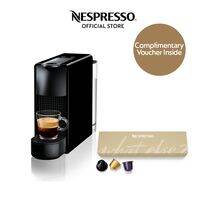
Nespresso Essenza Mini Coffee Machine Espresso Compact Automatic Coffee Machine with Coffee Capsules Black
₱9,500.00
Buy on Lazada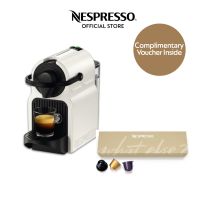
Nespresso Inissia Coffee Machine Espresso Compact Automatic Coffee Machine with Coffee Capsules White
₱10,500.00
Buy on Lazada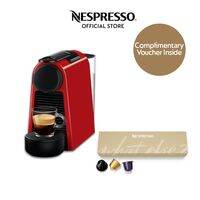
Nespresso Essenza Mini Coffee Machine Espresso Compact Automatic Coffee Machine with Coffee Capsules Red
₱9,500.00
Buy on Lazada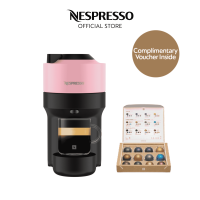
Nespresso Vertuo Pop Coffee Machine for Espresso Filter Coffee Large Coffee Cup with Coffee Capsules Candy Pink
₱16,500.00
Buy on Lazada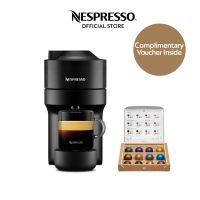
Nespresso Vertuo Pop Coffee Machine for Espresso Filter Coffee Large Coffee Cup with Coffee Capsules Liquorice Black
₱16,500.00
Buy on Lazada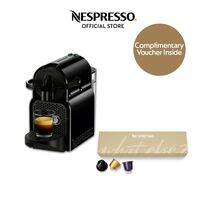
Nespresso Inissia Coffee Machine Espresso Compact Automatic Coffee Machine with Coffee Capsules Black
₱10,500.00
Buy on Lazada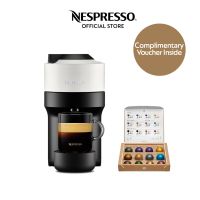
Nespresso Vertuo Pop Coffee Machine for Espresso Filter Coffee Large Coffee Cup with Coffee Capsules Coconut White
₱16,500.00
Buy on Lazada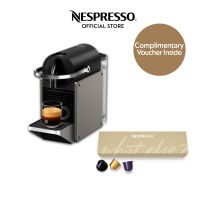
Nespresso Pixie C62 Automatic Coffee Machine Coffee Maker with Coffee Capsules Titan
₱17,500.00
Buy on LazadaAbout NESPRESSO
NESPRESSO is a Swiss premium coffee brand owned by the Nestlé Group, widely recognised for its single-serve coffee capsule system, espresso machines, and curated coffee experience. Founded in 1986, NESPRESSO pioneered the modern capsule-coffee category by combining pre-portioned capsules with specially designed machines to produce consistent, barista-style coffee at home or in professional settings.
As of 2026, NESPRESSO is celebrating its 40th anniversary. Over four decades, it has evolved from a small Swiss experiment into a global premium coffee brand, with an identity built around coffee quality, technology, design, convenience, exclusivity, and sustainability. 1
Brand overview
| Category | Information |
|---|---|
| Brand name | NESPRESSO |
| Official company | Nestlé Nespresso S.A. |
| Parent company | Nestlé S.A. |
| Origin | Switzerland |
| Founded | 1986 |
| Industry | Coffee, food & beverage, consumer appliances |
| Main products | Coffee capsules, coffee machines, accessories |
| Major systems | NESPRESSO Original and NESPRESSO Vertuo |
| Business markets | Home and professional coffee |
| Positioning | Premium / luxury coffee experience |
| Core proposition | Barista-style coffee at the touch of a button |
| Key strengths | Coffee quality, proprietary technology, design, convenience, brand experience |
| Current milestone | 40 years of NESPRESSO in 2026 |
NESPRESSO operates as a brand within Nestlé, rather than as an independent coffee company. Nestlé’s corporate history identifies NESPRESSO as part of its coffee portfolio and dates its official launch to 1986. 2
History
Origins: the 1970s
The concept behind NESPRESSO originated within Nestlé’s Swiss research environment during the 1970s. A central figure was Eric Favre, a Swiss engineer employed at Nestlé who sought to reproduce the quality and characteristics of Italian espresso through a simpler method. His research led to the development of a system in which precisely measured ground coffee was sealed inside a capsule and extracted using a dedicated machine. 3
Initially, the concept was not an obvious commercial success. Nestlé was primarily associated with instant coffee, and a premium portioned espresso system represented a significantly different business model. According to Nestlé’s historical records, a consumer test conducted in Japan in 1984 helped demonstrate the potential of the concept. The NESPRESSO name was developed around this period, leading Nestlé to ultimately approve the commercial launch of the system. 4
1986: NESPRESSO is launched
1986 marked the official birth of NESPRESSO.
The first system was launched in Switzerland, Japan and Italy, initially targeting professional and office environments rather than mass household consumption. At its inception, NESPRESSO operated with only five employees, two machines and four coffee varieties. 5
The original four coffees included:
- Capriccio
- Cosi
- Decaffeinato
- Bolero, which is associated with today’s Volluto
The fundamental proposition was straightforward: professional-quality espresso without requiring professional barista skills. This concept became the foundation of the entire NESPRESSO business model.
From a niche product to a global brand
NESPRESSO did not achieve global prominence immediately. During its early years, the company gradually refined three elements simultaneously: the coffee, the capsule-and-machine technology, and the customer experience. This holistic approach was essential because NESPRESSO was never intended to sell only coffee; the company developed an integrated ecosystem comprising machines, capsules, accessories, customer service, retail boutiques, and membership communities.
1989 — NESPRESSO Club
NESPRESSO introduced the NESPRESSO Club, establishing a direct relationship between the brand and its customers. The club offered personalised services and benefits, helping to cement the premium and exclusive character of the brand. 6
1991 — Capsule recycling
NESPRESSO established its first dedicated capsule-recycling programme in Switzerland, integrating sustainability into the brand narrative relatively early in its development. 7
1996 — Home market expansion
The brand introduced significant developments for the household market and launched its first website, further advancing its direct-to-consumer engagement strategy. 8
2000 — Professional market and boutiques
NESPRESSO expanded into professional coffee service and opened its first boutique in Paris. The boutique concept subsequently became a cornerstone of its luxury retail strategy.
The NESPRESSO business model
NESPRESSO does not operate like a conventional coffee brand. While traditional coffee companies typically follow a linear path from coffee beans to supermarkets to consumers, NESPRESSO created a circular ecosystem: NESPRESSO machine → NESPRESSO capsule → NESPRESSO coffee → NESPRESSO customer relationship.
This structure creates a recurring-consumption model where the initial purchase of a machine establishes the ecosystem, while ongoing capsule purchases sustain the relationship. This is sometimes described as a razor-and-blades-style model, though NESPRESSO’s approach is more sophisticated than simply selling proprietary pods. The company invests heavily in coffee sourcing, roasting, capsule engineering, machine technology, product design, boutiques, online retail, customer service, brand partnerships, and sustainability programmes.
The two major NESPRESSO systems
Today, NESPRESSO’s consumer business is primarily divided into two distinct systems.
NESPRESSO Original
Original represents the classic NESPRESSO experience, designed primarily around espresso and espresso-based drinks. The system uses pressure extraction and offers a range of espresso-oriented cup sizes. 9 Typical beverages include Ristretto, Espresso, Lungo, Americano-style drinks, Cappuccino, Latte, Flat White, and other milk-based recipes. The Original system is particularly associated with the classic image of NESPRESSO: compact, elegant espresso machines and aluminium capsules.
NESPRESSO Vertuo
NESPRESSO introduced Vertuo to address consumers seeking both espresso and larger cups of coffee. Vertuo uses a proprietary extraction technology called Centrifusion™, wherein the capsule is spun at high speed while water is introduced, allowing the system to adapt extraction parameters based on the specific capsule. 10 Vertuo can produce multiple serving sizes, ranging from espresso to substantially larger mug and carafe preparations.
Original vs Vertuo
| Feature | Original | Vertuo |
|---|---|---|
| Primary focus | Espresso | Espresso + larger coffee |
| Extraction | Pressure-based | Centrifusion |
| Cup range | Smaller espresso formats | Small to large cups |
| Capsule design | Classic Original capsule | Vertuo capsule |
| Best suited for | Espresso lovers | People wanting versatility |
| Experience | Traditional European espresso | Wider coffee-format experience |
This distinction is strategically significant: Original preserves NESPRESSO’s espresso heritage, while Vertuo expands the brand into the broader coffee market.
NESPRESSO capsules
The capsule is the core component of the NESPRESSO system. By inserting a pre-portioned capsule, consumers bypass manual measuring, grinding, and tamping. The capsule ensures control over coffee quantity, freshness, extraction, consistency, and preparation time.
NESPRESSO uses aluminium for its capsules to protect coffee aromas and freshness while enabling recyclability. The company states that its capsules are made with recyclable aluminium, with some newer lines incorporating recycled content. 11 This supports the brand’s value proposition of combining premium coffee, engineering, convenience, and consistency.
Coffee portfolio
NESPRESSO develops a broad portfolio differentiated by origin, Arabica/Robusta composition, roast profile, intensity, acidity, bitterness, sweetness, aroma, cup size, and preparation method. The range includes:
- Permanent coffees: Long-term products forming the core portfolio.
- Limited editions: Special releases available for specific periods.
- Single-origin coffees: Blends emphasising specific producing regions.
- Barista Creations: Coffees developed specifically for milk-based recipes.
- Seasonal/special collections: Limited or experimental products designed to encourage exploration.
For example, current regional portfolios may include more than 30 Vertuo blends across multiple capsule sizes. 12
Coffee sourcing
NESPRESSO’s operations depend heavily on relationships with coffee-growing communities. Nestlé states that NESPRESSO sources coffee from more than 155,000 farmers across 18 countries. 13 The company collaborates with agronomists and farmers to influence quality and sustainability from cultivation through roasting and production.
A key initiative is the NESPRESSO AAA Sustainable Quality™ Program, launched in 2003 to combine high-quality coffee production with environmental and social considerations. 14
Sustainability
Sustainability is a major pillar of the NESPRESSO brand, formalised under strategies such as The Positive Cup, launched in 2013. This framework is based on the principle that coffee should have a positive impact on farmers, communities, and the environment. 15 Key areas include:
- Capsule recycling: Dedicated collection systems in various markets recover used aluminium capsules.
- Coffee farming: Support for sustainable agricultural practices.
- Agroforestry: Programmes integrating trees into coffee-growing ecosystems.
- Recycled aluminium: Introduction of capsules containing recycled material.
However, sustainability in capsule coffee remains complex, involving factors beyond the capsule itself, including cultivation, aluminium production, transportation, manufacturing, energy consumption, and consumer recycling behaviour.
Brand positioning
NESPRESSO occupies a distinctive space between coffee and luxury. Rather than positioning itself as merely convenient, the brand communicates that consumers can experience premium coffee without professional barista skills. This positioning integrates several dimensions:
- Premium: High-quality coffee, sophisticated packaging, and carefully designed machines.
- Accessible luxury: A daily luxury ritual at home that is more accessible than visiting premium venues.
- Convenience: High-quality preparation in seconds with minimal technical skill.
- Technology: An engineered system where machine and capsule work in unison.
- Design: Machines functioning as lifestyle objects rather than purely utilitarian appliances.
- Exclusivity: Reinforced through the Club, boutiques, closed ecosystem, and visual identity.
The NESPRESSO brand experience
For NESPRESSO, the physical product is only one component of the brand. The company has constructed a comprehensive customer journey encompassing discovery, boutique or website interaction, machine selection, capsule choice, brewing ritual, consumption, accessories, recycling, and repeat purchase. This makes NESPRESSO closer to a lifestyle ecosystem than a conventional packaged-food brand.
Boutiques play a critical role by allowing customers to physically experience coffee aromas, capsule colours, machines, and personalised recommendations. The first NESPRESSO boutique opened in Paris in 2000. 16
George Clooney and advertising
A defining element of NESPRESSO’s modern identity is its long-standing association with actor George Clooney. Through advertising campaigns, Clooney helped communicate sophistication, humour, European lifestyle, premium quality, and understated luxury. These campaigns transformed NESPRESSO from a technical system into a recognisable luxury lifestyle brand, often balancing elegant settings with wit to maintain a premium yet approachable tone.
Design philosophy
NESPRESSO’s design language is intentionally minimalist, emphasising metallic finishes, neutral colours, clean geometry, compact forms, premium materials, and simple interfaces. This aesthetic reinforces a psychological message: the machine is technologically sophisticated, yet the user experience is extremely simple. Complexity is hidden behind intuitive interaction.
Technology as a competitive advantage
NESPRESSO’s competitive edge lies in the integration of coffee and machine technology. By controlling elements from capsule to extraction, the company ensures consistent preparation. For Original, pressure-based extraction is central; for Vertuo, capsule recognition and Centrifusion technology adapt extraction to different formats. 17 This technological ecosystem is difficult to replicate because the brand sells both the consumable and the preparation hardware simultaneously.
Competitive landscape
NESPRESSO competes across multiple categories:
- Premium capsule coffee: Competitors include Keurig, Dolce Gusto, Tassimo, Lavazza, Illy, and compatible-pod brands.
- Traditional coffee: Indirect competition from Starbucks, specialty cafés, home espresso machines, and premium roasted coffee.
- Luxury lifestyle: Competition for daily discretionary spending against out-of-home experiences.
Success stems partly from making home coffee feel like a premium experience rather than a compromise.
Strengths
- Strong brand recognition: One of the world’s most recognisable premium coffee brands.
- Integrated ecosystem: Machine and capsule systems foster strong customer retention.
- Consistency: Reproducible results with minimal skill.
- Premium positioning: Commands a price premium over standard coffee products.
- Cohesive design: Visual harmony across machines, capsules, boutiques, and packaging.
- Innovation: Expansion beyond traditional espresso via Vertuo.
- Sustainability investment: Recycling and responsible sourcing as identity markers.
Challenges and criticisms
- Capsule waste: Environmental concerns persist regarding single-use capsules, despite aluminium recyclability requiring proper collection infrastructure.
- Premium pricing: Per-cup costs are significantly higher than ground or instant coffee.
- Proprietary ecosystem: Closed systems offer consistency but limit consumer freedom compared to open platforms.
- Specialty coffee competition: Growing interest in manual brewing, single-origin beans, and artisanal craftsmanship challenges the “barista-style” promise.
NESPRESSO in Malaysia
While focused here on general brand information, it is noted that NESPRESSO maintains e-commerce operations in neighbouring markets such as Malaysia, offering Original and Vertuo machines, capsules, and accessories. In such markets, the brand competes not only with other capsule systems but also with established café cultures, local coffee traditions, and automatic machines. 18
Corporate structure
NESPRESSO is part of Nestlé, occupying a distinct position as its premium portioned-coffee brand. Nestlé describes NESPRESSO as part of its global coffee portfolio alongside brands such as Nescafé. 19 The distinction is clear: Nescafé serves the mass-market and instant coffee segment, while NESPRESSO targets the premium portioned coffee experience. Despite sharing a parent company, they serve fundamentally different consumer occasions.
Brand DNA
| Dimension | NESPRESSO |
|---|---|
| Core product | Premium portioned coffee |
| Core technology | Capsule + dedicated machine |
| Emotional benefit | Everyday indulgence |
| Functional benefit | Consistent premium coffee with minimal effort |
| Brand personality | Sophisticated, modern, confident |
| Visual identity | Minimalist, elegant, premium |
| Target consumer | Coffee drinkers seeking quality + convenience |
| Price positioning | Premium |
| Experience | Personal, ritualistic, luxurious |
| Major values | Quality, innovation, sustainability |
| Competitive advantage | Integrated coffee ecosystem |
| Iconic association | Capsule + espresso machine + premium lifestyle |
Why NESPRESSO became successful
NESPRESSO did not merely invent a new capsule; it created a new way of consuming coffee. Prior to NESPRESSO, home espresso required significant equipment, knowledge, and practice. NESPRESSO simplified this to: choose capsule, insert, press button, drink. This accessibility was paired with deliberate sophistication through beautiful machines, premium capsules, tasting language, boutiques, service, advertising, and sustainability storytelling. This combination turned an everyday commodity into a premium consumer ritual, establishing NESPRESSO as one of the most influential coffee brands of the modern era.
References
- Nespresso Coffee & Machine Brand | Nestlé Global
- Nespresso fête ses 40 ans | Nespresso Maroc
- 40 Years of Reinventing Coffee, With Love | Nespresso™ South Africa
- Origen e historia de las cápsulas de café| NESPRESSO®
- 40周年記念特設ページ|ネスプレッソ
- Vertuo System | One-Touch Coffee Machines | Nespresso MY
- A Cup Above | Nespresso, Taste the Difference
- Buy Espresso Coffee Capsules & Coffee Pods | Nespresso MY
- Nespresso, a Swiss brand | Nespresso
- Intensely Swiss | Nespresso Pro Switzerland
- Buy Espresso Coffee Capsules & Coffee Pods | Nespresso MY
- All About Capsule Coffee | Coffee & Machine | Nespresso Professional
- Nespresso Commitments | Doing is Everything | EN
- Our commitment for the climate | Nespresso
- Sustainability – Nespresso The Positive Cup
- Intensely Swiss | Nespresso
- Intensément suisse | Nespresso Pro Suisse
- Nespresso Sustainability | Green Coffee | Nespresso™ Pro SG
- Coffee Capsules: FAQ | Nespresso ®