Shop on Lazada
Nestogen products
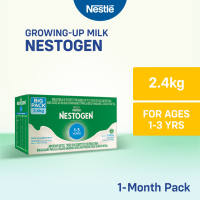
NESTOGEN Three Milk Supplement for Children 1 to 3 Years 2.4kg
₱1,365.00
Buy on Lazada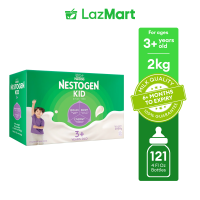
NESTOGEN KID 3+ Powdered Milk For Children Above 3 Years Old 2kg
₱1,116.40₱1,116.42
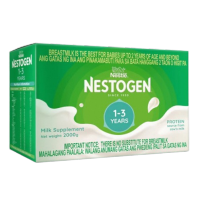
NESTOGEN 3 Milk Supplement For 1-3 Years Old 2kg
₱1,084.00
Buy on Lazada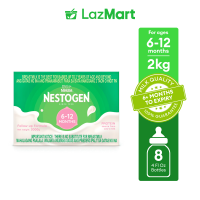
NESTOGEN 6-12 Months Follow-up Formula 2kg
₱1,133.00
Buy on Lazada
NESTOGEN KID 3+ Powdered Milk For Children Above 3 Years Old 2kg
₱1,181.55₱1,181.60
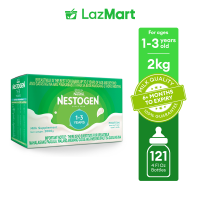
NESTOGEN 1-3 Years Old Milk Supplement 2kg
₱1,084.00
Buy on Lazada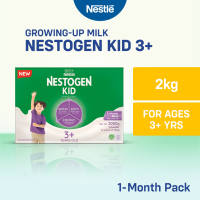
NESTOGEN KID 3+ Growing-Up Milk Powder For Children 3+ Years Old 2kg
₱1,279.00
Buy on Lazada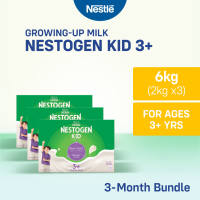
NESTOGEN KID 3+ Growing-Up Milk Powder For Children 3+ Years Old 6kg (2kg x3)
₱3,835.00
Buy on LazadaAbout Nestogen
Nestogen is a pediatric milk formula brand owned by Nestlé and marketed as part of the company’s infant and young child nutrition portfolio. The brand is designed to provide nutritional support for infants and young children when breastfeeding is not possible or is not chosen, and is sold in many countries across Asia, Latin America, the Middle East, Africa, and Europe. Nestogen products are formulated to meet the nutritional needs of children at different stages of growth, with formulations varying by country to comply with local regulations and nutritional standards. [1]
History
Nestogen originates from Nestlé’s long history in infant nutrition. The company’s roots date back to 1867, when German-born pharmacist Henri Nestlé developed _Farine Lactée_, one of the world’s first commercially successful infant foods, intended for babies who could not be breastfed. This innovation laid the foundation for Nestlé’s infant nutrition business, which has since expanded into a wide range of formulas and nutritional products, including Nestogen. [2]
Today, Nestogen is one of several infant nutrition brands under Nestlé, alongside products such as NAN and Lactogen in selected markets. The brand is positioned as an everyday milk formula that emphasizes balanced nutrition and digestive comfort. [3]
Product Range
The Nestogen lineup differs by country but commonly includes:
-
Nestogen 1 – Infant formula (birth to 6 months, where appropriate and in accordance with local regulations)
-
Nestogen 2 – Follow-on formula (6–12 months)
-
Nestogen 3 – Growing-up milk (1–3 years)
-
Nestogen 4 – Milk drink for children aged 3 years and above
Some countries also offer specialized formulas designed for children with specific nutritional or digestive needs. Product names, ingredients, and age recommendations may differ depending on local health regulations. [4]
Nutrition and Ingredients
Although formulations vary by market, Nestogen products generally contain:
-
Milk proteins
-
Carbohydrates (primarily lactose)
-
Vegetable oils
-
Vitamins and minerals
-
Iron, calcium, zinc, and vitamin D
-
DHA and other nutrients in selected formulations
-
Prebiotic fibers in certain variants to support digestive health
Some newer formulations also include probiotics or other functional ingredients, depending on regional product specifications. Ingredients are periodically updated based on nutritional research and local regulatory requirements. [5]
Manufacturing and Quality
Nestogen is manufactured by Nestlé in facilities located in different countries, following international food safety and quality management standards. Manufacturing locations vary by market, and products must comply with the regulations of the countries where they are sold. Nestlé states that its infant nutrition products undergo extensive quality testing throughout production. [6]
Global Availability
Nestogen is marketed in numerous countries, particularly in:
-
Philippines
-
Indonesia
-
Thailand
-
Malaysia
-
Vietnam
-
Pakistan
-
Bangladesh
-
Middle Eastern countries
-
Latin America
-
Parts of Europe and Africa
Availability, packaging, and formulations differ by country. [7]
Nestogen in the Philippines
Nestogen is among the infant nutrition products distributed by Nestlé Philippines. Nestlé has operated in the Philippines for more than a century, having established its first sales office in 1911. Today, the company manufactures and markets a broad range of food and nutrition products in the country, including infant and children’s nutrition brands. [8]
Marketing
Nestogen is typically promoted around themes such as:
-
Supporting healthy growth and development
-
Gentle digestion
-
Balanced nutrition
-
Everyday affordability compared with premium infant formula lines
-
Scientific research in pediatric nutrition
Marketing of infant formula is regulated in many countries, and Nestlé states that it follows applicable laws and international standards regarding the promotion of breast-milk substitutes. [9]
Research and Development
Nestogen benefits from Nestlé’s global research in nutrition and health. The company operates research centers focused on infant nutrition, food science, and pediatric health, contributing to the development and refinement of its nutritional products. [10]
Controversies
Like other infant formula brands produced by Nestlé, Nestogen has occasionally been discussed within the broader context of criticisms directed at Nestlé’s historical marketing of breast-milk substitutes. The most widely known controversy dates to the 1970s, when Nestlé faced international criticism over infant formula marketing practices in developing countries. These events led to greater scrutiny of formula marketing and contributed to the development of the World Health Organization’s International Code of Marketing of Breast-milk Substitutes. While these criticisms relate primarily to Nestlé as a corporation rather than to Nestogen specifically, they remain part of the company’s historical background. [11]
Summary
Nestogen is a long-established Nestlé milk formula brand developed for infants and young children, with products tailored to different growth stages and regional nutritional requirements. Drawing on Nestlé’s more than 150 years of experience in infant nutrition, the brand is widely available across multiple international markets and forms part of one of the world’s largest pediatric nutrition portfolios. [12]