Shop on Lazada
NIDO products
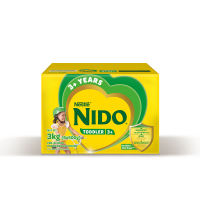
Nido 3+ 3kg
₱1,520.00₱1,600.00
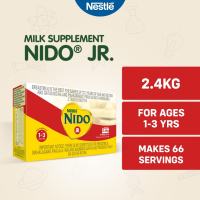
Nido® Junior Powdered Milk Drink For Children 1-3 Years Old 2.4kg
₱1,447.95
Buy on Lazada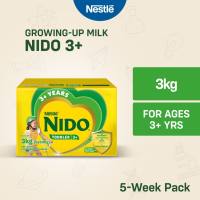
NIDO 3+ Growing-Up Milk Powder for Toddler Children 3+ Years Old 3kg
₱1,638.00₱1,820.00
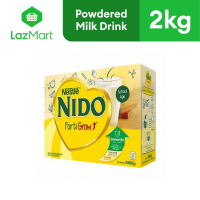
NIDO Fortigrow Fortified Powdered Milk Drink 2kg
₱1,009.04₱1,009.09
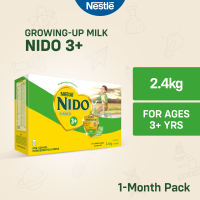
NIDO® 3+ Powdered Milk Drink For Pre-Schoolers Above 3 Years Old 2.4kg
₱1,355.53₱1,473.40
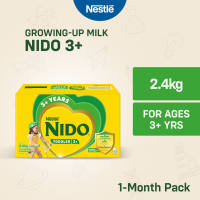
NIDO 3+ Growing-Up Milk Powder for Toddler Children 3+ Years Old 2.4kg
₱1,684.00
Buy on Lazada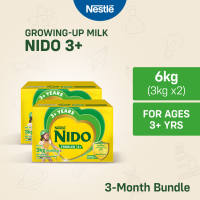
NIDO 3+ Growing-Up Milk Powder for Toddler Children 3+ Years Old 3kg (6kg x2)
₱3,640.00
Buy on Lazada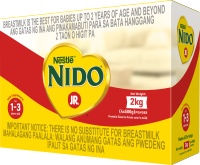
NIDO Junior Powdered Milk Supplement For Children 1-3 Years Old 4X500g
₱859.00
Buy on LazadaAbout NIDO
Overview
| Attribute | Details |
|---|---|
| Brand Name | NIDO |
| Owner | Nestlé |
| Introduced | 1944 |
| Country of Origin | Switzerland |
| Product Category | Powdered milk and growing-up milk |
| Markets | Worldwide (80+ countries) |
| Primary Consumers | Toddlers, children, and families |
NIDO is a global powdered milk brand owned and manufactured by Nestlé. Introduced in 1944 in Switzerland, NIDO was originally developed as a shelf-stable whole milk powder and has since expanded into a family of milk products designed for toddlers, children, and families. Today, the brand is sold in more than 80 countries, with formulations tailored to local nutritional needs, regulations, and consumer preferences. [1]
History
NIDO was launched by Nestlé in 1944 as a powdered whole milk product. The brand was created to provide milk that could be safely stored without refrigeration while retaining much of its nutritional value. This made it particularly valuable in regions where fresh milk was less accessible. [2]
Over the following decades, NIDO expanded globally and evolved beyond standard milk powder into a range of products formulated for different childhood stages. Today, many NIDO products are fortified with vitamins, minerals, probiotics, DHA, and other nutrients depending on the country and product line. [3]
Products
The NIDO portfolio varies by country but commonly includes:
-
Whole Milk Powder
-
Instant Full Cream Milk Powder
-
NIDO 1+
-
NIDO 3+
-
NIDO 5+
-
NIDO Kinder
-
NIDO Fortified
-
NIDO FortiGrow (Philippines)
-
NIDO Forti-Choco (Philippines)
-
NIDO Junior
Many variants are formulated with nutrients such as:
-
Calcium
-
Vitamin D
-
Iron
-
Zinc
-
Vitamin C
-
DHA
-
Omega-3 and Omega-6 fatty acids
-
Probiotics (in selected products)
The exact nutritional composition differs by market to comply with local regulations and nutritional recommendations. [4]
Presence Around the World
NIDO is one of Nestlé’s most recognized dairy brands and is available across:
-
Asia
-
Africa
-
Latin America
-
Middle East
-
Europe (selected markets)
Different countries often market localized versions under related brand names. For example:
-
Ninho in Brazil
-
Dancow in Indonesia
These products share similar positioning while being adapted to regional tastes and regulations. [5]
NIDO in the Philippines
The Philippines is one of NIDO’s strongest markets.
Nestlé products first became available in the Philippines in 1895, and Nestlé established operations there in 1911. After World War II, products including NIDO, MILO, NESCAFÉ, and MILKMAID were imported and later produced locally as Nestlé Philippines expanded. [5]
Current Philippine NIDO products include:
-
NIDO 3+
-
NIDO 5+
-
NIDO Junior
-
NIDO FortiGrow
-
NIDO Forti-Choco
According to Nestlé Philippines, recent NIDO growing-up milk products are formulated with nutrients such as DHA, probiotics, vitamins, and minerals, and are intended to support children’s development as part of a balanced diet and healthy lifestyle. They are not suitable for infant feeding and are not breast milk substitutes. [3]
Nutrition
Most NIDO products are fortified with essential nutrients that may include:
-
Calcium for bone development
-
Vitamin D for calcium absorption
-
Iron for cognitive development
-
Zinc for normal immune function
-
Vitamin C
-
DHA
-
Probiotics (selected products)
The nutrient profile varies by formulation and country. Consumers should refer to local packaging for specific nutritional information. [4]
Marketing
NIDO has built its identity around themes including:
-
Child growth and development
-
Maternal care
-
Family nutrition
-
Strong immunity and healthy lifestyles
-
Educational campaigns for parents
Its advertising often emphasizes age-appropriate nutrition and has featured well-known personalities in various countries, including the Philippines. [3]
Brand Philosophy
Nestlé positions NIDO as a brand focused on supporting children’s nutrition during key stages of growth. Marketing materials emphasize balanced nutrition, physical activity, and parental care as part of healthy childhood development. [3]
Controversies
In 2024, reports by advocacy organizations and subsequent news coverage highlighted differences in added sugar content among some Nestlé early childhood products, including certain NIDO products, across countries. The reports argued that some products sold in lower-income markets contained added sugars while comparable products in Europe did not. [6][7]
Nestlé responded that its products comply with local regulations and stated that it has been reducing added sugars globally, noting that recipes vary because of regulatory requirements and local ingredient availability. [6]
Quick Facts
-
Founded: 1944
-
Headquarters (Brand Owner): Vevey, Switzerland
-
Owner: Nestlé
-
Industry: Food and Beverage
-
Product Type: Powdered milk and growing-up milk
-
Availability: 80+ countries
-
Target Audience: Toddlers, children, and families
See Also
-
Nestlé
-
MILO
-
CERELAC
-
BEAR BRAND