Shop on Lazada
Biovillage products
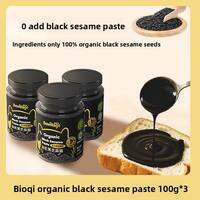
Biovillage | Pure Organic No Additives Baby Friendly Black Sesame Sauce
₱1,096.19₱1,690.01
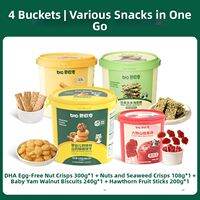
Biovillage | No Sugar Added Hawthorn Lollipops Snack for Kids
₱3,063.41₱3,244.46
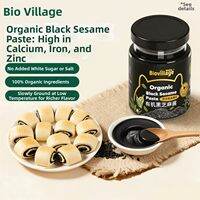
Biovillage | Organic Black Sesame Paste Baby Food
₱350.85₱1,047.24
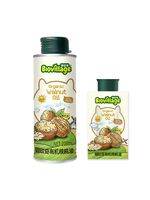
Biovillage | Organic Walnut Oil for Baby and Toddler
₱933.43₱2,528.39
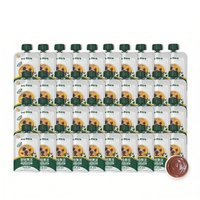
Biovillage | No Added Sugar Prune and Apple Fruit Puree for Babies 6 Months+
₱5,094.43₱5,961.80
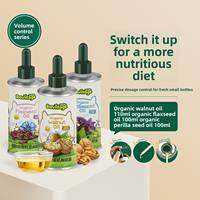
Biovillage | Organic Walnut Oil Linseed Oil Perilla Oil for Baby Food
₱2,006.90₱3,886.86
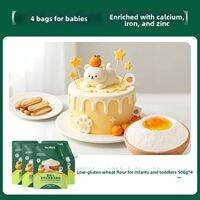
Biovillage | Baby & Toddler Low Protein Wheat Flour Baking
₱1,776.42₱3,802.28
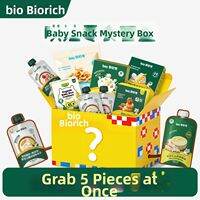
Biovillage | Toddler Snacks Yams and Walnuts Biscuits
₱775.76₱1,122.28
About Biovillage
Biovillage (Chinese: 碧欧奇, Bì’ōu qí; stylized as BioVillage) is a baby food and children’s nutrition brand specializing in complementary foods, snacks, condiments, and nutritional products for infants and young children. The brand is associated with Purall (Shanghai) Import & Export Co., Ltd., a Shanghai-based company established in 2011 that specializes in baby food, complementary foods, snacks, and nutritional supplements.
Biovillage is positioned within Purall’s portfolio alongside its BioJunior line. According to Purall, the two brands focus on high-quality and organic baby food, with products intended for children beginning at approximately six months of age.
It is important to distinguish Biovillage from Bio Village, a separate French private-label organic food brand belonging to E.Leclerc that dates to 1999.3 The two names refer to distinct businesses and product portfolios.
History
Purall was established in Shanghai in 2011 as an importer and supplier of food products for babies and children. The company initially focused on nutritional supplements and subsequently expanded into baby rice cereals, diapers, rice crackers, and other complementary food categories.
The Biovillage brand was established in 2017, when Purall began developing the brand and introducing baby cooking oil and other complementary food products. In 2018, Purall stated that Biovillage had become a leading baby pasta brand across multiple sales channels. By 2019, the company described Biovillage as a major brand in China’s Tmall complementary food market.
The brand subsequently expanded its range beyond basic complementary foods into baby snacks, nutritional products, seasonings, and other items intended for infants and young children. Purall currently describes Biovillage and BioJunior collectively as a business specializing in the research and development of infant complementary foods.
Ownership and corporate relationship
Biovillage is presented by Purall as one of its principal sub-brands. Purall’s official website identifies BioJunior & BioVillage as a combined brand group devoted to baby food, describing the two as covering complementary foods, condiments, infant nutritional supplements, and children’s snacks.
Trademark documentation also connects the BIOVILLAGE name with HONGKONG G.I.M. CO., LIMITED. For example, the Philippine Intellectual Property Office published a BIOVILLAGE trademark application filed on 21 December 2023, covering categories including baby food, nutritional supplements, vitamins, baby vitamins, DHA algae-oil supplements, biscuits, cereal-based snacks, rice-based snacks, noodles, rice crackers, and other food products.1
Consequently, the brand, trademark ownership, importer/distributor, and manufacturing relationships should not automatically be treated as the same legal entity. Publicly available sources establish the brand’s close relationship with Purall, while trademark records separately identify Hong Kong G.I.M. Co., Limited as an applicant or owner for certain BIOVILLAGE trademark rights.
Products
The Biovillage product portfolio is primarily aimed at infants, toddlers, and young children. Purall describes the Biovillage/BioJunior range as covering several categories, including:
- Baby complementary foods
- Baby snacks
- Infant and children’s nutritional products
- Baby condiments and cooking ingredients
- Baby pasta and cereal products
- Rice-based snacks and crackers
- Children’s dissolving snacks
- Teething and finger foods
- Products containing nutritional ingredients such as DHA
- Other foods designed for different stages of early childhood
Retail listings also show Biovillage products such as rice crackers, dissolving snacks, fruit-based snacks, baby biscuits, and DHA-containing snacks.2 The exact product range varies by market and distributor.
Target market and positioning
Biovillage primarily targets parents and caregivers of infants and young children, particularly families purchasing complementary foods during the transition from milk feeding to solid foods. Purall states that its BioJunior and Biovillage products are intended for babies over six months old, with products designed for different stages of childhood development. The brand therefore occupies a position within the broader infant complementary food and children’s nutrition market rather than the general adult organic food market.
Brand positioning and standards
Biovillage’s positioning emphasizes natural ingredients, nutrition, safety, and organic food. Purall describes its overall approach as providing baby food that is “natural & organic, additive-free, safe & healthy,” while its BioJunior/Biovillage page emphasizes scientific nutrition and safety standards.
Purall states that approximately 90% of its BioJunior/Biovillage products are organic and that the brand promotes multinational organic certification and non-GMO positioning. These are company claims and should be distinguished from independent verification of individual products. Organic certification is described as a major component of the brand’s food safety positioning; however, organic status should be evaluated at the individual product level, as a general company statement does not necessarily mean every Biovillage product carries the same certification.
Availability
Presence in China
Biovillage has a significant connection to the Chinese baby food market. Purall states that Biovillage became prominent in multiple sales channels for baby pasta in 2018 and subsequently became a notable brand in the Tmall complementary food market. Chinese retail listings use the name 碧欧奇 (BioVillage) and show products including baby rice crackers, dissolving snacks, DHA-containing snacks, and fruit-based children’s snacks.2
International availability
Biovillage products are also visible outside mainland China. Products carrying the Biovillage name are currently listed on Philippine online retail marketplaces, including baby biscuits and teething snacks.2 However, the existence of a retail listing does not by itself establish that a particular seller is an official distributor. For questions involving authenticity, importation, or certification, the product’s packaging, importer information, and applicable local regulatory records should be checked.
Trademark
The name BIOVILLAGE has been registered or applied for in multiple jurisdictions and product classes.
A Philippine Intellectual Property Office publication dated 16 September 2024 records a BIOVILLAGE application by HONGKONG G.I.M. CO., LIMITED. The application covers baby food, nutritional supplements, protein supplements, vitamins, gummy vitamins, DHA algae-oil supplements, fruit snacks, processed vegetables, oils, biscuits, cereal snacks, rice snacks, noodles, sauces, rice crackers, and other food products.1
A Malaysian trademark publication likewise records Biovillage under HONGKONG G.I.M. CO., LIMITED for vitamin preparations, cod liver oil, baby food, nutritional supplements, and related products.
Name and branding
The English name Biovillage combines the words bio and village, although trademark documentation does not assign a particular English-language meaning to the mark. The Chinese brand name is 碧欧奇.1 As noted, the name should not be confused with Bio Village, the separate French organic food private-label brand belonging to E.Leclerc.3
Corporate milestones
| Year | Development |
|---|---|
| 2011 | Purall was established in Shanghai. |
| 2012 | Purall entered nutritional-supplement importing. |
| 2014 | The company expanded into rice cereal and baby diapers. |
| 2016 | Purall expanded its rice-cracker business in China. |
| 2017 | Biovillage was established as a brand, alongside the development of baby cooking-oil products. |
| 2018 | Purall reported Biovillage’s growth in the baby-pasta category. |
| 2019 | Purall described Biovillage as a major brand in China’s Tmall complementary-food market. |
| 2021 | Purall opened additional branches in Hangzhou and Yantai. |
| 2022 | Purall reported establishing domestic factories and suppliers for early-age complementary foods. |
| 2023–2024 | BIOVILLAGE trademark applications appeared in additional markets, including the Philippines and Malaysia.1 |