Shop on Lazada
NUTRILITE products
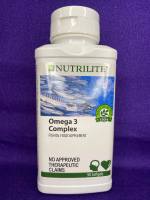
NUTRILITE OMEGA 3 COMPLEX SOFTGEL CAPSULE
₱1,700.00
Buy on Lazada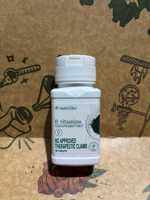
NUTRILITE B VITAMINS
₱810.00
Buy on Lazada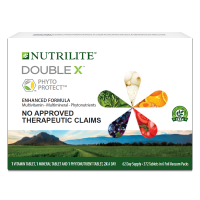
NUTRILITE Double X | Authentic Amway Product
₱7,370.00
Buy on Lazada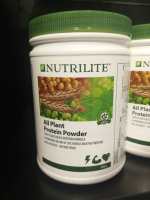
NUTRILITE ALL PLANT PROTEIN POWDER
₱2,160.00
Buy on Lazada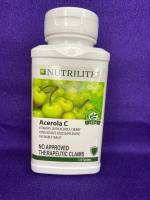
NUTRILITE ACEROLA C CHEWABLE TABLET
₱1,020.00
Buy on Lazada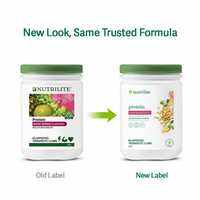
NUTRILITE PROTEIN DRINK MIX ( SOY & MIXED BERRIES FLAVORS)
₱2,220.00
Buy on Lazada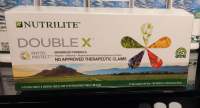
NUTRILITE DOUBLE X - 31-DAY SUPPLY
₱4,095.00
Buy on Lazada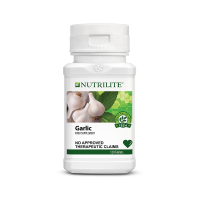
NUTRILITE Garlic Tablet | 120 tablets | Authentic Amway Product
₱1,575.00
Buy on LazadaAbout NUTRILITE
NUTRILITE™ is a global brand of vitamins, minerals, and dietary supplements founded in the United States in 1934 by Carl F. Rehnborg. Today, it serves as one of the principal health and wellness brands under Amway, with products distributed internationally through Amway’s business network. The brand is particularly associated with plant-based nutrition, phytonutrients, botanical ingredients, nutritional supplements, and traceability from cultivation through manufacturing.1
Amway acquired a controlling interest in Nutrilite in 1972, making it one of the oldest major brands within the Amway portfolio.
Note: This article follows an encyclopedic format rather than serving as a promotional profile. Where statements primarily reflect company claims—such as rankings, efficacy, or quality—they are distinguished from independently established facts.
Basic information
| Category | Information |
|---|---|
| Brand | NUTRILITE™ |
| Industry | Vitamins, dietary supplements & wellness |
| Founded | 1934 |
| Founder | Carl F. Rehnborg |
| Country of origin | United States |
| Parent company | Amway / Alticor |
| Distribution model | Primarily Amway’s direct-selling/Independent Business Owner network |
| Core philosophy | Plant-forward nutrition combined with scientific research |
| Major product categories | Vitamins, minerals, phytonutrients, botanical supplements, children’s nutrition, targeted wellness products |
| 90th anniversary | 2024 |
| Current status | Active global brand |
Historical materials from Nutrilite date the beginning of the business to 1934. Academic accounts, including those from Stanford University, similarly describe Carl Rehnborg as producing what is believed to have been the first multivitamin and multimineral dietary supplement marketed in the United States.
Origins
The history of Nutrilite begins with Carl F. Rehnborg, an American businessman and pioneer in nutritional supplements.
Rehnborg spent significant periods in China between 1915 and 1927. According to historical accounts from Nutrilite and his family, his observations regarding nutrition and health during this time strongly influenced his later concepts of supplementation. He developed a keen interest in the relationship between diet and health, specifically focusing on the nutritional properties of plants.2
Rehnborg’s central premise was unconventional for his era: he believed that nutrition involved more than simply obtaining known vitamins and minerals. He posited that plants contained additional compounds important to nutrition, which he originally termed “associated food factors.” These concepts later became associated with what are now commonly referred to as phytonutrients or phytochemicals.3
Upon returning to the United States, he began experimenting with plant-based nutritional formulations. In 1934, he introduced his first multivitamin and multimineral supplement, establishing the enterprise that would eventually become Nutrilite.4
The name “Nutrilite”
The company was not originally called Nutrilite. The business operated under earlier names before becoming Nutrilite Products, Inc. In 1939, Rehnborg adopted the name Nutrilite. According to his son, Dr. Sam Rehnborg, Carl encountered the term “nutrilites” in an earlier issue of Science magazine and subsequently obtained permission to use the name.3
This designation reflected Rehnborg’s ambition to create supplements that extended beyond merely supplying isolated vitamins. Consequently, the fundamental Nutrilite philosophy can be summarized as:
plants → nutrients → supplementation → overall nutritional support
Early products
One of the early products associated with Rehnborg was VITA-6, named for the six vitamins it contained. It was later renamed VITASOL.
Another significant historical product was Nutrilite XX, introduced in 1948. The “XX” reportedly referred to its original $20 price.5
Nutrilite subsequently expanded its offerings to include products containing vitamins, minerals, and botanical ingredients. The brand also became closely associated with acerola cherry, particularly as a source of natural vitamin C. In the 1950s, Nutrilite collaborated with the University of Hawaii on acerola research and subsequently introduced a natural vitamin C supplement.6
Connection with Amway
A critical aspect of Nutrilite’s history is its relationship with Amway. Nutrilite existed prior to the founding of Amway.
Amway was established in 1959 by Jay Van Andel and Rich DeVos. Before founding Amway, both men had served as distributors of Nutrilite products for approximately a decade.7
The chronological progression of this relationship is as follows:
Nutrilite → Van Andel & DeVos become distributors → Amway is founded → Amway eventually acquires Nutrilite
This historical connection explains why Nutrilite became integral to Amway’s subsequent development. In 1972, Amway acquired a controlling interest in Nutrilite Products, Inc., after which Nutrilite became one of Amway’s flagship brands.
Direct selling model
Nutrilite’s history is intrinsically linked to the development of multilevel and direct selling. The company utilized a distributor-based sales structure as early as the 1940s. Rehnborg’s distribution system significantly influenced the business model later adopted by Amway.
Today, Nutrilite products are sold principally through Amway’s Independent Business Owners (IBOs) and related distribution channels, depending on the country. This distinction is relevant when comparing Nutrilite with conventional retail vitamin brands such as Centrum, Blackmores, Swisse, Nature Made, or NOW Foods, as Nutrilite’s commercial identity is tied directly to Amway’s direct-selling system.
Core philosophy
Nutrilite’s modern positioning centers on the integration of nature and science. Key concepts include:
Plant-based nutrition
Nutrilite emphasizes botanical ingredients and nutrients derived from plants. The company describes itself as a plant-forward vitamin and dietary supplement brand. Its product portfolio encompasses conventional vitamins and minerals alongside botanical and phytonutrient ingredients.8
Phytonutrients
Phytonutrients are naturally occurring compounds found in plants. Nutrilite has historically positioned phytonutrients as a core component of its brand identity, tracing this philosophy back to Carl Rehnborg’s concept of “associated food factors.”
Farm-to-supplement traceability
A distinctive claim of the brand is its control or monitoring of significant portions of the ingredient supply chain. The company describes this as “seed-to-supplement” traceability, covering cultivation, harvesting, processing, manufacturing, and distribution.9
Agricultural operations
Agriculture constitutes a major component of the brand’s identity. Rehnborg established an early farm in California to secure greater control over the plants used in his supplements. Historical records indicate he emphasized farming practices that avoided chemical herbicides and pesticides while focusing on maintaining healthy soil.5
Over time, Nutrilite and Amway expanded their agricultural operations. The company’s historical timeline includes farms and agricultural facilities in locations such as:
- United States
- Mexico
- Brazil
- Puerto Rico
- Hawaii
Nutrilite has also acquired or operated certified organic agricultural facilities and farms for botanical ingredients. This provides Nutrilite with a distinct identity within the supplement industry, as it functions not only as a manufacturer but also maintains a substantial agricultural narrative.
Major product categories
Nutrilite’s portfolio has evolved significantly over its 90-year history. Modern products generally fall into several broad categories.
Vitamins and minerals
These products are intended to provide nutrients such as:
- Vitamin C
- Vitamin D
- B vitamins
- Calcium
- Magnesium
- Zinc
- Iron
- Multivitamin/mineral combinations
Multivitamins
The most historically significant category is the multivitamin/multimineral supplement. One of the best-known products associated with the brand is Nutrilite Double X, a formulation combining multivitamins, minerals, and phytonutrients.14
Botanical supplements
These products contain plant-derived ingredients and extracts. Examples may include ingredients derived from:
- Acerola
- Alfalfa
- Spinach
- Echinacea
- Citrus
- Various herbs and plant concentrates
Children’s nutrition
Nutrilite has developed products aimed at children and families. The current portfolio includes Nutrilite Kids products in select markets.19
Targeted wellness
Depending on the country, Nutrilite products may address specific areas such as:
- Immune support
- Energy
- Digestive health
- Heart health
- Sleep
- Healthy aging
- General nutritional supplementation
The exact portfolio differs substantially by market.20
Research and science
Scientific research has become a central element of Nutrilite’s brand identity. In 1996, Amway established the Nutrilite Center for Optimal Health in California. In 2003, Amway formed the Nutrilite Scientific Advisory Board, convening scientists in fields including nutrition, health, and genetics.16
The company conducts research involving:
- Plant science
- Nutrition
- Botanical ingredients
- Agriculture
- Food science
- Supplement formulation
- Quality control
The company frequently describes its strategy as combining nature and science. However, it is necessary to distinguish between research conducted or funded by a manufacturer and independent clinical evidence supporting specific health claims. The existence of a research program does not automatically establish that every Nutrilite product is clinically superior to competing supplements.
Quality control and testing
Nutrilite places considerable emphasis on quality control. According to Amway, the testing process may involve the examination of:
- Raw agricultural materials
- Botanical extracts
- Nutrient concentrations
- Manufacturing batches
- Finished tablets/capsules
- Contaminants
- Product stability
- Label accuracy
The company states that its laboratories utilize analytical techniques including liquid chromatography and inductively coupled plasma mass spectrometry to analyze nutrients and potential contaminants.12
Products may also undergo independent certification. For example, Nutrilite reports certifications through NSF for a number of its products in markets including the United States, Canada, and Taiwan.4 It is important to note that “NSF-certified” applies to particular products and certifications and does not automatically apply to every Nutrilite product worldwide.
Organic farming
Organic agriculture is another significant aspect of Nutrilite’s branding. The company states that its farms and partner farms provide botanical ingredients under controlled agricultural practices and that certain Nutrilite farms are certified organic according to the standards applicable in their respective countries.11
However, not every ingredient in every Nutrilite product should be assumed to be organic. “Nutrilite” is a brand name and is not synonymous with “100% organic.”
Global expansion
Following Amway’s acquisition, Nutrilite expanded internationally in tandem with the growth of the Amway business. The brand entered Canada in 1974, followed by further international expansion. By the 1990s, Nutrilite had entered numerous Asian and other international markets.13
Today, Nutrilite is marketed in many countries across:
- Asia
- North America
- Latin America
- Europe
- Africa
- Oceania
Products, formulations, regulatory status, and even product names can differ between countries. For example, the brand has historically been marketed under the name Nutriway in some markets.21
Presence in Southeast Asia
Nutrilite maintains a significant presence in Southeast Asian markets, including Malaysia and Indonesia. In these regions, the brand is presented as a long-established nutritional line based on plant-derived ingredients, research, and traceability. Official regional histories trace the brand from Rehnborg’s work in the early 20th century through the 1934 launch and subsequent Amway acquisition.222
In the Philippines, as in other markets, Nutrilite products are marketed exclusively through the Amway system via Independent Business Owners.
“World’s No. 1” claim
Nutrilite is frequently described as the “world’s number one selling vitamin and dietary supplement brand.” This is a claim made by Amway/Nutrilite and appears in current corporate materials.89
This should be understood as a market-ranking claim based on a particular methodology, rather than an objective assessment of quality. Rankings of this nature depend on factors such as category definition, geographic coverage, retail versus direct-sales revenue, time period, and whether supplements, vitamins, or nutritional products are included.
A neutral description would state: Amway describes Nutrilite as the world’s number-one-selling vitamin and dietary supplement brand, based on market research cited by the company.10
Business model
Nutrilite’s business model is inseparable from Amway. Rather than relying primarily on supermarkets and pharmacies, the brand historically grew through direct selling.
Amway’s Independent Business Owners may:
- Purchase products
- Use products personally
- Recommend products to customers
- Sell products
- Build a sales organization
- Potentially receive compensation according to Amway’s compensation structure
This makes Nutrilite both a consumer health brand and a component of a direct-selling business opportunity. This duality represents a major difference between Nutrilite and conventional supplement companies.
Corporate relationship timeline
The corporate relationship between Nutrilite and Amway can be summarized as follows:
Carl Rehnborg
↓
Nutrilite — founded 1934
↓
Jay Van Andel & Rich DeVos become Nutrilite distributors
↓
Amway founded — 1959
↓
Amway acquires controlling interest in Nutrilite — 1972
↓
Nutrilite becomes a flagship Amway brand
↓
Global expansion
This chronology explains why Nutrilite predates Amway, despite the strong contemporary association between the two entities.
Controversies and criticism
Early regulatory controversy
In the late 1940s, products distributed by Mytinger & Casselberry, Nutrilite’s distributor at the time, became involved in a dispute with U.S. federal regulators concerning promotional claims. Legal disputes involving the Federal Trade Commission and the Food and Drug Administration eventually reached the appellate courts and the U.S. Supreme Court, which upheld regulatory authority in connection with product seizures and advertising claims.152324
This episode belongs primarily to Nutrilite’s early distribution history and should not be interpreted as evidence regarding the safety or legality of current Nutrilite products.
Direct-selling criticism
Because Nutrilite is sold through Amway’s direct-selling system, criticisms of multilevel marketing and direct selling often overlap with discussions about Nutrilite. These debates typically concern income expectations, recruitment, distributor incentives, product pricing, and the profitability of business opportunities. These are primarily business-model issues rather than evidence that the underlying nutritional products are fraudulent.
Regulatory distinction: Supplements vs. medicines
It is important to distinguish between dietary supplements and pharmaceutical drugs. In jurisdictions such as the United States, regulatory bodies like the FDA state that dietary supplements are not approved for safety and effectiveness before marketing in the same way drugs are.
Consequently, consumers should not interpret a Nutrilite supplement as a treatment for a disease simply because a product contains a particular nutrient or botanical. For example, the statement “contains vitamin C” does not equate to “treats disease.” Appropriate interpretation depends on the ingredient, dose, product formulation, and scientific evidence for specific health claims.
Sustainability and agriculture
Sustainability is a recurring theme in Nutrilite’s corporate identity. The company emphasizes:
- Controlled agricultural production
- Organic farming
- Soil management
- Botanical conservation
- Traceability
- Responsible resource use
- Farm-to-manufacturing transparency
This philosophy traces back to Rehnborg’s early belief that controlling plant cultivation was essential to supplement quality.11 This affords Nutrilite a distinctive marketing position compared to brands that primarily purchase standardized synthetic vitamins and minerals from external suppliers.
90th Anniversary
In 2024, Nutrilite celebrated its 90th anniversary. The company utilized this milestone to emphasize its historical development from Rehnborg’s early nutritional experiments to a global supplement brand combining botanical agriculture, scientific research, and modern manufacturing.12 As of 2026, the brand possesses more than nine decades of operational history.
Brand identity summary
Nutrilite can be understood through five primary pillars:
① Nature
Plants and botanical ingredients are central to the brand’s identity.
② Nutrition
The brand focuses on vitamins, minerals, and other nutritional compounds rather than conventional pharmaceutical drugs.
③ Science
Nutrilite emphasizes research, laboratory testing, and scientific advisory expertise.
④ Traceability
The company emphasizes knowing the origin of botanical ingredients and tracking them through manufacturing.
⑤ Amway
Nutrilite’s commercial distribution is strongly connected to Amway’s direct-selling organization.
Together, these elements create the brand’s basic positioning: Plant-based nutrition + scientific research + controlled sourcing + direct selling.
Comparative characteristics
Compared with standard vitamin brands, Nutrilite’s distinctive characteristics include:
| Feature | Nutrilite |
|---|---|
| Long history | Since 1934 |
| Founder | Carl Rehnborg |
| Parent company | Amway |
| Plant-based positioning | Very strong |
| Own/controlled agricultural operations | Important part of brand identity |
| Phytonutrients | Major emphasis |
| Scientific research | Major emphasis |
| Direct selling | Core distribution model |
| Global presence | Extensive |
| Organic agriculture | Important, but not every product/ingredient is necessarily organic |
| Third-party certification | Available for selected products/markets |
| Pharmaceutical company | No |
| Dietary-supplement company | Yes |
Major historical timeline
- 1915–1927 — Carl Rehnborg spends years in China and develops an interest in nutrition and health.13
- 1934 — Rehnborg introduces his multivitamin/multimineral supplement business in the United States.
- 1939 — Nutrilite Products, Inc. is established under the Nutrilite name.3
- 1940s — The distributor-based sales model develops.
- 1949 — Jay Van Andel and Rich DeVos become Nutrilite distributors.7
- 1956 — Nutrilite conducts research involving acerola and develops a natural vitamin C product.6
- 1959 — Van Andel and DeVos establish Amway.
- 1972 — Amway acquires a controlling interest in Nutrilite.
- 1974 — Nutrilite expands into Canada.13
- 1990s — International expansion and major agricultural investments accelerate.
- 1996 — Nutrilite Center for Optimal Health is established.
- 2003 — Nutrilite Scientific Advisory Board is established.16
- 2014 — Nutrilite celebrates 80 years.
- 2024 — Nutrilite celebrates 90 years.12
- 2025 — Amway reports continued growth in its nutrition portfolio and introduces Nutrilite AmCell in several Asian markets.18
- 2026 — Nutrilite remains one of Amway’s principal global health and nutrition brands.
Summary
NUTRILITE™ is an American-origin nutritional-supplement brand founded by Carl F. Rehnborg in 1934 and now owned and marketed by Amway. The brand grew from Rehnborg’s early ideas about plant-based nutrition and the relationship between diet and health, eventually developing into a global portfolio of vitamins, minerals, and botanical supplements. Its identity is built around plant-derived nutrition, phytonutrients, agricultural sourcing, research, quality control, and farm-to-supplement traceability. Nutrilite is also historically significant because its distributor system influenced the founders of Amway, who were former Nutrilite distributors before establishing Amway in 1959. Amway acquired a controlling interest in Nutrilite in 1972, after which the brand became one of Amway’s flagship businesses. Today, Nutrilite is sold internationally, primarily through Amway’s direct-selling network, and remains one of the company’s most important health and wellness brands.17
References
- What is Nutrilite? Origins of an innovative brand
- Nutrilite History | Nutrilite™ Malaysia
- What’s in a Name? How the ‘vitamin’ company became NUTRILITE – Dr. Sam Rehnborg
- NSF certification for vitamins and supplements
- The roots of Nutrilite farms | Amway United States
- Nutrilite
- Nutrilite – History | Amway Malaysia
- Nutrilite™ Named the World’s #1 Selling Cellular Health Brand
- Nutrilite Named the World’s #1 Selling Cellular Health Brand | Amway Newsroom
- Amway Announces 2021 Sales of $8.9 Billion USD
- Traceability ensures Nutrilite supplements are safe
- How does Nutrilite know its supplements are pure? Lots of testing
- History Timeline | Amway Newsroom
- Amway celebrates 70 years of Nutrilite Double X, continuous innovation
- Great Atlantic & Pacific Tea Co., Inc. v. FTC | 440 U.S. 69 (1979) | Justia U.S. Supreme Court Center
- Amway product brands: Nutrilite, Artistry, XS and more
- What is Nutrilite? – Amway MSB
- Amway product brands: Nutrilite, Artistry, XS and more
- Nutrition products at Amway—showcasing natural ingredients
- About NUTRILITE
- amway2u.com
- Kisah Nutrilite – Nutrilite Indonesia
- Mytinger & Casselberry, Inc., Lee S. Mytinger and William S. Casselberry, Petitioners, v. Federal Trade Commission, Respondent, 301 F.2d 534 (D.C. Cir. 1962) :: Justia
- 301 F2d 534 Mytinger Casselberry Inc v. Federal Trade Commission | OpenJurist