Shop on Lazada
Omron products
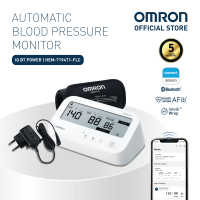
Omron Digital Blood Pressure Monitor BPM Machine Automatic Upper Arm IQ BT Power with Bluetooth
₱4,319.10₱4,799.00
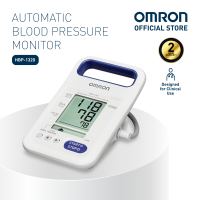
Omron Blood Pressure Monitor BPM Professional Digital Automatic Upper Arm HBP-1320
₱13,300.00₱14,000.00
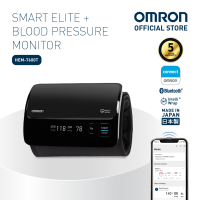
Omron Blood Pressure Monitor BPM Machine Automatic Digital Upper Arm with Bluetooth Smart Elite+ HEM-7600T
₱9,629.10₱10,699.00
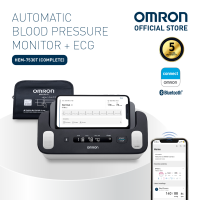
Omron Blood Pressure Monitor BPM Machine Automatic Digital Upper Arm Complete BPM + ECG HEM-7530T with Bluetooth
₱9,809.10₱10,899.00
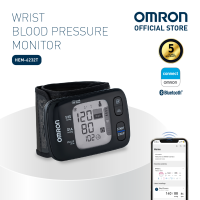
Omron Blood Pressure Monitor BPM Machine Automatic Digital Wrist Type with Bluetooth HEM-6232T
₱5,279.12₱5,999.00
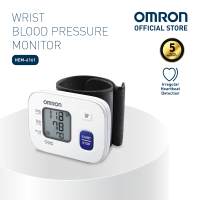
Omron Blood Pressure Monitor BPM Machine Automatic Digital Wrist Type HEM-6161
₱2,699.10₱2,999.00
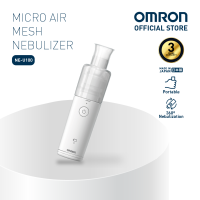
Omron Nebulizer Machine for Asthma Portable Mesh with Complete Set for Home use for Kids and Adults NE-U100
₱8,099.10₱8,999.00
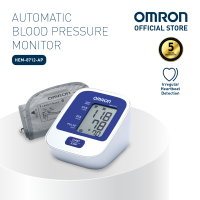
Omron HEM-8712 Automatic Upper Arm Blood Pressure Monitor BPM Digital
₱2,475.00₱2,750.00
About Omron
Overview
| Attribute | Details |
|---|---|
| Company Name | OMRON Corporation |
| Founded | May 10, 1933 |
| Founder | Kazuma Tateishi |
| Headquarters | Kyoto |
| Industry | Industrial Automation, Electronics, Healthcare Technology |
| CEO | Junta Tsujinaga |
| Employees | Approximately 26,000 worldwide |
| Global Presence | 130+ countries |
| Stock Exchange | Tokyo Stock Exchange (TYO: 6645) |
| Core Technologies | Sensing, Control, Robotics, AI, Industrial Automation |
OMRON Corporation is a Japanese multinational electronics and automation company best known for its industrial automation systems, healthcare devices, electronic components, and social infrastructure technologies. Headquartered in Kyoto, Japan, OMRON is recognized as one of the world’s leading innovators in sensing, control, robotics, and automation technologies. The company operates in more than 130 countries and regions and serves industries ranging from manufacturing and healthcare to transportation and energy. [1]
History
OMRON was established in 1933 in Osaka, Japan, under the name Tateisi Electric Manufacturing Co. by Kazuma Tateishi. The company’s first major product was a timer for X-ray photography, addressing the need for more accurate medical imaging equipment.
During the following decades, OMRON expanded rapidly through continuous innovation. In 1959, it officially adopted the OMRON trademark, named after the Kyoto district where one of its factories was located.
The company became famous for developing numerous “world-first” technologies, including:
-
First non-contact proximity switch (1960)
-
Electronic automatic traffic signal (1964)
-
Unmanned railway station system (1967)
-
Online cash machine (ATM) technology (1971)
These breakthroughs established OMRON as one of Japan’s most innovative technology companies. [1]
Business Segments
Today, OMRON operates through several major business divisions.
1. Industrial Automation
This is OMRON’s largest business.
Products include:
-
PLCs (Programmable Logic Controllers)
-
Sensors
-
Vision systems
-
Servo motors
-
Motion controllers
-
Safety devices
-
Collaborative robots
-
Autonomous mobile robots (AMRs)
These technologies help manufacturers automate production, improve quality, and increase efficiency.
Industries served include:
-
Automotive
-
Electronics
-
Semiconductor manufacturing
-
Food & beverage
-
Pharmaceuticals
-
Packaging
-
Logistics
2. Healthcare
OMRON is one of the world’s best-known healthcare brands.
Its healthcare division manufactures:
-
Blood pressure monitors
-
ECG monitors
-
Nebulizers
-
Body composition monitors
-
Digital thermometers
-
Pulse oximeters
The company is particularly recognized as a global leader in home blood pressure monitoring technology. [2]
3. Social Systems
OMRON develops technologies used in public infrastructure, including:
-
Railway ticket gates
-
Traffic control systems
-
Power management systems
-
Renewable energy solutions
-
Public transportation technologies
Many automated railway ticket gates used in Japan are based on OMRON technologies.
4. Electronic Components
OMRON manufactures millions of electronic components used inside consumer and industrial products.
Examples include:
-
Relays
-
Switches
-
Connectors
-
MEMS sensors
-
Power supplies
Its switches and relays are widely used in industrial equipment, home appliances, and computer peripherals.
5. Data Solutions
OMRON increasingly combines hardware with software, cloud platforms, AI, and analytics to help manufacturers optimize operations through predictive maintenance and smart factory technologies. [1]
Products
Some of OMRON’s best-known product categories include:
Industrial
-
PLC controllers
-
Machine vision systems
-
Industrial robots
-
Safety light curtains
-
Proximity sensors
-
Barcode readers
-
Inverters
-
Servo systems
Healthcare
-
Automatic blood pressure monitors
-
ECG devices
-
Thermometers
-
Nebulizers
-
Body fat analyzers
Electronic Components
-
Micro switches
-
Relays
-
Push-button switches
-
Connectors
-
Temperature controllers
Technology Philosophy
OMRON’s core technology is summarized by the phrase:
Sensing & Control + Think
This reflects its focus on:
-
Detecting real-world conditions with sensors
-
Controlling machines accurately
-
Applying intelligence through software, AI, and data
The company also follows the SINIC Theory, a long-term forecasting framework created by its founder that explores how technology and society influence one another. [1]
Innovation
OMRON invests heavily in research and development.
Notable innovations include:
-
Non-contact sensing technology
-
Machine vision
-
AI-assisted inspection systems
-
Collaborative robotics
-
Autonomous mobile robots
-
Predictive maintenance systems
-
Digital healthcare monitoring
These technologies are used in factories, hospitals, laboratories, transportation systems, and homes worldwide.
Global Presence
OMRON has:
-
Operations in more than 130 countries
-
Manufacturing facilities across Asia, Europe, and the Americas
-
Regional headquarters in Japan, Singapore, Hong Kong, Amsterdam, and Chicago
Its products are widely used in factories, hospitals, laboratories, transportation systems, and homes worldwide. [3]
Corporate Mission
OMRON’s corporate mission is:
“To improve lives and contribute to a better society.”
The company emphasizes solving social challenges through technology while promoting sustainability and responsible innovation. [1]
Major Achievements
-
Founded in 1933
-
Pioneer of industrial automation in Japan
-
Invented the world’s first non-contact proximity switch
-
Developed one of the first electronic traffic signal systems
-
Created the world’s first unmanned railway station system
-
Global leader in home blood pressure monitoring
-
Serves customers in more than 130 countries
-
Employs approximately 26,000 people worldwide [1]
Reputation
OMRON is widely regarded as a trusted brand in:
-
Industrial automation
-
Factory robotics
-
Electronic components
-
Home healthcare devices
-
Smart manufacturing
-
Sensing and control technologies
Its reputation is built on precision engineering, reliability, and continuous innovation, making it a common choice in manufacturing, healthcare, and infrastructure applications worldwide.