Shop on Lazada
Ovaltine products
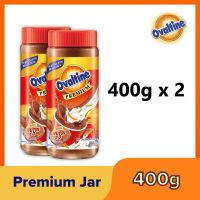
Ovaltine Premium 400g Jar Pair Bundle
₱447.00
Buy on Lazada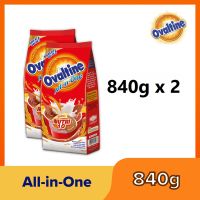
Ovaltine All-In-One 840g Pair Bundle
₱585.00
Buy on Lazada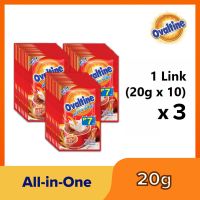
Ovaltine All-In-One 20g Sachet in Links (10s) Set of 3
₱251.00
Buy on Lazada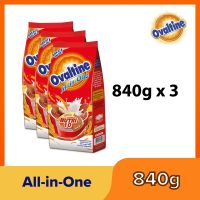
Ovaltine All-In-One 840g Set of 3
₱878.00
Buy on Lazada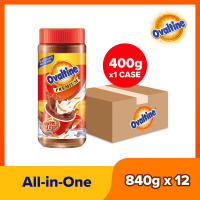
Ovaltine Premium 400g Jar 1 CASE
₱2,681.00
Buy on Lazada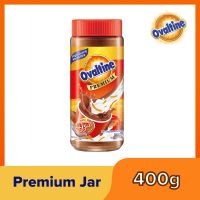
Ovaltine Premium 400g Jar
₱223.00
Buy on Lazada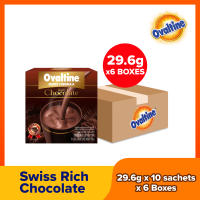
Ovaltine Swiss Rich Chocolate Set of 6
₱1,438.00
Buy on Lazada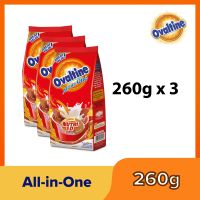
Ovaltine All-In-One 260g Set of 3
₱297.00
Buy on LazadaAbout Ovaltine
Ovaltine is a malt-based beverage brand with Swiss origins, best known for its powdered drink mixes made from malt extract and cocoa. The product was created in Bern, Switzerland, in 1904 by chemist and pharmacist Albert Wander, building on malt-extract research begun by his father, Georg Wander. In its original market, the product was called Ovomaltine; the name Ovaltine became widely used in English-speaking and several Asian markets.
Today, Ovaltine/Ovomaltine is an international brand owned within Associated British Foods (ABF). It is sold in more than 100 countries, although its recipes, product ranges, branding, and positioning vary considerably between markets.
Brand overview
| Item | Information |
|---|---|
| Brand | Ovaltine / Ovomaltine |
| Origin | Bern, Switzerland |
| Founded / launched | 1904 |
| Creator | Albert Wander |
| Original manufacturer | Wander AG |
| Category | Malt beverage / powdered drink mix |
| Core ingredients historically | Malt, milk, egg, cocoa |
| Parent group today | Associated British Foods (ABF) |
| Original name | Ovomaltine |
| International name | Ovaltine in many markets |
| Global presence | More than 100 countries |
| Swiss production | Neuenegg, Switzerland |
| Thailand | Produced by AB Food & Beverage (Thailand); its Samut Prakan factory is described by the Thai business as the world’s largest Ovaltine production facility |
The Thai operation is particularly important to the brand’s Asian business. AB Food & Beverage (Thailand), an ABF company headquartered in Bangkok, markets Ovaltine and Twinings across Southeast Asia, with its manufacturing facility in Samut Prakan.
Origins of Ovaltine
The story of Ovaltine begins before the brand itself existed. In 1865, Swiss pharmacist Georg Wander established a laboratory in Bern. He focused on nutrition and malnutrition, specifically researching malt produced from germinated barley. Wander developed a method to make malt extract shelf-stable, forming the foundation for a nutritional product intended for children and those who were weak or ill.1
After Georg Wander died in 1897, his son Albert Wander, also a pharmacist and chemist, continued the work. Albert experimented with improving the malt preparation by combining it with additional nutritional ingredients, including milk, egg, and cocoa. The resulting product was launched in 1904 as Ovomaltine.8
The name derives from the original formulation:
- Ovum — Latin for “egg”
- Malt — referring to malt
Thus, Ovomaltine combines the ideas of egg + malt.
From medicine to everyday beverage
Ovaltine did not originally begin as a conventional chocolate drink. When introduced in 1904, Ovomaltine was marketed as a medical/nutritional preparation and initially sold through pharmacies. Its purpose was associated with strengthening and nourishing people who were weak, exhausted, or inadequately nourished.
This positioning gradually changed. Healthy and physically active consumers began drinking Ovomaltine, particularly athletes. By 1922, Wander was marketing it as an ordinary food product, including as a breakfast drink and evening beverage.2
This transition—from pharmacy product → nutritional drink → family beverage—is central to the history of the brand.
International expansion
Ovaltine became international remarkably early. Only two years after its Swiss launch, Wander established sales operations in Italy and England in 1906. In 1913, the first Ovomaltine factory outside Switzerland opened at Kings Langley in England.39
The product subsequently expanded into overseas markets. The brand’s Swiss history records the beginning of overseas expansion in 1919, including a factory in Chicago and exports to Australia.
In Britain, America, and parts of Asia, the name evolved from Ovomaltine to Ovaltine. The difference is largely a matter of regional branding rather than two completely separate inventions.
Global naming variations
Two major names are encountered globally:
Ovomaltine
This is the name associated particularly with Switzerland and much of continental Europe.
Ovaltine
This is the name used in markets including the United Kingdom, the United States, and many Asian markets.
The underlying brand heritage is the same, but the products themselves can differ significantly by country. Formulations have changed over time and vary between markets.
Swiss identity
Although Ovaltine has become a global brand, its strongest historical identity remains Swiss. The original Swiss production site moved from Bern to Neuenegg in 1927. Today, the Neuenegg factory produces Ovomaltine for European markets.
The brand is sufficiently associated with Switzerland that Ovomaltine is regarded as one of the country’s iconic food and beverage brands. Wander states that 99% of Swiss citizens recognize Ovomaltine, illustrating its exceptional domestic brand awareness. Its recognizable orange-and-blue packaging has also become an important part of its visual identity.
Ovaltine and sports
Sports have played an unusually important role in Ovaltine’s marketing history. Ovomaltine began targeting athletes relatively early, positioning itself as a convenient and nourishing source of energy. According to Wander, the brand became an official beverage for athletes and officials at the 1932 Olympic Games and subsequently participated as a sponsor at numerous Olympic Games through 1976.
The brand also sponsored sporting events as early as the 1920s, making sports sponsorship an important part of its identity long before modern sports-drink marketing became commonplace.4
This helped establish a recurring brand association: Ovaltine → energy → activity → sports → strength. That positioning would later become particularly important in markets where Ovaltine was marketed to children and families.
Advertising and brand personality
Ovaltine has historically positioned itself around nutrition, energy, strength, and everyday vitality. One of its famous historical advertising messages was:
“Ovomaltine makes you stronger too!”
The slogan was used for generations and reinforced the brand’s association with physical capability and nourishment.
Later advertising became more playful. In 1999, the Swiss brand introduced the slogan:
“You won’t do it better with Ovomaltine – just longer.”
This reflected a shift from traditional nutritional advertising toward a more humorous and lifestyle-oriented brand personality. In other words, Ovaltine evolved from advertising itself as something close to a health product into a brand associated with enjoyment, family life, and an active lifestyle.
Product evolution
The original Ovomaltine was fundamentally a malt-based nutritional preparation. Its historical formulation involved malt from barley, milk, egg, cocoa, and other nutritional components. The exact formulation has changed considerably over the brand’s history, and modern products vary by market.
Today, the Ovaltine/Ovomaltine family includes considerably more than the original hot drink powder, depending on the country. Products have included:
- Powdered malt beverages
- Chocolate/malt drinks
- Ready-to-drink beverages
- Biscuits and cookies
- Chocolate products
- Snack products
- Spreads
- Cereal-related products
- Other confectionery and food products
For example, the Swiss business has developed products such as Ovo Sport and Ovomaltine Crunchy Cream, illustrating how the brand has expanded beyond a single beverage.5
Ovaltine in Thailand
Thailand is one of the markets where Ovaltine has developed a particularly strong local identity. The Thai business is operated by AB Food & Beverage (Thailand), part of Associated British Foods. The company states that its headquarters are in Bangkok and that it markets Ovaltine and Twinings throughout Southeast Asia.
An especially notable fact is that its Samut Prakan manufacturing facility is described by the company as the world’s largest Ovaltine production facility.6
This makes Thailand much more than simply an overseas sales market; it is an important manufacturing and regional distribution center for Ovaltine. In the Thai market, Ovaltine is strongly associated with children’s nutrition, family breakfasts, school-age consumers, chocolate-malt flavor, hot and cold beverages, family-oriented advertising, and everyday energy and nourishment.
The brand’s Thai communication uses the idea of providing positive value for everyday life, while retaining its long-established malt-drink identity.1
Ownership and corporate history
Ovaltine’s corporate ownership has changed several times. The brand originated under Wander AG, the Swiss company established by Georg Wander in 1865.
Wander AG was later acquired by Sandoz in 1967. Following the merger of Sandoz and Ciba-Geigy, Wander became part of Novartis. In 2002, Novartis sold Wander AG and its brands to Associated British Foods (ABF).4
Today, Wander AG is a wholly owned subsidiary of ABF. The Swiss company continues to manufacture and market Ovomaltine, while Ovaltine operations in other countries are managed through the relevant ABF businesses.
The simplified corporate lineage is: Georg Wander → Wander AG → Sandoz → Novartis → Associated British Foods
Associated British Foods
Associated British Foods, commonly abbreviated ABF, is a large British multinational group with businesses spanning food, ingredients, agriculture, and retail. For Ovaltine, ABF provides the corporate structure behind the modern international brand. The acquisition of Wander in 2002 brought Ovaltine/Ovomaltine under the same corporate group as other major food brands.
Ovaltine therefore remains historically Swiss in origin, while its current corporate ownership is British.
Ovaltine vs. Ovomaltine
A simple way to understand the relationship is:
| Ovaltine | Ovomaltine |
|---|---|
| International/regional name | Original/European name |
| Particularly common in English-speaking and Asian markets | Particularly associated with Switzerland and continental Europe |
| Same historical brand family | Same historical brand family |
| Recipes vary by market | Recipes vary by market |
| Malt-based beverage heritage | Malt-based beverage heritage |
They should not, however, be assumed to be identical products. Regional formulations, sweetness, ingredients, and product portfolios can differ.7
1865
Georg Wander establishes his laboratory in Bern and develops preserved malt extract.1
1897
Georg Wander dies; his son Albert Wander continues developing the company’s nutritional products.
1904
Ovomaltine is launched in Switzerland as a nutritional/medical preparation.8
1906
Ovomaltine expands into Italy and England.
1913
The first foreign Ovomaltine factory opens in Kings Langley, England.9
1919
Overseas expansion reaches the United States and Australia.
1922
Ovomaltine begins being sold as a normal food product rather than solely as a pharmacy preparation.2
1927
Swiss production moves from Bern to Neuenegg.
1932
Ovomaltine becomes associated with the Olympic Games and sports sponsorship.
1937
Ovo Sport, the first Ovomaltine snack, is introduced.
1959
The famous “Ovomaltine makes you stronger too!” advertising message becomes prominent.
1960s onward
Ovaltine/Ovomaltine becomes increasingly established as an international family and nutrition brand.
2002
Associated British Foods acquires Wander AG.4
2004
Ovomaltine celebrates its 100th anniversary.
2024
The brand reaches its 120th anniversary, marking 120 years since its original 1904 launch.
Today
Ovaltine/Ovomaltine is an international malt beverage brand available in more than 100 countries.
Brand identity
At its core, Ovaltine has historically been built around four ideas:
- Malt: The ingredient that distinguishes Ovaltine from ordinary cocoa drinks.
- Nutrition: The brand’s original reason for existing was to provide nourishment.
- Energy and strength: Its historical marketing strongly connected the product with physical activity and athletic performance.
- Family enjoyment: Over time, Ovaltine moved away from being perceived primarily as a medicinal preparation and became an everyday family beverage.
This gives Ovaltine an unusual brand history: it began with a functional nutritional proposition, but survived for more than a century by becoming an emotional and cultural food brand as well.
Why Ovaltine has remained relevant
There are several reasons for its longevity.
Strong historical heritage
Few beverage brands can trace their origins back to 1904 while maintaining a recognizable connection with the original product.8
Distinctive taste
Its combination of malt and cocoa differentiates it from conventional cocoa/chocolate drink powders.
Flexible positioning
The brand has been able to move between several roles: nutritional supplement → breakfast drink → sports drink → children’s drink → family beverage → snack/food brand.
Strong local adaptation
Rather than using exactly one global product, Ovaltine has adapted its products and marketing to individual markets.
Nostalgia
In countries such as Switzerland, Thailand, and the UK, Ovaltine has been consumed across multiple generations, giving it a strong nostalgic component.
Popular culture
Ovaltine’s long history has made it more than simply a beverage. Its advertising, distinctive packaging, sports sponsorship, and association with childhood have helped make it a recognizable cultural brand. In Switzerland, it is particularly deeply embedded in everyday life, while in markets such as Thailand it has developed its own local traditions and associations.
The brand’s orange packaging is especially recognizable in Switzerland, where Ovomaltine is considered one of the country’s best-known brands. The Swiss National Museum has also preserved and documented historical Ovomaltine advertising, demonstrating how significant the brand’s advertising history has been to Swiss consumer culture.
Differentiation from chocolate milk powder
The most important distinction is malt. A conventional chocolate drink powder is primarily built around cocoa/chocolate flavor and sweetness. Ovaltine’s identity is instead built around a malt extract base combined with cocoa and other ingredients.
That creates its characteristic flavor: less like pure chocolate and more like a combination of malted cereal, cocoa, and sweetness. This is also why the brand’s identity has historically been closer to “malt nutrition” than simply “chocolate milk.”
References
- Ovaltine | เติมพลังบวกเติมความสดใสกับ โอวัลติน มอลต์พาวเวอร์
- Ovaltine
- Wander AG
- Investegate
- From health drink to indulgent dessert: Ovaltine’s stirring journey – ABF
- Thai consumers favour Ovaltine’s Ready-to-drink products – ABF
- โอวัลติน
- About us – Ovaltine AU
- Object in Focus – Ovaltine painting – Dacorum Heritage