Shop on Lazada
Starbucks products
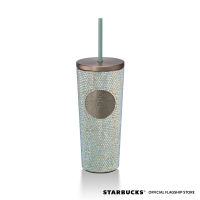
Starbucks 20oz Urban Haze Rhinestone Light Stainless Steel Dual Lid Cold Cup #UrbanHaze
₱7,295.00
Buy on Lazada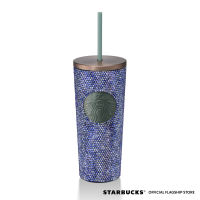
Starbucks 20oz Moon Rhinestone Purple Ghost Stainless Steel Dual Lid Cold Cup #BunnyMooncakeFeast
₱7,295.00
Buy on Lazada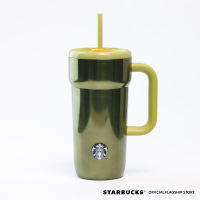
Starbucks 20oz Dante Verdant Meadows Stainless Steel Tumbler #VerdantMeadows
₱3,095.00
Buy on Lazada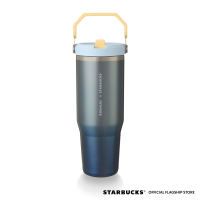
Starbucks 30oz Coastal Tides Iceflow Stainless Steel Tumbler #CoastalTides
₱3,455.00
Buy on Lazada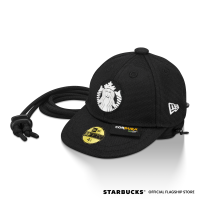
Starbucks New Era Mini Cap Bag NewEra
₱2,476.00₱3,095.00
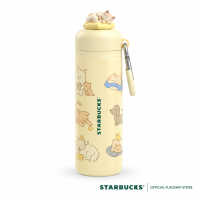
Starbucks 12oz Pawsome Holiday Cat Stainless Steel Tumbler #PawsomeFriends
₱2,195.00
Buy on Lazada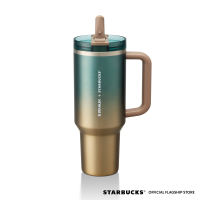
Starbucks 40oz Urban Haze Stanley Quencher Stainless Steel Cold Cup #UrbanHaze
₱3,375.00
Buy on Lazada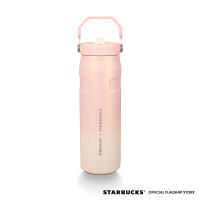
Starbucks 24oz Tropical Whimsy Ice Flow Stainless Steel Tumbler #TropicalWhimsy
₱3,595.00
Buy on LazadaAbout Starbucks
Starbucks Corporation is an American multinational coffeehouse chain and coffee company headquartered in Seattle, Washington. Founded in 1971, it has grown from a single coffee bean store in Seattle’s historic Pike Place Market into one of the world’s largest and most recognizable coffee brands. Starbucks is best known for its specialty coffee beverages, handcrafted espresso drinks, teas, baked goods, and café experience. The company operates thousands of company-owned and licensed stores in more than 80 markets worldwide. [1]
Overview
-
Company Name: Starbucks Corporation
-
Industry: Coffeehouse chain, Food & Beverage
-
Founded: March 30, 1971
-
Headquarters: Seattle, Washington, United States
-
Founders: Jerry Baldwin, Zev Siegl, and Gordon Bowker
-
Key Products: Coffee, espresso beverages, tea, cold drinks, bakery items, packaged coffee, ready-to-drink beverages
-
Business Model: Company-operated and licensed retail stores, consumer packaged goods, digital services, and loyalty programs. [2]
History
Starbucks was founded in 1971 by Jerry Baldwin, Zev Siegl, and Gordon Bowker. The original store sold only whole coffee beans, tea, spices, and coffee-making equipment rather than brewed coffee. The founders were inspired by the coffee roasting techniques of Alfred Peet, founder of Peet’s Coffee. [3]
A major turning point came in the early 1980s when Howard Schultz joined Starbucks. After visiting Italy, Schultz envisioned creating coffeehouses inspired by Italian espresso bars where customers could enjoy premium coffee in a welcoming social environment. Although the original founders were hesitant, Schultz eventually purchased Starbucks in 1987 and transformed it into the café model recognized today. [4]
The company expanded rapidly throughout the United States during the 1990s and internationally in the following decades, becoming a global leader in specialty coffee retail. [5]
Brand Name and Logo
The name Starbucks was inspired by Starbuck, the first mate in Herman Melville’s novel Moby-Dick. The founders wanted a name that reflected adventure, maritime history, and the tradition of coffee trading. [6]
The company’s iconic logo features a twin-tailed siren, derived from maritime mythology. Over the years, the logo has evolved into a simplified green-and-white design that has become one of the world’s most recognizable corporate symbols. [7]
Mission and Values
Starbucks’ current mission centers on creating meaningful human connections through coffee and community. The company emphasizes:
-
High-quality coffee sourcing and roasting
-
Customer experience
-
Ethical sourcing practices
-
Employee development
-
Environmental sustainability
-
Community engagement
-
Diversity, equity, and inclusion
Starbucks refers to its employees as “partners,” reflecting its philosophy of shared ownership and workplace culture. The company introduced the Bean Stock employee stock option program in 1991. [8]
Products and Services
Starbucks offers a wide range of products, including:
Coffee Beverages
-
Espresso
-
Americano
-
Cappuccino
-
Latte
-
Flat White
-
Mocha
-
Macchiato
-
Cold Brew
-
Nitro Cold Brew
Tea
-
Hot teas
-
Iced teas
-
Tea lattes
-
Chai beverages
Frappuccino® Blended Beverages
One of Starbucks’ signature product lines, available in coffee-based and crème-based varieties.
Food
-
Sandwiches
-
Breakfast items
-
Bakery products
-
Cakes
-
Cookies
-
Salads
-
Snacks
Retail Products
-
Whole bean coffee
-
Ground coffee
-
Coffee capsules
-
Tumblers
-
Mugs
-
Brewing equipment
-
Merchandise
Global Presence
Starbucks has expanded from a single Seattle store to thousands of locations across North America, Europe, Asia-Pacific, the Middle East, Latin America, and Africa. Stores operate through both company-owned and licensed business models, enabling the brand to serve millions of customers each week. [10]
Starbucks Experience
One of Starbucks’ greatest competitive advantages is the “Third Place” concept—a welcoming environment between home and work where people can relax, socialize, study, or work while enjoying coffee. This concept, introduced by Howard Schultz, helped distinguish Starbucks from traditional coffee retailers and contributed significantly to its global success. [11]
Sustainability
Starbucks invests in initiatives designed to improve environmental and social responsibility, including:
-
Ethical coffee sourcing
-
Farmer support programs
-
Waste reduction
-
Reusable cup initiatives
-
Sustainable packaging
-
Water conservation
-
Carbon emission reduction goals
These efforts are intended to support both coffee-growing communities and broader environmental objectives. [12]
Digital Innovation
Starbucks has been an early adopter of digital customer engagement through:
-
Mobile ordering
-
Cashless payments
-
Rewards and loyalty programs
-
Personalized offers
-
Delivery partnerships
Its digital ecosystem has become an important driver of customer retention and sales in many markets. [13]
Competitive Position
Starbucks is widely regarded as one of the world’s leading specialty coffee brands. Its competitive strengths include:
-
Strong global brand recognition
-
Premium product positioning
-
Consistent customer experience
-
Extensive retail network
-
Innovation in beverages and seasonal offerings
-
Robust digital ecosystem
-
High customer loyalty
Interesting Facts
-
Starbucks opened its first store in Seattle’s Pike Place Market in 1971.
-
The company originally sold only coffee beans, tea, and spices.
-
The name “Starbucks” comes from Moby-Dick.
-
Employees are called “partners.”
-
The green siren logo has become one of the most recognizable corporate logos worldwide.
-
Seasonal drinks, such as the Pumpkin Spice Latte, have become global cultural phenomena. [14]
Summary
Starbucks transformed the coffee industry by combining premium coffee with a distinctive café experience centered on comfort, community, and consistency. Since its founding in 1971, the company has evolved from a local coffee bean retailer into a global brand with thousands of stores, serving millions of customers while continuing to innovate in beverages, digital services, and sustainability. [15]