Shop on Lazada
Paldo products
![[Paldo] ARIH Modern Noodle Ramen 7Types BTS Picks/BTS Special Edition 4ea](https://filebroker-cdn.lazada.com.my/kf/S9bdf60c360e14c399e6112b5f0cf887fA.png_200x200q80.jpg)
[Paldo] ARIH Modern Noodle Ramen 7Types BTS Picks/BTS Special Edition 4ea
₱1,134.00₱1,454.00
Paldo Pororo Apple Juice Drink 235mL
₱48.00
Buy on Lazada
Paldo Bibim Myeon 650g (130g x 5pcs)
₱289.00₱325.00
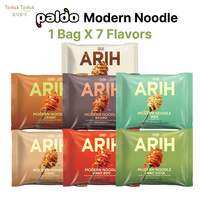
PALDO ARIH Modern Noodle Cup 7 Flavors Modern Noodle 7 Flavors BTS Ramen
₱1,925.00₱2,274.00
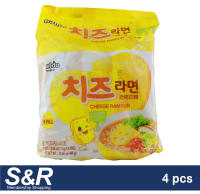
Paldo Cheese Ramyun Instant Noodle (111g x 4pcs)
₱218.00
Buy on Lazada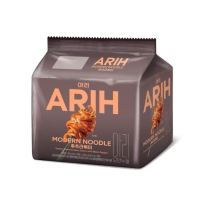
BTS ARIH Modern Noodle 4 Packs Korean Ramen
₱850.00₱1,622.00
![[Paldo] ARIH Modern Noodle Cup Best 7 Types (BTS Collaboration)](https://filebroker-cdn.lazada.com.my/kf/Sab884b96482b44d49c2b8145495c9e3a5.png_200x200q80.jpg)
[Paldo] ARIH Modern Noodle Cup Best 7 Types (BTS Collaboration)
₱633.00₱960.00
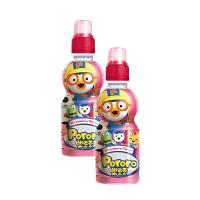
Paldo Pororo Drink Strawberry 235ml
₱115.62₱148.00
About Paldo
Overview
Paldo Co., Ltd., widely referred to as Paldo, is a South Korean food and beverage manufacturer best known internationally for its instant noodles, particularly Bibimmen, Dosirac, and Jumbo Noodle. Beyond noodles, the company produces beverages, snacks, ready-to-eat meals, and other Korean food products. Paldo positions itself as a global Korean food company, with products currently exported to more than 80 countries.1
| Category | Information |
|---|---|
| Korean name | 팔도 |
| English name | Paldo |
| Company | Paldo Co., Ltd. |
| Country of origin | South Korea |
| Established | 1983 |
| Independent company | 2012 |
| Industry | Food and beverage |
| Best known for | Instant noodles and Korean beverages |
| Major brands/products | Bibimmen, Dosirac, Jumbo Noodle, Pororo Drink, Rice Punch |
| Global reach | 80+ countries |
| Headquarters | Seocho-gu, Seoul, South Korea |
| 2024 exports | US$128 million |
The company maintains its headquarters in Seocho-gu, Seoul, and lists Kwon Sung-gyun as its current CEO.2
History
Origins and early milestones
Paldo traces its origins to 1983 when it was established as the ramen and snack division of Korea Yakult (now hy). In August 1983, the company adopted “Paldo” as the unified brand name for its ramen business, launching Paldo Ramen the following month.3 The name Paldo translates to “eight provinces,” referencing Korea’s traditional geographic divisions and evoking the diversity of regional culinary traditions.4
Key milestones in the company’s early development include:
- 1983: Establishment of the Paldo brand and launch of Paldo Ramen.
- 1984: Introduction of Paldo Bibimmen.
- 1986: Launch of Dosirac.
- 1990: Introduction of Jumbo Noodle.
- 1992: Establishment of a Russian subsidiary centered on the Dosirac business.
- 1993: Launch of Rice Punch (Sikhye).
- 2007: Launch of Pororo Beverage.
- 2011: Exports reached US$30 million.
- 2012: Paldo Co., Ltd. became an independent company.
- 2021: Exports exceeded US$100 million.
- 2024: Exports reached US$128 million.16
Independence from Korea Yakult
A pivotal moment in the company’s history occurred in 2012. After operating under Korea Yakult for nearly three decades, the business was spun off in January 2012 as an independent entity, Paldo Co., Ltd.5 This separation allowed the company to establish its own identity as a comprehensive food manufacturer rather than functioning solely as a ramen division. Since becoming independent, Paldo has diversified its portfolio to include beverages, ready-to-eat foods, snacks, international operations, and logistics.6
Major products
Paldo Bibimmen
Bibimmen is widely considered Paldo’s signature product. Introduced in 1984, it differs from conventional instant ramen by being served without broth; the noodles are cooked, rinsed, and tossed in a sweet, spicy, and tangy sauce.7 Paldo describes Bibimmen as Korea’s number one bibim-style instant noodle and identifies it as a flagship product for international markets.8 Its introduction helped establish the non-soup noodle category within the Korean instant noodle market.9
Dosirac
Launched in 1986, Dosirac holds historical significance as the product that demonstrated the viability of Korean instant noodles in overseas markets. It achieved particular success in Russia, where Paldo established a subsidiary in 1992. The company currently designates Dosirac as its global flagship and a leading brand in the Russian instant noodle sector. The name derives from dosirak, the Korean term for a packed meal or lunchbox.
Jumbo Noodle and King Noodle
Introduced in 1990, Jumbo Noodle is characterized by its large bowl format and remains a key export product. Paldo identifies it as Korea’s leading big-bowl noodle.10 The company also produces King Noodle, a large cup-style instant noodle available in variants such as spicy chicken and mild chicken, which forms part of its current international lineup.11
Other instant noodles
Throughout the 2000s and 2010s, Paldo expanded its noodle portfolio beyond its original offerings. Additional products include Kokomen, Teumsae Ramen, Kkokomen, Namja Ramen, Paldo Jjajangmen, Paldo Buljjjamppong, and King Ttukbaegi/King Ttukkeong-type products, alongside various cup noodles and region-specific items.
Beverages
While primarily recognized for noodles, beverages constitute a significant portion of Paldo’s business.
- Rice Punch (Sikhye): Launched in 1993, this traditional Korean sweet rice drink is one of the company’s most established non-noodle products.12
- Pororo Drink: A children’s beverage licensed from the popular Korean animated character Pororo. Paldo lists multiple flavors including milk, strawberry, apple, blueberry, mango, peach, green grape, and tropical fruit.
- Aloe Drinks: The company manufactures aloe-based beverages containing aloe vera pieces.13
International expansion
Internationalization has been central to Paldo’s growth strategy. Export activities began in 1984, with shipments to Japan commencing in 1986 and to Russia in 1992.14 Russia emerged as a critical market due to the success of Dosirac, after which the company expanded into North America, Southeast Asia, and other regions. Current corporate information states that Paldo products are exported to more than 80 countries, with the United States, Russia, and Southeast Asia highlighted as key markets.15
Export revenue milestones include:
| Year | Export milestone |
|---|---|
| 2011 | US$30 million |
| 2015 | US$50 million |
| 2020 | US$70 million |
| 2021 | US$100 million |
| 2024 | US$128 million |
Paldo maintains international organizations and operational bases in several countries. Its official website lists a presence in Makati City, Philippines, alongside operations or offices in the United States, Indonesia, and India.
Role in K-Food
Paldo participates in the broader global expansion of K-Food but distinguishes itself through product diversification. Rather than focusing exclusively on spicy soup-based ramen, the company has built international recognition across multiple categories, including bibim noodles, large-format bowl noodles, packed-meal-style noodles, traditional Korean beverages, children’s drinks, snacks, and ready-to-eat foods. Consequently, Paldo positions itself as a comprehensive global Korean food company rather than solely a ramen manufacturer.
Business areas
Paldo currently operates across five primary business segments:
- Ramen and instant foods: The core business, encompassing traditional instant noodles, cup noodles, and specialized flavors.
- Beverages: Production of traditional drinks like Sikhye, children’s beverages like Pororo, and aloe drinks.
- Exports: International sales distributed across Asia, North America, Europe, and other markets.
- Imports: Importation of food, snack, and health-related products for distribution within Korea.
- Logistics: Operation of six distribution centers in Korea supporting product movement from manufacturing to consumers.
Brand identity
The name Paldo (“eight provinces”) reflects the company’s philosophy of uniting diverse regional tastes and food traditions. Corporate materials emphasize quality, distinctive flavor, customer satisfaction, and innovation, with the logo representing high customer expectations and a pioneering spirit. The company’s stated mission focuses on building a healthier society, while its vision aims to become a comprehensive global nutrition company that prioritizes customers.
Comparison with other Korean ramen companies
Paldo operates in the same market as major competitors but maintains a distinct product identity:
| Company | Particularly associated with |
|---|---|
| Paldo | Bibimmen, Dosirac, Jumbo Noodle, beverages |
| Nongshim | Shin Ramyun and other soup-based noodles |
| Samyang Foods | Buldak/Buldak spicy noodles |
| Ottogi | Jin Ramen, Jinjjambbong, curry and other foods |
Paldo’s primary differentiators are its long-standing expertise in brothless bibim-style noodles through Bibimmen and its established international presence via Dosirac.
Corporate development timeline
- 1983: Paldo brand established within Korea Yakult; Paldo Ramen launched.
- 1984: Bibimmen launched.
- 1986: Dosirac launched; reverse exports to Japan begin.
- 1990: Jumbo Noodle launched.
- 1992: Russian subsidiary established.
- 1993: Rice Punch/Sikhye launched.
- 2007: Pororo Beverage launched.
- 2009: Teumsae Ramen introduced.
- 2011: Kkokomen launched; exports reach US$30 million.
- 2012: Paldo Co., Ltd. becomes an independent company.
- 2015: Exports reach US$50 million.
- 2020: Exports reach US$70 million.
- 2021: Exports reach US$100 million.
- 2022: King Ttukbaegi/King Ttukkeong and other new products introduced.
- 2023–2024: Expansion of Vietnamese production and international food operations.
- 2024: Exports reach US$128 million.16
Current status
Paldo has evolved from a domestic ramen business into a multinational food and beverage company with a portfolio spanning instant noodles, ready-to-eat meals, traditional and children’s beverages, snacks, and other food products. Bibimmen and Dosirac remain its most internationally recognizable items, while the company continues to expand its product range and overseas manufacturing and distribution networks. With products available in more than 80 countries, Paldo stands as a significant participant in the worldwide spread of K-Food.15