Shop on Lazada
Bombay Sapphire products
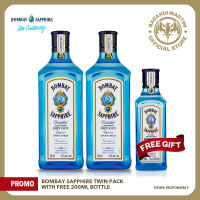
BOMBAY SAPPHIRE Gin 750ml Twin Pack w/ free 200ml - 47% ABV
₱2,220.00
Buy on Lazada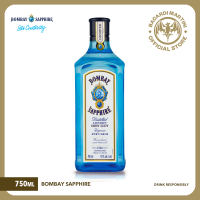
Bombay Sapphire Gin Vapour Infused Spirit with Exotic Botanicals 47% ABV 75cl / 750ml
₱1,110.00
Buy on Lazada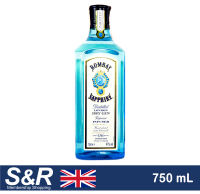
Bombay Sapphire Distilled London Dry Gin 750mL
₱996.00
Buy on Lazada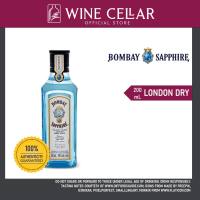
Bombay Sapphire London Dry Gin Mini 200mL
₱495.00₱1,008.00
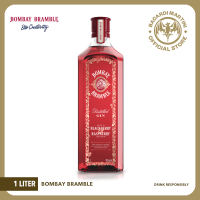
BOMBAY Bramble Gin - 1 Liter 43% ABV - Bold Berried Flavour & No Added Sugar
₱1,700.00
Buy on Lazada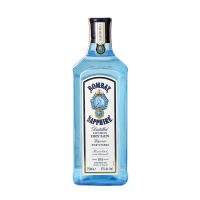
Bombay Sapphire 750ml
₱1,110.00
Buy on Lazada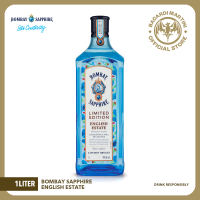
BOMBAY SAPPHIRE English Estate - 1 Liter 47% ABV
₱1,985.00
Buy on Lazada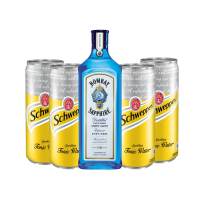
Bombay Sapphire Gin 750ml with Schweppes Tonic Water 4-pack
₱1,718.00
Buy on LazadaAbout Bombay Sapphire
Overview
Bombay Sapphire is a premium English gin brand owned by Bacardi Limited. It is best known for its distinctive sapphire-blue bottle, botanical-forward flavor profile, and unique vapour-infusion distillation process. The brand’s identity centers on botanical complexity, craftsmanship, exploration, and contemporary sophistication.
Unlike traditional gin-making methods where botanicals are boiled directly with the spirit, Bombay Sapphire employs vapour infusion. During this process, alcohol vapour passes through baskets containing botanicals, allowing their aromatic compounds to be extracted more gently. The brand states that this technique contributes to its characteristic fresh, bright, and complex flavor 1.
The brand is particularly recognizable due to its blue bottle, which is inspired by the Star of Bombay sapphire 2.
History
Origins of the recipe
Bombay Sapphire’s modern brand story links its recipe to 1761, when English distiller Thomas Dakin developed a gin recipe that later became associated with the brand’s heritage. Bacardi describes the current Bombay Sapphire recipe as being based on this historical tradition 21.
The production philosophy also draws on the development of Carterhead stills in the 19th century. Bombay Sapphire continues to use historic Carterhead stills alongside newer equipment at Laverstoke Mill 1.
Launch of Bombay Sapphire
The Bombay Sapphire brand emerged in the 1980s. Sources commonly cite 1986/1987 as the launch period, with the brand originally associated with International Distillers & Vintners (IDV) 3.
This launch was significant because Bombay Sapphire was positioned not merely as another gin, but as a premium, design-conscious, and botanically sophisticated spirit. Its marketing placed unusual emphasis on individual botanical ingredients and the distillation method, helping to establish a modern image for gin.
Acquisition by Bacardi
Bombay Sapphire subsequently changed ownership. Bacardi acquired the Bombay and Bombay Sapphire gin brands in the late 1990s, integrating Bombay Sapphire into one of the world’s largest privately held spirits portfolios. Bacardi’s corporate history records the acquisition in 1998 2. Today, Bombay Sapphire remains part of the Bacardi Limited portfolio 1.
Laverstoke Mill
One of the most important developments in the brand’s history was the establishment of its modern home at Laverstoke Mill in Hampshire. The historic mill was redeveloped as a dedicated distillery, and the Bombay Sapphire visitor experience opened in 2014. The site combines historic industrial architecture with modern distillation facilities and botanical glasshouses 1.
Located in rural Hampshire near Whitchurch and Overton, Laverstoke Mill is more than a manufacturing site; it has become an integral part of the brand’s identity. Visitors can learn about the botanicals, distillation process, and history of Bombay Sapphire through tours and experiences 1.
Botanicals
Botanicals are central to Bombay Sapphire’s identity. The classic gin uses 10 principal botanicals, selected from different parts of the world:
- Juniper berries
- Coriander
- Lemon peel
- Orris root
- Angelica root
- Cassia bark
- Almonds
- Liquorice
- Cubeb berries
- Grains of Paradise
The brand emphasizes that each botanical contributes a distinct aromatic or flavor characteristic 1. These ingredients are deliberately presented as a key part of the product rather than as an undisclosed formula.
Flavor profile
Bombay Sapphire aims for a profile described as:
- Juniper-led
- Citrus-forward
- Lightly spicy
- Floral and aromatic
- Fresh
- Complex but relatively approachable
The brand describes the resulting character as smooth, complex, fresh, and bright 1.
Vapour Infusion
The most distinctive element of Bombay Sapphire’s production is its vapour-infusion process.
In simplified terms:
Neutral spirit → heating → alcohol vapour → botanical baskets → aromatic extraction → condensation → gin
Instead of placing all botanicals directly into the boiling spirit, Bombay Sapphire suspends them in perforated copper baskets. As alcohol vapour passes through the baskets, it picks up aromatic compounds from the botanicals 1.
The process was pioneered using Carterhead still technology associated with the Dakin family in the 1830s. Bombay Sapphire still uses historic Carterhead stills named Tom and Mary, while also operating larger modern copper pot stills called Henry and Victoria 1. This technique supports the brand’s claim that the botanicals are gently infused rather than simply boiled.
Iconic Blue Bottle
Perhaps no element of Bombay Sapphire is more recognizable than its packaging. The bottle is made from blue/sapphire-colored glass, giving the gin a distinctive appearance on bar shelves.
According to Bacardi, the design is inspired by the Star of Bombay, a famous violet-blue sapphire 2. The packaging reinforces the brand name: Bombay + Sapphire → exoticism + precious gemstone + luxury. The bottle has become a major part of Bombay Sapphire’s visual identity, distinguishing it from clear-bottled gins on the market.
Brand Name Origin
The word Bombay refers to the former name of Mumbai, India. The name connects to the historical association between gin, tonic, and British India. Gin and tonic became particularly associated with British colonial life in India, although the modern Bombay Sapphire brand itself is an English gin brand rather than an Indian spirit 3.
The second half of the name, Sapphire, refers to the blue gemstone imagery used by the brand and its iconic bottle. Consequently, the name was designed to evoke an image of exotic travel, India, gemstones, and luxury.
Brand Identity
Bombay Sapphire’s branding revolves around several themes:
1. Botanical craftsmanship
The brand makes its ingredients highly visible. The ten botanicals are central to its storytelling and packaging.
2. Exploration
The botanicals come from different geographic regions, allowing Bombay Sapphire to build a narrative around discovering ingredients from around the world 1.
3. Creativity
Bombay Sapphire has historically associated itself with creativity, art, design, and imaginative experiences rather than presenting itself purely as a traditional spirits brand.
4. Premium sophistication
The blue bottle, botanical story, and distinctive production technique position Bombay Sapphire above basic mass-market gin.
5. Modern gin culture
The brand has played a role in making gin attractive to a broader contemporary cocktail audience, particularly through drinks such as the Gin & Tonic, Negroni, Martini, and various gin-based spritzes.
Sustainability
Sustainability has increasingly become part of Bombay Sapphire’s corporate and brand narrative. The company states that its ten core botanicals are sustainably sourced 21.
The Laverstoke Mill distillery was designed with environmental considerations and received an Outstanding rating from BREEAM, a building sustainability assessment system. In 2023, the site achieved Wildlife Habitat Council certification, reflecting conservation and biodiversity initiatives at the distillery 1. This adds a dimension to the botanical story: ingredients are presented not only as flavor components but also as natural resources sourced responsibly.
Product Portfolio
The classic Bombay Sapphire London Dry Gin remains the flagship product. The wider Bombay portfolio has expanded into other expressions and related products, including premium and super-premium variants. Examples include:
- Bombay Sapphire
- Bombay Sapphire Premier Cru Murcian Lemon
- Bombay Citron Pressé
- Other limited-edition and flavored expressions released in different markets
The exact portfolio varies by country and over time 1. The flagship Bombay Sapphire remains the core expression around which the brand is built.
Cocktails
Bombay Sapphire is particularly suited to cocktails because its botanical profile is designed to remain expressive when combined with mixers and other ingredients.
Classic applications include:
- Gin & Tonic
- Negroni
- Martini
- Gin Mule
- Tom Collins
- Gin Spritz
- Bramble
- Various citrus- and herb-based cocktails
The brand promotes a range of cocktails including Gin & Tonic, Negroni, Gin Mule, Red Snapper, and several contemporary twists 1. The classic Bombay Sapphire & Tonic is particularly important to the brand as it emphasizes the gin’s botanical and citrus characteristics without requiring a complicated recipe.
Marketing and Advertising
Bombay Sapphire has historically distinguished itself through visual and experiential marketing. Rather than focusing exclusively on traditional spirits advertising, the brand frequently connects gin with:
- Art
- Fashion
- Design
- Music
- Creativity
- Travel
- Contemporary culture
- Sustainability
- Experiential events
In 2026, the brand’s global platform is “Step Into The Blue,” which uses the blue color associated with the bottle as a metaphor for entering an imaginative and visually rich world 1. This approach aligns with the brand’s long-running emphasis on imagination and creativity.
Market Position
Bombay Sapphire occupies the premium gin segment. Its competitive identity can be summarized as:
A globally recognized premium gin combining botanical complexity, distinctive packaging, and an unusual distillation method.
Its biggest differentiator is arguably not simply the taste, but the entire brand system: blue bottle + ten botanicals + vapour infusion + English heritage + global ingredients + cocktail culture. This combination makes Bombay Sapphire one of the most recognizable contemporary gin brands.
Ownership
Bombay Sapphire is owned by Bacardi Limited, the global spirits company whose portfolio also includes brands such as BACARDÍ rum and GREY GOOSE vodka. Bacardi acquired Bombay and Bombay Sapphire in the late 1990s 2. The brand operates as part of a large international spirits group while maintaining its distinct identity as an English gin brand.
Distillery and Tourism
The Bombay Sapphire Distillery at Laverstoke Mill has become a tourist attraction as well as a production facility. The site offers experiences that explain:
- The history of Bombay Sapphire
- The botanicals
- Vapour infusion
- The distillation equipment
- The architecture of Laverstoke Mill
- The role of sustainability in the site
The distillery features botanical glasshouses designed as part of the visitor experience 1. This is strategically important as visitors can experience the physical place and process behind the brand.
Brand Significance
Bombay Sapphire’s importance in the spirits industry stems from its contribution to the modern premium-gin category. Historically, gin was often marketed primarily around its use in classic mixed drinks. Bombay Sapphire helped make the gin itself part of the consumer conversation by emphasizing: botanicals → provenance → distillation → design → craftsmanship. This helped establish a template that many later premium gin brands would also use. Its blue bottle also became one of the most recognizable pieces of spirits packaging in the world.
Timeline
| Year/Period | Event |
|---|---|
| 1761 | Historical recipe tradition associated with Thomas Dakin |
| 1830s | Carterhead vapour-infusion technology associated with the Dakin family |
| 1980s | Bombay Sapphire brand launched |
| Late 1990s | Acquired by Bacardi |
| 2011 | Plans announced for production at Laverstoke Mill |
| 2014 | Laverstoke Mill distillery/visitor experience opened |
| 2023 | Laverstoke Mill received Wildlife Habitat Council certification |
| 2026 | Brand continues globally under Bacardi; “Step Into The Blue” serves as a major global brand platform |
The exact launch year is reported inconsistently as 1986 or 1987 in different sources, so it is safest to describe Bombay Sapphire as having been launched in the mid-1980s 3.