Shop on Lazada
Perrier products
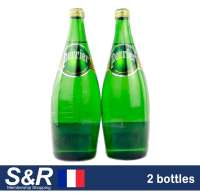
Perrier Sparkling Drinking Water 750 ml x 2 pcs
₱254.00
Buy on Lazada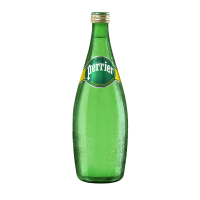
Perrier Natural Sparkling Water 750ml - Pack of 2
₱217.50₱250.00
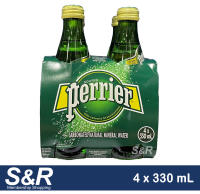
Perrier Original Carbonated Natural Mineral Water (330mL x 4pcs)
₱340.00
Buy on Lazada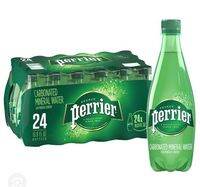
(Iline) Perrier Sparkling Water 500 ML x 24
₱2,999.00₱3,499.00
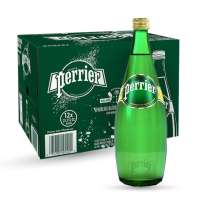
Perrier Sparkling Water 750mL X 12
₱2,099.00₱2,299.00
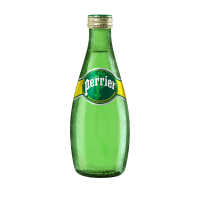
Perrier Natural Sparkling Water 330ml - Pack of 4
₱289.00₱340.00
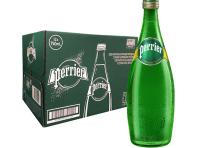
Perrier Sparkling Water 750mL x 12
₱2,199.00₱2,499.00
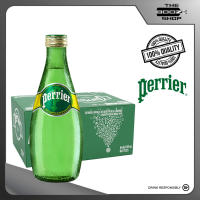
Perrier Sparkling Water 330ml x 24 (Case)
₱3,360.00
Buy on LazadaAbout Perrier
Overview
Perrier is a French brand of natural sparkling mineral water recognized globally for its intense carbonation, distinctive green bottle, and sophisticated French identity. The brand’s history traces back to 1863, when the Les Bouillens spring in Vergèze, located in the Gard department of southern France, received authorization for commercial use 1. Today, Perrier stands as one of the world’s most prominent sparkling water brands and forms a key part of Nestlé’s water portfolio 1.
| Category | Information |
|---|---|
| Brand | Perrier |
| Industry | Beverages / Bottled water |
| Product category | Natural sparkling mineral water |
| Country of origin | France |
| Origin/source | Vergèze, Gard, southern France |
| Founded / origins | 1863 |
| Named after | Dr. Louis-Eugène Perrier |
| Parent company | Nestlé |
| Signature product | Perrier sparkling natural mineral water |
| Signature packaging | Green bottle |
| Brand character | French, energetic, sophisticated, playful |
| Known for | Strong carbonation, distinctive taste, iconic advertising and packaging |
| International reach | Sold in more than 140 countries, according to Nestlé 3 |
Origins and early history
The origins of Perrier lie with the Les Bouillens spring in Vergèze, a natural source known for centuries. Historical accounts describe the water as originating from rainwater that percolates through limestone formations in the region, becoming naturally mineralized underground 2. In 1863, French Emperor Napoleon III granted authorization for the exploitation of this spring 1. Alphonse Granier, the site’s owner at the time, developed it into a thermal spa, initially associating the source with therapeutic bathing and the burgeoning European spa culture of the 19th century 1. During this period, the source was known as Les Bouillens rather than Perrier 2.
Dr. Louis-Eugène Perrier
A pivotal moment occurred in the late 19th century when Dr. Louis-Eugène Perrier, a physician specializing in mineral waters and thermal treatments, became involved with the spring. He studied the water’s properties and developed techniques for capturing and combining the water with carbon dioxide 1. The brand eventually adopted his name in recognition of his contributions.
The creation of the Perrier identity
Sir John Harmsworth, an English businessman, played a crucial role in the early commercial history of Perrier. After becoming acquainted with Dr. Perrier, Harmsworth acquired the source and renamed the product Perrier in honor of the doctor. He is credited with transforming a local French mineral water source into an international beverage brand 2. Harmsworth also introduced the distinctive green glass bottle, which became central to the brand’s identity. His connections in Britain helped establish a strong market presence there before the brand achieved equal fame in France 2.
From French mineral water to international brand
By the early 20th century, Perrier had cultivated a reputation as a premium table water. The company marketed it as an elegant alternative to ordinary drinking water, associating the brand with sophistication and social occasions. In Britain specifically, Perrier acquired a prestigious image linked to the royal establishment 2. International expansion followed rapidly; by the early 1900s, the brand was sold in markets well beyond France, including Britain and parts of the British Empire. In 1908, Perrier won a Grand Prix at the Franco-British Exhibition, reportedly selling millions of bottles in Britain and its colonies 2. This success established a defining characteristic of the brand: French in origin but international in appeal.
The iconic green bottle
The Perrier bottle is nearly as recognizable as the water itself. Its traditional design features a distinctive green color and elongated shape, providing a visual identity that distinguishes it from other bottled water brands. According to historical accounts, Sir John Harmsworth’s rehabilitation following a 1906 accident involved exercise with Indian clubs, which is traditionally cited as the inspiration for the bottle’s unique shape 2. Over the decades, this packaging became integral to the brand strategy, positioning sparkling water not merely as a functional commodity but as a lifestyle product.
Composition and characteristics
Perrier is classified as natural mineral water with added carbon dioxide. Its source in Vergèze features groundwater moving through limestone formations, acquiring a characteristic mineral composition 1. The standard product’s listed mineral composition includes approximately:
- Calcium: 150 mg/L
- Magnesium: 3.9 mg/L
- Sodium: 9.6 mg/L
- Sulfate: 25.3 mg/L
- Bicarbonate: 420 mg/L
- Chloride: 19.5 mg/L
- Potassium: less than 1 mg/L
- Total dry residue at 180°C: 456 mg/L
These values are derived from French product information and may vary by market 2. The defining sensory characteristic remains its high level of carbonation, with the brand’s identity built around the combination of mineral water and vigorous bubbles.
Carbonation process
Carbonation is fundamental to the Perrier brand. Historically, Dr. Perrier developed techniques for capturing gas associated with the source to reinforce the water’s natural effervescence 2. However, the production process has evolved. Beginning in 2018, Perrier introduced CO₂ from an external source as part of an effort to reduce its water footprint while maintaining the established blend of water and gas 2. Consequently, the bubbles are considered a manufactured element of the brand identity rather than solely an incidental natural characteristic.
Perrier and Nestlé
Perrier joined the Nestlé group in 1992, when Nestlé acquired several major French water brands, including Vittel, Contrex, and Hépar. This acquisition facilitated the formation and expansion of Nestlé Waters in France 1. Currently, Perrier sits within Nestlé’s portfolio of natural mineral and purified water brands alongside S.Pellegrino and Acqua Panna. Nestlé describes Perrier as offering a distinctive combination of bubbles and balanced mineral content 1.
Brand positioning
Perrier has historically marketed water similarly to a fashion or lifestyle brand. Rather than focusing exclusively on hydration and health, the brand builds its identity on concepts such as French sophistication, energy, youthfulness, creativity, humor, art, design, social occasions, and individuality. This positioning distinguishes Perrier from ordinary bottled water. Its visual identity and advertising frequently portray the product as fun, stylish, rebellious, and contemporary rather than merely practical.
Advertising and popular culture
Advertising remains one of Perrier’s greatest strengths. The brand is renowned for creative campaigns that treat sparkling water as a luxury or entertainment product, frequently utilizing humor, surrealism, sensuality, animation, celebrity collaborations, and contemporary art. This approach has transformed the bottle into a recognizable cultural object. Collaborations with major artists have contributed significantly to its iconic status, making it a globally recognized French sparkling water brand with a distinct cultural identity 1.
Visual language
The brand’s visual identity encompasses several key elements:
- Green: The classic green bottle serves as the most recognizable physical asset.
- Bubbles: Imagery of bubbles communicates the product’s essential effervescence.
- French identity: Communication consistently references the brand’s French origin and southern heritage.
- Playfulness: Energetic, humorous, and unconventional imagery replaces the conservative visual language typical of traditional mineral water brands.
- Premium positioning: Packaging and presentation suit restaurants, cafés, hotels, and social occasions alongside everyday consumption.
Product range
While the core offering is Perrier natural mineral water, the brand has developed numerous variations. Depending on the market, products may include original sparkling mineral water, flavored variants, and different formats such as glass bottles, plastic bottles, cans, and Perrier Fines Bulles. Availability differs by country, and product information distinguishes the standard offering from other variations 1.
Perrier and food
Perrier positions itself as a table water suitable for consumption alongside meals. Its carbonation makes it particularly appropriate for French cuisine, restaurant dining, cafés, cocktails, mocktails, and premium food experiences. The strong carbonation provides a sharper, more refreshing mouthfeel compared to still mineral water.
Association with Roland-Garros
Perrier maintains a significant connection to sports, particularly tennis. The brand has been associated with Roland-Garros, the French Open tennis tournament, since 1978, making it one of the event’s longest-standing commercial partners 1. This partnership aligns with the broader brand positioning of energy, movement, French culture, and premium lifestyle.
Environmental issues and source protection
As a natural mineral water brand, Perrier depends fundamentally on protecting its underground resource. The water originates beneath the Vergèze area, and the surrounding watershed, or “impluvium,” is critical for maintaining aquifer quality and replenishment 1. Initiatives undertaken include catchment area protection, biodiversity conservation, sustainable agricultural practices, groundwater monitoring, and water resource management. Since 2020, for example, Perrier has supported planting thousands of shrubs and hedges around partner farms to promote biodiversity, reduce runoff, and improve water infiltration 2. The quality program also includes extensive daily testing and monitoring of the water and production environment 2.
Global presence
Perrier is recognized in more than 140 countries 3. Its international popularity is notable given the product’s relative simplicity: water, minerals, and carbonation. The brand’s success demonstrates the power of branding, packaging, heritage, and cultural positioning applied to a basic commodity.
Factors in iconic status
Perrier’s success stems from several converging factors:
- Distinctive product: Vigorous carbonation creates a recognizable drinking experience.
- Distinctive package: The green bottle ensures immediate identification.
- Strong heritage: Commercial origins trace back to 1863.
- French provenance: Vergèze and southern France provide a strong sense of place.
- International expansion: Early establishment in global markets.
- Exceptional advertising: Consistent investment in memorable creative campaigns.
- Cultural collaborations: Partnerships with artists and designers enhance cultural relevance.
- Premium positioning: Transformation of sparkling water into a lifestyle and dining product.
Timeline
| Year | Event |
|---|---|
| 1863 | Authorization granted to exploit the Les Bouillens spring at Vergèze 1. |
| 1870 | The spring is promoted as a prestigious table water. |
| 1898 | Dr. Louis-Eugène Perrier becomes a central figure in developing the water and carbonation process. |
| Early 1900s | Sir John Harmsworth acquires the source and develops the Perrier brand internationally 2. |
| 1902 onward | Harmsworth helps establish Perrier as an international bottled-water brand. |
| 1908 | Perrier receives major recognition at the Franco-British Exhibition. |
| 20th century | Perrier expands internationally and develops its iconic green packaging and advertising identity. |
| 1978 | Perrier begins its long-standing association with Roland-Garros 1. |
| 1992 | Nestlé acquires Perrier as part of its expansion in the French bottled-water sector 1. |
| 2018 | Perrier introduces externally sourced CO₂ in its carbonation process as part of its water-footprint strategy 2. |
| 2020s | The brand continues global expansion while emphasizing source protection, biodiversity, and sustainability. |
Brand identity summary
- Brand name: Perrier
- Origin: Vergèze, France
- Category: Natural sparkling mineral water
- Core product: Carbonated mineral water
- Signature color: Green
- Signature visual: Green bottle
- Brand personality: Energetic, French, sophisticated, playful, and unconventional
- Core associations: Bubbles, freshness, French lifestyle, dining, art, and creativity
- Parent company: Nestlé
- Global reach: 140+ countries according to Nestlé 3
Significance
Perrier is significant not merely as a seller of sparkling water, but for demonstrating that a basic commodity can become a powerful global brand through design, storytelling, and cultural positioning. By integrating the source, bubbles, bottle, French heritage, advertising, and lifestyle associations into the product’s perceived value, Perrier changed the equation for bottled water. It occupies a space between food and beverage, luxury lifestyle, design, and popular culture. Its enduring identity can be summarized as French mineral water combined with distinctive bubbles, iconic packaging, and creative culture. While the brand traces its roots to 1863, Nestlé identifies it today as one of its flagship natural mineral water brands 1.