Shop on Lazada
Perry Ellis products

Perry Ellis Fragrances for Men and Women 236ml
₱699.00
Buy on Lazada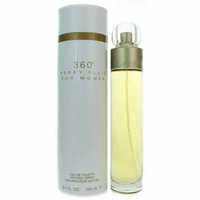
Perry Ellis 360 degrees
₱2,088.00
Buy on Lazada
Perry Ellis Body Mist 8oz/236ml
₱595.00
Buy on Lazada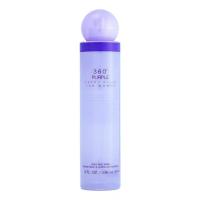
Perry Ellis 360 Degrees Purple Body Mist Spray 236ml
₱899.00₱1,050.00

Perry Ellis Fragrance Body Mist Collection in Travel Size 10ml
₱72.00₱75.00
About Perry Ellis
Perry Ellis is an American fashion and lifestyle brand best known for its interpretation of modern American sportswear—clothing that combines relaxed comfort, practicality, understated sophistication, and youthful styling. The brand was founded by American designer Perry Edwin Ellis (1940–1986) and became particularly influential in the late 1970s and 1980s for challenging traditional ideas of what American fashion should look like.1
Today, Perry Ellis is primarily associated with men’s apparel and lifestyle products, including tailoring, shirts, trousers, knitwear, sweaters, outerwear, accessories, footwear, and fragrances. The brand is owned by Perry Ellis International, a privately held fashion company that also operates a broader portfolio of apparel brands.2
Basic information
| Category | Information |
|---|---|
| Brand name | Perry Ellis |
| Founder | Perry Ellis |
| Founded | 1976/1978 |
| Country of origin | United States |
| Headquarters / corporate base | South Florida, United States |
| Industry | Fashion, apparel and lifestyle |
| Main identity | American sportswear |
| Core market today | Primarily men’s fashion |
| Parent company | Perry Ellis International |
| Official website | Perry Ellis |
| Corporate site | Perry Ellis International |
The exact founding year can be confusing: Ellis introduced his Portfolio collection in 1976, while his independent label, Perry Ellis Sportswear, was established in 1978. The brand itself therefore traces its origins to the mid-1970s, with 1978 representing the establishment of the namesake fashion house.3
The founder: Perry Ellis
Perry Edwin Ellis was born on March 3, 1940, in Portsmouth, Virginia. He studied at the University of Virginia and later worked in the fashion industry before becoming a designer in his own right.
Before establishing his namesake label, Ellis worked for several American apparel companies. In 1975, while working for Vera Companies, he became the designer behind a women’s sportswear collection called Portfolio. His work attracted considerable attention because it offered an alternative to the more formal and restrictive fashions of the period.4
Ellis was not primarily interested in creating clothing that looked impressive simply for the sake of fashion. His philosophy was much more practical: clothing should fit into real people’s lives. That idea became fundamental to the Perry Ellis identity. The brand’s own history describes Ellis as someone who wanted to make clothing for real life—clothing that could work in the city or country, at work or while going out.2
The birth of the Perry Ellis brand
Ellis’s first major collection under his own name appeared in the late 1970s. His 1976 Portfolio collection established the foundation, while Perry Ellis Sportswear emerged as an independent label in 1978. The response was strong, and Ellis rapidly became one of the most important young American designers of the era.5
Rather than copying European luxury fashion, Ellis helped establish an alternative vision: American fashion could be casual, sophisticated, youthful and comfortable at the same time. This was an important development. American fashion had historically been associated with practical sportswear, while European fashion was often perceived as more formal and couture-oriented. Ellis demonstrated that American sportswear could itself become a sophisticated design category.
What made Perry Ellis different?
One of Ellis’s biggest contributions was his rejection of excessive formality. His designs frequently featured:
- Oversized proportions
- Loose-fitting jackets
- Layered clothing
- Large sweaters
- Relaxed trousers
- Natural fabrics
- Simple separates
- Playful patterns
- Unexpected color combinations
- Traditional garments worn in unconventional ways
This approach became associated with the “slouch” look. The style emphasized relaxed silhouettes and comfort rather than the sharply tailored shapes that dominated much of traditional fashion.6 Importantly, “casual” did not mean careless. Ellis’s genius was making relaxed clothing look intentional and stylish.
The Perry Ellis aesthetic
The easiest way to describe the original Perry Ellis aesthetic is relaxed American sophistication. The brand sits somewhere between formalwear and casualwear rather than completely belonging to either side.
A typical Perry Ellis approach might take a traditionally formal item—such as a blazer, Oxford shirt or tailored trouser—and combine it with a sweater, relaxed knit, casual shirt or unconventional proportion. This created a wardrobe that could move between the office, travel, weekends, social events, evenings, and everyday city life. That versatility remains part of the brand’s identity today. Perry Ellis describes its current philosophy as creating clothing for a versatile lifestyle rather than simply following fashion trends.7
Perry Ellis and American sportswear
Perry Ellis is particularly important in the history of American sportswear. In American fashion, “sportswear” does not necessarily mean athletic clothing; it traditionally refers to practical, ready-to-wear clothing designed to be mixed and matched and worn in everyday life. Designers such as Claire McCardell helped establish this philosophy earlier in the 20th century, and Ellis brought the idea into a new generation.
His clothes were comfortable, functional, youthful, and fashionable rather than formal, restrictive, and ceremonial. This made the Perry Ellis aesthetic particularly relevant to changing American lifestyles during the 1970s and 1980s. The CFDA describes Ellis as a designer who helped redefine American sportswear through clothing that was classic, sporty, young and distinctly American.8
Rise during the 1980s
The early 1980s were the height of Perry Ellis’s influence. He received numerous major industry honors, including nine Coty Awards beginning with his first in 1979, and he received the CFDA Designer of the Year Award in 1982. In 1984, Ellis became president of the Council of Fashion Designers of America (CFDA).9 This was a remarkable achievement considering how short his career was. Ellis became known not only as a designer but also as an important figure in the American fashion establishment.
Expansion into menswear
Although Perry Ellis initially became prominent through women’s sportswear, menswear became an extremely important part of the brand. The company officially launched its menswear collection around 1980.10 This helped establish many of the characteristics now associated with Perry Ellis, including relaxed tailoring, sport coats, shirts, trousers, sweaters, knitwear, casual separates, and versatile business clothing. The idea was not to eliminate traditional men’s clothing, but to relax it. A Perry Ellis suit or jacket could therefore feel less rigid than traditional American tailoring.
The “Chariots of Fire” collection
One notable moment in the brand’s history came in 1982 with the “Chariots of Fire” collection. According to Perry Ellis’s official history, this collection helped establish what became known as “the Ellis look.”11 The collection represented the designer’s ability to take recognizable American clothing and reinterpret it through unusual proportions, colors and styling.
Perry Ellis America
In 1984, the company introduced Perry Ellis America, developed in collaboration with Levi Strauss as a jeans and activewear-oriented collection.12 This was significant because it pushed the Perry Ellis name further toward the everyday American consumer. The brand could now exist across several levels: designer fashion, sportswear, denim, activewear, and everyday clothing. That broader lifestyle approach would become increasingly important to the company after Ellis’s death.
Fragrance and licensing
Perry Ellis also expanded beyond clothing. The first Perry Ellis fragrance was introduced in 1984.13 Like many major fashion houses, the Perry Ellis name eventually became a lifestyle trademark that could be applied to multiple categories. Over time, the broader business became involved with clothing, fragrances, accessories, watches, footwear, swimwear, golf apparel, women’s apparel, and men’s apparel. Today, Perry Ellis International describes its business as involving the design, distribution and licensing of apparel, accessories and fragrances.14
Perry Ellis’s death
Perry Ellis died on May 30, 1986, at the age of 46. His death came at a remarkably early point in his career, after less than a decade of major prominence. Despite his short career, his influence continued well beyond his lifetime. The CFDA describes him as a major figure who helped establish an all-American identity centered around ease and everyday life.15 His death also marked the beginning of a different phase for the brand: Perry Ellis became less about a single designer personally directing every collection and increasingly became a commercial fashion brand and licensing business.
Marc Jacobs and the brand
One of the more famous chapters in the brand’s post-Ellis history involves Marc Jacobs. In 1988, Jacobs presented a Perry Ellis womenswear collection that became famous for its early use of what would later be called grunge fashion. The collection was controversial at the time and ultimately contributed to Jacobs leaving Perry Ellis, but it later became regarded as an important moment in the history of 1990s fashion. Ironically, the collection that was initially considered commercially problematic became one of the most remembered moments in the history of the label.
Acquisition by Supreme International
The modern corporate history of Perry Ellis is separate from the biography of its founder. In 1999, Miami-based apparel company Supreme International acquired Perry Ellis, along with brands including Manhattan and John Henry. Supreme subsequently changed its name to Perry Ellis International.16 This distinction is important: Perry Ellis is the fashion brand created by the designer, while Perry Ellis International (PEI) is the larger corporate organization that owns and manages Perry Ellis and a portfolio of other brands. The corporate company was originally founded by George Feldenkreis, whose apparel business eventually acquired the Perry Ellis brand.17
Perry Ellis International’s expansion
After acquiring the Perry Ellis brand, PEI expanded considerably. Its portfolio has included brands such as Original Penguin, Cubavera, Rafaella, Farah, Ben Hogan, Grand Slam, Savane, Laundry by Shelli Segal, John Henry, and Manhattan. It has also held licensing relationships involving brands such as Nike, Callaway, PGA TOUR and Jack Nicklaus for specific apparel categories. This transformed Perry Ellis International from essentially a company associated with one major fashion name into a multi-brand fashion group.
Going private
For many years, Perry Ellis International was publicly traded on the NASDAQ under the ticker PERY. In 2018, however, the company was acquired in a transaction led by George Feldenkreis and became privately held. The transaction was valued at approximately $437 million, with unaffiliated shareholders receiving $27.50 per share. The transaction was completed on October 22, 2018, and the company’s shares ceased trading on NASDAQ.18 The company continues to operate as a private fashion business.
Perry Ellis today
The contemporary Perry Ellis brand is somewhat different from the avant-garde designer label of the late 1970s and early 1980s. Today it positions itself primarily as a lifestyle and menswear brand. Its current product range includes suits, suit separates, dress shirts, casual shirts, trousers, chinos, sweaters, knitwear, outerwear, casualwear, accessories, footwear, and fragrance.
The official brand description emphasizes personal style rather than chasing trends, describing the modern Perry Ellis customer as someone who wants to look put-together without appearing to try excessively hard.19 In other words, the modern Perry Ellis customer is supposed to look polished, but relaxed.
Target customer
Historically, Perry Ellis appealed to relatively fashion-conscious American consumers who wanted something more modern than conventional department-store clothing. Today, its positioning is broadly aimed at the modern American man, particularly someone looking for versatile clothing between traditional formalwear and inexpensive casualwear. The brand therefore occupies a space that can be thought of as accessible, contemporary, polished, American, and lifestyle-oriented rather than ultra-luxury. It is not positioned in the same category as brands such as Hermès, Brioni or Tom Ford, but is much closer to the American lifestyle / premium mass-market / accessible designer segment.
Design philosophy
The fundamental Perry Ellis philosophy can be summarized in several key ideas:
Ease
Clothing should be comfortable and easy to wear.
Versatility
Individual garments should work in multiple situations.
American identity
The brand’s roots are firmly connected to American sportswear.
Individuality
Personal style is more important than blindly following trends.
Relaxed sophistication
Clothing should look refined without being overly formal.
Humor and experimentation
The original Perry Ellis was not afraid of unusual patterns, proportions and combinations. The CFDA specifically highlights his playful approach to fashion.20
Perry Ellis vs. traditional American menswear
One useful way to understand Perry Ellis is to compare it with traditional American tailoring.
| Traditional American menswear | Perry Ellis philosophy |
|---|---|
| Structured | Relaxed |
| Conservative | Playful |
| Formal | Casual-formal |
| Strict proportions | Experimental proportions |
| Suit-centered | Separates-centered |
| Rules | Personal interpretation |
| Traditional colors | More experimentation |
| Dress for occasions | Dress for real life |
This philosophy was particularly revolutionary in the late 1970s because Ellis made casualness itself fashionable.
Brand image
The Perry Ellis image can be summarized as American, relaxed, intelligent, youthful, practical, and stylish. It generally avoids the aggressive luxury image associated with some European fashion houses. Instead, its personality is closer to the sentiment: “I know how to dress, but I don’t need to make a big deal about it.” That idea is remarkably consistent with Perry Ellis’s original philosophy.
Importance in fashion history
Perry Ellis’s historical importance is greater than the current visibility of the brand might suggest. He helped change the perception of American fashion from something primarily practical into something that could be sophisticated, commercially successful, internationally influential, youthful, relaxed, and distinctly American. His influence can be seen in the broader acceptance of casual tailoring, oversized silhouettes, mix-and-match sportswear and relaxed luxury. The CFDA regards Ellis as a designer who fundamentally helped redefine American sportswear.21
Major timeline
- 1940 — Perry Ellis is born in Portsmouth, Virginia.22
- 1975 — Ellis develops the Portfolio sportswear collection for Vera Companies.23
- 1976 — The first Portfolio collection associated with the Perry Ellis name launches.24
- 1978 — Perry Ellis Sportswear becomes an independent label/fashion house.3
- 1979 — Ellis receives his first Coty Award.9
- 1980 — Perry Ellis launches menswear.10
- 1982 — Ellis wins the CFDA Designer of the Year Award.9
- 1984 — Ellis becomes president of the CFDA and launches Perry Ellis America and his first fragrance.9
- 1986 — Perry Ellis dies at age 46.15
- 1988 — Marc Jacobs presents the controversial Perry Ellis “Grunge Collection.”
- 1999 — Supreme International acquires Perry Ellis and changes its corporate name to Perry Ellis International.16
- 2003 — Perry Ellis International acquires Salant, historically one of the major licensees/manufacturers of Perry Ellis products.17
- 2010 — PEI states that Perry Ellis is being sold in more than 50 countries.25
- 2018 — Perry Ellis International is taken private in a $437 million transaction led by George Feldenkreis.18
- 2026 — Perry Ellis continues as a global lifestyle sportswear brand within the privately held Perry Ellis International organization.26
References
- Perry Ellis – CFDA
- About Perry Ellis | Men’s Suit, Clothing & More
- Perry Ellis International | Perry Ellis
- Terms & Conditions – Perry Ellis
- Perry Ellis | Encyclopedia.com
- Perry Ellis International | Home
- Perry Ellis International | Our Company
- Remembering Perry Ellis on World AIDS Day – CFDA
- Perry Ellis International | History
- Perry Ellis International | History
- SEC
- Perry Ellis Completes Transaction with George Feldenkreis
- Perry Ellis International | Home
- Perry Ellis International Ownership: Who Controls It? – 4P Marketing Mix
- Perry Ellis International Ownership Today and Control Explained – BCG Matrix
- After taking the company private, Perry Ellis founder George Feldenkreis and son and CEO Oscar talk future | Miami Herald
- sec.gov
- Perry Ellis International Enters Into A $437 Million Transaction To Become A Private Company Through An Acquisition Led By George Feldenkreis | Textile World
- Perry Ellis International Enters into a $437 Million
- sec.gov
- sec.gov
- CFDA + The AIDS Memorial: Donna Karan Remembers Perry Ellis and 7th on Sale – CFDA
- Profile: Perry Ellis International – PPAI – Promotional Products Association International
- sec.gov
- Perry Ellis International | Home
- Perry Ellis International | Career