Shop on Lazada
Petzl products
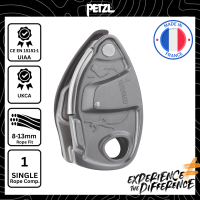
Petzl GRIGRI + Belay Device
₱9,290.00
Buy on Lazada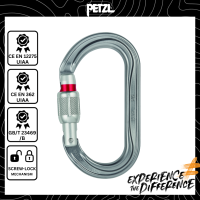
Petzl OK Carabiner - Screw-Lock
₱1,890.00
Buy on Lazada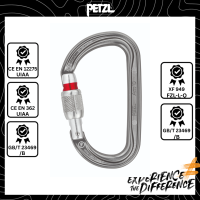
Petzl AMD Carabiner - Screw-Lock
₱1,890.00
Buy on Lazada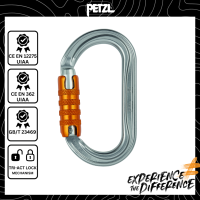
Petzl OK Carabiner - Triact-Lock
₱2,190.00
Buy on Lazada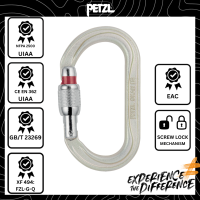
Petzl OXAN Carabiner - Screw-Lock - Gray
₱1,690.00
Buy on Lazada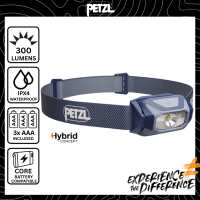
Petzl TIKKINA Headlamp - 2026 Edition
₱1,690.00
Buy on Lazada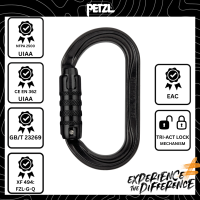
Petzl OXAN Carabiner - Triact-Lock - Black
₱2,490.00
Buy on Lazada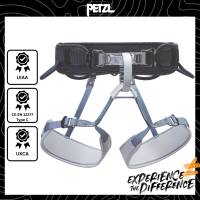
Petzl CORAX Harness - Unisex
₱5,690.00
Buy on LazadaAbout Petzl
Petzl is a French, family-owned company best known for its equipment for climbing, mountaineering, caving, rope access, work at height, rescue, and headlamps. The company is particularly influential in the world of vertical activities because it combines climbing hardware with systems for moving, protecting, and working on ropes. Its products are used both by recreational athletes and by professional workers and rescuers.1
Basic profile
| Petzl | |
|---|---|
| Full name | Petzl |
| Founded | 1970 |
| Founder | Fernand Petzl |
| Origin | France |
| Headquarters | Crolles, French Alps |
| Ownership | Family-owned, privately held |
| Main fields | Climbing, mountaineering, rope work, rescue, PPE, lighting |
| Major markets | Sport/outdoor and professional |
| Global presence | 55+ countries |
| Employees | About 1,100 globally |
| Production sites | 4 — 3 in France, 1 in Malaysia |
| Products sold annually | 9+ million |
| International sales | About 85% of sales |
These figures come from Petzl’s 2026 professional catalogue.2
What is Petzl?
Petzl is essentially a vertical-mobility and personal-protection company. This description is important because it is broader than simply calling Petzl a “climbing brand.”
For consumers, Petzl is familiar through products such as:
- Climbing harnesses
- Carabiners
- Belay devices
- Climbing helmets
- Ice axes
- Crampons
- Ascenders
- Pulleys
- Ropes
- Quickdraws
- Headlamps
For professionals, the product range extends into:
- Fall-arrest systems
- Work-at-height harnesses
- Rope-access equipment
- Descenders
- Anchors
- Rope clamps
- Mobile fall arresters
- Rescue equipment
- Professional helmets
- Industrial headlamps
Petzl currently divides much of its business into Sport and Professional applications.3 The same technological philosophy can be seen across activities ranging from a climber ascending a rock face to a technician working hundreds of metres above the ground.
History
Fernand Petzl and caving
Petzl’s origins go back to southeastern France in the 1930s. The company’s founder, Fernand Petzl, was a craftsman and enthusiastic caver. His experience exploring underground environments led him to design and manufacture tools that made it easier to travel through caves and vertical environments.
This is the fundamental origin of the company: Petzl did not originally begin as a conventional climbing-equipment company. It grew out of solving practical problems in caving. Fernand Petzl developed equipment in his workshop, eventually turning these inventions into commercial products. Petzl says its first products were marketed in 1968, followed by the establishment of the Petzl company in 1970.4
From caving to climbing
The techniques developed for caving naturally had applications elsewhere. Rope systems, ascenders, descenders, harnesses and other equipment could be adapted for mountaineering, climbing, rescue, industrial rope access, and work at height. This helped Petzl develop an identity centered around verticality rather than a single sport. Over the following decades, the company expanded from specialized caving equipment into a much broader portfolio of technical equipment.
The Petzl philosophy
Petzl describes four major pillars behind the company:
Family ownership
Petzl remains a privately held family business rather than a publicly traded corporation. The company explicitly presents this independence as allowing it to make decisions with a long-term perspective.5
Innovation
Innovation has been central to the company’s history. Rather than simply making conventional versions of existing climbing equipment, Petzl’s heritage is based on identifying difficult problems in vertical environments and engineering new solutions.
Industrial excellence
Petzl emphasizes manufacturing quality and its goal of minimizing defects, particularly because many of its products are safety-critical equipment.
Responsibility
The company also emphasizes its relationship with users, communities and environmental/social responsibilities.6
Major product categories
Climbing hardware
Petzl is one of the brands that helped define modern climbing hardware. Its climbing portfolio includes carabiners, quickdraws, belay devices, ascenders, pulleys, ropes, harnesses, anchors, ice axes, and crampons. These products are designed around different forms of rope movement, protection, belaying and climbing.7
Some particularly recognizable Petzl product families include GRIGRI belay devices, ASCENSION ascenders, MICRO TRAXION pulleys and various VERTEX, CORAX, and other harness/helmet families.
Harnesses
Harnesses are one of Petzl’s core product categories. In sport climbing, the harness connects the climber to the rope and climbing system. Petzl also makes substantially more specialized harnesses for professional applications. Its professional range includes harnesses designed for rope access, work positioning, fall protection, rescue, tree care, and industrial work. The professional catalogue also includes group-use harnesses for climbing gyms, via ferrata, canyoning and adventure parks.8
Helmets
Petzl has developed climbing and vertical-activity helmets for more than three decades. Its current sport range is divided broadly into Performance, Advanced and Discover categories, reflecting different priorities in weight, ventilation, durability and intensity of use.9
Some recognizable models include:
- SIROCCO — extremely lightweight climbing/mountaineering helmet
- METEOR — lightweight climbing/mountaineering helmet
- METEORA — designed with a women’s fit
- BOREO — durable, versatile climbing helmet
- BOREA — women’s-oriented version
- PICCHU — children’s climbing/cycling helmet
For example, Petzl lists the SIROCCO at approximately 170 g in size M/L, illustrating the company’s emphasis on lightweight protection.10
Belay devices and the GRIGRI
One of Petzl’s most famous products is the GRIGRI. It is an assisted-braking belay device designed for climbing. The GRIGRI became particularly significant because it offered climbers a different approach to rope control compared with traditional tube-style belay devices. It is now an iconic piece of climbing equipment and is closely associated with the Petzl brand. This illustrates one of Petzl’s recurring design philosophies: take a fundamental climbing operation and engineer a device that makes it more controlled, intuitive, efficient or versatile.
Ascenders and rope-access equipment
Petzl’s origins in caving are particularly visible in its rope equipment. Ascenders allow users to efficiently move upward along a rope, while descenders and related devices facilitate controlled descent. This technology is important in caving, big-wall climbing, mountaineering, rescue, rope access, industrial maintenance, telecommunications, wind-energy maintenance, construction, and tree care. Petzl’s professional catalogue includes rope clamps, descenders, pulleys, anchors, ropes and mobile fall arresters alongside harnesses and helmets.11
Headlamps
Headlamps are arguably Petzl’s most recognizable product category outside climbing. The company says it has been innovating hands-free lighting for more than 50 years.12 Its headlamps range from tiny emergency lights to extremely powerful professional and expedition models.
Major families include:
- TIKKINA
- TIKKA
- ACTIK
- ACTIK CORE
- SWIFT RL
- IKO
- ARIA
- NAO
- DUO
- e+LITE
For example, the current range includes the DUO RL, a rechargeable multi-beam headlamp rated at up to 2,800 lumens, while the ACTIK CORE is a more compact 625-lumen model.13
REACTIVE LIGHTING
One of Petzl’s notable lighting technologies is REACTIVE LIGHTING. Instead of simply providing a fixed output, compatible headlamps automatically adapt their illumination based on the environment and where the user is looking. The basic concept is: look far away for more light forward; look nearby for less unnecessary light. This can improve usability and help manage battery consumption. It is particularly useful for activities such as trail running, skiing, mountaineering, caving, night hiking, and professional work. Petzl incorporates REACTIVE LIGHTING into several of its higher-end headlamp families.14
Sport vs. Professional
A particularly important aspect of Petzl is that it serves two very different worlds.
Sport
The Sport side focuses on activities such as climbing, mountaineering, ski mountaineering, trail running, caving, canyoning, via ferrata, and outdoor recreation.15
Professional
The Professional side focuses on industrial rope access, work at height, rescue, construction, energy infrastructure, telecommunications, tree care, maintenance, and difficult-access work.16 This dual identity is one of Petzl’s defining characteristics.
Manufacturing and global presence
Although Petzl is French, it is very much an international company. According to its 2026 professional catalogue, Petzl has approximately 1,100 employees, 4 production sites (3 in France and 1 in Malaysia), operations/presence in 55+ countries, approximately 85% of sales outside France, and more than 9 million products sold annually.17 Its headquarters are in Crolles in the French Alps, which is particularly fitting given the company’s relationship with mountains and vertical activities.18
Petzl as a family business
Unlike many large outdoor brands, Petzl has remained family-owned and unlisted. The company explicitly describes its independence as an important part of its identity. This has influenced its corporate philosophy: Petzl emphasizes long-term product development rather than operating primarily around quarterly financial-market expectations.19 The company has passed through multiple generations of the Petzl family, with the newer generation continuing the business founded by Fernand Petzl.
Petzl’s position in the outdoor industry
Petzl occupies an unusual position. It is simultaneously a climbing brand, mountaineering brand, safety-equipment manufacturer, industrial PPE company, and lighting company. Its strongest brand associations are generally:
- Climbing: Probably its most recognizable sporting identity.
- Mountaineering: Harnesses, helmets, ice axes, crampons, carabiners and rope equipment.
- Caving: The historical foundation of the company.
- Rope access: One of its most technically important professional markets.
- Rescue: Specialized equipment for vertical rescue and difficult-access operations.
- Headlamps: A huge consumer-facing part of the brand that extends well beyond climbing.
What makes Petzl different?
Several characteristics distinguish Petzl from a typical outdoor-equipment brand.
Engineering-first identity
Petzl tends to present itself less as a fashion/outdoor-lifestyle brand and more as an engineering and technical-equipment company.
Strong connection between sport and professional products
The company’s sport and professional businesses overlap technologically. A technique developed for caving or climbing can inspire equipment for industrial rope access, while professional safety requirements can influence sporting products.
Lightweight design
Reducing weight is particularly important in climbing and mountaineering, where every gram matters. The SIROCCO helmet, for example, demonstrates this philosophy.20
Usability
Petzl frequently emphasizes equipment that is relatively intuitive to operate, adjust and inspect—especially important when equipment is used in stressful or hazardous environments.
Safety
Unlike ordinary outdoor accessories, many Petzl products are personal protective equipment (PPE). Consequently, standards, certification, inspection and correct usage are fundamental.
Safety culture
Petzl equipment is designed for activities that can be inherently dangerous. The company explicitly warns that users need appropriate training and competence for activities involving its technical equipment.21 A Petzl carabiner, harness or ascender is therefore not simply an outdoor “gadget.” Its performance depends on correct selection, correct installation, correct technique, compatibility with other equipment, inspection, maintenance, appropriate certification, and following the manufacturer’s instructions. This is particularly important for professional and life-safety applications.
Brand image
Petzl’s visual and cultural identity is strongly associated with the French Alps, climbing, technical innovation, safety, and exploration. Its products are often recognizable by their clean industrial design and strong emphasis on function. Rather than positioning itself primarily around fashion, Petzl’s reputation has traditionally been built through technical credibility among climbers, mountaineers, cavers, rescuers and professional rope-access users.
Petzl vs. a typical climbing brand
A useful way to understand Petzl is to compare its scope with a conventional climbing company.
| Area | Petzl |
|---|---|
| Sport climbing | ★★★★★ |
| Mountaineering | ★★★★★ |
| Caving | ★★★★★ |
| Rope access | ★★★★★ |
| Rescue | ★★★★★ |
| Industrial PPE | ★★★★★ |
| Headlamps | ★★★★★ |
| Outdoor lifestyle/fashion | ★★ |
| General camping | ★★ |
| Technical engineering | ★★★★★ |
The last few ratings aren’t official measurements—they’re simply a way of illustrating where Petzl’s center of gravity lies. Petzl is fundamentally a technical verticality company, not a general outdoor lifestyle brand.
Famous Petzl product families
Some names particularly associated with the brand include:
Climbing / rope
- GRIGRI
- ASCENSION
- TIBLOC
- MICRO TRAXION
- PRO TRAXION
- ASAP
- VERSO
- CORAX
Helmets
- SIROCCO
- METEOR
- METEORA
- BOREO
- BOREA
- PICCHU
Headlamps
- TIKKA
- ACTIK
- ACTIK CORE
- SWIFT RL
- NAO
- DUO
- ARIA
- IKO
- e+LITE
The exact product lineup changes over time, so these should be understood as representative product families rather than a complete current catalogue. Petzl’s current websites list substantially broader ranges.22
Petzl’s broader ecosystem
Petzl is more than a manufacturer. Its ecosystem includes technical documentation, product instructions, training/technical information, professional solutions, equipment inspection resources, spare parts, educational material, professional events, the Petzl Foundation, and Petzl Solutions. This is particularly significant because technical equipment cannot be treated like ordinary consumer products.
The Petzl Foundation
The Petzl family has also established the Petzl Foundation, reflecting the company’s involvement beyond simply selling equipment. The foundation is part of the wider Petzl ecosystem alongside the company’s commercial operations. Petzl itself lists the Foundation as one of its principal organizational activities.23
Why Petzl matters
Petzl is significant because it helped bridge several worlds that historically could have been separate: caving, climbing, mountaineering, rescue, industrial rope access, personal protection, and professional lighting. Its history is essentially the story of turning the practical problems of moving safely through darkness and vertical terrain into a global engineering business. From a small French workshop to a company selling more than nine million products a year across more than 55 countries, Petzl has maintained a remarkably consistent central idea: design better tools for people who need to move, work, explore or survive in vertical and dark environments.24
References
- Petzl – Catalogue professionnel 2026
- Petzl – Professional Catalog 2026
- Petzl France – matériel, lampes frontales et techniques pour la montagne, l’escalade et le travail en hauteur
- Petzl
- Petzl
- Petzl
- Petzl
- Petzl
- Petzl
- Petzl
- petzl.com
- petzl.com
- petzl.com
- petzl.com
- petzl.com
- Petzl France – matériel, lampes frontales et techniques pour la montagne, l’escalade et le travail en hauteur
- petzl.com
- petzl.com
- Petzl – 2025 professional catalog
- petzl.com
- Petzl France – matériel, lampes frontales et techniques pour la montagne, l’escalade et le travail en hauteur
- Petzl 2026 Workbook Sport
- Petzl – Professional Catalog 2026
- petzl.com