Shop on Lazada
Pili Ani products
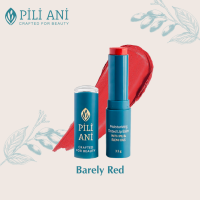
Pili Ani Moisturizing Tinted Pili Lip Butter 3.5g
₱850.00
Buy on Lazada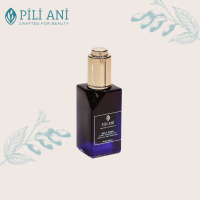
Pili Ani Self-Care Night Recovery Oil
₱3,600.00
Buy on Lazada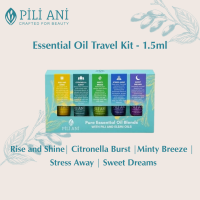
Pili Ani Essential Oil Travel Kit 1.5ml
₱500.00
Buy on Lazada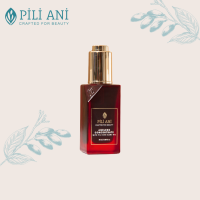
Pili Ani Ageless Concentrate
₱4,200.00
Buy on Lazada
Pili Ani Essential Oil Blend - Stress Away
₱800.00
Buy on Lazada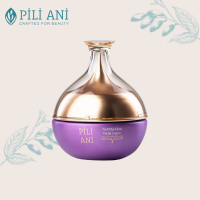
Pili Ani Youthful Glow Facial Moisturizer Cream
₱3,250.00
Buy on Lazada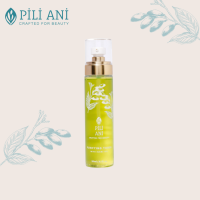
Pili Ani Purifying Toner
₱1,300.00
Buy on Lazada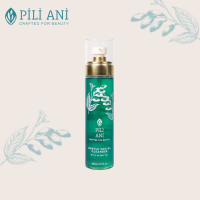
Pili Ani Gentle Facial Cleanser
₱1,400.00
Buy on LazadaAbout Pili Ani
Pili Ani is a Filipino beauty and skincare brand established by Rosalina Tan and her daughter Mary Jane Tan-Ong. The company’s core identity revolves around the use of Pili oil and Elemi oil, both derived from the Canarium ovatum (Pili) tree, which is native to the Philippines. Launched in the Philippines in 2016, the brand subsequently entered the United States market in 2017 1.
Pili Ani positions itself as a skincare and wellness enterprise with a distinct environmental and social mission. It connects its beauty products with Filipino agricultural heritage, sustainable farming practices, farmer livelihoods, and reforestation efforts. The brand’s philosophy is encapsulated in the tagline “Pure. Potent. Proudly Filipino.” A defining characteristic of Pili Ani is its integration of both Pili and Elemi oils across its product range, ingredients sourced from the same tree that form the foundation of its formulations 2.
History
Origins in Bicol
The roots of Pili Ani lie in Bicol, a region in the Philippines renowned for its Pili trees and nuts. According to the company’s narrative, founder Rosalina Tan first encountered a farmer named Noli who was selling hand-pressed Pili oil to raise funds to return home to his family. Tan purchased the oil primarily as an act of assistance rather than with the intention of starting a business 1.
Tan began experimenting with the oil, incorporating it into handmade lipsticks she shared with friends and relatives. Positive feedback regarding the skin’s condition and feel sparked her interest in its cosmetic potential. Already an advocate for organic agriculture and natural living, Tan’s journey took a commercial turn when her daughter, Mary Jane Tan-Ong, recognized the opportunity to transform these experiments into a formal Filipino beauty brand 1.
From Family Project to Enterprise
The mother-daughter duo expanded their research into the Pili tree, identifying two key materials: Pili oil from the fruit and Elemi oil/resin from the tree’s sap. Their development work led to skincare formulations centered on this combination. In 2012, Mary Jane proposed investing in clinical testing to assess the viability of international expansion 1.
The founders also addressed environmental concerns related to Elemi harvesting. They observed that improper tapping damaged or killed trees while providing farmers with insufficient economic returns. In response, Rosalina established an agricultural education program to teach sustainable harvesting methods that protect the trees 1. By 2014, the company had defined a broader mission encompassing skincare, farmer empowerment, sustainable agriculture, reforestation, and the promotion of Filipino heritage 2. Pili Ani officially launched in the Philippines in 2016, followed by its entry into the U.S. market in 2017 1.
Founders
Rosalina Tan
Rosalina Tan is the founder of Pili Ani, bringing a background in business and advocacy for organic agriculture. Prior to Pili Ani, Tan was involved in various sectors including trading, industrial plastic bags, agricultural feed ingredients, real estate brokerage, and life insurance. She developed an early interest in organic farming and natural products. The company describes her as “the Mother of Organic Farming in the Philippines.” Her initial motivation for creating Pili Ani was less about building a cosmetics empire and more focused on creating sustainable livelihoods for Filipino farmers and promoting Philippine agricultural resources 1.
Mary Jane Tan-Ong
Mary Jane Tan-Ong, Rosalina’s daughter, played a pivotal role in transitioning the project into a commercial entity. Before joining Pili Ani, she worked in agricultural-goods trading and distribution. She became interested in the venture after witnessing the accumulation of Pili oil and the positive responses from users. Mary Jane drove the investment in testing, formulation expertise, and international exposure, instrumental in transforming Pili Ani from a personal project into a recognized beauty brand. The mother-and-daughter relationship remains a central element of the brand’s identity 1.
The Pili Tree and Ingredients
At the heart of Pili Ani is the Pili tree (Canarium ovatum), indigenous to the Philippines and strongly associated with the Bicol region. While the Pili nut has traditionally been used in cuisine, Pili Ani focuses on the cosmetic and skincare potential of the tree’s oils and resin. The company refers to the Pili tree as its “Chosen Tree,” emphasizing its belief that different parts of the tree provide valuable resources while supporting cultivating communities 1.
Pili Oil
Pili oil is extracted from the fruit of the Pili tree and serves as one of the brand’s signature ingredients. The company states that the oil is rich in essential fatty acids and antioxidants, highlighting its moisturizing and skin-conditioning properties. Approximately 1,500 Pili fruits are required to produce one liter of Pili oil, underscoring the resource-intensive nature of the ingredient. Rather than treating Pili solely as a culinary nut, Pili Ani has built its proposition around its status as a high-value Philippine botanical ingredient 12.
Elemi Oil
The second major ingredient is Elemi oil, derived from the resin of the Pili tree. Elemi has a history of use in fragrance and cosmetics outside the Philippines. The founders discovered that resin from the same trees supplying Pili oil was being utilized in international beauty products. Pili Ani markets the combination of Pili and Elemi oils as a defining feature of its formulations. The company attributes properties such as skin refining, firming, purification, and renewal to Elemi, positioning these claims within the context of brand aesthetics rather than medical efficacy 2.
Product Philosophy and Mission
Pili Ani operates in the clean/natural skincare and beauty category, combining natural ingredients with modern formulation and testing. Its product philosophy integrates six core elements:
1. Pili and Elemi as hero ingredients
2. Natural and clean formulation
3. Filipino sourcing and identity
4. Modern skincare formulation
5. Environmental sustainability
6. Support for farming communities
This approach distinguishes Pili Ani from conventional international brands by integrating ingredient origin, cultural identity, and social mission into the brand story.
Social and Environmental Impact
The business model is closely linked to the welfare of Pili farmers. The company reports supporting more than 200 families in the Bicol region, viewing farmers not just as suppliers but as participants in a sustainable agricultural system. Initiatives include agricultural education, sustainable harvesting practices, farmer livelihood support, reforestation, and protection of Pili trees. Pili Ani has planted more than 250 Pili trees and partnered with the Philippine government on plans to plant an additional 20,000 trees 1. The World Intellectual Property Organization (WIPO) has profiled the brand in connection with organic agriculture, sustainable harvesting, and protection of the Pili tree 3.
Filipino Identity and International Presence
Pili Ani deliberately presents Pili as a Philippine botanical treasure, aiming to transform a regional ingredient into a globally recognized beauty staple. The brand identity rests on the chain: Filipino natural resources → Filipino farmers → Filipino-made beauty. Following its launch in the Philippines, the brand’s entry into the U.S. market in 2017 marked a significant step in making Pili oil recognizable within the international skincare industry 1.
Brand Positioning Summary
| Category | Details |
|---|---|
| Country of Origin | Philippines |
| Primary Region | Bicol |
| Industry | Beauty, skincare and wellness |
| Founded | 2016 |
| Founders | Rosalina Tan and Mary Jane Tan-Ong |
| Signature Ingredients | Pili Oil + Elemi Oil |
| Core Botanical | Pili tree (Canarium ovatum) |
| Brand Philosophy | Natural beauty with social and environmental purpose |
| Key Community | Pili farmers in Bicol |
| International Expansion | U.S. launch in 2017 |
| Brand Slogan | “Pure. Potent. Proudly Filipino.” |
Pili Ani is characterized as a Filipino purpose-driven beauty company that transformed a regional agricultural resource into a premium skincare proposition. Its story originated from an encounter between a woman seeking to help farmers and a farmer selling oil, evolving into a venture focused on developing Pili and Elemi oils for the global market. The brand’s identity is built on four pillars: Filipino heritage, natural science, farmer empowerment, and sustainability 1.