Shop on Lazada
Polar products
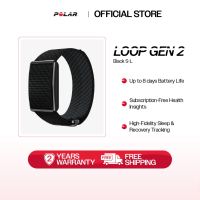
Polar Loop Gen 2 Screen-Free Wearable Health Band & Fitness Tracker | Polar Official
₱13,777.00₱14,299.00
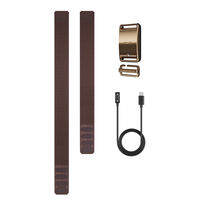
Polar | Screenless Heart Rate Sleep Monitor Water Resistant Fitness Smart Band
₱18,450.79₱19,175.26
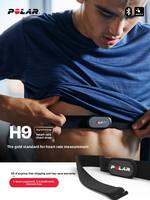
Polar | ECG Heart Rate Monitoring Chest Strap
₱8,143.46
Buy on Lazada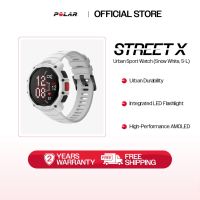
Polar Street X Urban Sports Watch | Polar Philippines
₱19,110.00₱19,799.00
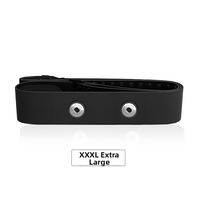
Polar | Heart Rate Monitor Replacement Strap Compatible with H7 H10
₱3,887.50
Buy on Lazada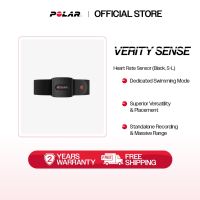
Polar Verity Sense Optical Heart Rate Sensor | Polar Official
₱7,666.00₱7,999.00
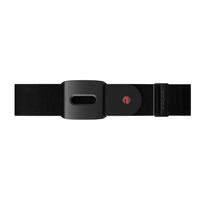
Polar | Heart Rate Arm Band Replacement Strap Verity Sense
₱2,715.13
Buy on Lazada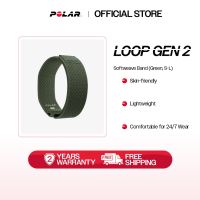
Polar Loop Gen 2 Softweave Band | Polar Official
₱1,554.00₱1,699.00
About Polar
Polar Electro Oy, commonly referred to as Polar, is a Finnish technology company specialising in sports watches, heart-rate monitors, fitness trackers, sensors, and digital training and recovery services. Headquartered in Kempele, Finland, near Oulu, the company operates globally and is widely recognised for pioneering wearable, wireless heart-rate monitoring. Throughout its history, Polar has maintained a strong focus on exercise physiology, sports science, and data-driven training methodologies.1
| Company information | Details |
|---|---|
| Full name | Polar Electro Oy |
| Brand | Polar |
| Founded | 1977 |
| Founder | Seppo Säynäjäkangas |
| Headquarters | Kempele, Finland |
| Industry | Sports technology / wearable technology |
| Main products | Sports watches, heart-rate sensors, fitness trackers and training software |
| Known for | Wireless heart-rate monitoring and sports-performance technology |
| Market | Global |
| Official website | Polar Global |
History
The origins of Polar trace back to the mid-1970s when Finnish engineer Seppo Säynäjäkangas sought a solution for measuring athletes’ heart rates during exercise. At the time, pulse measurement required either cumbersome equipment or manual checking. The concept of continuous, portable wireless monitoring emerged while Säynäjäkangas was involved in cross-country skiing in northern Finland.2
Polar Electro was formally established in Kempele, Finland, in 1977.8 The company subsequently developed technology enabling wireless transmission of heart-rate data from a body-worn sensor to a wrist-mounted receiver, a development that effectively created a new category in sports-training technology.3
In 1978, Polar introduced the Tunturi Pulser, one of its earliest commercial products.9 This was followed in 1982 by the Sport Tester PE 2000, described as the world’s first wearable wireless heart-rate monitor. This innovation laid the foundation for Polar’s business and established the company as a specialist in physiological measurement for exercise.4
Over subsequent decades, Polar expanded beyond basic heart-rate monitoring to develop sophisticated systems serving endurance athletes, fitness enthusiasts, coaches, researchers, and elite sports organisations.
Development of the brand
Polar’s central philosophy has remained consistent: measure the body’s physiological signals, interpret the data, and use that information to guide training and recovery. This approach distinguishes Polar from manufacturers positioning wearables primarily as general-purpose smartwatches, as Polar has historically approached product development through the lens of sports science and exercise physiology.
The company has developed technology for measuring and analysing various metrics, including:
- Heart rate
- Heart-rate variability (HRV)
- Training load
- Recovery
- Sleep
- Calories and energy expenditure
- Running performance
- Cycling performance
- GPS-based activity
- Workout intensity
- Aerobic fitness
- Training zones
Polar maintains a research-oriented ecosystem and states that it has registered more than 600 patents since its founding, alongside a research library containing thousands of scientific studies.5
Products
Polar’s product portfolio has evolved significantly from its original heart-rate monitors into a comprehensive range of sports technology.
Heart-rate monitors
Heart-rate monitoring remains central to the Polar brand. Chest-strap sensors such as the Polar H10 and Polar H9 are designed to provide highly accurate measurements during exercise. The H10, for instance, targets athletes and users requiring dedicated ECG-based chest sensing rather than relying solely on optical wrist measurement.
The company also produces optical sensors like the Polar Verity Sense, which can be worn on the arm and transmit heart-rate data to compatible devices.
Sports watches
Modern Polar sports watches integrate physiological sensors, GPS, training analysis, and smartwatch functionality. Major product families include:
- Polar Vantage — performance-oriented multisport watches
- Polar Grit X — outdoor and adventure-oriented watches
- Polar Pacer — running-focused watches
- Polar Ignite — fitness, wellness, and everyday training watches
- Polar Unite — fitness-oriented wearable
- Polar Loop — screenless/wearable activity tracking
- Polar 360 — newer wearable technology aimed at continuous physiological monitoring
The current lineup reflects Polar’s evolution from a heart-rate monitor manufacturer to a broader wearable health and sports-technology platform.6
Polar Flow
A key component of the modern Polar ecosystem is Polar Flow, the company’s digital training platform. This service allows users to synchronise watches and sensors, examine workouts, monitor training load and recovery, analyse sleep, review activity, and plan training.
Rather than treating the watch as isolated hardware, Polar uses Flow to convert physiological measurements into long-term insights regarding training and lifestyle. This software is particularly valuable for athletes seeking to identify trends over weeks or months rather than viewing heart rate only during individual sessions.
Sports and scientific focus
A defining characteristic of Polar is its relationship with sports science. The company has historically collaborated with researchers, universities, and sports organisations, and its technology is frequently used in scientific research involving exercise physiology and human performance. Polar describes science as a fundamental pillar of its brand.7
This heritage differentiates Polar from consumer electronics companies. While distinctions between brands overlap considerably today, Polar’s historical strength remains heart-rate measurement and training analytics, whereas competitors may prioritise general smartwatch features or GPS/outdoor ecosystems.
Major technological milestones
Key points in Polar’s development include:
- 1975 — The concept of a portable wireless heart-rate monitor emerges from the Finnish sports environment.7
- 1977 — Polar Electro is founded in Finland.8
- 1978 — Polar launches the Tunturi Pulser.9
- 1980 — Polar files its first patent relating to wireless heart-rate measurement.10
- 1982 — Polar introduces the Sport Tester PE 2000, a pioneering wearable wireless heart-rate monitor.4
- 2015 — Polar introduces the A360, its first optical wrist-based heart-rate monitor.11
- 2020s — Polar expands its lineup of GPS sports watches, optical sensors, wearable bands, and digital training services.12
- 2026 — Polar continues developing dedicated running, outdoor, multisport, and wearable products, including newer generations of the Grit X, Vantage, Pacer, and other product families.13
Brand philosophy
Polar articulates its philosophy through three core ideas: pioneering technology, science, and passion for sport. Its stated mission is to help people lead healthier and happier lives by transforming information about the human body into practical, personalised guidance.14
This philosophy can be summarised as: measure the body, understand the data, and guide the individual. This approach positions Polar at the intersection of sports equipment, medical/physiological measurement, and consumer electronics.
Polar in the Philippines
Polar products are available in the Philippines, where the brand maintains an official local presence. The Philippine operation emphasises Polar’s sports-science heritage and provides local purchasing channels and after-sales support.4
Reputation and market position
Polar is closely associated with the development of modern heart-rate-based training. Its historical significance stems less from being the largest smartwatch manufacturer and more from establishing the technology and methodology behind wearable heart-rate training.
Competitors and adjacent brands include Garmin, Apple, Fitbit/Google, Suunto, COROS, and Samsung, although product strategies differ. Polar’s identity remains defined by its combination of Finnish engineering, heart-rate technology, exercise science, and training analytics. This heritage appeals particularly to runners, cyclists, endurance athletes, coaches, and fitness enthusiasts who prioritise physiological data over general-purpose smartwatch features.
Note on brand ambiguity
“Polar” is an ambiguous brand name. Unrelated companies named Polar exist in the beverages, electrical appliances, and electronics testing industries. This profile specifically concerns Polar Electro, the Finnish sports and fitness technology company.15
References
- Pioneers of sports, training and fitness technology. | Polar Global
- Polar Electro
- Code of Conduct
- About Polar Philippines | Official Store & Brand Info
- Polar Beverages
- About – Polar
- 50 years of Polar products (04 June 2026)
- Polar – IndexAll
- Polar Electro – Wikidata
- Company:Polar Electro – HandWiki
- Pioneers of sports, training and fitness technology. | Polar Hong Kong
- Pioneros en tecnología deportiva, entrenamiento y fitness. | Polar Colombia
- Pioneros en tecnología deportiva, entrenamiento y fitness. | Polar España
- The Polar Story | Polar Products – Polar Products Inc
- History of the company