Shop on Lazada
Rastaclat products
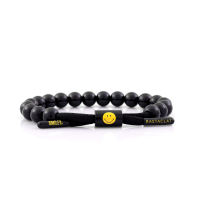
RASTACLAT Beaded Bracelet: Smiley Black (M/L)
₱2,700.00
Buy on Lazada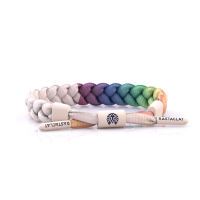
RASTACLAT Braided Bracelet: Pride Fade (M/L Boxed)
₱1,450.00
Buy on Lazada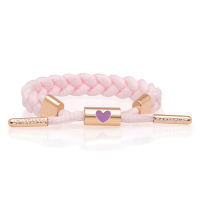
RASTACLAT Womens Braided Bracelet: I Love U Light Blush (S/M)
₱1,250.00
Buy on Lazada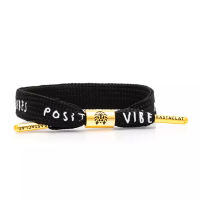
RASTACLAT Fat Lace Bracelet: Positive Vibes Black/Gold (M/L Headercard)
₱950.00
Buy on Lazada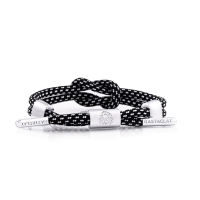
RASTACLAT Knotted Bracelet: Starscourge (M/L)
₱1,200.00
Buy on Lazada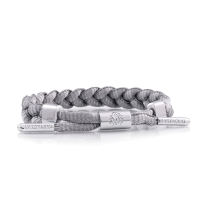
RASTACLAT Braided Bracelet: Facade (M/L)
₱1,200.00
Buy on Lazada
RASTACLAT Top: DBTK x Rastaclat - Quantum Tee Black
₱1,100.00
Buy on Lazada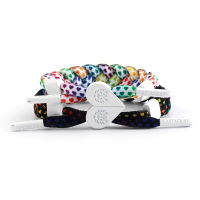
RASTACLAT Braided Bracelet: Pride Couples Set (Boxed)
₱2,200.00
Buy on LazadaAbout Rastaclat
Rastaclat is an American lifestyle and fashion brand best known for its hand-braided shoelace bracelets. Founded by Daniel Kasidi, the company emerged from skateboarding culture and evolved from a small handmade bracelet project into a broader accessories, apparel, and lifestyle enterprise centred on positivity, self-expression, and community. Headquartered in Long Beach, California, Rastaclat defines its core mission as “Seek the Positive.”1
Overview
| Category | Information |
|---|---|
| Brand | Rastaclat |
| Founded | 2010 |
| Founder & CEO | Daniel Kasidi |
| Headquarters | Long Beach, California, U.S. |
| Industry | Fashion / lifestyle / accessories |
| Best known for | Braided shoelace bracelets |
| Signature symbol | Lion logo |
| Core slogan | “Seek the Positive” |
| Brand philosophy | Positivity, righteousness, self-expression, community |
| Main community identity | #CLATLIFE |
Rastaclat positions itself as more than a bracelet manufacturer; its products are intended to serve as physical symbols of positivity and connection. The company states that its products have reached over 200 countries and that it has distributed more than 10 million bracelets.1
History
Origins
The origins of Rastaclat trace back to Daniel Kasidi, a first-generation American originally from Kenya. According to the brand’s own account, Kasidi was heavily influenced by skateboarding and martial arts during his youth. Skateboarding provided a means of self-expression and eventually connected him with the wider skate community.1
The original Rastaclat bracelet was not initially conceived as a commercial fashion product. Kasidi, having accumulated a collection of sneakers, experimented with their shoelaces. While waiting for a ride one day, he braided several laces together and fused the ends with a lighter, creating the prototype for what would become the Rastaclat bracelet.1
These handmade bracelets attracted attention among his friends. Kasidi began producing customised versions and selling them to classmates while still in high school. The company later formalised this simple shoelace concept into a brand, with 2010 generally identified as Rastaclat’s founding year.1
From skateboarding accessory to lifestyle brand
Skateboarding remained central to Rastaclat’s identity even as the company expanded. The brand describes its roots as directly connected to skate culture, and Kasidi has repeatedly credited skateboarding as a major influence on both his personal development and the creation of the original bracelet.1
Over time, Rastaclat expanded beyond its original braided bracelet into additional accessories and apparel. Collections have included various bracelet constructions, hats, T-shirts, and other lifestyle products. The company continues to describe its offerings as life-inspired accessories and apparel rather than simply jewellery.1
Name and meaning
The name “Rastaclat” is pronounced approximately “rah-stuh-claht.”
According to the company, the name derives from Patois, a Jamaican Creole language. Rastaclat explains the name as meaning “Cloth of the Righteous,” comprising:
- Rasta — “the Righteous”
- Clat — “the Cloth”
The phrase is intended to represent a sense of shared humanity and positive action. The company interprets this to mean that people are metaphorically “cut from the same cloth,” fostering a sense of connection among community members.1
Consequently, the name functions as more than a brand label; it is integral to Rastaclat’s philosophical identity.
Brand philosophy
Positivity is the central concept behind Rastaclat. Its official mission is “To inspire the world to Seek the Positive.”1
The company frames positivity as something that should translate into action rather than merely an optimistic attitude. Its stated beliefs include the idea that positive action can:
- Change lives
- Inspire confidence
- Encourage people to do good for themselves and others
- Unite people regardless of background1
This philosophy is represented visually through the bracelet itself. Rather than treating the item merely as an accessory, Rastaclat positions it as a wearable reminder of positivity and personal values.
The Rastaclat bracelet
The classic Rastaclat bracelet is a braided shoelace-style bracelet designed to be worn around the wrist. Its characteristic construction includes:
- Braided lace
- An adjustable closure
- A distinctive barrel component
- Rastaclat branding and/or the lion symbol
Many of the company’s bracelets are made primarily from polyester, and the adjustable construction allows different wrist sizes to wear the same basic product.1
The simplicity of the original design is a key part of the brand’s appeal, transforming a shoelace—a component normally associated with sneakers—into a piece of wearable fashion. This connection to sneakers became an explicit part of Rastaclat’s product strategy through the “Clats And Kicks” concept, which pairs bracelet designs with influential sneaker styles.1
Design language
Rastaclat’s visual identity sits at the intersection of skateboarding, sneakers, streetwear, contemporary fashion, and positive messaging. Products frequently feature strong colours, contrasting lace patterns, metallic details, limited-edition graphics, and collaborations.
Collections have experimented with different constructions and materials, including braided, multi-laced, knotted, and other bracelet formats. For example, the Chromantic collection expanded the traditional aesthetic with chrome-inspired colours and finishes.1
The lion logo is another significant element of the visual identity and is closely associated with Rastaclat’s interpretation of righteousness and strength.1
Relationship with sneaker culture
Sneaker culture represents one of Rastaclat’s strongest cultural connections. The brand’s origin story is literally tied to sneaker shoelaces, as Kasidi created the first bracelet using laces from his own shoes.1
This connection later became a deliberate aspect of product development. The Clats And Kicks collections feature bracelets inspired by or designed to complement notable sneakers, allowing consumers to coordinate wristwear with footwear and integrating the bracelet into larger sneaker and streetwear outfits.1
As a result, Rastaclat occupies a distinct position between jewellery, streetwear accessories, and sneaker culture.
Skateboarding and street culture
Although Rastaclat has expanded considerably beyond skateboarding, skate culture remains fundamental to its identity. The company has partnered with skateboarding organisations and brands, including The Berrics, a Los Angeles-based skateboarding facility and media/lifestyle brand. Rastaclat describes this partnership as a natural extension of the company’s roots and its commitment to community and positive action.1
Rastaclat has also released products specifically celebrating skateboarding. The Thank You Skateboarding collection, for instance, included a bracelet, hat, T-shirts, and stickers, explicitly recognising the sport’s influence on the brand.1
Collaborations
Collaborations have played a significant role in Rastaclat’s development. Rather than restricting itself to conventional fashion partnerships, the brand has worked with organisations and personalities connected to sports, art, entertainment, sneakers, and youth culture.
Examples include:
- The Berrics — Reflecting Rastaclat’s skateboarding roots and community focus.1
- Secret Walls — A collaboration connecting Rastaclat’s positivity message with live art and support for local artists.1
- Sports personalities and teams — Collaborations used to support charitable causes.1
These partnerships reinforce the idea that the bracelet is intended to be a cultural accessory and community symbol rather than simply a fashion item.
Philanthropy and the Seek the Positive Foundation
Charitable work is a major component of Rastaclat’s brand identity. The company established the Seek the Positive Foundation, which focuses on service, charitable grants, and awareness regarding causes involving equality and personal development.1
Rastaclat has stated that it contributes 1% of net proceeds to the foundation.1
The foundation aligns with the broader Rastaclat philosophy, seeking to turn the concept of “positivity” into concrete community activity. Charitable giving and community partnerships are incorporated into the company’s stated business philosophy rather than serving solely as marketing slogans.
Community and #CLATLIFE
The Rastaclat community is commonly referred to via the hashtag #CLATLIFE. This concept represents individuals who wear Rastaclat products and identify with the company’s philosophy of positivity and self-expression. The bracelet acts as a social signifier, allowing wearers to recognise a shared connection even without knowing one another.1
The company’s branding frequently emphasises a progression from authenticity to positivity, self-expression, and community. This community-oriented approach has helped Rastaclat move beyond the conventional accessories market.
Product expansion
While the classic shoelace bracelet remains the signature product, Rastaclat’s current range is substantially broader. Offerings include:
- Braided bracelets
- Beaded bracelets
- Magnetic bracelet sets
- Cuban-link-style bracelets
- Hats and headwear
- T-shirts and other apparel
- Limited-edition collections
- Collaborative products
The company’s catalogue describes itself as “more than just a bracelet,” emphasising the brand as a broader lifestyle concept.1
Rastaclat also operates an enterprise/custom programme for organisations. Enterprise products can be customised with specific colours and messaging and are produced in the company’s California facilities. This programme has been utilised by brands, influencers, non-profits, schools, clubs, and sports teams for merchandise, fundraising, corporate gifts, and events.1
Manufacturing and design
Rastaclat emphasises its Long Beach, California roots. Individual consumer products are described as being designed in Long Beach, while enterprise/custom products are manufactured in California facilities.1
The brand’s production philosophy remains closely connected to its original handmade character. Even as the business grew, the visual language continued to emphasise braiding, knots, laces, and handcrafted-looking construction, maintaining continuity between Kasidi’s original teenage creation and the contemporary product line.
Business identity
Rastaclat is a privately held fashion and lifestyle company based in Long Beach, California. LinkedIn lists the company as founded in 2010, with an industry classification of Retail Apparel and Fashion.2
The company is legally associated with Rastaclat, LLC. Trademark records show the Rastaclat name registered for apparel and related categories, reflecting the company’s expansion from bracelets into a wider lifestyle product ecosystem.3
Cultural significance
Rastaclat is notable for occupying an unusual space in fashion, having transformed an ordinary object—the shoelace—into a recognisable accessory with cultural meaning. Its development can be understood through several overlapping movements:
Skate culture
Skateboarding provided the original creative environment and continues to influence the company’s identity.
Sneaker culture
The bracelet’s literal construction from shoelaces creates a direct relationship with sneakers.
Streetwear
Colourful limited releases, collaborations, and graphic apparel place Rastaclat within the broader streetwear ecosystem.
Collecting
Limited-edition bracelets and collaborations encourage consumers to collect different designs rather than owning only one.
Positive lifestyle branding
Unlike brands built primarily around status or exclusivity, Rastaclat places positivity and social connection at the centre of its messaging.
Evolution of the brand
Rastaclat’s evolution can be broadly summarised as a progression from a handmade shoelace bracelet to a skate-community product, then to a bracelet brand, a sneaker/streetwear accessory, a lifestyle brand, and finally a social/charitable movement.
The company’s history describes the original bracelet as something that began with Kasidi making a product for friends before becoming a global business and a platform for the “Seek the Positive” philosophy. Rastaclat has reported reaching more than 228 countries and regions and inspiring tens of millions of people through its products and message.1
Brand positioning
Rastaclat is positioned between a fashion accessory brand, a streetwear label, and a lifestyle/community brand. Its closest conceptual territory includes sneaker accessories, streetwear, skateboarding, fashion jewellery, youth culture, artist collaborations, collectible accessories, and cause-oriented branding.
What differentiates Rastaclat is the deliberate connection between product and philosophy. The shoelace bracelet serves as a physical representation of the “Cloth of the Righteous” concept rather than merely carrying a slogan.
Legacy
The most distinctive aspect of Rastaclat’s story is the scale of its transformation. Daniel Kasidi began with the simple idea of braiding shoelaces into a bracelet, which evolved from a gift for friends into a recognisable international lifestyle brand.1
The company has retained the basic visual DNA of that first creation while expanding into apparel, accessories, collaborations, and philanthropy. Rastaclat’s legacy lies not only in popularising a particular type of bracelet but in creating a brand model where a small handmade object becomes a symbol of identity, community, and personal values.