Shop on Lazada
Red Bull products

Google Fitbit Air Screenless Activity Fitness Tracker
₱10,199.00₱19,999.00
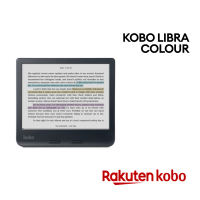
Kobo Libra Colour eReader 7″ Colour E-Ink 32GB Ergonomic Audiobooks Waterproof
₱19,490.00₱24,999.00
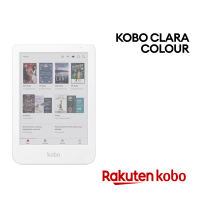
Kobo Clara Colour eReader 6″ Colour E-Ink 16GB Wifi Audiobooks Waterproof
₱14,890.00₱24,999.00
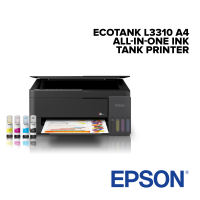
Epson EcoTank L3310 / L3316 A4 All-in-One Ink Tank Printer
₱9,939.00₱14,999.00
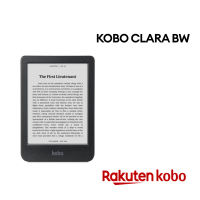
Kobo Clara BW eReader 6″ Screen 16GB Wifi with ComfortLight Pro Audiobooks Waterproof
₱13,690.00₱24,999.00
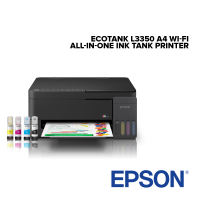
Epson EcoTank L3350 A4 Wi-Fi All-in-One Ink Tank Printer
₱11,899.00₱15,999.00
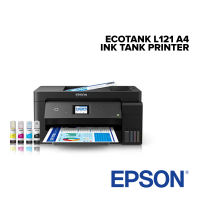
Epson EcoTank L14150 A3+ Wi-Fi Duplex Wide-Format with Fax
₱29,899.00₱39,999.00
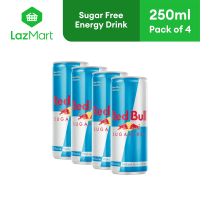
Red Bull Energy Drink Sugar Free 250ml (Can) - Pack of 4
₱351.00₱390.00
About Red Bull
Red Bull is an Austrian energy drink brand and the flagship product of Red Bull GmbH. Established in 1984 by Austrian entrepreneur Dietrich Mateschitz and Thai entrepreneur Chaleo Yoovidhya, the company adapted a Thai energy drink concept into one of the most recognised beverage brands globally. Red Bull Energy Drink was first introduced in Austria on April 1, 1987, effectively establishing the modern energy drink category.1
Beyond its beverages, the brand is widely known for its distinctive marketing approach, which includes extensive sponsorship of extreme sports, motorsports, football, aviation, music, gaming, and other entertainment forms. Its slogan, “Red Bull Gives You Wiiings,” remains one of the company’s most identifiable marketing phrases.
Company overview
| Field | Information |
|---|---|
| Brand | Red Bull |
| Company | Red Bull GmbH |
| Industry | Beverages, energy drinks, media and sports marketing |
| Founded | 1984 |
| First product launch | April 1, 1987 |
| Founders | Dietrich Mateschitz and Chaleo Yoovidhya |
| Origin | Austria / Thailand |
| Headquarters | Fuschl am See, Austria |
| Flagship product | Red Bull Energy Drink |
| Slogan | “Red Bull Gives You Wiiings” |
| Global reach | 178 countries as of the end of 2025 |
| Employees | 21,924 as of the end of 2025 |
| Cans sold in 2025 | 13.969 billion |
| 2025 group turnover | €12.196 billion |
According to the company’s own profile, Red Bull employed 21,924 people and distributed products in 178 countries at the end of 2025. It reported sales of 13.969 billion cans and a group turnover of €12.196 billion for the same year.1
History
Origins in Thailand
The origins of Red Bull lie in Thailand rather than Austria. In 1976, Thai entrepreneur Chaleo Yoovidhya launched an energy drink named Krating Daeng (กระทิงแดง), which translates roughly to “red gaur”. The beverage was initially marketed to Thai labourers, truck drivers, and others working long or physically demanding hours.2
Krating Daeng contained ingredients now commonly associated with energy drinks, including caffeine, taurine, sugar, and B vitamins. Its visual identity featured two red bulls facing each other against a yellow sun, a design that later formed the basis of Red Bull’s global branding.2
Dietrich Mateschitz discovers Krating Daeng
In 1982, Austrian businessman Dietrich Mateschitz, then employed by the German consumer goods company Blendax, travelled to Thailand. During his visit, he encountered Krating Daeng and became interested in both its effects and commercial potential. Mateschitz believed the concept could succeed in Western markets, provided the product was adapted to suit Western tastes and consumer expectations.2
He subsequently entered into a partnership with Chaleo Yoovidhya.
Red Bull GmbH
In 1984, Mateschitz and Yoovidhya established Red Bull GmbH in Austria. The partnership was notable for the complementary strengths each founder brought:
- Chaleo Yoovidhya contributed the original Thai beverage concept and expertise in the Asian beverage market.
- Dietrich Mateschitz provided international marketing and business strategy.
- The product was reformulated for European consumers, including adjustments to its composition and the addition of carbonation.2
Mateschitz spent approximately three years refining the formula, positioning, packaging, and marketing strategy before the product’s release.1
Austrian launch
On April 1, 1987, Red Bull Energy Drink was launched in Austria. Rather than marketing it as another soft drink, Red Bull positioned itself as something entirely new: an energy drink associated with alertness, activity, performance, and an energetic lifestyle. The company describes this launch as the creation of a completely new product category.1
This strategic positioning proved fundamental to Red Bull’s eventual success.
International expansion
After establishing a foothold in Austria, Red Bull expanded into other European markets during the 1990s and subsequently entered territories worldwide. The company eventually grew beyond Europe into markets including the United States, where it built a significant presence during the 1990s. This global expansion transformed Red Bull from a relatively niche Austrian beverage into an international consumer brand.2
By the end of 2025, Red Bull reported distribution in 178 countries.1
The Red Bull product
The flagship product is Red Bull Energy Drink, typically sold in its distinctive slim aluminium can. The classic formulation contains ingredients such as:
- Caffeine
- Taurine
- B-group vitamins
- Sugars
- Water
- Other ingredients depending on the market and product formulation
Red Bull has since developed numerous variations, including different flavours and sugar-free versions. The precise formulation may vary between countries due to differing beverage regulations and product specifications.
Branding
Red Bull’s branding is a primary factor in its global recognition. The company’s visual identity is characterised by:
- Two red bulls facing each other
- A yellow/gold sun
- Blue and silver packaging
- The Red Bull name
- The “Gives You Wiiings” slogan
The bull imagery is derived from Krating Daeng, whose name literally refers to a red gaur.2 This branding communicates concepts of energy, competition, strength, speed, and excitement without relying heavily on traditional beverage advertising.
Marketing strategy
Red Bull is particularly notable for its marketing model. Instead of depending primarily on conventional television advertising, the company built its brand around experiences and events. Its marketing activities encompass:
- Extreme sports
- Formula 1
- Football/soccer
- Motorcycle racing
- Air racing and aviation
- Mountain biking
- Snowboarding
- Skateboarding
- Surfing
- Esports and gaming
- Music
- Adventure projects
- Athlete sponsorship
- Original media and documentaries
This approach has made Red Bull resemble a media and entertainment company as much as a beverage marketer. The underlying strategy associates the brand with individuals and activities that embody energy, risk, competition, creativity, and achievement.
Sports
Formula 1
One of Red Bull’s most visible sporting investments is Formula 1. The company owns and operates Red Bull Racing, one of the world’s prominent Formula 1 teams. It also previously operated Scuderia Toro Rosso, which was later renamed Scuderia AlphaTauri and subsequently Racing Bulls. Formula 1 provides Red Bull with a global platform to demonstrate its association with technology, speed, and competition.
Football
Red Bull has also developed a substantial presence in football. The company has invested in clubs and football projects across various countries, including:
- RB Leipzig in Germany
- Red Bull Salzburg in Austria
- New York Red Bulls in the United States
- Red Bull Bragantino in Brazil
This reflects a broader Red Bull philosophy of creating and supporting sporting organisations rather than simply purchasing traditional advertising.
Extreme sports
Extreme sports have been central to the brand’s identity. Red Bull sponsors athletes and events in disciplines such as mountain biking, skiing, snowboarding, skateboarding, surfing, motocross, and other action sports. This strategy reinforces the notion that Red Bull is associated with doing something extraordinary, rather than merely consuming a beverage.
Red Bull Stratos
One of the most renowned examples of Red Bull’s marketing philosophy was Red Bull Stratos in 2012. Austrian skydiver Felix Baumgartner jumped from a helium balloon approximately 39 kilometres above Earth. The project attracted worldwide attention and became an iconic example of Red Bull combining science, adventure, sport, entertainment, media, and branding. Rather than presenting the company through a conventional commercial, Red Bull created a spectacular event that millions of people wanted to watch.
Media company
Red Bull has developed an extensive media operation. Through Red Bull Media House, the company produces and distributes documentaries, films, television programming, digital content, magazines, event coverage, and other media. This is significant because Red Bull does not simply advertise during sporting events; it frequently creates the content and events itself. In this sense, Red Bull’s business model can be summarised as selling beverages by building a powerful lifestyle brand around energy, adventure, and achievement.
Corporate identity
Red Bull’s corporate philosophy is closely linked to its slogan: “Giving Wings to People and Ideas.” The company describes itself as being driven by the goal of giving “wings” to people and ideas, rather than defining itself solely as a beverage manufacturer.1 This philosophy explains Red Bull’s involvement in areas that may initially appear unrelated to beverages.
Ownership
Red Bull’s corporate history is distinctive due to its founding through an Austrian-Thai partnership. Dietrich Mateschitz and Chaleo Yoovidhya were the key founders, and the Yoovidhya family has remained an important controlling shareholder in Red Bull GmbH. Historical sources describe the original arrangement as 49% for Mateschitz, 49% for Chaleo, and 2% for Chaleo’s son Chalerm.2
Following Mateschitz’s death in 2022, the Yoovidhya family became the controlling force behind the company.
Red Bull vs. Krating Daeng
It is important to note that Red Bull and Krating Daeng are related but are not simply the same company or identical product. Krating Daeng is the original Thai beverage created by Chaleo Yoovidhya. Red Bull is the international brand developed through the partnership between Yoovidhya and Mateschitz and operated by Red Bull GmbH. While the two products share historical roots, branding elements, and connections to the Yoovidhya family, their markets, formulations, and corporate structures have differed.2
Business model
Red Bull’s business model comprises several major components:
- Beverage sales — The primary source of revenue is the energy drink portfolio.
- Premium positioning — Red Bull generally positions itself above ordinary soft drinks in terms of brand identity and pricing.
- Sports sponsorship — Athletes, teams, and competitions reinforce the brand’s identity.
- Owned sports teams — The company directly operates sporting organisations.
- Media production — Red Bull produces content centred on sports, culture, and adventure.
- Events — The company creates its own competitions and experiences.
- Lifestyle marketing — The brand sells an identity associated with energy, performance, and adventure.
This model is frequently studied in marketing and business schools.
Corporate scale
Red Bull has grown significantly since the launch of its first product in Austria. According to official company figures for 2025:
- The company sold 13.969 billion cans worldwide.
- Sales increased 10.2% compared with 2024.
- Group turnover reached €12.196 billion.
- The company employed 21,924 people.
- Red Bull products were sold in 178 countries.1
These figures illustrate the company’s evolution from a small Austrian beverage venture to a global enterprise.
Cultural impact
Red Bull has become more than an energy drink brand. Its logo and slogan are widely recognisable, while its association with extreme sports and adventure has given it a distinctive cultural identity. The company’s most significant marketing achievement may be that consumers often associate “Red Bull” with an entire lifestyle, rather than merely with a beverage. Its brand identity can broadly be described through five interconnected concepts: Energy → Adventure → Performance → Youth → Achievement.
Criticism and controversies
Like other major energy drink companies, Red Bull has faced debates and criticism concerning:
- Caffeine consumption
- Marketing of energy drinks to younger consumers
- Health effects of excessive consumption
- Advertising claims
- Sponsorship and sports marketing
- Environmental issues surrounding packaging
The broader debate around energy drinks generally concerns the effects of caffeine and sugar, particularly when products are consumed excessively or by vulnerable groups. Red Bull has responded through product diversification, including sugar-free options and sustainability initiatives. The company states that it recognises the environmental responsibilities associated with its products and packaging.1
Legacy
Red Bull’s most significant contribution to the beverage industry may not be the energy drink itself, but rather its demonstration of how a company could build a global lifestyle brand around a relatively simple consumer product. The company combined a Thai beverage concept, Austrian entrepreneurship, aggressive marketing, sports, media, entertainment, and premium branding. The result was a brand that became synonymous with energy and extreme performance worldwide.