Shop on Lazada
Rejoice products
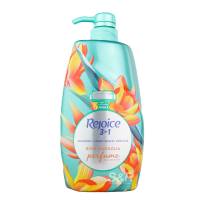
Rejoice 3 in 1 Rich Magnolia Shampoo 850mL
₱550.00
Buy on Lazada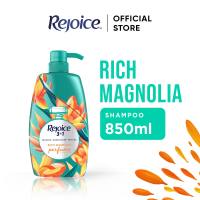
Rejoice 3in1 Shampoo Rich Magnolia Hair Care 850ml
₱530.00₱639.00
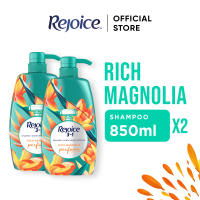
Rejoice 3-in-1 Shampoo Rich Magnolia Smooth Hair Care 850ml Duo
₱1,061.00₱1,276.00
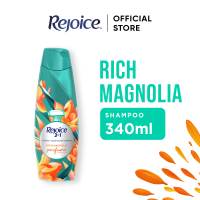
Rejoice 3in1 Shampoo Rich Magnolia Hair Care 340ml
₱303.00₱367.00
Rejoice Shampoo Soft Smooth Green Bottle | Rejoice Perfume Floral Design Blue Bottle 140ml and 170ml
₱138.00
Buy on Lazada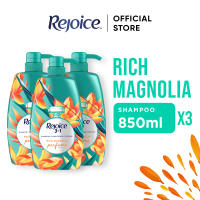
Rejoice 3-in-1 Shampoo Rich Magnolia Smooth Hair Care 850ml Trio
₱1,591.00₱1,913.00
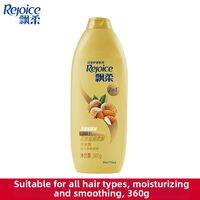
Rejoice | Dandruff And Oil Control Shampoo Refreshing And Moisturizing
₱336.00
Buy on Lazada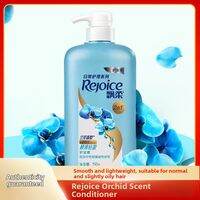
Rejoice | 2-in-1 Orchid Fragrance Smooth Lightweight Nourishing Hair Conditioner 750g
₱575.52₱634.41
About Rejoice
Rejoice is a hair care brand owned by Procter & Gamble (P&G) that is widely recognized in the Philippines and across Asia for shampoos and conditioners focused on smoothness, softness, manageability, and fragrance. Although the brand originated in the United States, it has become particularly prominent in Asian markets, where it has developed localized products and marketing strategies tailored to specific hair types, lifestyles, and consumer preferences.13
Brand Overview
| Category | Information |
|---|---|
| Brand | Rejoice |
| Industry | Hair care / Personal care |
| Owner | Procter & Gamble (P&G) |
| Origin | United States |
| Founded / Introduced | 1969 |
| Best Known For | Shampoo and conditioner |
| Core Positioning | Smooth, soft, manageable, and fragrant hair |
| Major Market | Asia, particularly Southeast and East Asia |
| Notable Innovation | 2-in-1 shampoo-and-conditioner concept |
| Notable Technology | Micro-silicone conditioning technology |
| Current Product Categories | Shampoo, conditioner, and specialized hair care collections |
History
Origins: 1969
Rejoice traces its history to 1969, when the shampoo was first introduced in the United States. The brand identifies this year as the beginning of its heritage.13 Developed within P&G’s broader hair care business, Rejoice was distinguished from standard cleansing products by a fundamental proposition: making hair smoother, softer, easier to comb, and pleasant-smelling.
A significant component of the brand’s early identity was its conditioning technology. Historical P&G materials describe Rejoice as being based on Micro-Silicone conditioning technology, which was intended to leave hair smooth and easy to manage. At the time of these publications, Rejoice was described as a major Asian shampoo brand sold in more than 85 countries.
The 2-in-1 Era
One of the most significant developments associated with Rejoice was the introduction of 2-in-1 shampoo-and-conditioner technology. P&G corporate history records that in 1986, after more than three years of research, scientists introduced a shampoo that combined cleansing and conditioning in a single product. This technology was subsequently extended to brands including Rejoice, Head & Shoulders, Pantene, and Vidal Sassoon.
This innovation was transformative because conventional hair care typically required shampooing followed by the application of a separate conditioner. The 2-in-1 proposition made conditioning considerably more convenient for daily use.
Expansion into Asia
Asia eventually became the most important region for Rejoice’s identity and commercial development. While the brand began in the US, its expansion timeline highlights a strategic focus on Asian markets:
| Year | Development |
|---|---|
| 1969 | Rejoice shampoo introduced in the United States |
| 1988 | Expansion into Singapore, Malaysia, and Hong Kong |
| 1989 | Expansion into China, Japan, and Indonesia |
| 1990 | Launch in the Philippines |
| 1991 | Launch in Thailand |
| 1992 | Launch in South Korea |
| 1995 | Expansion into Pakistan |
The brand’s current official regional history confirms the 1969 origin and its subsequent development across Asia.13 This expansion is significant because Rejoice became much more strongly associated with Asian hair care culture than its American origins might suggest. In neighboring Malaysia, for example, P&G relaunched Rejoice in 2003 with changes to packaging, formulation, and marketing, reinforcing its status as a leading shampoo in the region.
Rejoice in Indonesia
Rejoice has been present in Indonesia since the late 1980s, with historical sources generally placing its launch there in 1989. Indonesia became a vital market due to characteristics that aligned with the brand’s proposition, including a large mass-market shampoo category, a strong preference for fragrant hair products, and high demand for affordable everyday hair care.
In Indonesia, Rejoice has traditionally been sold in both bottles and sachets, allowing the brand to reach consumers across different price points and shopping habits. Current retail listings in the country show products such as Rich, Anti-Dandruff 3-in-1, Jeju Rose, Korean Lavender, Anti-Frizz, Anti-Hair Fall, and various conditioners.2
Brand Philosophy
Rejoice’s brand philosophy centers less on clinical hair repair and more on the everyday experience of having beautiful, cooperative hair. The brand’s stated goal is to give consumers smooth and fragrant hair that makes them look and feel good, while encouraging confidence to pursue their goals.3 This produces several recurring themes in Rejoice marketing:
- Smoothness: Smooth, manageable hair has traditionally been the brand’s central functional benefit.
- Fragrance: Fragrance is unusually important to Rejoice compared with many purely treatment-oriented shampoo brands. The brand has repeatedly developed products where perfume and scent are major selling points.
- Confidence: Rejoice connects hair appearance with personal confidence and self-expression.
- Convenience: The brand’s history with 2-in-1 products reinforces the idea that effective hair care should be easy to incorporate into everyday life.
Product Technology
Micro-Silicone Conditioning
One of Rejoice’s historically important technologies was Micro-Silicone conditioning. Designed to improve the feel and manageability of hair, this technology specifically aimed to make hair smoother and easier to comb. Historical P&G material identified Rejoice with patented Micro-Silicone conditioning technology, helping to establish the brand’s distinctive proposition of “clean hair + conditioned feel + easy combing” rather than shampooing as cleansing alone.
2-in-1 Technology
Rejoice is closely associated with P&G’s development of the 2-in-1 shampoo-and-conditioner format. P&G researchers spent more than three years developing a formulation that could clean, lather, rinse, and condition in one step, launching the technology in 1986.
Product Portfolio
Rejoice’s portfolio has evolved considerably over time and varies by country. It generally consists of shampoos, conditioners, and specialized collections. Examples found in the Indonesian market, which often reflect broader regional trends, include:
- Rich / Rich Soft Smooth: Designed around the brand’s traditional softness and smoothness proposition.
- Anti-Dandruff: Products aimed at consumers concerned with dandruff and scalp cleanliness.
- Anti-Frizz: Products designed for hair that becomes unruly, frizzy, or difficult to manage.
- Anti-Hair Fall: Products positioned around reducing the appearance or effects of hair fall and breakage.
- Jeju Rose: A fragrance-oriented collection associated with a rose profile.
- Korean Lavender: A more recent fragrance and beauty-oriented collection available in shampoo and conditioner formats.
Current retail listings indicate that the assortment continues to evolve, with multiple sizes and specialized variants available.2
Major Brand Innovations
Rejoice’s evolution can be divided into several key stages:
- 1969 — Establishment: Rejoice launches in the United States.3
- 1980s — Conditioning Innovation: The brand becomes associated with P&G’s development of 2-in-1 shampoo technology.
- Late 1980s–1990s — Asian Expansion: Rejoice enters major Asian markets including Singapore, Malaysia, Hong Kong, China, Japan, Indonesia, the Philippines, Thailand, and South Korea.
- 2000s — Mass-Market Strengthening: The brand continues to emphasize smoothness, fragrance, and convenience while refreshing formulations, packaging, and advertising.
- 2017 — Perfume Collection: Rejoice introduced the Rejoice Perfume Collection, bringing a stronger premium-fragrance proposition to its hair care products.3
- 2018 — Micellar Collection: Rejoice launched its Micellar Collection, applying the increasingly popular micellar concept to hair care.3
- 2019 — Hijab Perfection Collection: Rejoice introduced a collection specifically addressing hair care needs associated with wearing hijab.3
Adaptation to Local Lifestyles
A notable aspect of Rejoice’s Asian strategy is its adaptation to local lifestyles. In 2019, the brand introduced the Hijab Perfection Collection, specifically addressing the hair care needs of hijab wearers.3 This exemplifies how Rejoice’s strategy differs from simply exporting an American shampoo formula; instead, the brand has increasingly developed products around regional consumer behavior and cultural practices. Markets with significant Muslim populations, such as Indonesia and Malaysia, are particularly relevant for this strategy.
Marketing and Advertising
Rejoice has historically used emotional, lifestyle-oriented advertising rather than relying exclusively on technical claims. Its communication commonly connects beautiful hair with confidence, freedom, and a positive lifestyle. This aligns with the brand’s stated ambition of encouraging consumers to pursue their goals confidently.3
Marketing has also been adapted significantly by market. Rather than using identical propositions globally, P&G has localized Rejoice’s products, advertising, and positioning for Asian consumers. This localization is a primary reason for the brand’s strong presence in the region.
Position Within P&G
Rejoice belongs to P&G’s extensive portfolio of consumer brands and sits within the company’s beauty and hair care ecosystem alongside internationally recognized brands such as Pantene, Head & Shoulders, and Herbal Essences. These brands maintain distinct positionings:
| Brand | Broad Positioning |
|---|---|
| Rejoice | Smoothness, softness, fragrance, manageability |
| Pantene | Hair health, strength, and repair |
| Head & Shoulders | Dandruff and scalp care |
| Herbal Essences | Botanical-inspired beauty and sensory experience |
Rejoice is not simply a lower-priced version of Pantene; historically, it has developed its own identity centered on smooth, fragrant, and easy-to-manage hair.
Current Market Presence
Rejoice remains particularly visible in Asian markets. In Indonesia, current retail listings show an extensive portfolio including shampoo and conditioner products in multiple sizes and variants.2 Current listings include:
- Rejoice Rich
- Rejoice Rich Soft Smooth
- Rejoice Anti-Dandruff 3-in-1
- Rejoice Anti-Frizz
- Rejoice Anti-Hair Fall
- Rejoice Jeju Rose
- Rejoice Korean Lavender
- Rejoice Shiny Black
- Rejoice Conditioners
The exact portfolio changes over time and differs between countries; a product available in one market should not automatically be assumed to be available in others, including the Philippines.
Brand Identity
At its core, Rejoice can be understood through four attributes:
- Smooth: The fundamental functional benefit.
- Fragrant: An important sensory differentiator.
- Easy: Hair that is easier to comb, style, and manage.
- Confident: The emotional benefit connecting the product to lifestyle and self-expression.
This combination has allowed Rejoice to occupy a distinctive position between basic mass-market shampoo and premium beauty-oriented hair care.
Success Factors in Asia
Several factors help explain Rejoice’s success in Asian markets:
- Affordable Premium Feel: The brand provides sensory benefits such as fragrance and smoothness without positioning itself as an expensive salon product.
- Localization: Rejoice has developed products for specific local preferences, including fragrance collections and the Hijab Perfection line.
- Convenience: The 2-in-1 heritage made the brand particularly relevant to consumers seeking simple hair care routines.
- Strong Distribution: The brand has historically been available in supermarkets, convenience stores, pharmacies, beauty retailers, and small-format sachets.
- Emotional Positioning: Rather than focusing solely on shampoo chemistry, Rejoice connects hair with confidence and everyday happiness.
Comparison with Pantene
Rejoice is often compared to P&G’s Pantene. Pantene’s identity is strongly connected to hair health, strength, and damage repair, with a heritage dating back to a 1945 European hair care product and later Pro-Vitamin B5 positioning. Rejoice, by contrast, has historically concentrated on smoothness, softness, manageability, fragrance, everyday beauty, and convenience.
In simplified terms, while Pantene asks “How healthy and strong is your hair?”, Rejoice asks “How smooth, soft, fragrant, and easy to manage is your hair?” This distinction captures the broad difference in brand positioning.
Significance
Rejoice is an example of a brand whose geographical identity changed over time. Beginning as an American shampoo brand in 1969, its strongest cultural identity eventually developed in Asia. Its history demonstrates how a global consumer brand can become heavily localized while remaining under the same multinational owner.
Its most important contributions to hair care include:
- Popularizing the conditioning-shampoo proposition
- Helping establish 2-in-1 shampoo as a mainstream format
- Making smoothness and manageability central mass-market benefits
- Combining hair care with fragrance and sensory appeal
- Developing localized products for Asian consumers
- Adapting hair care marketing to lifestyles such as hijab wearing
Timeline
- 1969: Rejoice shampoo launches in the United States.3
- 1986: P&G introduces its 2-in-1 shampoo-and-conditioner technology.
- 1988: Rejoice expands into Singapore, Malaysia, and Hong Kong.
- 1989: Expansion into China, Japan, and Indonesia.
- 1990: Philippines launch.
- 1991: Thailand launch.
- 1992: South Korea launch.
- 1995: Pakistan expansion.
- 2003: Major Malaysian relaunch involving packaging, formulation, and marketing.
- 2017: Rejoice Perfume Collection introduced.3
- 2018: Rejoice Micellar Collection introduced.3
- 2019: Rejoice Hijab Perfection Collection introduced.3
- 2026: Rejoice continues to sell a broad range of shampoos and conditioners in Asian markets, including Indonesia.2