Shop on Lazada
Sansha products
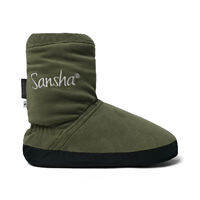
Sansha | Warm-up Performance Dance Shoes
₱2,800.70₱7,961.57
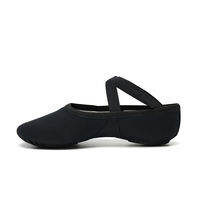
Sansha | Ballet Soft Shoes Micro Elastic Cat Claw Design
₱623.80₱894.88
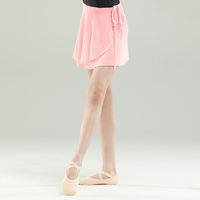
Sansha | Clearance Dance Skirt Children Ballet Stretch Mesh Tie Skirt
₱526.67₱1,311.90
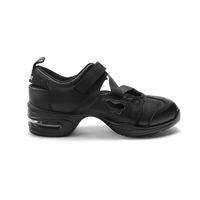
Sansha | Breathable Dance Shoes
₱4,241.53₱14,864.62
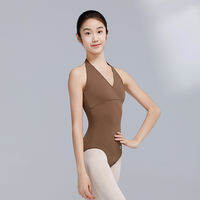
Sansha | Halter-neck V-Neck Backless Ballet Dancewear Ice Silk
₱2,407.22₱5,585.81
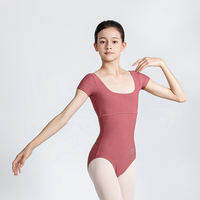
Sansha | Short Sleeve Square Neck Dance Bodysuit
₱2,220.59₱5,974.62
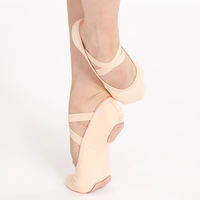
Sansha | Elastic Soft Two-piece Bottom Dance Shoes
₱548.64₱1,980.38
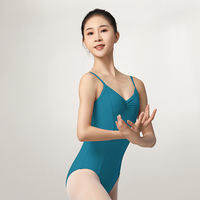
Sansha | Clearance Minor Imperfection Ballet Dancewear
₱1,055.25₱2,210.12
About Sansha
Overview
Sansha is an international dancewear and dance-footwear brand of French origin, best known for its ballet shoes, pointe shoes, dance sneakers, leotards, tights, warm-up clothing, and accessories. The company was founded in 1982 by Franck Raoul-Duval, who developed a distinctive split-sole ballet slipper designed to fit closely around the foot.1
| Details | Information |
|---|---|
| Brand | Sansha |
| Founded | 1982 |
| Founder | Franck Raoul-Duval |
| Origin | France |
| Industry | Dancewear and dance footwear |
| Best known for | Split-sole ballet slippers and dance shoes |
| Product categories | Ballet, pointe, jazz, ballroom, flamenco, tap, hip-hop, contemporary, dancewear & accessories |
| Market | International |
| Related brands | Skazz, K.H. Martin, F.R. Duval |
| Official website | Sansha World |
Company materials describe Sansha as a global dance brand serving multiple disciplines and working closely with professional dancers, teachers, and specialist dance retailers.1
History
Founding
Sansha was established in 1982 by Franck Raoul-Duval, then a 25-year-old Frenchman with a strong interest in dance. His initial objective was to create a ballet slipper that offered dancers a close, comfortable fit while allowing greater freedom of movement.
After experimenting with different constructions, Raoul-Duval developed a split-sole ballet slipper. The shoe was initially designed for professional ballet dancers and was given the name “Pro.” Sansha credits this design as the innovation that established the company’s identity.1 The split sole separates the sole into sections under the heel and forefoot, allowing the shoe to flex with the dancer’s foot and emphasizing the shape of the arch.
Expansion beyond ballet
Sansha initially concentrated on classical ballet footwear but subsequently expanded into a much broader range of dance products. Its product portfolio came to include shoes and clothing for jazz, modern and contemporary dance, hip-hop, flamenco, ballroom dancing, tap, and other dance styles.1 This expansion transformed Sansha from a specialist ballet-shoe maker into a broader dancewear company.
Design philosophy
One of Sansha’s central ideas has historically been the relationship between the shoe and the dancer’s foot. Its original split-sole design was intended to follow the contours of the foot rather than treating a dance shoe simply as conventional footwear. The company describes the original slipper as fitting the foot “like a glove.”
This philosophy is evident throughout the product range:
- Flexibility: Dance shoes are designed to permit the foot to articulate naturally.
- Close fit: Ballet footwear in particular emphasizes a snug connection between foot and shoe.
- Movement: Different sole constructions are offered according to the requirements of different dance disciplines.
- Specialization: Rather than producing one generic athletic shoe, Sansha develops different constructions for ballet, jazz, ballroom, urban dance, tap, and other disciplines.
- Accessibility: The company has historically positioned itself as a professional-oriented brand that is also available to dancers at different levels.
Sansha states that its shoes are handmade, although some models incorporate machine stitching in portions of their construction.
Products
Ballet shoes
Ballet footwear remains one of Sansha’s defining categories. Its range includes traditional ballet slippers as well as split-sole and stretch constructions. The company’s original Pro concept is particularly important to its history, as the split-sole design became the foundation of its reputation.
Pointe shoes
Sansha produces pointe shoes for classical ballet. These are substantially more specialized than ordinary ballet slippers and are intended for dancers who have received appropriate pointe training.
Jazz shoes
The brand produces a variety of jazz footwear, including shoes designed for flexibility and studio use.
Dance sneakers
Dance sneakers are another significant part of the portfolio. These are particularly associated with hip-hop, street dance, dance fitness, and other contemporary styles. Sansha’s FAQ specifically identifies its dance sneakers as suitable for activities including hip-hop, street dance, and ballroom practice.
Ballroom and Latin dance shoes
Sansha’s product history encompasses ballroom and partner dancing, including footwear designed for styles where controlled movement, flexibility, and floor interaction are particularly important.
Flamenco and tap
The company has expanded into specialized footwear, including flamenco and tap shoes, demonstrating its strategy of covering a broad spectrum of dance disciplines.1
Dancewear
Sansha is not exclusively a footwear company. Its current catalog includes leotards, tights, tops, pants, shorts, warm-up clothing, stage and performance clothing, dance accessories, and activewear. Its official store lists a substantial selection of leotards and other dance apparel.1
Dance disciplines
Sansha’s product range covers a broad portion of the dance market, including:
- Classical ballet
- Pointe
- Modern and contemporary dance
- Jazz
- Hip-hop
- Street/urban dance
- Ballroom
- Latin dance
- Flamenco
- Tap
- Musical theatre
- Dance fitness
The brand describes its reach as extending from ballet and jazz through hip-hop, flamenco, ballroom, and tap.
International presence
Although Sansha originated in France, it developed into an international brand rather than remaining a primarily French manufacturer. The company states it has a presence in major dance capitals around the world, with operations or distribution in regions including Europe, the United States, Russia, and Asia.1
Sansha products are encountered through specialist dance shops, distributors, regional retailers, and online stores. For example, the company operates regional online and retail operations, including an official Chinese store. The Chinese operation describes Sansha as a French international dance-products brand established in 1982 and identifies several associated brands, including SANSHA, SKAZZ, K.H. MARTIN, and F.R. DUVAL.2
Manufacturing and quality
Sansha places considerable emphasis on specialist footwear construction. According to its FAQ, all Sansha shoes are handmade, although certain portions of some models use machine stitching. The company also states that quality control takes place throughout the production process, from incoming materials through to the finished customer product.
This attention to detail is relevant for dance footwear because fit and construction can affect how a dancer moves and how the shoe responds to the foot. Sansha stresses that proper fitting is important, noting that its sizing generally follows women’s U.S. sizing conventions but that dancers should be fitted rather than relying solely on their normal street-shoe size.
Brand identity
Sansha’s identity is closely tied to dance rather than general fashion footwear. Its branding has historically been built around several core concepts:
- Professional dance expertise: The company originated from an attempt to solve a specific problem encountered by dancers rather than from conventional fashion footwear.
- Innovation: Sansha considers the original split-sole ballet slipper one of its defining innovations and continues to emphasize product development.
- Breadth: The brand eventually moved from ballet into virtually every major dance category.
- Accessibility: Sansha products are used by professional dancers as well as students and recreational dancers.
- Dance-community involvement: The company works closely with dancers, teachers, store owners, and other dance professionals.
Relationship with professional dancers
A significant part of Sansha’s positioning is its relationship with the dance community. Rather than treating dancers simply as conventional footwear consumers, the brand presents its development process as being informed by professional dancers, teachers, and specialist retailers. This is especially important in categories such as ballet and pointe, where fit and construction requirements differ considerably from ordinary shoes.
The company also maintains programs and pages relating to sponsored dancers and ambassadors on its international website.
Comparison with sports brands
Sansha occupies a different position from general sports brands such as Nike, Adidas, or Puma. Its primary specialization is dance, whereas those companies primarily serve general sports, running, training, or lifestyle markets. Consequently, Sansha develops products around dance-specific requirements such as foot articulation, arch presentation, floor contact, controlled turns, flexibility, dance-specific sizing, studio use, and performance requirements. This specialization is arguably Sansha’s most important competitive characteristic.
Reputation
Sansha has become particularly recognizable among ballet students, dance schools, teachers, and recreational dancers because of its long history in dance footwear and relatively broad product range. Its strongest historical association is with ballet slippers, especially split-sole designs. However, the modern company is much broader than a ballet-shoe manufacturer; its catalog encompasses dance footwear and clothing across numerous disciplines.1
The brand’s long history gives it an established position in the dancewear market. Having been operating since 1982, it has more than four decades of history as of 2026.
Corporate and regional structure
Public information about Sansha can appear under several different regional entities and websites. The international Sansha site identifies F. R. Dancing Shoes Co. Ltd. in its current online-store footer, while the French Eurostore identifies SARL Sansha France as its operating entity.1
It is useful to distinguish between Sansha as the international brand and individual regional companies, retailers, and distributors operating under the Sansha name.
Current status
As of 2026, Sansha remains primarily focused on dance footwear and apparel. Its official international store continues to sell ballet and dance shoes, leotards, and other dancewear, while its website maintains sections for stores, catalogs, sponsored dancers, ambassadors, and international customers.1
The company’s historical proposition remains consistent: specialized dance products developed around the needs of dancers.