Shop on Lazada
Shell products
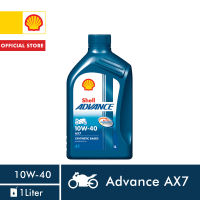
Shell Advance 4T AX7 10W-40 Semi Synthetic Motorcycle Engine Oil 1 Liter
₱397.88₱476.00
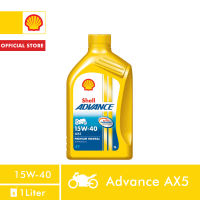
Shell Advance 4T AX5 15W-40 (SL/MA) 1Liter
₱319.00
Buy on Lazada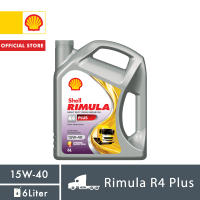
Shell Rimula R4 Plus 15W-40 Heavy-Duty Engine Oil 6 Liters
₱2,557.00
Buy on Lazada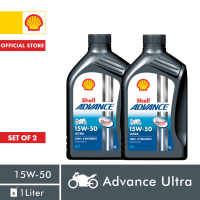
Shell Advance 4T Ultra 15W-50 Fully Synthetic Motorcycle Engine Oil 1 Liter - Set of 2
₱1,412.00
Buy on Lazada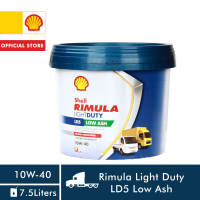
Shell Rimula Lightduty LD5 Low Ash 10W-40 7.5Liter
₱3,313.00
Buy on Lazada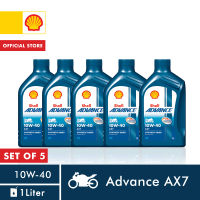
Shell Advance 4T AX7 10W-40 Synthetic Based Motorcycle Engine Oil 1 Liter - Set of 5
₱2,385.00
Buy on Lazada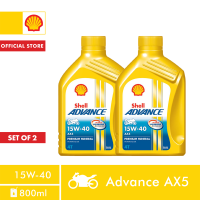
Shell Advance 4T AX5 15W-40 Motorcycle Engine Oil 800ml - Set of 2
₱532.00
Buy on Lazada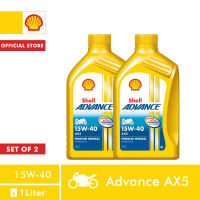
Shell Advance 4T AX5 15W-40 Motorcycle Engine Oil 1 Liter - Set of 2
₱750.00
Buy on LazadaAbout Shell
Shell plc is one of the world’s largest integrated energy companies, operating across the oil, natural gas, chemicals, lubricants, and low-carbon energy sectors. Headquartered in London, United Kingdom, Shell serves millions of customers daily through its network of service stations, commercial businesses, industrial operations, and energy solutions in more than 70 countries. The company is widely recognized for its iconic yellow and red “Pecten” shell logo, one of the most recognizable corporate symbols in the world. [1]
Overview
-
Company Name: Shell plc
-
Founded: 1907 (through the merger of Royal Dutch Petroleum Company and The Shell Transport and Trading Company)
-
Origins: 1833 (Marcus Samuel’s London import business)
-
Headquarters: London, England, United Kingdom
-
Industry: Energy, Oil & Gas, Chemicals, Renewable Energy
-
Type: Public company
-
Stock Listings: London Stock Exchange (LSE), Euronext Amsterdam, New York Stock Exchange (NYSE)
-
Operations: More than 70 countries
-
Customers: Millions of retail and business customers worldwide
-
Employees: Tens of thousands globally
History
Early Beginnings (1833–1897)
Shell’s story began in 1833 when Marcus Samuel, a London merchant, expanded his family’s business by importing decorative seashells from Asia. The popularity of these shells inspired the future company name.
Later, Marcus Samuel’s sons entered the petroleum trade, transporting kerosene from Asia to Europe. In 1892, they launched the Murex, the first oil tanker designed to safely transit the Suez Canal carrying bulk oil, revolutionizing international oil transportation. [1]
Formation of Shell Transport
In 1897, the business became:
The Shell Transport and Trading Company
The company quickly expanded into:
-
Oil transportation
-
Refining
-
Fuel distribution
-
International trading
The Shell name originated from the family’s earlier seashell import business. [1]
Merger with Royal Dutch (1907)
In 1907, Shell Transport merged with the Royal Dutch Petroleum Company of the Netherlands, forming the Royal Dutch Shell Group.
The merger combined:
-
Dutch oil production
-
British transportation and marketing
This created one of the largest oil companies in the world. [1]
Modern Shell
In 2022, the company simplified its corporate structure:
-
Royal Dutch Shell plc became Shell plc
-
Headquarters moved fully to London
-
The “Royal Dutch” name was dropped
This reflected a simplified legal and corporate organization. [1]
Business Operations
Shell is an integrated energy company, meaning it operates across the energy value chain.
Upstream
Exploration and production of:
-
Crude oil
-
Natural gas
-
Deep-water resources
-
Offshore drilling
Integrated Gas
Shell is one of the world’s largest producers and traders of:
-
Liquefied Natural Gas (LNG)
-
Natural gas
-
Gas-to-liquids (GTL)
Downstream
This includes:
-
Fuel refining
-
Retail fuel stations
-
Lubricants
-
Chemicals
-
Aviation fuel
-
Marine fuel
-
Bitumen
-
Industrial products
Chemicals
Shell manufactures:
-
Plastics
-
Chemical feedstocks
-
Industrial chemicals
-
Solvents
-
Specialty products
Low-Carbon Energy
Shell has expanded into:
-
Electric vehicle (EV) charging
-
Renewable power
-
Hydrogen
-
Biofuels
-
Carbon capture and storage
-
Energy trading
The company describes its strategy as providing oil, gas, and lower-carbon energy while the global energy system evolves. [2]
Products
Shell offers a wide range of products, including:
Fuels
-
Shell V-Power
-
Regular gasoline
-
Diesel
-
Premium diesel
-
Aviation fuel
-
Marine fuel
Lubricants
Shell is one of the world’s largest lubricant suppliers.
Popular product lines include:
-
Shell Helix
-
Shell Rimula
-
Shell Advance
-
Shell Tellus
-
Shell Omala
Chemicals
Products for:
-
Automotive
-
Construction
-
Manufacturing
-
Agriculture
-
Electronics
Shell Retail Stations
Shell operates thousands of fuel stations worldwide.
Typical services include:
-
Fuel
-
Convenience stores
-
Car wash
-
EV charging (selected locations)
-
Coffee shops
-
Fleet services
Many locations also partner with retailers and food outlets.
Shell Brand
Shell’s logo is called the Pecten, inspired by a scallop shell.
Evolution
-
First logo: 1900 (black-and-white mussel shell)
-
Scallop design introduced: 1904
-
Red and yellow colors adopted early in the company’s history
The red-and-yellow branding has become one of the most recognized corporate identities worldwide. [1]
Sustainability and Energy Transition
Shell has invested in:
-
Renewable electricity
-
Hydrogen
-
Biofuels
-
Carbon capture and storage (CCS)
-
EV charging infrastructure
At the same time, it remains a major producer of oil and natural gas, and its climate strategy has been the subject of public debate, legal challenges, and scrutiny from investors and environmental groups. [3]
Global Presence
Shell operates in:
-
Europe
-
Asia
-
North America
-
South America
-
Africa
-
Middle East
-
Australia
Its customers include:
-
Individual motorists
-
Airlines
-
Shipping companies
-
Manufacturers
-
Governments
-
Commercial fleets
Shell in the Philippines
Shell has operated in the Philippines since 1914, when it began as the Asiatic Petroleum Company. Today, Shell companies in the Philippines are active in downstream fuels, lubricants, business operations, and energy services. [2]
Key offerings include:
-
Fuel stations
-
Shell V-Power fuels
-
Shell Helix lubricants
-
Commercial fuels
-
Aviation fuels
-
Marine fuels
-
Business operations center in Manila
-
EV charging at selected sites
Major Brands
-
Shell V-Power
-
Shell FuelSave
-
Shell Helix
-
Shell Advance
-
Shell Rimula
-
Shell Tellus
-
Shell Recharge
Core Values
Shell states that its business is guided by principles including:
-
Safety
-
Integrity
-
Respect for people
-
Sustainability
-
Innovation
-
Operational excellence
-
Customer focus [2]
Interesting Facts
-
The company began as a seashell import business before entering the oil trade. [1]
-
The Murex was the first oil tanker to carry bulk oil through the Suez Canal, helping transform global oil transport. [1]
-
The Shell logo is among the world’s most recognizable corporate symbols and has been used for over a century. [1]
-
Shell is consistently ranked among the world’s largest energy companies by revenue.
Summary
Shell plc is a multinational energy company with roots dating back to 1833. From its origins in a London import business selling seashells, it grew into a global enterprise spanning oil and gas exploration, refining, chemicals, lubricants, fuel retail, and increasingly, lower-carbon energy technologies. Its distinctive Pecten logo, worldwide service-station network, and long history have made Shell one of the most recognizable and influential brands in the global energy industry.