Shop on Lazada
Sprite products
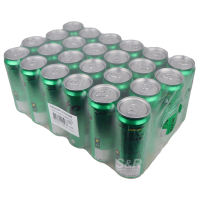
Sprite Zero Sugar 24x320mL
₱1,009.00
Buy on Lazada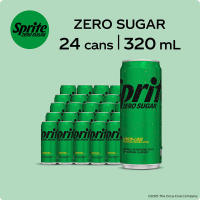
Sprite Soda Zero Sugar 320ml - Pack of 24
₱1,185.00
Buy on Lazada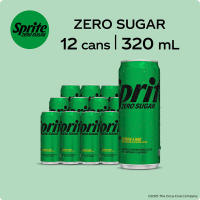
Sprite Soda Zero Sugar 320ml - Pack of 12
₱593.00
Buy on Lazada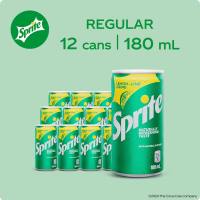
Sprite Regular Soda Mini Cans 180ml - Pack of 12
₱376.00
Buy on Lazada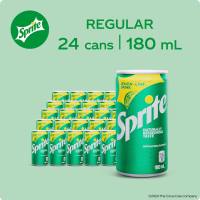
Sprite Regular Soda Mini Cans 180ml - Pack of 24
₱752.00
Buy on Lazada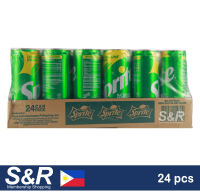
Sprite Lemon Lime Drink 24 cans
₱1,009.00
Buy on Lazada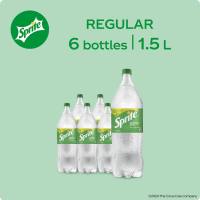
Sprite Regular 1.5L - Pack of 6
₱556.00
Buy on Lazada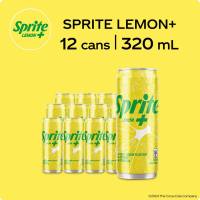
Sprite Lemon Soda 320ml - Pack of 12 Cans
₱593.00
Buy on LazadaAbout Sprite
Overview
Sprite is a globally recognised brand of lemon-lime flavoured carbonated soft drink owned and marketed by The Coca-Cola Company. Distinguished by its clear appearance, strong carbonation, crisp citrus taste, and caffeine-free formulation, it is positioned as the world’s number one lemon-lime soft drink.1 In the Philippines, Sprite is a staple beverage widely available across retail, food service, and convenience channels, with formulations and packaging adapted to local regulations and consumer preferences.3
Quick Facts
| Field | Information |
|---|---|
| Brand | Sprite |
| Owner | The Coca-Cola Company |
| Category | Carbonated soft drink |
| Flavour | Lemon-lime |
| Colour | Generally clear/colourless |
| Caffeine | Caffeine-free |
| Introduced | 1961 |
| Beverage Origins | West Germany |
| Main Historical Competitor | 7 Up |
| Global Presence | Sold in numerous markets worldwide |
| Brand Positioning | Refreshment, youth culture, music, basketball, street culture |
History
Origins
The modern Sprite beverage traces its roots to West Germany in the late 1950s, where it was originally developed as a clear lemon drink called Fanta Klare Zitrone (“Fanta Clear Lemon”). The Coca-Cola Company subsequently introduced the product under the Sprite name in the United States in 1961.2
The name Sprite itself predates the American launch of the lemon-lime drink. The Coca-Cola Company acquired rights to the name around 1960, shortly before applying it to the new soft drink.2
1961 Launch
Sprite officially entered the U.S. market in 1961, positioned as Coca-Cola’s lemon-lime offering and a direct competitor to 7 Up. Historical records from The Coca-Cola Company note that Sprite was introduced as a lemon-lime beverage on February 1 during the 1960s.1
Following its American debut, Sprite expanded internationally to become one of Coca-Cola’s major sparkling soft drink brands globally.
Product Identity
The defining characteristic of Sprite is its lemon-lime flavour. Unlike Coca-Cola, which features a dark colour and cola taste, Sprite is generally transparent and emphasises citrus notes and carbonation.
The Coca-Cola Company currently describes the classic product as having a crisp, clean lemon-lime taste, highlighting its refreshing character.1 Sprite is also traditionally caffeine-free, distinguishing it from many cola-based soft drinks; product information explicitly identifies classic Sprite as containing no caffeine.1
Ingredients
The exact formulation of Sprite varies by country, as The Coca-Cola Company adapts recipes to local markets, regulations, sweetener availability, and consumer preferences.
In the Philippines, Coca-Cola Philippines currently lists the ingredients for classic Sprite as:
- Carbonated water
- Sugar
- Citric acid
- Natural flavours
- Sodium citrate
- Sodium benzoate
- Acesulfame-K
- Sucralose3
This differs from other markets; for instance, the U.S. formulation uses high-fructose corn syrup as its primary sweetener.1 Consequently, there is no single universal Sprite recipe worldwide.
Nutrition
Nutritional values differ significantly between markets due to varying formulations.
Current product information from Coca-Cola Philippines lists a 240 mL serving of classic Sprite as containing:
- 48 calories
- 12 g carbohydrates
- 12 g sugar
- 0 g fat
- 0 g protein
- 22 mg sodium3
By comparison, a 12-fl-oz serving of classic Sprite in the United States contains 140 calories and 38 g of sugar.1 These discrepancies illustrate why consumers should refer to nutrition labels specific to their country and package size rather than assuming identical values globally.
Sprite Zero Sugar
Sprite has developed reduced-sugar and sugar-free variants to cater to changing dietary preferences.
Sprite Zero Sugar is marketed as the zero-sugar alternative to classic Sprite. In the United States, it is listed at 0 calories and 0 g sugar per 12-fl-oz serving.1
Sweetener combinations vary by region. For example, Coca-Cola Philippines lists sucralose and acesulfame-K in its Sprite Zero formulation,3 whereas the U.S. version uses aspartame and acesulfame potassium.1
Product Variations
Over the years, Sprite has introduced numerous variations and limited editions. Examples in The Coca-Cola Company’s current U.S. portfolio include:
- Sprite — classic lemon-lime flavour
- Sprite Zero Sugar
- Sprite Chill
- Sprite Chill Zero Sugar
- Sprite Cherry
- Sprite Lymonade
- Sprite Tropical Mix
- Sprite + Tea
- Sprite + Tea Zero Sugar
- Sprite + Tea Peach1
Availability is highly market-dependent. Flavours sold in the United States may not be available in the Philippines, Europe, or other regions.
Branding and Visual Identity
Sprite’s visual identity has historically centred on green, yellow, blue, and white, utilising imagery associated with citrus, bubbles, freshness, and coolness.
The brand has undergone multiple logo and packaging redesigns throughout its history. Its branding generally seeks to communicate:
- Freshness
- Youthfulness
- Energy
- Individuality
- Authenticity
- Urban culture
- Refreshment
Rather than presenting Sprite merely as another Coca-Cola product, the company has cultivated a distinct personality for the brand.
Advertising and Marketing
A pivotal aspect of Sprite’s history is its relationship with popular culture. The Coca-Cola Company describes Sprite as having a long-standing presence in music, basketball, and street culture, noting that the brand actively seeks partnerships with culture-makers and communities worldwide.1
This strategy has made Sprite particularly recognisable among younger consumers.
Basketball
Basketball has been integral to Sprite’s marketing identity. The brand has historically aligned itself with basketball players, leagues, events, and broader basketball culture.
This approach helped establish an identity focused less on traditional soft drink advertising and more on sports, entertainment, personality, and youth culture.
Music and Hip-Hop
Sprite has also maintained a significant relationship with hip-hop and music culture. Advertising campaigns have frequently featured musicians, rappers, artists, DJs, and contemporary music.
This association supports Sprite’s broader positioning as culturally relevant and distinct from conventional mainstream advertising.
Brand Personality
Sprite’s brand personality can be summarised as cool, direct, energetic, irreverent, and refreshing. Historically, The Coca-Cola Company has positioned Sprite around a “cut-through” attitude, encouraging consumers to be themselves and cut through social noise rather than conform.
This differentiates Sprite from other brands in the portfolio:
| Brand | General Positioning |
|---|---|
| Coca-Cola | Happiness, togetherness, timelessness |
| Fanta | Fun, fruit, playful experiences |
| Sprite | Refreshment, individuality, culture, attitude |
| Coca-Cola Zero Sugar | Cola taste with zero sugar |
These distinctions form part of The Coca-Cola Company’s broader portfolio strategy.
Global Variations
Although Sprite is a global brand, it is not identical everywhere. Recipes, package sizes, variant names, nutritional values, and sweeteners can vary significantly between countries. Country-specific websites for the Philippines, U.S., India, Singapore, and the UK demonstrate these differences in formulation and nutrition.13
Localisation allows The Coca-Cola Company to respond to:
- Local food regulations
- Sugar-reduction policies
- Consumer preferences
- Available ingredients
- Local taxation
- Packaging conventions
- Regional flavour preferences
Packaging
Sprite is commonly sold in:
- Aluminium cans
- Glass bottles
- Plastic PET bottles
- Multipacks
- Larger family-size bottles
- Food-service containers
Package sizes differ considerably by country. For example, Coca-Cola’s Indian Sprite page lists numerous can, returnable glass bottle, and PET sizes ranging from small individual servings to large family bottles.1
Ownership
Sprite is a trademark and brand of The Coca-Cola Company, one of the world’s largest beverage companies. It operates as part of Coca-Cola’s broader sparkling soft drink portfolio alongside brands such as Coca-Cola and Fanta.2
Sprite does not operate as an independent beverage company; its products are manufactured, distributed, licensed, or bottled through Coca-Cola’s worldwide system and local bottling partners.
Competition
Sprite operates in the highly competitive lemon-lime and carbonated soft drink market. Its most historically significant competitor is 7 Up, which also occupies the lemon-lime soda category. Sprite was introduced in the United States partly as Coca-Cola’s response to 7 Up’s market position.2
Depending on the country, Sprite may also compete with other lemon-lime or citrus soft drinks, as well as broader categories such as flavoured sparkling water, energy drinks, juices, and other non-alcoholic beverages.
Cultural Significance
Sprite’s importance extends beyond its status as a soft drink. Over several decades, the brand has deliberately connected itself with music, basketball, fashion, youth culture, and street culture. The Coca-Cola Company describes Sprite as being embedded in these cultural spheres,1 a positioning that makes it recognisable as a distinct brand rather than simply “Coca-Cola’s lemon-lime soda.”
Name and Slogan History
Sprite has used numerous advertising slogans and brand platforms throughout its history, with messaging frequently emphasising freshness, individuality, attitude, and authenticity. The brand has repeatedly updated its visual identity and advertising strategy to remain relevant to new generations.
As with its product formulas, Sprite’s slogans and campaigns differ by country and period, meaning no single slogan represents the brand throughout its entire history.
Sprite Today
As of 2026, Sprite remains one of The Coca-Cola Company’s major global sparkling soft drink brands. The company currently describes it as the world’s No. 1 lemon-lime soft drink and continues to associate it with music, sports, food, and contemporary culture.1
Its portfolio has expanded beyond the original lemon-lime drink to include zero-sugar products and numerous flavoured or limited-edition offerings.1