Shop on Lazada
Stanley products
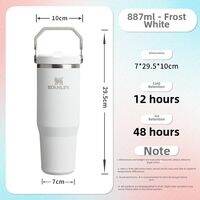
STANLEY | Foldable Straw Insulated Leak-proof Portable Cup
₱5,529.55₱6,876.13
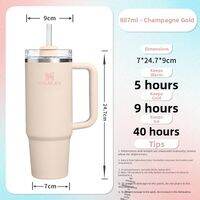
STANLEY | Insulated Tumbler with Straw and Handle Large Capacity for Hot and Cold Drinks Stainless Steel Thermal Cup for Car Home Office Student Gift
₱6,026.71₱6,759.19
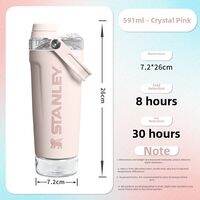
Stanley | Sporty Insulated Shaker Bottle 591ml
₱7,391.81₱8,208.01
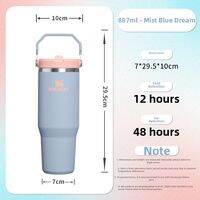
Stanley | 591ml 887ml Folding Straw Insulated Water Bottle Stainless Steel Tumbler for Hot and Cold Drinks Heavy Duty Insulation Anti Fall Design
₱7,240.98₱8,044.06
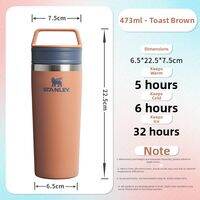
STANLEY | Mini Portable Leak Proof Insulated Tumbler with Double Cover Design Stainless Steel Cup for Hot and Cold Drinks Travel Coffee Cup
₱5,148.90₱5,965.09
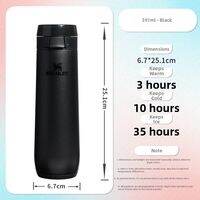
STANLEY | Push-button Cold Retention Cup
₱6,015.69₱6,178.93
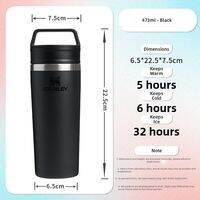
Stanley | Compact Insulated Travel Mug Sealed Gift Car Use 236ml /354ml / 473ml
₱5,164.63₱6,144.06
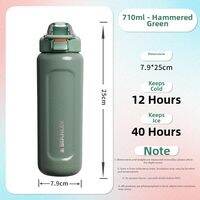
STANLEY | Snap Lid Insulated Stainless Steel Cup
₱5,981.16₱6,960.59
About Stanley
Overview
| Attribute | Details |
|---|---|
| Brand Name | Stanley (Stanley 1913) |
| Founded | 1913 |
| Founder | William Stanley Jr. |
| Industry | Drinkware & Outdoor Equipment |
| Headquarters | Seattle, Washington, USA |
| Parent Company | PMI WW Brands, LLC (owned by Morgan Street Holdings) |
| Products | Tumblers, Vacuum Bottles, Water Bottles, Mugs, Food Jars, Coolers, Lunch Boxes, Barware |
| Markets | Worldwide |
| Slogan | Built For Life™ |
| Website | stanley1913.com |
History
Stanley was founded by William Stanley Jr., an American inventor and physicist who held more than 100 patents throughout his career. [1]
The Beginning (1913)
Before Stanley’s invention, vacuum bottles were typically made with fragile glass interiors that could easily break. William Stanley Jr. combined double-wall vacuum insulation with stainless steel construction to create the first all-steel vacuum bottle, making insulated containers much stronger, safer, and better suited for industrial work, travel, and outdoor adventures. [1]
His invention fundamentally changed how people carried hot and cold beverages and became one of the most influential innovations in insulated drinkware. [1]
Brand Evolution
For much of the 20th century, Stanley products became synonymous with durability and reliability. The classic green vacuum bottle became especially popular among construction workers, farmers, military personnel, hunters, campers, hikers, fishermen, and road travelers. [1]
Because of their exceptional heat retention and rugged design, many Stanley bottles remained functional for decades, helping establish the brand’s reputation for longevity. [1]
Modern Transformation
Although Stanley maintained a loyal outdoor customer base for decades, the brand underwent a major transformation beginning around 2020. Rather than focusing only on camping and work gear, Stanley expanded into lifestyle drinkware, fashion collaborations, colorful limited editions, and everyday hydration products. [2]
The launch of the Stanley Quencher tumbler brought widespread popularity through social media platforms like TikTok and Instagram, turning the brand into a mainstream lifestyle phenomenon while retaining its reputation for durable insulated products. [2]
Products
Stanley manufactures a broad range of insulated products. [1]
Drinkware
-
Quencher Tumblers
-
Vacuum Bottles
-
Water Bottles
-
Travel Mugs
-
Camp Mugs
-
Beer Pints
-
Flasks
Food Storage
-
Food Jars
-
Lunch Boxes
-
Lunch Containers
Outdoor Gear
-
Coolers
-
Portable Storage
-
Camp Kitchen Equipment
Barware
-
Cocktail Shakers
-
Whiskey Glasses
-
Adventure Bar Sets
Core Technologies
Stanley products are built around several key technologies. [1]
Vacuum Insulation
A vacuum layer between two stainless-steel walls minimizes heat transfer, helping beverages stay hot or cold for extended periods.
Stainless Steel Construction
Most products use food-grade stainless steel, providing corrosion resistance, high durability, and long service life.
Leakproof Engineering
Many Stanley products feature leak-resistant or leakproof lids designed for travel and outdoor use.
Reusability
The brand emphasizes reusable products intended to reduce reliance on disposable bottles and cups.
Design Philosophy
Stanley promotes products that are durable, functional, long-lasting, sustainable, and timeless. Its long-running “Built For Life™” philosophy reflects a focus on products designed for years of everyday use rather than frequent replacement. [1]
Sustainability
Stanley positions durability as a sustainability strategy, arguing that products built to last reduce waste. The company also reports initiatives involving increased use of recycled materials, reduced packaging, and supply chain sustainability efforts. [1]
Manufacturing
Stanley products are primarily manufactured in China and Brazil. Design, product development, and brand operations are managed from the company’s headquarters in Seattle, with additional offices in several countries. [2]
Brand Identity
Stanley is known for several characteristics including premium quality, rugged construction, long insulation performance, outdoor heritage, everyday usability, and modern lifestyle appeal. Its products are often marketed for both outdoor adventures and daily routines, from job sites to offices and city commuting. [1]
Cultural Impact
During the early 2020s, Stanley experienced an unprecedented surge in popularity due to viral TikTok videos, influencer marketing, limited-edition color releases, and high-profile brand collaborations. The Stanley Quencher became a recognizable consumer product, expanding the brand’s audience well beyond its traditional outdoor market. [2]
Warranty
Stanley is widely recognized for offering strong warranty support on many products, reinforcing its emphasis on long-term durability and customer confidence. Warranty terms can vary by product and region. [1]
Mission
Stanley states that its mission is:
“To create, build and invent in a better way, for a better life and world.”
Its vision is:
“To fuel the human experience.” [1]
Interesting Facts
-
William Stanley Jr. held more than 100 patents during his lifetime. [1]
-
The original all-steel vacuum bottle was invented in 1913. [1]
-
Stanley has been producing reusable insulated products for over 100 years. [1]
-
The brand evolved from a rugged outdoor equipment maker into a global lifestyle brand while maintaining its outdoor heritage. [1]
-
Stanley products are sold in countries across North America, Europe, Asia, South America, and beyond. [1]
Summary
Stanley (Stanley 1913) is one of the world’s most recognizable insulated drinkware brands. Founded in 1913 by inventor William Stanley Jr., it pioneered the all-steel vacuum bottle and built a century-long reputation for durability and performance. While originally associated with outdoor work and adventure, the brand has expanded into everyday lifestyle drinkware, achieving global popularity through innovative designs and viral products like the Stanley Quencher, while continuing to emphasize quality, sustainability, and products “Built For Life.” [1] [2]