Shop on Lazada
Stokke products
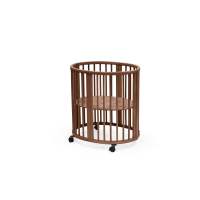
Stokke® Sleepi™ Bed Mini V3
₱32,999.00
Buy on Lazada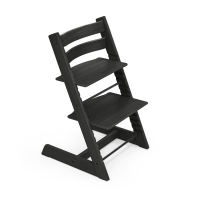
Stokke® Tripp Trapp® Chair - The Chair That Grows With The Child™ - from Birth to Life
₱22,999.00
Buy on Lazada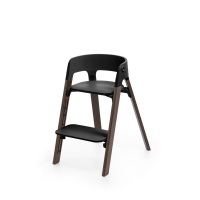
Stokke® Steps™ Chair - High Chair from Birth+
₱22,999.00
Buy on Lazada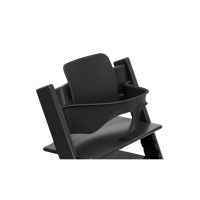
Tripp Trapp® Baby Set²
₱4,999.00
Buy on Lazada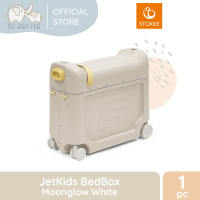
Stokke JetKids BedBox
₱15,899.00
Buy on Lazada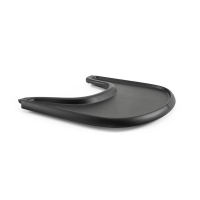
Stokke® Tripp Trapp® Tray
₱4,999.00
Buy on Lazada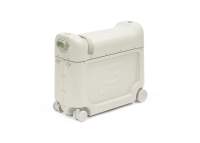
Stokke JetKids BedBox Ride-On Kids Suitcase | Converts to In-Flight Bed Extension for Long-Haul Flights | Cabin-Approved Travel Carry-On Luggage for Toddlers & Kids Ages 3-7 (Choose Color)
₱14,999.00
Buy on Lazada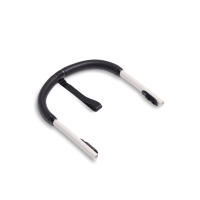
Stokke® YOYO® handlebar
₱3,999.00
Buy on LazadaAbout Stokke
Overview
Stokke is a Norwegian premium brand specialising in children’s products that combine Scandinavian design, ergonomics, functionality, and adaptability. Although established as a furniture manufacturer in 1932, its contemporary identity is defined by iconic items such as the Tripp Trapp high chair, Xplory stroller, Sleepi nursery furniture, and Nomi chair.1
| Category | Information |
|---|---|
| Brand | Stokke® |
| Origin | Norway 🇳🇴 |
| Founded | 1932 |
| Founder | Georg Stokke |
| Original location | Ålesund/Sunnmøre, Norway |
| Original business | Furniture manufacturing |
| Current focus | Premium baby and children’s products |
| Best-known product | Tripp Trapp® chair |
| Tripp Trapp designer | Peter Opsvik |
| Tripp Trapp launched | 1972 |
| Current owner | NXMH |
| Parent ownership | NXMH is majority-owned by NXC |
| Main positioning | Premium, design-led children’s products |
| Design philosophy | Child-centered, ergonomic, functional, long-lasting |
| Global presence | Products sold internationally |
While headquarters functions remain based in Ålesund, Stokke maintains offices and sales operations worldwide. In its 2023 annual report, the company disclosed that 98.4% of sales occurred outside Norway, demonstrating significant international expansion beyond its domestic market.2
History
1932–1971: A Norwegian furniture company
Georg Stokke founded the company in 1932 in the Sunnmøre region of Norway. Initially, the business focused on producing high-quality furniture rather than baby products. This heritage in Scandinavian furniture making is central to understanding the brand’s later evolution; instead of operating as a conventional baby-products manufacturer, Stokke applied furniture design principles—durability, ergonomics, material quality, simplicity, and longevity—to the children’s category.
1972: The Tripp Trapp revolution
A pivotal moment in the company’s history occurred in 1972 when Norwegian designer Peter Opsvik created the Tripp Trapp chair. Observing that conventional high chairs failed to accommodate growing children effectively, Opsvik designed a chair with an adjustable seat and footrest rather than one intended for eventual disposal. This innovation allowed children to sit directly at the family dining table instead of being isolated at a separate children’s table.3
This development established a core philosophical tenet for the brand: products should adapt to children, rather than forcing children to adapt to products. The Tripp Trapp subsequently became one of the most recognisable pieces of Scandinavian children’s furniture. By 2024, Stokke reported cumulative sales exceeding 15 million units, with subsequent figures indicating worldwide sales surpassing 16 million chairs.3
Transformation into a children’s design brand
For much of its early existence, Stokke operated as a general furniture company. However, during the 1990s and early 2000s, it increasingly developed products specifically for infants and children. Key introductions during this period included:
- Tripp Trapp: Adjustable children’s chair
- Sleepi: Nursery and baby bed system
- Xplory: Height-oriented stroller
- Steps: Modular seating system
- Clikk: Simplified high chair
The year 2006 marked a strategic turning point when Stokke transitioned from a general furniture manufacturer to a premium, design-driven children’s products business. This shift created the brand identity recognised by consumers today.
Ownership
Stokke is no longer a family-owned Norwegian furniture manufacturer. Corporate reporting indicates that NXMH has owned the company since 2014. NXMH is a Belgian investment company associated with NXC, a South Korean holding company. As of the end of 2023, 100% of Stokke AS shares were held by NXMH AS.2 This ownership structure has facilitated international expansion and acquisitions while allowing the brand to retain its Norwegian and Scandinavian design identity.
Major acquisitions and expansion
Modern growth has been driven significantly by expanding beyond the original furniture portfolio through strategic acquisitions.
Flexi Bath
In 2009, Stokke acquired Flexi Bath, adding compact, foldable children’s bathing products to its range.
JetKids
Stokke acquired a majority stake in JetKids in 2018, later integrating the company fully. This acquisition introduced products such as the BedBox to Stokke’s travel category.
BABYZEN / YOYO
In 2021, Stokke acquired BABYZEN, the French company behind the YOYO stroller. This move secured a significant presence in the premium lightweight stroller segment.
Limas
Also in 2021, Stokke acquired Limas, a German baby-carrier brand, expanding its offering into babywearing.
Mukako
The 2021 acquisition of Mukako, an Italian children’s play-table brand, extended the portfolio into play and activity furniture.
Evomove / Nomi
In 2022, Stokke acquired Evomove, the Danish company responsible for the Nomi chair. This product complemented Stokke’s existing emphasis on adjustable seating and ergonomic design.3
Product portfolio
Stokke’s current portfolio spans multiple categories beyond high chairs.
High chairs and seating
Tripp Trapp
The Tripp Trapp remains the flagship product. Its defining feature is adjustability; the seat and footrest can be repositioned to accommodate a growing child. With appropriate accessories, the system is usable from the newborn stage through adulthood.3 The underlying concept positions the child as part of the family environment, particularly at the dining table, which has become central to the brand’s philosophy.
Nomi
Designed by Peter Opsvik, the Nomi chair advances the adjustable-chair concept. It provides ergonomic support across different ages and allows for tool-free adjustment.
Steps
Stokke Steps is a modular seating system that evolves from a newborn solution into a high chair and eventually a children’s chair, reflecting the philosophy of products that adapt over time.
Clikk
Stokke Clikk is positioned as a streamlined high chair emphasising easy assembly, cleaning, and everyday use.
Strollers
Historically, Stokke produced distinctive strollers such as the Xplory, known for its elevated seating position that brings the child closer to the parent. The category expanded significantly following the acquisition of BABYZEN.
YOYO
The YOYO stroller is renowned for its lightweight, compact folding design and suitability for international travel. Following the 2021 acquisition of BABYZEN, the YOYO family was integrated into the Stokke ecosystem. In 2024, the next generation, YOYO³, was launched.
Nursery furniture
The Sleepi range is designed as a nursery system that adapts as the child grows, eliminating the need to replace the bed at every developmental stage. This concept of longevity through adaptability is a recurring theme in Stokke’s product architecture. The nursery portfolio also includes coordinating furniture and accessories.
Bathing and everyday care
The Flexi Bath is a compact, foldable children’s bathtub designed to save space and simplify storage. Constructed from polypropylene and thermoplastic elastomer, its flexible design exemplifies the application of Stokke’s design philosophy to non-furniture items: solving everyday parenting problems through compact, functional design.
Travel products
The travel portfolio, expanded through JetKids and BABYZEN, includes:
- JetKids BedBox
- YOYO stroller and accessories
- PramPack
- Other travel-related products
The BedBox combines children’s luggage with a ride-on function, illustrating the brand’s approach to creating multifunctional objects.
Design philosophy
Stokke’s identity is rooted in Scandinavian design, characterised by several consistent attributes.
Child-centred design
Products are designed around children’s movement, independence, and participation rather than treating them as passive users. The Tripp Trapp exemplifies this by deliberately bringing the child to the family table.
Ergonomics
Ergonomics is fundamental to the brand. Features such as adjustable seat heights, footrests, depth settings, and modular configurations accommodate children’s changing bodies.
Adaptability
The concept of “grows with the child” recurs in products like the Tripp Trapp, Nomi, Steps, and Sleepi. Rather than designing for a single developmental stage, Stokke aims to extend product utility.
Longevity
Products are positioned as long-term investments rather than disposable equipment. Stokke describes its items as being designed for parents, children, and future generations.1
Integration into family life
A distinctive principle is that baby products should not isolate children from adults. For example, the Tripp Trapp philosophy facilitates eating, learning, and interacting alongside the family.3
Scandinavian design identity
Stokke’s aesthetic aligns with international perceptions of Scandinavian design, featuring minimalist forms, natural materials, functional construction, muted contemporary colours, clean silhouettes, and limited visual clutter. However, the brand’s differentiation lies in combining design, ergonomics, child development, and adaptability, distinguishing it from conventional children’s furniture brands.
Stokke and Peter Opsvik
Norwegian furniture designer Peter Opsvik is integral to Stokke’s heritage. Known for furniture that responds to human movement, his collaboration with Stokke produced two seminal chairs: the Tripp Trapp (1972) and the Nomi (developed decades later). Stokke cites Opsvik’s emphasis on freedom of movement and posture variation as central to its approach to ergonomic seating.
Sustainability
Sustainability has become increasingly prominent in Stokke’s corporate strategy. The company published its first dedicated Sustainability Report in 2022, covering materials, product safety, environmental impact, and responsible business practices. Product longevity is inherently linked to sustainability; durable construction reduces replacement frequency. For instance, the Tripp Trapp is manufactured from European beech and oak sourced from established forests. However, product longevity is distinct from broader corporate sustainability performance.
Brand positioning
Stokke occupies the premium-to-luxury segment of the children’s products market. Competitors vary by category but include Bugaboo, Nuna, Cybex, Leander, BabyBjörn, UPPAbaby, Ergobaby, and IKEA (at a mass-market price point). Differentiation is achieved through a combination of Norwegian heritage, Scandinavian design, ergonomics, premium materials, longevity, and recognisable product design, positioning the brand closer to design furniture for families than to conventional mass-market baby equipment.
Significance of Tripp Trapp
The Tripp Trapp is effectively the brand’s DNA, establishing principles that define Stokke:
- Traditional baby furniture is designed for a specific age; Stokke designs products to evolve with the child.
- Traditional high chairs separate the child from the adult table; Tripp Trapp brings the child to the family table.
- Children’s furniture is often treated as temporary equipment; Stokke positions it as long-term design objects.
These factors explain why the Tripp Trapp remains central to marketing more than 50 years after its launch.
Brand evolution
Stokke’s transformation from a Norwegian furniture manufacturer to a global premium children’s lifestyle brand can be traced through key milestones:
- 1932: Furniture manufacturer founded in Norway
- 1972: Tripp Trapp launches
- 1990s–2000s: Expansion into children’s furniture and baby products
- 2006: Strategic shift toward premium children’s products
- 2009: Flexi Bath acquisition
- 2010s: Expansion of nursery, seating, and stroller portfolio
- 2014: Ownership transferred to NXMH
- 2018: JetKids investment/acquisition
- 2021: BABYZEN, Limas, and Mukako acquisitions
- 2022: Evomove/Nomi acquisition
- 2023–2024: Further integration and expansion of global portfolio3
Stokke today
As of 2026, Stokke operates as an international company with a portfolio spanning seating, high chairs, strollers, nursery furniture, bathing, babywearing, travel, and play. While the range has expanded dramatically from the original Tripp Trapp concept, the brand continues to centre its identity on premium design and the child’s experience. Stokke describes itself as exclusively focused on products for babies and young children, sold globally.1 Recent history reflects a deliberate strategy of building a comprehensive premium children’s ecosystem rather than remaining solely a furniture company.
References
- Home
- [Stokke AS
- General info – Tripp Trapp® – Chair – Stokke