Shop on Lazada
Supreme products
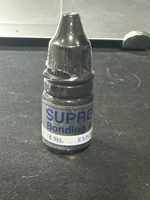
1 pc Supreme dental bonding agent 5ml
₱950.00
Buy on Lazada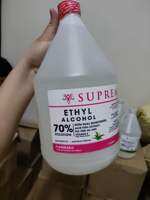
Supreme Disinfectant 70% Alcohol - 1 Gal Dual Moisturizer FDA Approved Scented Alcohol with Vit. E
₱320.00
Buy on Lazada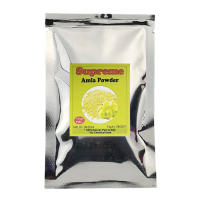
Supreme Amla Powder - Edible - Indian Gooseberry Powder - 100% Pure From India (100g) With Free Spoon
₱219.00₱279.00
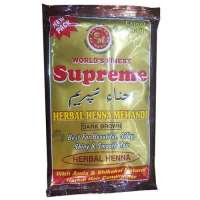
Supreme Mehandi Henna Powder From India - Dark Brown (150g) With Free 2 Pieces Plastic Gloves
₱279.00₱659.00
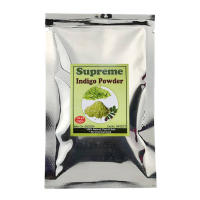
Supreme Indigo Powder - Herbal Hair Color - 100% Natural From India (100g ) With Free Gloves & Instruction
₱279.00₱389.00
Supreme Mehandi Henna Powder From India - Natural Black (150g) With Free Instructions & Plastic Gloves
₱279.00₱389.00
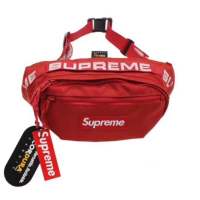
Supreme ss18 waistbag
₱900.00
Buy on Lazada
Supreme Mehandi Henna Powder From India - Natural Brown (150g) With Free 2 Pieces Plastic Gloves
₱279.00₱659.00
About Supreme
Supreme is an American skateboarding and streetwear brand established in New York City in April 1994 by James Jebbia. Originally opened as a skate shop on Lafayette Street in Lower Manhattan, it evolved from a local gathering point for New York skaters into one of the most influential and recognizable names in global streetwear.1
The brand’s identity is rooted in skateboarding, New York counterculture, limited product releases, graphic design, music, art, and collaborations. It is particularly renowned for its red-and-white Box Logo, weekly product drops, and highly coveted partnerships.
As of 2026, Supreme is owned by EssilorLuxottica, which acquired the brand from VF Corporation in October 2024 for approximately US$1.5 billion.2
Basic information
| Field | Information |
|---|---|
| Brand | Supreme |
| Founded | April 1994 |
| Founder | James Jebbia |
| Origin | New York City, United States |
| Original location | Lafayette Street, Lower Manhattan |
| Industry | Streetwear, fashion, skateboarding |
| Products | Clothing, footwear, skateboards, accessories, lifestyle goods |
| Known for | Box Logo, limited drops, collaborations, skate culture |
| Former owner | VF Corporation (2020–2024) |
| Current owner | EssilorLuxottica (2024–present) |
| Official website | supreme.com |
Origins
Supreme began in April 1994 when James Jebbia opened the first store on Lafayette Street in downtown Manhattan. Unlike conventional clothing boutiques, the space was designed around the emerging downtown New York skateboarding scene. The interior featured a large open area to allow skaters to move freely, with merchandise arranged along the perimeter.
Jebbia’s primary objective was to create a community space for New York skateboarders rather than a traditional fashion company. Early customers, employees, and collaborators were drawn from surrounding skate, art, music, and youth cultures. Supreme has described this initial community as comprising neighborhood kids, local skaters, and artists.3 This distinction proved vital to the brand’s later identity, as it emerged from a specific subculture before becoming a fashion label.
James Jebbia
James Jebbia is the founder and central figure behind Supreme. Prior to establishing the brand, he gained experience in New York’s fashion and retail sectors, working at the avant-garde clothing store Parachute and later associating with Union NYC. He also worked with Shawn Stussy, founder of Stüssy, before launching Supreme in 1994.4
Jebbia’s background allowed Supreme to occupy a unique position at the intersection of skateboarding, fashion, music, art, youth culture, and independent retail. Rather than positioning the label as a luxury fashion house, he built it on authenticity and cultural credibility, which became one of its most significant competitive advantages.
The early years
In its formative years, Supreme functioned primarily as a skate shop. It sold skateboards, hardware, skate clothing, and products from other brands alongside a small selection of Supreme-branded merchandise. The original community included notable New York skaters and figures associated with the downtown scene, including the generation featured in Larry Clark’s 1995 film Kids.5
The brand’s early aesthetic was deliberately raw, characterized by loose-fitting clothing, skate graphics, photography, provocative imagery, simple typography, and references to New York, punk, underground culture, and hip-hop. Consequently, Supreme sold an association with downtown New York culture as much as it sold apparel.
The Box Logo
The Supreme Box Logo, commonly referred to as the “Bogo,” is arguably the brand’s most recognizable element. It features the word SUPREME in white italic typography inside a red rectangular box. The design is strongly associated with the visual language of American conceptual artist Barbara Kruger, whose work famously utilized bold white typography, red fields, and confrontational statements.
Historical accounts indicate that Jebbia used a book of Kruger’s work as inspiration when developing Supreme’s visual identity.6 This relationship presents a cultural tension: Kruger’s art frequently examined consumerism, advertising, power, and mass media, while Supreme eventually became a powerful consumer brand itself. An aesthetic originally associated with critiquing consumer culture thus became a symbol of desirability, scarcity, and status.
Design simplicity and adaptability
The Box Logo is extremely simple, lacking complicated illustrations, mascots, detailed emblems, or traditional luxury monograms. This simplicity made it highly adaptable for use on T-shirts, hoodies, caps, jackets, skateboards, bags, accessories, collaborations, advertising, and novelty objects. Over time, the logo transcended its function as a trademark to become a symbol of membership in Supreme’s cultural world, communicating the brand instantly without additional explanation.
Design philosophy
Supreme’s aesthetic resists reduction to a single style, frequently mixing seemingly unrelated cultural references. Its designs have incorporated influences from:
- Skateboarding: The foundation of the brand.
- New York City: Particularly downtown underground culture.
- Hip-hop: Artists, imagery, and cultural references play a major role.
- Punk: DIY aesthetics, irreverence, and anti-establishment imagery.
- Fine art: Collaborations with numerous artists and photographers.
- Pop culture: Movies, television, celebrities, and commercial imagery.
- Workwear and Americana: Traditional clothing and objects reinterpreted through the brand’s visual language.
This willingness to combine high and low culture remains a defining characteristic.
Expansion and retail strategy
During the 1990s and 2000s, Supreme gradually expanded beyond its original New York audience. A significant milestone was the opening of a Los Angeles store in 2004.7 The brand subsequently established a presence in Japan and other international markets.
This expansion was notable because Supreme maintained a deliberately selective retail strategy rather than attempting to become a conventional global fashion chain. The result was a combination of a small physical footprint and enormous cultural influence. Official histories describe the evolution from a New York store into a global community involving generations of artists, photographers, designers, musicians, filmmakers, and writers.8
The drop model
One of Supreme’s most significant innovations is its limited-release drop model. Instead of producing massive quantities and keeping products continuously available, the brand releases selected items at specific times, often in limited numbers. This approach generates scarcity, urgency, community excitement, long queues, social media attention, and secondary-market demand.
Customers are compelled to ask not only if they want an item, but whether they can acquire it before it sells out. This dynamic transformed the act of purchasing into an integral part of the cultural experience.
Scarcity and resale culture
Supreme is closely associated with the rise of the modern streetwear resale market. When products sell out immediately, buyers who miss the original release often turn to resellers, creating a secondary market where certain items command prices substantially above retail. This creates a feedback loop: limited supply leads to sellouts, which generate hype, driving resale value, increasing desirability, attracting attention, and fueling further demand.
Within this system, rare Supreme pieces often function as collectibles rather than mere clothing, with the Box Logo serving as a key marker of value.
Collaborations
Collaboration is considered one of Supreme’s greatest strengths. The brand has partnered across a remarkably broad range of industries and cultural fields, including Nike, The North Face, Vans, Timberland, Comme des Garçons, Louis Vuitton, Levi’s, Stone Island, Undercover, as well as various artists, photographers, musicians, skateboard companies, and entertainment properties.
For example, Supreme and Nike developed a long-running relationship beginning with the Supreme x Nike SB Dunk Low collaborations in the early 2000s.9 This strategy allows Supreme to borrow cultural credibility from partners while introducing its own audience to new concepts.
Supreme × Louis Vuitton
The 2017 collaboration with Louis Vuitton is perhaps the most famous partnership in the brand’s history. It was historically significant for symbolizing the blurring boundary between streetwear and luxury fashion. While Supreme’s skateboarding roots represented a culture outside the traditional fashion establishment, Louis Vuitton represented one of the world’s most established luxury houses.
The collection combined Supreme’s Box Logo identity with Louis Vuitton’s monogram and luxury products,10 effectively demonstrating that streetwear could occupy the same cultural space as high fashion. It stands as one of the defining fashion collaborations of the 2010s.
Cultural influence and marketing
Supreme’s cultural influence extends beyond clothing. The brand deliberately incorporates imagery from movies, television, musicians, athletes, artists, politicians, advertising, historical photographs, and consumer products. This approach has helped develop an identity that functions more like a cultural archive than a conventional clothing label, encouraging customers to view products as pieces of contemporary culture.
Marketing has traditionally been unconventional, relying on skate videos, magazines, photography, posters, collaborations, celebrity imagery, unusual products, word of mouth, and limited releases rather than traditional fashion advertising. The brand historically avoided behaving like a conventional luxury company, suggesting instead that it participates in culture rather than advertising to consumers from outside it.
Celebrity influence
Visibility among influential musicians, artists, actors, and skaters amplified Supreme’s popularity, helping transform it from a specialist skate label into a globally recognizable fashion symbol. However, celebrity endorsement was not the sole driver of success; the brand had already developed substantial credibility within skateboarding and underground culture before becoming a mainstream phenomenon. Its cultural legitimacy was largely built from the bottom up.
Impact on streetwear
Supreme is one of the brands most responsible for transforming streetwear into a major global fashion category. While streetwear existed previously through brands like Stüssy and various skate and hip-hop labels, Supreme demonstrated that scarcity, community, cultural credibility, design, and collaboration could produce a fashion business with extraordinary demand. Its success influenced countless subsequent brands, and the modern “drop” culture used by many streetwear and sneaker companies owes much to this model.
Corporate ownership
VF Corporation acquisition
In 2020, Supreme underwent a major corporate transition. VF Corporation, the parent company behind brands including The North Face, Vans, and Timberland, acquired Supreme for approximately US$2.1 billion. Completed in December 2020, the transaction made Supreme a wholly owned subsidiary.11 At the time, VF emphasized that Supreme would complement its existing portfolio while maintaining its distinctive identity.
Sale to EssilorLuxottica
Four years later, ownership changed again. In July 2024, VF announced an agreement to sell Supreme to EssilorLuxottica, the global eyewear company behind Ray-Ban, for US$1.5 billion in cash.12 The transaction was completed in October 2024.13
Supreme’s ownership history is summarized as follows:
- 1994–2020: Independent/private
- 2020–2024: VF Corporation
- 2024–present: EssilorLuxottica
VF’s financial filings record the sale as completed on October 1, 2024.14 Notably, the 2024 sale price was approximately $600 million lower than the 2020 acquisition price, though direct comparison does not account for all differences in transaction circumstances or financial performance during the intervening period.
Current status
As of 2026, Supreme remains positioned around its original combination of skateboarding, streetwear, art, music, youth culture, limited products, collaborations, and direct retail. When EssilorLuxottica announced its acquisition, Supreme operated a digital-first business with 17 stores across the United States, Asia, and Europe. The buyer stated its intention to preserve Supreme’s direct commercial approach and customer experience.15
The brand continues to emphasize its New York origins and its connection to generations of skaters, artists, photographers, designers, musicians, filmmakers, and writers.16
Cultural significance and legacy
Supreme’s broader significance lies in how it altered the interaction between fashion, youth culture, and commerce. It transformed the skate shop from a retail outlet into a cultural institution. Its influence is evident in the rise of streetwear into mainstream fashion, sneaker culture, limited-edition releases, fashion collaborations, resale markets, luxury-streetwear crossovers, logo-driven fashion, social media hype, and collectible clothing. Its greatest achievement may be making cultural relevance itself into a viable business model.
Factors in success
Several factors explain Supreme’s unusual valuation and longevity:
- Authenticity: Originated within an actual skateboarding community rather than being manufactured by a corporation.
- Scarcity: Limited quantities enhance perceived value.
- Consistency: The Box Logo and visual language provide immense recognition.
- Collaboration: Partnerships continually introduce new cultural references.
- Community: Customers, skaters, and artists are treated as part of the same ecosystem.
- New York identity: Downtown Manhattan origins provide a strong sense of place.
- Cultural unpredictability: The brand’s next move is rarely predictable.
- Resale: Secondary-market prices reinforce perceptions of value and collectibility.
Defining characteristics
Key elements identifying the brand include the Red Box Logo, skateboarding foundations, New York origins, limited drops, collaborations, provocative or ironic graphics, scarcity, and an underlying counterculture attitude connecting various influences.
Historical stages
Supreme’s legacy can be understood in three broad stages:
- 1994–early 2000s: Primarily a downtown New York skate institution.
- 2000s–2010s: Expansion into a global streetwear phenomenon with major collaborations.
- 2020s: Integration into VF Corporation and subsequently EssilorLuxottica while attempting to preserve its core identity.
The brand now describes itself as having grown from its 1994 New York origins into a global community over more than 30 years.17 Ultimately, Supreme was not originally created to become a luxury fashion brand, but to serve as a skate shop for downtown New York. Over three decades, the culture surrounding that shop became so influential that the shop became a global brand, the logo became a status symbol, and streetwear itself became a major force in fashion.18
References
- About – Supreme
- Supreme (brand)
- EssilorLuxottica Completes Acquisition of Supreme<sup>®</sup> from VF Corporation :: VF Corporation (VFC)
- vfc-20260328
- Supreme Team: The Story Behind the Brand’s Original Design Crew
- James Jebbia
- The Supreme Logo And Barbara Kruger: A History – StockX News
- Barbara Kruger
- A Complete History of Supreme x Nike Collaborations – SneakerNews.com
- Louis Vuitton
- VF Corporation Completes Acquisition of Supreme<sup>®</sup> :: VF Corporation (VFC)
- EssilorLuxottica to Acquire Supreme<sup>®</sup> from VF Corporation :: VF Corporation (VFC)
- Supreme – Rizzoli New York
- Supreme Brand History: The Rise of a Streetwear Icon
- News Archive – Supreme
- Supreme’s Box Logo Was Borrowed — and a ‘Legal Fake’ Was Sold for Years — tmarkmetric Brand Stories
- Louis Vuitton Supreme: Collaboration History, Top Pieces, and Authentication – Borro
- The Supreme Box Logo: Kruger, Irony, and a Ripoff | No Box Logo