Shop on Lazada
Tanqueray products
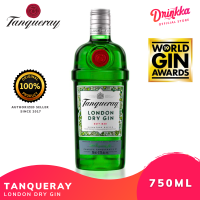
Tanqueray London Dry Gin 750ml 47.3 ABV | Drinkka
₱2,014.00₱4,000.00
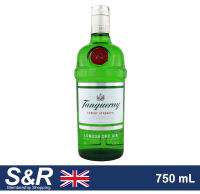
Tanqueray London Dry Gin 750 mL
₱1,065.00
Buy on Lazada
Tanqueray London Dry Gin 750ml
₱1,099.40
Buy on Lazada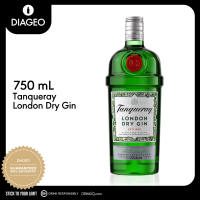
Tanqueray London Dry Gin 750ml
₱1,100.00
Buy on Lazada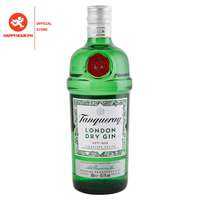
Tanqueray London Dry Gin 750ml
₱1,151.00
Buy on Lazada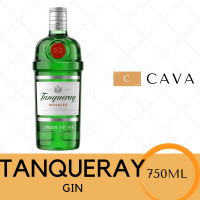
Tanqueray London Dry Gin 750 mL
₱1,299.99
Buy on Lazada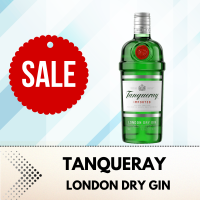
Tanqueray London Dry Gin 750 mL
₱1,299.99
Buy on Lazada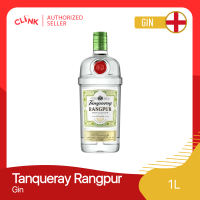
Tanqueray Rangpur Distilled Gin 1L
₱2,100.00
Buy on LazadaAbout Tanqueray
Tanqueray is a British gin brand with origins in 19th-century London. Founded by Charles Tanqueray in 1830, the brand became associated with the development and refinement of the London Dry Gin style. Today, Tanqueray is owned by Diageo and its gins are distilled at the Cameronbridge Distillery in Fife, Scotland, before being distributed internationally.1
Overview
| Category | Details |
|---|---|
| Brand | Tanqueray |
| Product category | Gin / distilled spirits |
| Origin | Bloomsbury, London, England |
| Founded | 1830 |
| Founder | Charles Tanqueray |
| Current owner | Diageo |
| Current production | Cameronbridge Distillery, Fife, Scotland |
| Signature style | London Dry Gin |
| Best-known product | Tanqueray London Dry Gin |
| Other notable products | No. TEN, Rangpur Lime, Flor de Sevilla, Blackcurrant Royale, Tanqueray 0.0% |
| Global presence | Sold in more than 180 countries, according to Diageo |
History
Foundation — 1830
Tanqueray’s story begins in 1830, when Charles Tanqueray established a distillery in Bloomsbury, London. At the time, London was experiencing a major period of experimentation and competition in gin production.
Rather than simply following existing formulas, Tanqueray experimented extensively with botanicals. According to the brand, he developed more than 300 recipes while pursuing what he considered the ideal gin. This experimentation ultimately led to the recipe that became Tanqueray London Dry Gin.2
Development of the brand
Charles Tanqueray’s approach was characterized by an emphasis on relatively restrained botanical formulation. The classic Tanqueray London Dry recipe is built around four principal botanicals:
- Juniper
- Coriander
- Angelica
- Liquorice
The combination gives the gin its characteristic balance of piney, herbal, spicy and subtly sweet notes.3
The brand’s philosophy of refusing to compromise on the recipe has subsequently become a central part of Tanqueray’s modern marketing and identity.
Charles Tanqueray’s death
Charles Tanqueray died in 1868, after which his son Charles Waugh Tanqueray inherited the business. The company subsequently became connected with Gordon’s, another historic London gin producer.4
World War II
Tanqueray’s London operations were severely affected during World War II, when bombing destroyed much of the distillery. One surviving piece of the historic equipment/building became associated with the name “Old Tom.” The surviving distillery equipment was later moved to Scotland.4
Move to Scotland
Although Tanqueray is fundamentally a London-born gin brand, modern Tanqueray production takes place in Scotland.
Today, Tanqueray is distilled at Cameronbridge Distillery in Fife, on the banks of the River Leven. The move illustrates an important distinction: London Dry describes a style and production method rather than requiring the gin to physically be produced in London.2
Ownership
Tanqueray is currently part of Diageo, one of the world’s largest beverage-alcohol companies.
Diageo was created in 1997 through the merger of Grand Metropolitan and Guinness. Tanqueray subsequently became part of Diageo’s international spirits portfolio.1
Diageo currently describes Tanqueray as one of its major gin brands and, citing the Drinks International Brand Report 2026, calls it the world’s leading premium gin.1
The Tanqueray London Dry Gin
The flagship product is Tanqueray London Dry Gin.
It is characterized by a relatively classic, juniper-forward profile rather than a heavily fruit-flavoured one. Tanqueray describes its aroma as featuring piney juniper, peppery coriander, aromatic angelica and sweet liquorice. The gin is also distilled four times.3
The resulting profile is generally:
- Juniper-forward
- Herbal
- Citrusy/spicy
- Slightly sweet
- Dry
- Clean and relatively structured
This makes the classic expression particularly suitable for cocktails where the character of the gin needs to remain noticeable.
Why is it called “London Dry”?
An important point about Tanqueray is that “London Dry” does not mean the gin has to be made in London.
London Dry refers primarily to a particular style and set of production requirements. Tanqueray originated in London and helped establish the style’s reputation, but modern Tanqueray is produced in Scotland.
This is why the phrase Tanqueray London Dry Gin combines a historic stylistic designation with the brand’s London heritage.
Product portfolio
Tanqueray has expanded considerably beyond its original London Dry expression.
Tanqueray London Dry
The core and most historically important expression. It is built around the classic four-botanical profile and is particularly associated with the gin and tonic and classic gin cocktails.3
Tanqueray No. TEN
Tanqueray No. TEN is positioned as a more premium/super-premium expression. Its defining characteristic is a stronger fresh citrus character, making it particularly suited to cocktails.
The name “No. TEN” is associated with the small No. 10 still used in its production and has become one of Tanqueray’s most recognizable products. Tanqueray describes it as having a distinctive citrus heart and a profile designed for cocktails.2
Tanqueray Rangpur Lime
Rangpur Lime takes a more citrus-oriented approach, using Rangpur limes alongside botanicals including ginger and bay leaves. It was first launched in 2006.2
Its profile is more zesty and approachable than the traditional London Dry.
Tanqueray Flor de Sevilla
Flor de Sevilla is inspired by Seville oranges and incorporates orange and orange blossom characteristics alongside Tanqueray’s traditional botanical foundation.
The product is connected to Charles Tanqueray’s historical experimentation with Seville oranges, including an 1862 recipe cited by Diageo Bar Academy.2
Tanqueray Blackcurrant Royale
Blackcurrant Royale is a fruit-forward expression combining the Tanqueray style with blackcurrant and a more decadent flavor profile. It represents the brand’s movement into contemporary flavoured-gin territory.3
Tanqueray 0.0%
Tanqueray has also entered the alcohol-free spirits category with Tanqueray 0.0%. The product is designed to reproduce aspects of the Tanqueray drinking ritual and botanical character without alcohol.3
There is also a Flor de Sevilla 0.0% expression in some markets.3
Production
Modern Tanqueray production takes place at Cameronbridge Distillery in Fife, Scotland.
The classic London Dry expression undergoes four distillations, which the brand associates with its clean and balanced character.3
The brand also emphasizes its use of selected botanicals. Tanqueray’s current marketing states that only a fraction of botanicals considered meet its desired quality standards, reinforcing its historical emphasis on ingredient selection.1
Bottle and visual identity
One of Tanqueray’s strongest branding assets is its distinctive bottle.
The classic bottle is characterized by:
- A green glass appearance
- A prominent red wax-seal-style crest
- Strong Victorian-inspired visual cues
- The Tanqueray name prominently displayed
- A relatively simple, recognizable silhouette
The bottle’s design contributes significantly to Tanqueray’s image as a traditional yet premium gin.
The red seal has become particularly important as a recognizable brand symbol.
Cocktails and drinking culture
Tanqueray has historically been strongly associated with classic gin cocktails rather than simply being consumed neat.
Its most famous serve is the Gin & Tonic. The brand itself positions the classic London Dry as a bartender’s choice for a G&T and promotes a signature Tanqueray-and-tonic serve.3
It is also commonly associated with cocktails such as:
- Martini
- Dirty Martini
- Negroni
- Tom Collins
- Gin Fizz
- Gimlet
- Gin & Tonic
Tanqueray No. TEN, in particular, has a strong association with Martini-style and other citrus-driven cocktails.3
Brand positioning
Tanqueray occupies the premium to super-premium gin segment.
Its positioning combines two seemingly different ideas:
Heritage:
A London origin dating back to 1830, traditional gin-making, classic botanicals and historic recipes.
Modern sophistication:
Contemporary cocktails, flavoured expressions, alcohol-free products and lifestyle-oriented marketing.
This allows Tanqueray to appeal both to traditional gin drinkers and to consumers interested in modern cocktail culture.
Brand philosophy
A recurring theme in Tanqueray’s modern identity is the idea of refusing to compromise.
The brand tells the story of Charles Tanqueray developing more than 300 recipes before settling on the formula he considered right. Modern Tanqueray marketing has turned this into the concept of “300 No’s to a Yes”—the idea that excellence comes from rejecting compromises until the desired result is achieved.3
This philosophy is essentially the modern interpretation of the founder’s reputation for experimentation and attention to detail.
Global presence
Tanqueray has grown from a London gin distillery into an international spirits brand.
Diageo states that Tanqueray is enjoyed in more than 180 countries, making it one of the world’s most internationally recognizable premium gin brands.1
Its global portfolio varies somewhat by market, meaning consumers in different countries may encounter different Tanqueray expressions.
Tanqueray’s place in gin history
Tanqueray is significant because its history overlaps with the evolution of London Dry Gin itself.
Rather than being simply another old gin brand, Tanqueray has built its identity around the idea that its founder helped establish a benchmark for what a classic London Dry gin should taste like. Diageo describes the original Tanqueray recipe as having helped define the standard for London Dry Gins.1
Its modern success therefore rests on three interconnected elements:
- Historical credibility — founded in London in 1830.
- A recognizable classic recipe — particularly the four-botanical London Dry.
- Modern innovation — No. TEN, flavoured gins and 0.0% alternatives.
Summary
Tanqueray is a historic British gin brand founded by Charles Tanqueray in London in 1830. Originally established during London’s 19th-century gin boom, it became famous for its refined London Dry Gin, traditionally built around juniper, coriander, angelica and liquorice. After surviving the disruption of World War II and eventually moving production to Scotland, the brand became part of Diageo and expanded internationally. Today, Tanqueray’s portfolio includes its classic London Dry, the citrus-focused No. TEN, Rangpur Lime, Flor de Sevilla, Blackcurrant Royale and alcohol-free 0.0% expressions. Its identity combines nearly two centuries of gin heritage with premium cocktail culture and a philosophy centered on uncompromising craftsmanship.12
Quick timeline
- 1830 — Charles Tanqueray establishes his distillery in Bloomsbury, London.1
- 1830s–1860s — Tanqueray experiments with hundreds of gin recipes and develops the foundation of its classic London Dry.2
- 1868 — Charles Tanqueray dies; his son Charles Waugh Tanqueray inherits the business.4
- World War II — The London distillery suffers severe bombing damage.4
- Later 20th century — Production ultimately moves to Scotland.
- 1997 — Diageo is formed through the merger of Grand Metropolitan and Guinness.1
- 2006 — Tanqueray Rangpur is launched.2
- Today — Tanqueray is a global Diageo gin brand produced at Cameronbridge and sold in more than 180 countries.1