Shop on Lazada
Tylenol products
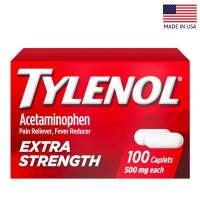
Tylenol Extra Strength 100 Caplets EXP Mar 2029 Strength Pain Relief Pills Acetaminophen 500mg Caplets Pain Reliever and Fever Reducer Medicine for Headache Backache Toothache & Minor Arthritis 100 Count Bottle
₱1,190.00₱2,000.00
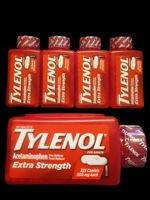
Expiry: 06/2027 Tylenol Extra Strength 325 caplets
₱1,949.00₱2,049.00
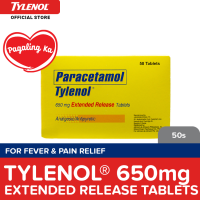
Tylenol Extended Release Tablets 650mg 50s : for fever & pain relief
₱558.00₱587.00
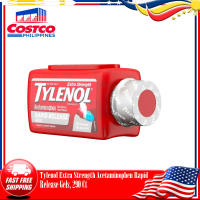
COSTCO.PH Tylenol Extra Strength Acetaminophen Rapid Release Gels 290 Ct
₱1,899.00₱2,999.00
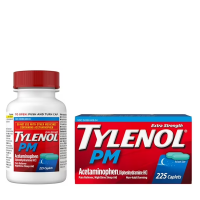
YiBeauty TYLENOL PM Extra Strength 225 caplets
₱1,999.00₱2,799.00
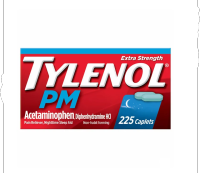
GlownessLAB Tylenol PM Extra Strength Pain Reliever & Sleep Aid Caplets 225count
₱2,299.00
Buy on Lazada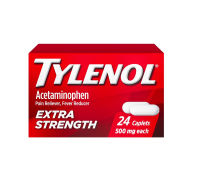
Tylenol Extra Strength | Tylenol PM
₱495.00₱550.00
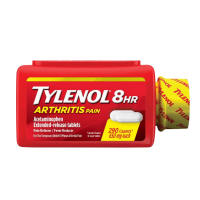
SUNPLAN.PH Tylenol 8 HR Arthritis Pain Extended Release Caplets 650 Mg (290 ct.)
₱2,199.00₱3,999.00
About Tylenol
Brand Overview
Tylenol is an American consumer healthcare brand widely recognised for its over-the-counter (OTC) pain-relief and fever-reducing medicines containing acetaminophen (also known as paracetamol in the Philippines and many other markets). It remains one of the most prominent names in global self-care, frequently used to manage common ailments such as headaches, muscle aches, minor arthritis pain, toothaches, menstrual cramps, and fever.1
Currently, Tylenol is owned and marketed by Kenvue Inc., following the 2023 separation of Johnson & Johnson’s consumer health division into this independent entity.
| Category | Details |
|---|---|
| Brand name | Tylenol |
| Product category | Consumer healthcare / OTC medicine |
| Main ingredient | Acetaminophen (paracetamol) |
| Primary uses | Pain relief and fever reduction |
| Founded | 1955 |
| Original company | McNeil Laboratories |
| Current owner | Kenvue Inc. |
| Headquarters (owner) | Summit, New Jersey, United States |
| Major markets | United States, Canada, and international markets |
| Industry | Pharmaceuticals / consumer health |
History
Origins (1950s)
The history of Tylenol traces back to McNeil Laboratories, a family-owned pharmaceutical firm established in Philadelphia in 1879. During the 1950s, McNeil developed a novel pain-relief product utilising acetaminophen, an active ingredient that offered analgesic and antipyretic benefits without the inclusion of aspirin.1
In 1955, the U.S. Food and Drug Administration approved Tylenol Elixir for Children, marking it as one of the first commercially available acetaminophen products in the United States. Initially, the product was positioned specifically as a fever and pain medication for paediatric use. The name “Tylenol” was derived from the chemical nomenclature of acetaminophen: N-acetyl-para-aminophenol (APAP).1
Acquisition by Johnson & Johnson
In 1959, Johnson & Johnson acquired McNeil Laboratories, integrating Tylenol into its broader healthcare portfolio. By the following year, Tylenol transitioned from a prescription-only medication to an over-the-counter product.
Under the stewardship of Johnson & Johnson, the brand evolved from a children’s medicine into a major adult pain-relief option. The company actively promoted acetaminophen as a viable alternative to aspirin, particularly targeting consumers concerned about gastric irritation associated with aspirin use.
Growth and Market Expansion
Throughout the 1970s and early 1980s, Tylenol experienced significant market growth. Johnson & Johnson launched Extra Strength Tylenol, a higher-dose formulation designed to provide more potent pain relief than standard aspirin products.
By the early 1980s, Tylenol had established itself as a leading OTC pain-relief brand in the United States and a primary competitor to aspirin-based medications. The product line expanded to encompass:
- Regular Strength Tylenol
- Extra Strength Tylenol
- Children’s Tylenol
- Infant’s Tylenol
- Tylenol PM (combining pain relief with a nighttime sleep aid)
- Tylenol Arthritis Pain products
- Topical and specialised pain-relief formulations
The 1982 Tylenol Crisis
A pivotal moment in the brand’s history occurred in 1982, when several fatalities were reported in the Chicago area linked to cyanide-tampered Tylenol capsules. This incident became a seminal case study in consumer product safety.
Johnson & Johnson responded by initiating a massive recall of Tylenol products and pioneering new safety packaging standards, including tamper-resistant seals and improved bottle designs. The company’s handling of the crisis is still widely cited as a benchmark for corporate responsibility and crisis management.
Ownership Transition to Kenvue
For decades, Tylenol operated under Johnson & Johnson’s consumer healthcare division. In 2023, the parent company spun off this business unit into a standalone public company named Kenvue. Consequently, Tylenol became part of Kenvue’s portfolio, joining other well-known brands such as Listerine, Neutrogena, and Band-Aid Brand.1
Products and Formulations
Tylenol products are fundamentally based on acetaminophen, which functions as both an analgesic (pain reliever) and an antipyretic (fever reducer). Unlike nonsteroidal anti-inflammatory drugs (NSAIDs) such as ibuprofen or aspirin, acetaminophen does not primarily target inflammation.1
Common product categories include:
Pain Relief
- Headache relief
- Back pain relief
- Muscle ache relief
- Toothache relief
- Minor arthritis pain relief
Fever Reduction
- Adult fever relief
- Children’s fever relief
- Cold and flu symptom support
Specialised Products
- Nighttime pain relief
- Arthritis-focused formulas
- Combination products containing additional active ingredients1
Brand Identity and Marketing
Historically, Tylenol’s branding has centred on core themes of trust, family care, safety, doctor recommendations, and everyday health support. Following its early success with Children’s Tylenol, the brand became synonymous with paediatric healthcare and the family medicine cabinet.1
Beyond commercial marketing, Tylenol has supported healthcare-related community initiatives, including scholarship programmes aimed at nurturing future healthcare professionals.1
Safety Considerations
While acetaminophen is considered safe when used according to label instructions, excessive intake can lead to severe liver damage. Because numerous prescription and OTC medications contain acetaminophen, consumers are strongly advised to review ingredient labels carefully to avoid inadvertently consuming multiple acetaminophen-containing products simultaneously.1
Global Presence
Although Tylenol is primarily associated with the United States market, acetaminophen-based products are sold globally under various brand names. Kenvue manages a worldwide consumer health portfolio serving diverse international markets.
Cultural and Commercial Significance
Tylenol is regarded as one of the most influential consumer healthcare brands of the modern era. Its legacy extends beyond pharmaceutical innovation to include shaping industry expectations regarding product safety, packaging standards, and corporate communication during crises.
The brand’s enduring success is attributed to:
- A universally utilised active ingredient
- Strong consumer recognition
- Extensive distribution within healthcare channels
- Consistent positioning as a trusted option for everyday pain relief
Summary
Founded in 1955 by McNeil Laboratories and later expanded globally under Johnson & Johnson, Tylenol is a historic American healthcare brand. Based on acetaminophen, it has grown into one of the world’s most recognised names in pain relief and fever reduction. Following the separation of Johnson & Johnson’s consumer health business, Tylenol continues its role as a major global self-care brand under the ownership of Kenvue.1