Shop on Lazada
TYR products
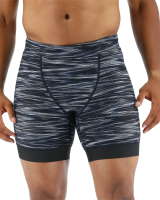
TYR Durafast Elite® Mens Workout Jammer Swimsuit - Fizzy
₱1,729.50₱3,459.00
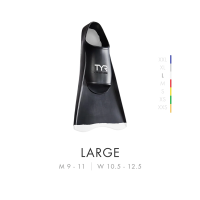
TYR Crossblade Fins 2.0
₱2,687.20₱3,359.00
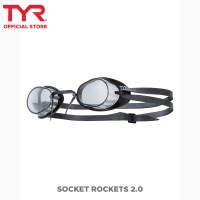
TYR Socket Rockets 2.0 Adult Goggles (Smoke/Black)
₱809.25₱1,229.00
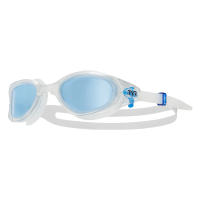
TYR Adult Special Ops 3.0 Polarized Non-Mirrored Goggles
₱3,319.00
Buy on Lazada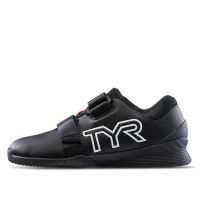
TYR Unisex L-1 Lifter Weightlifting Shoes
₱9,309.30₱13,299.00
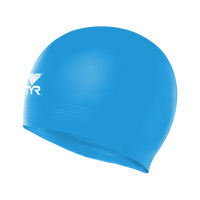
TYR Adult Latex Swim Cap
₱449.00
Buy on Lazada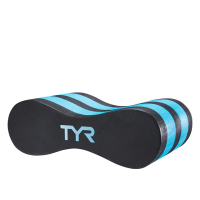
TYR Pull Float
₱1,769.00
Buy on Lazada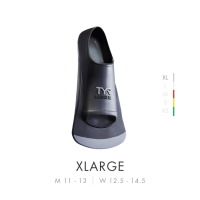
TYR Burner Fins Version 2.0
₱3,409.00
Buy on LazadaAbout TYR
TYR Sport, Inc. is an American performance-sports brand best known for competitive swimwear, technical racing suits, goggles, swim equipment, and triathlon gear. Founded in 1985 in Huntington Beach, California, TYR originally focused on bringing more colorful, design-oriented products to competitive swimming. It has since expanded into a broader performance brand covering swimming, triathlon, CrossFit/functional fitness, weightlifting, running, and athletic lifestyle apparel.1
The name TYR comes from Týr, the Norse god associated with war, courage, law, and sacrifice. The brand uses this mythology to represent courage, commitment, discipline, and doing what is necessary to achieve excellence.2
Quick facts
| Category | Information |
|---|---|
| Full name | TYR Sport, Inc. |
| Brand | TYR |
| Founded | 1985 |
| Founded in | Huntington Beach, California, USA |
| Founders | Joseph DiLorenzo and Steve Furniss |
| Industry | Sporting goods / performance apparel |
| Core sports | Swimming, triathlon, CrossFit/fitness, weightlifting, running |
| Best known for | Technical swimwear, racing suits, goggles, swim equipment |
| Current CEO | Matt DiLorenzo |
| Ownership | Privately held; associated with Swimwear Anywhere |
| Brand inspiration | Týr, Norse god |
| Global presence | International distribution and athlete partnerships |
| Positioning | High-performance / technical sports |
TYR’s own materials identify Joseph DiLorenzo as the founder and current owner, and Steve Furniss, a 1972 Olympic bronze medalist, as co-founder. The company states it was established specifically for the competitive swimming market.3
Meaning of the name
TYR is named after Týr, a figure from Norse mythology. The pronunciation used by the company is approximately “teer.” TYR states the name represents the Norse god of warriors and was chosen to evoke courage, honor, sacrifice, and determination.4
This mythology is particularly relevant for a performance-sports company because Týr is associated with a willingness to make sacrifices for a greater purpose. Consequently, the brand identity is built around the progression of courage leading to commitment, sacrifice, and achievement. This philosophy is reflected in TYR’s long-standing focus on elite athletes and competition.
Founding and early history
TYR was founded in 1985 in Huntington Beach, California. The two founders came from complementary backgrounds that combined design expertise with elite competitive swimming experience.
Joseph DiLorenzo
DiLorenzo was a swimwear designer and entrepreneur and is identified by TYR as the company’s current owner.
Steve Furniss
Furniss was an elite American swimmer who won a bronze medal at the 1972 Olympic Games and later became captain of the 1976 U.S. Olympic swimming team.5
TYR’s original objective was not to become a general sportswear conglomerate but rather to create competitive swimwear that performed well while looking distinctive and expressive. The company states it was initially established to provide the competitive swim market with vibrant, performance-driven prints.6
Expansion into global performance brand
Over subsequent decades, TYR expanded beyond its original swimwear niche. Its product ecosystem grew to include:
- Racing swimsuits
- Training swimsuits
- Swim briefs and jammers
- Swim caps
- Goggles
- Kickboards and training equipment
- Bags
- Wetsuits
- Triathlon clothing
- Activewear
- Fitness apparel
- Cross-training shoes
- Weightlifting shoes
- Running shoes
- Lifestyle clothing
- Accessories
International distributors describe TYR as having evolved into one of the world’s recognizable swimming and fitness brands, with products distributed globally.7
Competitive swimming identity
Despite significant expansion, swimming remains the core of the TYR brand. Unlike broader athletic brands such as Nike or adidas, TYR’s DNA originates from the pool deck rather than general fashion or team sports. Its primary customers historically include competitive swimmers, masters swimmers, swim clubs, triathletes, coaches, open-water swimmers, recreational swimmers, and elite/Olympic athletes. This specialization has given TYR a strong reputation among serious swimmers.
Technical swimwear
A critical category for TYR is the technical racing suit, commonly referred to as a tech suit. These suits are designed specifically for competition to optimize hydrodynamics, compression, body positioning, freedom of movement, water resistance, muscle support, fit, and durability.
TYR has developed multiple generations of high-end technical suits over the years. Notable technologies and products include the Avictor, Venzo, and subsequent racing technologies. For example, TYR describes the Avictor as incorporating technologies intended to improve body positioning, reduce drag, provide compression, and maintain flexibility.8
TYR Venzo
The TYR Venzo became one of the company’s flagship racing suits, representing an attempt to compete directly at the highest level of technical swimwear against brands such as Speedo, Arena, adidas, and Mizuno. The Venzo demonstrated TYR’s transition from a traditional swimwear manufacturer into a technology-driven performance company. TYR has repeatedly emphasized that its products are developed around elite competition and technical innovation.9
Goggles
Goggles constitute another major part of TYR’s swimming business. The company produces models ranging from recreational and training goggles to highly specialized competition versions. Design priorities typically include low-profile hydrodynamics, watertight sealing, peripheral vision, adjustability, comfort, and stability during dives and turns. This category serves as a strategically important entry point into the TYR brand compared to expensive technical suits.
Triathlon
TYR also has deep roots in triathlon, a sport requiring athletes to transition between swimming, cycling, and running. The company developed products such as triathlon suits, wetsuits, open-water equipment, performance apparel, and accessories. Early international positioning specifically highlighted swimming and triathlon as major performance categories, helping TYR establish itself outside traditional pool swimming.10
Expansion into fitness
One of the most significant developments in TYR’s recent history is its expansion beyond aquatic sports into functional fitness, CrossFit, weightlifting, and general training. This shift is visible in product lines such as the CXT training shoe, L-1/L-2 weightlifting shoes, running shoes, and gym apparel.11
This expansion allows TYR to reach athletes who may not be swimmers but encounter the brand through footwear or training gear. Consequently, TYR is evolving from a specialized swimming brand into a broader performance athlete brand.
TYR and CrossFit
TYR has made a visible push into functional fitness and CrossFit by sponsoring prominent athletes and developing dedicated training footwear and apparel. The current athlete roster includes major names such as Tia-Clair Toomey, Emma Lawson, and Guilherme Malheiros. The company also lists athletes from weightlifting and other strength sports.12 This strategy provides TYR with a second major identity outside of swimming.
Elite athlete partnerships
Elite athlete sponsorship is central to TYR’s marketing strategy. The company works with numerous Olympic and world-class athletes across multiple disciplines.
Swimming
- Katie Ledecky
- Bobby Finke
CrossFit and fitness
- Tia-Clair Toomey
- Emma Lawson
- Guilherme Malheiros
Weightlifting
- Mattie Rogers
- Hampton Morris
Historically, the TYR athlete roster has also included prominent swimmers such as Ryan Lochte, Matt Grevers, Lilly King, Simone Manuel, and Michael Andrew.14 This athlete-centric strategy reinforces the company’s credibility as equipment for serious competitors rather than merely fashion swimwear.
World Aquatics partnership
In 2025, TYR entered into a multi-year partnership with World Aquatics, the international governing body for aquatic sports. Under the agreement, TYR became the exclusive global supplier of swimwear and accessories for World Aquatics, with the partnership running through the end of 2029.11
The partnership officially activated around the 2025 World Aquatics Championships in Singapore. This milestone significantly increases TYR’s visibility at the highest level of competitive swimming and places it among the most important brands in international aquatic sports alongside established competitors like Speedo and Arena.
Brand philosophy
TYR’s brand philosophy encompasses several key concepts:
- Performance: Products are designed primarily for athletic performance.
- Innovation: The company emphasizes technical development, new materials, construction methods, and designs.
- Competition: TYR’s identity is closely connected to competitive athletes.
- American ingenuity: TYR frequently cites American ingenuity in describing its approach to product development.6
- Athlete-first development: The company emphasizes working with athletes and designing products around real-world performance requirements.
Current positioning describes products as being engineered for people who train with intent and compete with purpose.11
Visual identity and product naming
TYR maintains a recognizable visual identity characterized by strong typography, bold colors, graphic prints, aggressive athletic imagery, and a distinctive logo. This reflects the founding philosophy of making competitive swimwear that is both performance-oriented and visually distinctive.
The brand frequently assigns distinctive names to major technologies and product families, including Avictor, Venzo, Tracer, Hurricane, CXT, Lifter, Maverick, and ZenGlide. This naming convention helps create a recognizable technology ecosystem rather than presenting products as generic items.
Market position and competitors
TYR vs. Speedo
Speedo has a longer history and broader mainstream recognition in competitive swimming. In contrast, TYR is younger but has built a strong identity around technical innovation, athlete partnerships, and bold design. While Speedo is often viewed as the historic market leader with Australian/UK heritage, TYR positions itself as a major global challenger with a U.S. origin and a significant expansion into fitness.7
TYR vs. Arena
Arena possesses strong European and international swimming heritage, whereas TYR has historically maintained a strong American competitive-swimming identity. Both brands compete directly in technical suits, competition swimwear, goggles, training equipment, and athlete sponsorship. The competitive landscape of Speedo, Arena, and TYR is particularly significant in high-level swimming.
TYR vs. General sportswear brands
Unlike multi-sport giants such as Nike and adidas, TYR is fundamentally athlete-specialized. Its historical strength lies in being deeply embedded in competitive swimming. However, recent expansion into fitness and running means it is beginning to compete for some of the same customers as larger generalist athletic brands.
Business model and distribution
TYR sells through a combination of direct-to-consumer e-commerce, retailers, swim specialty stores, sporting-goods distributors, international distributors, team/club relationships, and athlete/event partnerships.
Presence in Southeast Asia
International distribution is a key component of TYR’s business. Regional operations include distributors serving markets across Asia-Pacific, including Singapore, Malaysia, Thailand, Indonesia, Vietnam, and Taiwan.13 This regional presence is particularly relevant given the strong competitive swimming culture in Southeast Asia and the region’s hosting of major events like the 2025 World Aquatics Championships in Singapore, which coincided with TYR’s new global partnership.11
Target audience
TYR’s customer base comprises four primary groups:
- Elite athletes: Olympians, world championship competitors, and professional athletes who serve as the brand’s credibility engine.
- Serious amateurs: Competitive club swimmers, masters swimmers, triathletes, and CrossFit athletes who form the core commercial audience.
- Recreational athletes: Individuals who swim, train, run, or work out regularly.
- Athletic-lifestyle consumers: People attracted to TYR’s aesthetic even if they are not elite competitors.
Evolution timeline
- 1985: TYR Sport founded in Huntington Beach, California by Joseph DiLorenzo and Steve Furniss.1
- 1980s–1990s: Establishes itself in competitive swimming and becomes known for distinctive swimwear.
- 2000s: Expands technical products and international presence.
- 2010s: Develops increasingly sophisticated technical racing suits and expands into triathlon and activewear.
- 2015: Broadens lifestyle/activewear offering beyond traditional swimwear.14
- Late 2010s: Strengthens relationships with Olympic and elite swimmers.
- 2020s: Expands aggressively into fitness, CrossFit, weightlifting, and footwear.
- 2025: Announces major global partnership with World Aquatics, becoming its exclusive global swimwear and accessories supplier through 2029.11
- 2026: Positioned as a multi-category performance brand spanning aquatics, fitness, strength, and running, while retaining swimming as its historical core.
Strengths and challenges
Strengths
- Deep swimming credibility: History is rooted in competitive swimming.
- Elite athlete validation: Olympic and world-class athletes provide significant credibility.
- Technical product development: Technical suits and performance equipment are central to the company.
- Growing global presence: The World Aquatics partnership strengthens international exposure.
- Expansion potential: Fitness, CrossFit, weightlifting, and running offer growth opportunities.
- Distinctive visual identity: Aesthetic differs from traditional swim brands.
Challenges
- Brand awareness outside swimming: Less universally recognized than generalist brands like Nike or adidas.
- Strong competition: Speedo and Arena possess enormous swimming heritage and global distribution.
- Expansion risk: Moving into too many categories could potentially dilute specialized identity.
- Dependence on performance credibility: Product performance and athlete trust are critical for a technical sports brand.
References
- What year was TYR founded? – TYR Sport
- About TYR — Trusted By Champions | TYR – TYR US
- What does TYR stand for? – TYR Sport
- About TYR – TYR
- About Us – TYR – Australia
- TYR Sport Unleashes New, American-Manufactured Tech Suit – TYR US
- TYR Sport – TYR US
- TYR Sport Signs Brazilian fitness Athlete, Guilherme Malheiros – TYR US
- TYR Sport Signs 4x Olympic Medalist, 9x World Championship Medalist & – TYR US
- World Aquatics and TYR Dive into Exclusive Global Supplier Partnership
- TYR Sport and World Aquatics Announce Global Partnership, Ushering in a New Era of Competitive Swimming
- TYR Sport Reveals 2018 Video “How We Got There”
- About Us – Sportz and Fitness Team
- TYR Sport Launches All New Spring/Summer Collection – TYR US