Shop on Lazada
Unicharm products
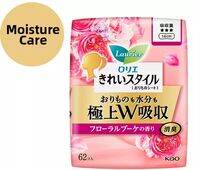
Unicharm | Ultra Absorbent Incontinence Pads
₱558.00₱793.00
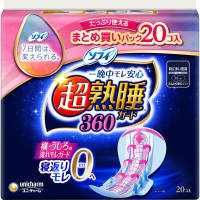
Unicharm Sofie Super sound sleep Guard For Particularly Heavy Nights With Wings 36cm (Sanitary napkin) 360 2 0 sheets Sofy Super Sound Sleep Guard Sanitary napkin for night 索菲超声睡眠保护器 卫生巾夜间安全
₱1,187.85₱1,213.65
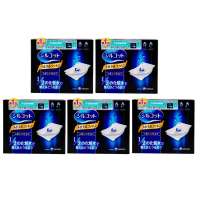
Unicharm Silcot Uruuru Sponge Facial Cotton 40 Sheets x 5 boxes
₱830.00₱1,130.00
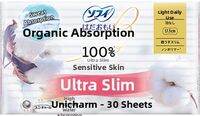
Unicharm | Natural Organic Cotton Thin Day Night Use Sanitary Napkins
₱667.00₱1,014.00
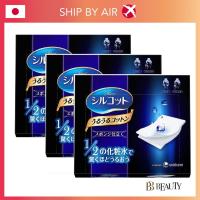
Unicharm Silcot Uruuru Sponge Facial Cotton (40 Sheets). 3 Boxes
₱511.21₱600.00
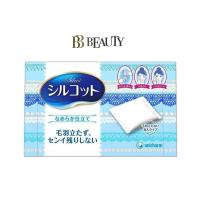
Unicharm Silcot Velvety Touch Cotton 82 pads (Regular Puffs)
₱284.66₱333.00
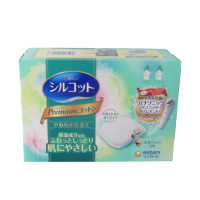
UNICHARM Silcot Soft Touch Premium Cotton 66pcs
₱470.50₱690.00
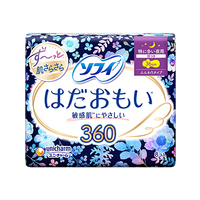
Unicharm | Night Sensitive Absorbent Sanitary Pads
₱598.00₱979.00
About Unicharm
Unicharm Corporation is a major Japanese consumer-goods company best known for feminine care, baby and child care, adult incontinence care, pet care, and household hygiene products. Founded in 1961, the company has evolved from a small Japanese building-materials manufacturer into a multinational “life-supportive” enterprise operating in more than 80 countries and regions.1
Its major consumer brands include Sofy, Moony, MamyPoko, Lifree, Silcot, and numerous pet-care brands. Unicharm is particularly influential in disposable hygiene products because of its expertise in nonwoven fabrics and absorbent materials.2
Basic Information
| Item | Information |
|---|---|
| Company name | Unicharm Corporation |
| Japanese name | ユニ・チャーム株式会社 |
| Founded | 10 February 1961 |
| Founder | Keiichiro Takahara |
| Headquarters | Tokyo, Japan |
| Registered office | Shikokuchuo City, Ehime, Japan |
| President & CEO | Takahisa Takahara |
| Stock exchange | Tokyo Stock Exchange, Prime Market |
| Employees | 16,542 consolidated (as of December 2025) |
| Main industries | Feminine care, baby care, wellness/adult care, pet care, household products and related materials |
| Geographic presence | 80+ countries and regions |
| Corporate brand essence | “Love Your Possibilities” |
| Corporate philosophy | “NOLA & DOLA” |
The company’s official profile reports paid-in capital of ¥15.992 billion and 1,862,502,957 shares issued.3
Business Scope and Technology
Unicharm is essentially a hygiene and personal-care technology company. Although many consumers primarily associate the name with diapers or sanitary pads, its business is considerably broader. The company develops products around recurring everyday needs such as menstruation and feminine hygiene, pregnancy and childbirth, baby care, adult incontinence and nursing care, facial and cosmetic care, household cleaning, masks and hygiene products, pet hygiene, pet food, and other absorbent or nonwoven applications.
This diversification has its roots in the company’s manufacturing technology. Unicharm developed considerable expertise in nonwoven fabrics, absorbent materials, and forming and processing technologies through its feminine-care business, then applied those technologies to other stages of life and other categories.4 Consequently, Unicharm’s corporate history describes its transformation as a move from a “Feminine Care Products Manufacturer” to a “Life Supportive Enterprise.”5
History
1961–1970s: Foundation and Early Growth
Unicharm’s origins lie in building materials rather than sanitary products. In 1961, Keiichiro Takahara founded Taisei Kako Co., Ltd., initially manufacturing and selling wood-wool cement boards. In 1963, the company entered the feminine-care market by manufacturing and selling sanitary napkins. This proved to be a pivotal decision, as the company gradually developed specialised knowledge in absorbent materials and nonwoven fabrics, creating the technological foundation for its later businesses.6
In 1974, the company was renamed Unicharm Corporation and entered the tampon market. It also expanded into products such as cosmetic cotton puffs.7
Origin of the Name
The company states that “Uni” represents Universal, Unique, and United, while “Charm” expresses the original aspiration of a feminine-product manufacturer that women would “always remain charming.” Thus, Unicharm was conceived as a combination expressing the ambition to become an integrated company offering unique products and services worldwide.8
Expansion into Diapers and Children’s Products
The 1980s were a critical period for Unicharm. In 1981, the company launched Moony, its disposable baby-diaper brand. In 1982, it launched Sofy, a feminine-care brand that would eventually become one of its most recognisable global brands. In 1983, it introduced MamyPoko, another major disposable-diaper brand.9
Through these launches, the company began building a portfolio covering different stages of life: menstruation, pregnancy and childbirth, baby care, and household or family care. At approximately the same time, Unicharm entered pet care in 1986, an area that eventually became another major pillar of the company.10
Development of Adult-Care Products
Another significant expansion was into adult incontinence care. In 1987, Unicharm launched Lifree, a disposable diaper brand for adults. It subsequently developed adult diapers, incontinence pads, absorbent underwear, nursing-care products, and toileting-care products. This was strategically important because Japan’s ageing population created growing demand for products supporting older adults and caregivers. Unicharm consequently developed technology applicable not only to babies but also to elderly and mobility-limited users.11
Today, the company’s portfolio can be viewed as covering the entire human life cycle, from baby and child to adolescent, adult, and senior. This life-stage approach is one of the defining characteristics of Unicharm’s business model.
International Expansion
Unicharm began international expansion relatively early. Its overseas operations began in 1984, and during the 1990s the company expanded particularly aggressively across Asia.12 It established or invested in businesses in countries including Taiwan, Thailand, South Korea, China, Indonesia, Malaysia, the Philippines, Vietnam, Saudi Arabia, India, Australia, the United States, and other markets.
Today, Unicharm reports having 35 overseas local subsidiaries and operating in more than 80 countries and regions.13 This internationalisation is especially significant because many of Unicharm’s most important markets are in Asia and emerging economies, where disposable diapers, feminine hygiene, and adult-care products have substantial growth potential.
Unicharm in Vietnam
Vietnam became an important part of Unicharm’s international development. The company established a 100% subsidiary in Vietnam in 2006 and subsequently expanded its presence in the Vietnamese hygiene market.14 A major milestone came in 2011, when Unicharm acquired Diana Joint Stock Company, a Vietnamese hygiene-products manufacturer.15 This acquisition provided Unicharm with a stronger local manufacturing and distribution platform.
In Vietnam, consumers may encounter Unicharm and Diana products across categories such as feminine hygiene, baby diapers, adult care, tissues and wipes, and other personal-care items. Brands such as Diana, Sofy, MamyPoko, and Lifree are consequently important parts of the company’s regional portfolio.
Major Brands
Sofy
Sofy is Unicharm’s major feminine-care brand. Its products include sanitary pads, pantyliners, menstrual-care products, specialised products for different lifestyles, and products designed around comfort and mobility. Sofy has become particularly prominent across Asian markets. The brand’s development reflects Unicharm’s original expertise: designing increasingly thin, comfortable, and absorbent products while addressing changing attitudes toward menstruation.
Moony
Moony is primarily associated with baby diapers. The brand began in Japan in 1981 and became one of Unicharm’s important baby-care brands.16 Moony emphasises characteristics such as softness, fit, absorbency, leakage protection, and baby comfort. Unicharm has also developed premium and environmentally oriented versions of the brand, including Natural Moony.
MamyPoko
MamyPoko is another major Unicharm baby-diaper and child-care brand. It has been particularly successful in Asian markets. The product portfolio includes different diaper formats, including tape-type diapers, pants-type diapers, products for different baby sizes, and specialised variants. The brand has been adapted to different countries and consumer preferences.
Lifree
Lifree focuses primarily on adult incontinence and wellness care. Its portfolio includes adult diapers, absorbent underwear, incontinence pads, products for different levels of urinary leakage, and nursing-care products. Lifree represents an important strategic shift from traditional “diapers” toward healthy ageing, independence, and dignity.
Silcot
Silcot is a personal-care and cosmetic cotton and wipes brand. It originated with high-quality makeup cotton puffs in 1978 and later expanded into wet tissues and other products.17 Silcot illustrates how Unicharm takes its material-processing expertise and applies it beyond conventional hygiene products.
Pet-Care Brands
Pet care became a Unicharm business in the 1980s and has subsequently grown into a substantial global operation.18 The company has developed products covering dog food, cat food, cat litter, pet diapers, pet incontinence products, pet hygiene, and pet health-related products. Unicharm also acquired a controlling interest in The Hartz Mountain Corporation in the United States in 2011, strengthening its international pet-care business.19
Business Structure
Unicharm’s business can broadly be understood through four major areas:
Feminine Care
Products for menstruation, feminine hygiene, pantyliners, and related women’s health and comfort needs. Representative brand: Sofy.
Baby and Child Care
Products for newborns, babies, toddlers, and toilet training. Representative brands: Moony, MamyPoko.
Wellness and Adult Care
Products for urinary incontinence, elderly people, nursing care, and mobility-related needs. Representative brand: Lifree.
Pet Care
Products for cats, dogs, pet hygiene, pet food, litter, and pet incontinence.
These businesses are connected technologically through Unicharm’s expertise in absorbent materials, nonwoven fabrics, and product forming and processing.20
Competitive Advantages
Material Technology
One of Unicharm’s primary competitive advantages is its manufacturing and material technology. Disposable hygiene products require sophisticated combinations of absorbent materials, nonwoven fabrics, polymers, breathable layers, adhesives, shaping technologies, and fluid-distribution systems. Unicharm’s decades of experience allow it to apply these technologies across diapers, sanitary products, adult-care products, and other applications.21
Product Innovation
Innovation is central to Unicharm’s corporate culture. The company has repeatedly introduced products that changed consumer expectations regarding thinness, absorbency, comfort, fit, portability, convenience, and hygiene. For example, the company introduced increasingly thin diapers and sanitary products during the 1980s and 1990s, while later products increasingly incorporated environmental and digital considerations.22
Localisation Strategy
Unicharm’s international strategy is not simply to export Japanese products; it frequently develops products specifically for individual markets. This is particularly important in Asia, where body sizes, climates, consumer incomes, cultural attitudes toward menstruation, childcare practices, and distribution systems differ. The company’s extensive Asian presence has therefore helped it develop a relatively sophisticated localisation strategy.
Corporate Philosophy and Culture
NOLA & DOLA
Unicharm operates under a distinctive corporate philosophy called “NOLA & DOLA.” NOLA stands for “Necessity of Life with Activities,” and DOLA stands for “Dreams of Life with Activities.”23 The basic concept is that Unicharm should first eliminate everyday discomfort and inconvenience (turning negative experiences into zero) and then go beyond that to help people live more positively and comfortably (turning zero into something better). This philosophy extends beyond selling hygiene products to helping people participate more confidently in everyday life.
Love Your Possibilities
In 2024, Unicharm introduced “Love Your Possibilities” as its corporate brand essence.24 The concept reflects the company’s intention to support people’s potential rather than merely address problems. According to Unicharm, the idea is connected to creating a “cohesive society” in which people recognise and support one another’s possibilities.25 This represents an evolution from the traditional emphasis on eliminating inconvenience to a broader modern focus on removing barriers so people can pursue their goals.
BOP-Ship
Unicharm describes its corporate culture through “BOP-Ship,” an evolution of its original “Three DNAs.”28 The company emphasises Creativity & Innovation, Ownership, and Spirit of Challenge. These values reflect a management philosophy centred on finding unmet needs, developing new solutions, and continuously adapting to social changes.29 This helps explain why Unicharm has repeatedly expanded into seemingly unrelated markets while maintaining a technological connection between them.
Sustainability
Sustainability has become increasingly important to Unicharm. One of its most notable initiatives is the RefF (Recycle for the Future) Project, which aims to recycle used disposable diapers into materials that can be incorporated into new products. Unicharm describes this as the world’s first initiative aimed at “horizontal recycling” of used disposable diapers into new diapers.26
The company has also worked on renewable electricity, lower-impact materials, forest certification, environmentally conscious packaging, diaper recycling, resource circulation, and sustainable supply chains. For example, Unicharm has developed environmentally oriented products such as Natural Moony and has conducted used-diaper recycling demonstrations.27
Competitive Position
Unicharm competes in several enormous global consumer-goods markets. Its competitors vary by category:
- Feminine care: Procter & Gamble, Kimberly-Clark, Kao, Essity, and local or regional hygiene companies.
- Baby diapers: Procter & Gamble, Kimberly-Clark, Kao, regional diaper manufacturers, and Chinese and other Asian brands.
- Adult incontinence: Essity, Kimberly-Clark, Kao, Ontex, and other specialised healthcare or hygiene companies.
- Pet care: Mars, Nestlé Purina, Hill’s, and local pet-care companies.
Unicharm is unusual because it competes across all of these categories simultaneously.
Strength in Asian Markets
Asia is arguably the company’s most strategically important region outside Japan. Several trends favour Unicharm in this region:
- Rising disposable incomes: As households become wealthier, consumers tend to shift toward higher-quality disposable hygiene products.
- Urbanisation: Urban households often prefer convenient disposable products.
- Women’s workforce participation: As more women participate in education and employment, demand increases for comfortable and convenient menstrual-care products.
- Premiumisation amidst falling birth rates: Although many Asian countries have declining birth rates, parents often spend more per child on premium diapers.
- Ageing populations: Japan, South Korea, China, and other countries face rapidly ageing populations, increasing demand for adult incontinence products.
- Pet humanisation: As pets are increasingly treated as family members, spending on premium pet food and hygiene products rises.
These trends align remarkably well with Unicharm’s portfolio.
Business Model Synergies
Unicharm’s business model can be understood as a progression from material technology to product innovation, strong brands, local manufacturing, distribution, and recurring consumer demand. For example, expertise in absorbent materials leads to better sanitary pads, which builds the Sofy brand and high consumer trust, facilitating expansion into multiple countries.
The same underlying technological capabilities can then be applied to baby diapers, adult diapers, pet diapers, wipes, and other absorbent products. This gives Unicharm a degree of technological and operational synergy across seemingly different businesses.
Key Milestones
- 1961: Taisei Kako founded by Keiichiro Takahara.
- 1963: Enters sanitary-napkin business.
- 1974: Unicharm Corporation established; enters tampon market.
- 1978: Silcot launched.
- 1981: Moony launched.
- 1982: Sofy launched.
- 1983: MamyPoko launched.
- 1984: Overseas expansion begins.
- 1986: Pet-care business begins.
- 1987: Lifree launched for adult care.
- 1990s: Rapid Asian expansion and development of pants-type diapers.
- 2000s: Greater expansion into Asia and other international markets.
- 2006: Vietnam subsidiary established.
- 2008: Indian subsidiary established; Australian Pacific Paper Products acquired.
- 2011: Hartz Mountain acquired; Diana in Vietnam acquired.
- 2015: RefF diaper-recycling project launched.
- 2020s: Greater focus on sustainability, digital services, ESG, and health and wellness.
- 2024: “Love Your Possibilities” introduced as corporate brand essence.
- 2025: Consolidated workforce reaches 16,542.30
Current Status
As of the latest available company information, Unicharm is a large multinational headquartered in Japan, with 16,542 consolidated employees and operations spanning more than 80 countries and regions. It remains listed on the Prime Market of the Tokyo Stock Exchange.
Its current strategy is increasingly broader than conventional “hygiene products.” The company positions itself around health, comfort, convenience, inclusion, and sustainability. Its long-term ambition is to use products and services to help create what it calls a “cohesive society.”
References
- Company Profile | About Us -Unicharm Company Information
- A Quick Guide to Unicharm Step 1: Growth record and business overview|Investor Relations-Unicharm Company Information
- Affiliated companies | About Us -Unicharm Company Information
- Corporate History | About Us -Unicharm Company Information
- Production and Logistic Functions of the Pet Care Business Split Off and Transferred to Subsidiary-Unicharm Company Information
- About Us-Unicharm Company Information
- The Unicharm Way | About Us -Unicharm Company Information
- Message from the Top | About Us -Unicharm Company Information
- Unicharm Charm Ring System-Login-Unicharm Corporation
- History of Corporate Growth | Financial Data | Investor Relations -Unicharm Company Information
- Financial Data | Investor Relations -Unicharm Company Information
- Top-Unicharm Company Information
- Message from the President & CEO|Integrated Report 2025|Investor Relations-Unicharm Company Information
- Integrated Report 2025|Investor Relations-Unicharm Company Information
- Integrated Report (Download)|Integrated Report 2025|Investor Relations-Unicharm Company Information
- IR library | Investor Relations -Unicharm Company Information
- Investor Relations-Unicharm Company Information
- Investor Relations-Unicharm Company Information
- Giới thiệu doanh nghiệp | Về chúng tôi-Unicharm
- Thương hiệu-Unicharm
- Chia sẻ từ ban lãnh đạo | Về chúng tôi-Unicharm
- Về chúng tôi-Unicharm
- Company History | About Us-Unicharm
- unicharm.com
- unicharm.com
- unicharm.com
- unicharm.com
- unicharm.com
- unicharm.com
- 銀のスプーン三ツ星グルメ 5,000名様プレゼントキャンペーン応募フォーム