Shop on Lazada
Veet products
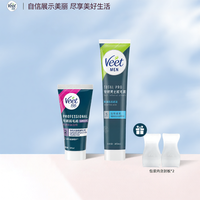
Veet | Non-permanent Private Area Hair Removal Cream
₱1,964.88
Buy on Lazada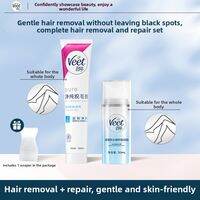
Veet | Bikini Area Hair Removal Cream
₱1,960.29
Buy on Lazada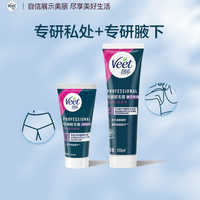
Veet | Private Area Hair Removal Cream
₱1,868.17
Buy on Lazada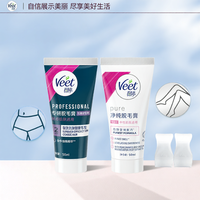
Veet | No Dark Spots Underarm and Private Area Hair Removal Cream
₱1,264.89
Buy on LazadaVeet | Intimate Area Hair Removal Cream for Men and Women Not for Full Body Use
₱1,971.27
Buy on Lazada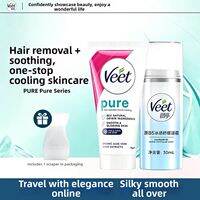
Veet | Armpit Depilatory Cream Leaving No Black Dots
₱1,272.94
Buy on LazadaVeet | Black Spot Free Underarm Depilation Cream
₱1,866.46
Buy on Lazada
Veet | Hair Removal Cream For Students Axillary Legs Hands
₱2,437.70
Buy on LazadaAbout Veet
Veet is a global personal-care brand specialising in hair-removal products, particularly depilatory creams and wax-based formulations. Owned by the multinational consumer-goods company Reckitt, which also manages brands such as Dettol, Finish, Durex and Lysol, Veet is described by its parent company as the world’s leading depilatory brand with availability in more than 80 countries.1
The brand’s central proposition is to make body-hair removal an accessible and convenient at-home routine, offering alternatives to shaving and salon treatments. In the Philippines, where personal grooming standards are high and tropical climate influences skincare habits, Veet has established itself as a widely recognised alternative to razors and traditional waxing methods.
Brand overview
| Category | Information |
|---|---|
| Brand | Veet |
| Industry | Personal care / beauty |
| Category | Hair removal / depilatories |
| Main products | Hair-removal creams, in-shower creams, wax strips, wax products and specialised facial/body products |
| Parent company | Reckitt |
| Origins | Canada / United Kingdom |
| Earlier name | Neet |
| Modern Veet name | Established in the UK in 1922 |
| Global presence | 80+ countries according to Reckitt |
| Positioning | Convenient, effective at-home hair removal |
| Main consumers | Historically women, increasingly men and broader body-care consumers |
Reckitt currently positions Veet around personal choice and body confidence, promoting the message that consumers should be able to manage body hair “your way”.
History
Veet has a history spanning more than a century, although early chronology varies slightly between historical and regional sources.
Early origins: Neet
The product’s predecessor was marketed under the name Neet. Historical records indicate that the Neet trademark was registered in Canada in 1918, followed by a U.S. trademark application in 1921 and registration in 1922. The product was originally associated with the Hannibal Pharmaceutical Company.2 It belonged to the then-emerging category of chemical depilatories, designed to dissolve or weaken hair so it could be removed without shaving.
1922: Veet
The Veet name was established in the United Kingdom in 1922. Derived from the French word vite, meaning “quickly”, the name reflected the brand’s emphasis on convenient hair removal.3 However, this rebranding was not immediately adopted globally; Canada and the United States continued to use the Neet name for many decades.3 Neet and Veet were essentially different trade names for the same broader hair-removal product lineage rather than unrelated brands.
Expansion
Throughout the twentieth century, the brand expanded its technology beyond traditional depilatory creams. Regional histories note the introduction of spray-format products in the 1970s and wax strips in the 1980s.4 The brand subsequently expanded internationally, developing distinct formulations for various skin types and body areas.
1990s: Reckitt
Veet eventually became part of the Reckitt business, with corporate materials identifying it as one of the group’s major personal-care brands. Some regional histories cite 1991 as the year the brand formally joined the Reckitt family and adopted the Veet name more broadly.5
2000s onward
The Veet name gradually became standardised across international markets. In the United States and Canada, the historical Neet name was commercially replaced by Veet in 2002.6 The portfolio subsequently broadened to include conventional depilatory creams, sensitive and dry-skin formulations, in-shower products, wax strips, facial hair-removal products, men’s ranges and specialised precision solutions.
Mechanism of action
Veet primarily utilises chemical depilation rather than physically extracting hair from the follicle. A typical depilatory cream contains a thioglycolate compound, such as potassium thioglycolate, alongside alkaline ingredients. These chemicals weaken the structural bonds in keratin, the protein comprising hair, allowing it to be wiped or rinsed away once sufficiently degraded.7
This mechanism differs fundamentally from other methods:
- Shaving: A razor mechanically cuts hair at or near the skin surface.
- Veet cream: Depilatory chemicals weaken the hair structure so it can be wiped or rinsed away.
- Waxing: Wax adheres to hair and physically pulls it out.
Consequently, Veet occupies a distinct position between shaving and waxing, offering a non-razor method of removing visible hair without the pulling action associated with waxing.
Product portfolio
Veet’s portfolio varies significantly by country, and there is no single universal lineup. Major categories available in markets including the Philippines include:
Depilatory creams
These are Veet’s most recognised products. Formulations are designed for normal skin, dry skin, sensitive skin, specific body areas, facial hair and men’s body hair. The U.S. range, for instance, includes Gel Cream Hair Remover, Professional 2 Minute Cream Hair Remover and In-Shower Cream Hair Remover.8
In-shower products
These products allow consumers to incorporate hair removal into their shower routine. This format strategically positions hair removal as a quick personal-care habit rather than a separate beauty treatment.9
Wax strips
Unlike depilatory creams, wax strips physically remove hair, representing a different technology within the same brand portfolio. Current regional ranges include EasyGrip wax strips formulated for different skin types.10
Facial products
Veet has developed products specifically for facial areas, where formulation and application requirements differ from those for legs or arms.11
Men’s products
Although historically associated with women’s beauty routines, Veet has expanded into the men’s market. The brand currently sells men’s hair-removal cream formulated for sensitive skin and intended for stubborn body hair.12 In China, Veet for Men launched in 2022.13
Skin-type segmentation
A key marketing strategy for Veet is segmentation by skin type. Rather than treating hair removal as a monolithic category, the brand creates formulations for consumers who identify their skin as normal, dry or sensitive. For example, Veet’s Hong Kong range includes separate products for normal, dry and sensitive skin, alongside Naturals and Suprem’ Essence lines.14 This approach allows the brand to compete on skin care during hair removal, a distinction relevant to Filipino consumers who often seek gentle formulations suitable for tropical climates and frequent use.
Ingredients and technology
While precise formulations vary by product and country, Veet depilatory creams commonly rely on thioglycolate chemistry. The current U.S. Gel Cream Hair Remover, for example, lists potassium thioglycolate, calcium hydroxide, glycerin, cetearyl alcohol, mineral oil, aloe vera leaf juice, fragrance and other stabilising ingredients.15
Potassium thioglycolate is critical as part of the active depilatory system that weakens hair. Ingredients such as glycerin, aloe vera and various emollients serve skin-conditioning or formulation roles. Because formulations differ, ingredients should always be verified on specific packaging.
Usage
A typical Veet cream routine involves applying the cream evenly over the hair, allowing it to work for a specified period, testing a small area, removing the cream and weakened hair, and rinsing the skin thoroughly with water. Instructions for the current Gel Cream specify approximately 5–10 minutes depending on the product and hair characteristics.16
Veet products contain active chemical depilatories and are not interchangeable with ordinary moisturisers or body creams. Users must follow the specific instructions and precautions provided on each product label.
Brand positioning
Veet’s positioning has evolved considerably over time.
Traditional positioning
Historically, the brand emphasised “hair removal without shaving”, addressing the core consumer problem of unwanted body hair and the inconvenience of razors.
Modern positioning
Today, Veet emphasises convenience, smooth skin, personal choice, confidence, diverse skin types and lifestyles, at-home beauty and inclusive body-care options. Reckitt’s current global positioning is essentially “Remove hair your way”, highlighting that consumers should decide how they manage body hair.17 This reflects a broader shift in beauty marketing: instead of framing body hair removal as mandatory, the brand increasingly presents it as a personal choice.
Target audience
Historically, Veet’s primary audience has been women interested in body grooming and beauty, with typical use cases including legs, underarms, bikini line, arms and facial hair. The target demographic has since broadened.
Women
Women remain the brand’s most established audience, particularly those seeking convenient alternatives to shaving or salon waxing.
Men
The development of Veet for Men reflects the growing normalisation of men’s body grooming.18
Younger consumers
Veet increasingly uses digital marketing and social platforms to engage younger demographics. Reckitt’s 2024 annual report specifically highlighted Veet’s digital engagement with younger, tech-oriented consumers in China.
Global presence
Reckitt states that more than 80 countries trust Veet and identifies it as the No. 1 depilatory brand worldwide.19 The actual product portfolio, packaging, claims and naming vary between markets. For example, the U.S. market offers Professional 2 Minute Cream and In-Shower Cream; Asian markets feature Naturals and Suprem’ Essence lines; China has dedicated men’s products; and Latin American markets offer depilatory creams and cold-wax products.20 This makes Veet a global brand with significant local adaptation rather than a completely standardised international product.
Veet in China
China has become an important market for the brand. According to Veet China’s official history, the brand entered the Chinese market in 2005, reported becoming the world’s No. 1 hair-removal brand by sales in 2018, achieved a 50% year-on-year sales increase in 2021, launched Veet for Men in 2022 and refreshed its visual identity with collaborations aimed at younger consumers in 2024.21 Reckitt’s 2024 annual report also noted that Veet used TikTok-related digital engagement in China to reach younger, tech-savvy consumers, demonstrating the increasing importance of social media to the brand’s marketing strategy.22
Marketing and advertising
Veet has historically relied heavily on advertising to differentiate itself from shaving. Early campaigns positioned the product around speed and convenience, including direct comparisons with razors.23 Modern campaigns tend to focus on confidence, smoothness, femininity, body confidence, personal choice, convenience and social-media engagement.
The brand has also experimented with humorous and provocative advertising. Some campaigns have generated controversy, illustrating the difficulty of advertising intimate personal-care products without crossing cultural or social boundaries.
Relationship with Reckitt
Veet is not an independent company but a brand within Reckitt’s portfolio. Reckitt is a multinational consumer-health, hygiene and personal-care company whose brands include Veet, Durex, Finish and Lysol.24 Within the portfolio, Veet sits particularly close to the company’s personal-care and intimate-wellness activities. Reckitt’s 2024 annual report describes Veet as its global No. 1 depilatory brand and one of the company’s important “Powerbrands”.25
Competition
Veet competes across several forms of hair removal rather than against only one type of company.
Direct competitors
Other depilatory-cream brands compete directly with Veet on effectiveness, speed, skin comfort, price, fragrance, formulation and convenience.
Indirect competitors
More significantly, Veet competes with razors, electric trimmers, epilators, waxing, sugaring, salon hair removal, IPL/home light-based devices and professional laser treatments. The brand’s real competitive challenge is therefore not simply another hair-removal cream, but the broader consumer question of the easiest way to manage body hair.
Strengths of the brand
- Strong brand recognition: Veet has had more than a century to establish itself in the hair-removal category.
- Category expertise: Hair removal is Veet’s core specialisation rather than one product among hundreds.
- Broad portfolio: The brand covers both chemical depilation and waxing, as well as different body areas and skin types.
- Global distribution: Being part of Reckitt provides access to extensive international distribution and marketing infrastructure.
- Strong consumer proposition: “Easy, convenient hair removal at home” is straightforward and easily understood.
- Continuous product development: The brand has repeatedly introduced new formats, formulations and specialised products rather than remaining limited to traditional cream.
Limitations and criticisms
- Skin sensitivity: Depilatory chemicals can irritate skin if a formulation is unsuitable, left on too long or used contrary to instructions.
- Odour: Some chemical depilatories have a distinctive sulfur-like or chemical smell, although modern formulations have attempted to improve the sensory experience.
- Temporary results: Veet removes existing hair but does not permanently prevent regrowth.
- Not suitable for every situation: Products have specific instructions concerning body areas, skin conditions, exposure and application time. The correct product must be used according to its label.
- Consumer perception: Some consumers prefer shaving, waxing, epilation, IPL or laser because they perceive those methods as better suited to their needs.
Brand identity
Veet’s visual identity has traditionally been strongly associated with bright, feminine beauty branding, particularly pink and purple colour palettes in many markets. This identity communicates beauty, smooth skin, personal care, confidence and convenience simultaneously.
However, the brand has gradually moved away from positioning hairlessness as an absolute beauty requirement. Newer messaging, particularly Reckitt’s “Your body, your choice” direction, reflects a more contemporary understanding of grooming as an individual decision.
Brand architecture
A simplified view of Veet’s portfolio includes:
- Cream: Normal skin, dry skin, sensitive skin, Naturals, premium/specialised variants
- In-Shower
- Wax: Wax strips and other wax formats depending on market
- Face
- Men
- Specialised precision products
The exact architecture differs substantially by country.
Significance in the beauty industry
Veet is significant because it helped transform hair removal from a practice associated primarily with razors, blades and professional services into an everyday consumer packaged-goods category. Its business model addresses a recurring grooming problem: body hair grows continuously, consumers repeatedly remove it and hair-removal products generate repeat purchases. This makes the category attractive from a consumer-goods perspective.
Veet also demonstrates how a mature brand can expand by taking one core technology and creating multiple solutions around different skin types, body areas, genders, occasions and lifestyles.
Veet today
As of 2026, Veet remains one of Reckitt’s major global personal-care brands. Reckitt describes it as the world’s leading depilatory brand and states it is trusted in more than 80 countries.26 The brand’s current strategy can be summarised as hair removal combined with skin care, convenience and personal choice. Rather than competing solely on the ability to remove hair, Veet increasingly sells an overall at-home body-care experience.
Key timeline
| Year | Milestone |
|---|---|
| 1918 | Neet trademark registered in Canada |
| 1922 | Neet trademark registered in the U.S.; Veet name established in the UK |
| 1970s | Spray-format hair-removal products introduced |
| 1980 | Wax strips introduced, according to Veet China history |
| 1990s | Brand becomes part of Reckitt’s business |
| 2002 | Veet name introduced commercially in the U.S. and Canada |
| 2005 | Veet enters China |
| 2018 | Veet reports becoming No. 1 globally by sales |
| 2022 | Veet for Men launched in China |
| 2024 | Brand refresh and further digital/youth-oriented marketing |
| 2026 | Global Veet portfolio continues to span creams, in-shower products, wax and specialised hair-removal solutions |
References
- Veet | Reckitt.com | Reckitt.com
- Veet – Our Brands | Reckitt.com
- Veet
- 品牌历史-法国薇婷Veet官网
- Gel Cream Hair Remover | Veet USA
- Our Products | Veet USA
- Veet – Hair removal waxes and products – Products
- Veet® Men Sensitive Skin Hair Removal Cream | Veet USA
- Produtos Veet – Linha Completa | Veet BR
- Veet Logo, symbol, meaning, history, PNG, brand
- Veet Logo and symbol, meaning, history, PNG, brand
- Veet – Marqueshistoire
- Veet
- Kem tẩy lông Veet có tốt không? Sử dụng được cho loại da nào?
- VEET Trademark of RECKITT & COLMAN (OVERSEAS) HEALTH LIMITED – Registration Number 5566295 – Serial Number 87080467 :: Justia Trademarks
- Website Terms of Use | Veet UK
- VEET MIRACULOUS Trademark of RECKITT & COLMAN (OVERSEAS) HEALTH LIMITED – Registration Number 5112738 – Serial Number 86964416 :: Justia Trademarks
- VEET Trademark of RECKITT & COLMAN (OVERSEAS) HEALTH LIMITED – Registration Number 4828645 – Serial Number 86411215 :: Justia Trademarks
- VEET Trademark of RECKITT & COLMAN (OVERSEAS) HEALTH LIMITED – Registration Number 2978398 – Serial Number 78187388 :: Justia Trademarks
- VEET – Reckitt & Colman (Overseas) Limited Trademark Registration
- Veet – Hair Removal Waxes and Creams – About Veet
- Veet® Naturals Hair Removal Cream
- Veet | Expert Hair Removal for Smooth, Confident Skin
- Veet – Unsere Marken – Reckitt | reckitt.com
- Veet – ブランド – Reckitt | reckitt.com
- 公司介绍-法国薇婷Veet官网
- Veetについて