Shop on Lazada
Vero Moda products
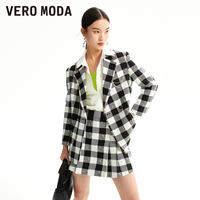
Vero Moda | Cute Plaid Pattern Long-sleeve Blazer
₱2,418.55₱10,258.39
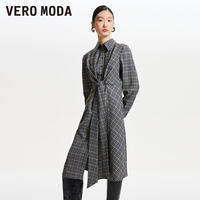
Vero Moda | New Spring Summer Elegant Slim Fit Plaid Band Dress
₱2,500.87₱9,567.77
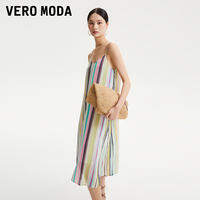
Vero Moda | Colorful Striped Textured Halter Dress Summer
₱1,913.84₱6,820.52
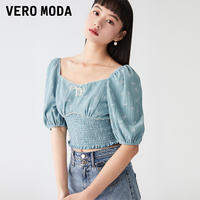
Vero Moda | Square Collar Puff Sleeves Blouse Elegant Stylish Slim Fit
₱1,205.10₱4,407.29
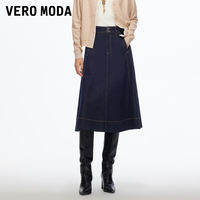
Vero Moda | Winter New Colorblock High Waist Slim A-line Skirt
₱3,471.85₱5,726.45
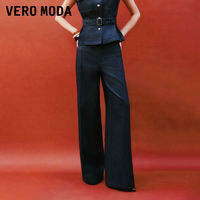
Vero Moda | Slim Pure Cotton Denim Pants With Belt
₱3,607.07₱6,336.71
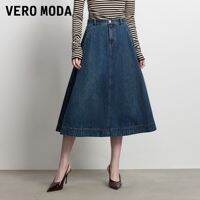
Vero Moda | Retro Washed High-Waist A-Line Flared Skirt
₱5,485.46₱6,700.98
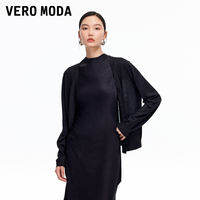
Vero Moda | Sparkling Wool-containing Solid Knitted Set
₱3,555.00₱5,950.00
About Vero Moda
Vero Moda is a Danish women’s fashion brand established in 1987 and owned by the family-run company BESTSELLER. As the first clothing label launched by BESTSELLER, it has grown to become one of the group’s largest and most internationally recognized brands.1 Positioned within the high-street and accessible fashion segment, Vero Moda focuses on contemporary women’s clothing that balances current trends with practical, affordable everyday pieces. While its historical philosophy centered on providing fashionable clothing at accessible price points, its modern positioning emphasizes individuality, confidence, and lifestyle over specific age demographics.2
Brand Profile
| Category | Information |
|---|---|
| Brand Name | Vero Moda |
| Origin | Denmark 🇩🇰 |
| Founded | 1987 |
| Founder | Troels Holch Povlsen |
| Parent Company | BESTSELLER A/S |
| Industry | Fashion / Apparel |
| Category | Women’s Fashion |
| Market Position | High-street / Accessible Contemporary Fashion |
| Target Customer | Fashion-conscious women defined by lifestyle rather than age |
| Core Proposition | Trend-led, wearable, and accessible fashion |
| Major Categories | Dresses, jeans, tops, trousers, jackets, knitwear, blazers, partywear, accessories, activewear, and Curve/plus-size |
| Brand Philosophy | Modern everyday fashion, individuality, confidence, and empowerment |
| Founded Within | BESTSELLER |
Vero Moda describes itself as one of Europe’s most recognizable high-street fashion brands, stating that its consumer base is defined “not by age – but by lifestyle.”2
History
Foundation
Vero Moda was established in 1987 in Denmark by Troels Holch Povlsen, the founder of BESTSELLER. According to company history, Povlsen discovered the name “Vero Moda” on a T-shirt and determined it would be suitable for a new women’s clothing collection. The brand was subsequently launched as one of the earliest labels within the BESTSELLER portfolio.3 The original concept was straightforward: to create good-quality, fashionable women’s clothing at an accessible price point, a proposition that helped establish Vero Moda in the European market.4
Expansion
Vero Moda played a pivotal role in BESTSELLER’s international expansion. As the parent company’s portfolio grew to include brands such as JACK & JONES, VILA, ONLY, SELECTED, and NAME IT, Vero Moda maintained a significant historical position within the group.5 Today, BESTSELLER identifies Vero Moda as one of its top three largest brands and among its most established international fashion businesses.6
Founder and Parent Company
Vero Moda was created by Danish entrepreneur Troels Holch Povlsen, who also founded BESTSELLER. Unlike independent fashion houses acquired by larger corporations, Vero Moda was developed internally as a BESTSELLER brand from its inception. BESTSELLER has since evolved into a major international fashion group encompassing numerous labels across women’s, men’s, and children’s fashion. Corporate records note the launch of Vero Moda in 1987, followed by JACK & JONES in 1990 and various other labels in subsequent decades.17
Product Assortment
Vero Moda operates primarily as a women’s fashion brand with an assortment extending beyond casual wear. Typical product categories include:
- Dresses
- Tops
- T-shirts
- Shirts
- Blouses
- Jeans
- Trousers
- Skirts
- Shorts
- Blazers
- Jackets
- Coats
- Knitwear
- Jumpers
- Partywear
- Loungewear
- Activewear / Athleisure
- Underwear and Shapewear
- Bags
- Shoes
- Fashion Accessories
- Curve / Plus-size Clothing
The brand’s digital platforms highlight key categories such as jackets, jeans, Curve & Plus Size, blazers, dresses, wide-leg jeans, trousers, jumpers, and partywear.7
Design Philosophy
Vero Moda occupies a space between trend-driven fashion and wardrobe essentials. Rather than positioning itself as a luxury designer label, it translates contemporary trends into pieces intended for everyday wearability. The current brand philosophy emphasizes modernity, wearability, accessibility, and individuality. The company describes its ambition as transforming ordinary clothing into modern, elevated essentials while adapting to evolving consumer lifestyles.10 This approach positions the brand as sufficiently fashion-forward to feel contemporary, yet commercial and practical enough for daily wardrobes.
Target Customer
Historically, Vero Moda was strongly associated with young, fashion-conscious women seeking stylish clothing at affordable prices, a heritage still acknowledged in official descriptions.8 However, the brand’s current positioning is broader, explicitly stating that its customer is defined by lifestyle rather than age.9 Consequently, the contemporary demographic includes university students, young professionals, office workers, mothers, and women seeking occasionwear or affordable alternatives to premium fashion. The unifying factor is a preference for contemporary, versatile fashion without luxury-level pricing.
Market Positioning
Vero Moda operates within the accessible contemporary or high-street tier of the fashion market hierarchy. It sits below premium contemporary brands like Sandro or Maje, and above value or mass-market basic retailers. The brand competes primarily on fashion relevance, design, accessibility, and variety rather than exclusivity or luxury craftsmanship. Its core description centers on providing attainable fashion and modern essentials.10
Brand Image
The visual and commercial identity of Vero Moda is characterized as contemporary, feminine, European, effortless, trend-aware, accessible, versatile, and confident. Collections typically balance fashionable seasonal pieces with dependable basics, combining items such as tailored blazers, wide-leg jeans, basic knits, evening dresses, casual shirts, leather-look jackets, and seasonal accessories. This mix supports the construction of a complete wardrobe rather than the purchase of isolated fashion items.
Marketing and Celebrity Collaborations
A notable aspect of Vero Moda’s history is its use of high-profile models and celebrities in marketing campaigns. Over the years, the brand has collaborated with internationally recognized figures including Helena Christensen, Claudia Schiffer, Christy Turlington, Kate Moss, Gisele Bündchen, Alexa Chung, and Lily Allen.11 These partnerships have helped associate Vero Moda with mainstream fashion culture while maintaining its accessible positioning, effectively bringing elements of editorial and celebrity culture into a commercial fashion context.
Vero Moda Curve
Vero Moda has expanded beyond traditional sizing through Vero Moda Curve, a collection designed around body confidence. On its Indian site, the brand identifies this range with sizes 42–54.12 This initiative reflects a broader industry shift wherein established high-street brands increasingly cater to diverse body types beyond conventional straight sizes.
Special Collections
Beyond standard offerings, Vero Moda has introduced specialized concepts such as MARQUEE BY Vero Moda. This line focuses on elevated occasionwear, including gowns, party dresses, evening wear, luxurious fabrics, and statement pieces, allowing the brand to extend stylistically while remaining within its ecosystem.13 The brand also offers athleisure and activewear, demonstrating an expansion from traditional women’s fashion into broader lifestyle categories.14
International Presence
From its origins as a Danish label, Vero Moda has developed into an international fashion brand. BESTSELLER describes it as one of its most globally recognized brands, while Vero Moda cites itself as a recognizable European high-street name.15 Distribution occurs through a combination of standalone stores, shop-in-shop locations, department stores, wholesale partners, e-commerce sites, and local online fashion platforms, integrating physical retail with digital commerce.
Operations in India
India represents a significant market for Vero Moda, featuring an extensive retail network of exclusive brand outlets and shop-in-shop locations. A 2025 company announcement reported 71 exclusive brand outlets and 318 shop-in-shop locations in the country.16 The Indian assortment illustrates local adaptation, ranging from western everyday wear to occasionwear, athleisure, and Curve collections.
Relationship with BESTSELLER
Vero Moda is distinct from its parent company, BESTSELLER A/S, which serves as the overarching fashion group. Other brands in the BESTSELLER portfolio include JACK & JONES, ONLY, VILA, SELECTED, NAME IT, PIECES, OBJECT, Y.A.S, NOISY MAY, and JDY. Vero Moda holds a unique historical status as the first clothing label created by the group.17
Sustainability
Sustainability at Vero Moda is integrated into the broader corporate framework of BESTSELLER. The group launched its Fashion FWD sustainability strategy in 2018, establishing goals across supply chain, materials, production, and corporate responsibility.18 For Vero Moda, sustainability is understood as part of this wider group infrastructure rather than as the sole defining characteristic of the brand, whose primary commercial identity remains accessible contemporary fashion.
Competitive Landscape
Vero Moda operates in a competitive global segment alongside brands such as Zara, H&M, Mango, ONLY, VILA, Reserved, C&A, Next, and ASOS. However, it maintains a distinct position connected to European women’s fashion, wearable contemporary clothing, and the BESTSELLER ecosystem, differentiating it from the largest fast-fashion giants.
Distinctive Characteristics
Several factors define the brand’s identity:
- Long History: Founded in 1987, Vero Moda possesses over three decades of industry heritage.19
- BESTSELLER Heritage: As the first fashion label created by BESTSELLER, it holds a significant role within the group.20
- Accessible Fashion: The brand was founded on the premise of providing fashionable, quality clothing at accessible prices.
- Broad Wardrobe Offering: The assortment spans jeans, everyday tops, workwear, outerwear, partywear, activewear, and Curve.
- European Identity: Despite international distribution, its aesthetic remains rooted in European fashion.
- Celebrity History: Campaigns have featured globally recognized models such as Kate Moss and Gisele Bündchen.11
- Demographic Evolution: While historically linked to younger women, the brand now defines its audience by lifestyle rather than age.9
Brand Evolution
The development of Vero Moda can be categorized into four stages:
- 1987–1990s (Establishment): A Danish women’s fashion label built on affordable, trend-conscious clothing.
- 2000s (Internationalization): Expansion of international retail and wholesale presence.
- 2010s (Lifestyle Expansion): Broadening of product categories, e-commerce growth, and increased global reach.
- 2020s (Modernization): Increased focus on individuality, inclusivity, elevated essentials, Curve, activewear, and sophisticated fashion concepts.
Throughout these phases, the underlying proposition has remained consistent: making contemporary fashion accessible to real women.
Current Status
As of 2026, Vero Moda remains one of BESTSELLER’s major brands and continues to operate as an international women’s fashion label. BESTSELLER currently ranks it among its top three largest brands, while Vero Moda positions itself as a recognizable European high-street name.6 Its contemporary identity combines Danish heritage, European fashion, accessible pricing, trend awareness, everyday wearability, a broad women’s assortment, and a lifestyle-driven identity. Rather than competing on exclusivity, the brand’s strength lies in translating fashion trends into commercially accessible clothing suitable for everyday life.
References
- About Us: VERO MODA
- About Us
- Job detail Vero Moda | BESTSELLER
- About Us: VERO MODA
- About VERO MODA
- VERO MODA Unveils Autumn/Winter 2025
- JACK & JONES, VERO MODA, ONLY and SELECTED introduce India’s first all-encompassing safety measure for retail stores with their campaign ‘SEAL OF SAFETY’
- About Us: VERO MODA
- About Us: VERO MODA
- À propos de VERO MODA
- Job detail Vero Moda | BESTSELLER
- Job detail Vero Moda | BESTSELLER
- Job detail Vero Moda | BESTSELLER
- Job detail Vero Moda | BESTSELLER
- Job detail Vero Moda | BESTSELLER
- Job detail Vero Moda | BESTSELLER
- Job detail Vero Moda | BESTSELLER
- À propos de Vero Moda
- Terms and Conditions
- efef.com.cn