Shop on Lazada
Want Want products
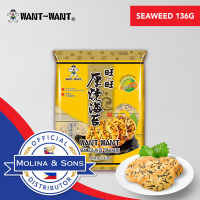
Want Want Seaweed 136G
₱180.00
Buy on Lazada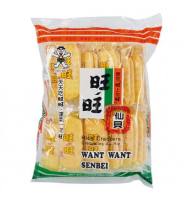
Wang Wang Senbei Crispy Rice Cracker 52g (10 packs)
₱79.00₱84.00
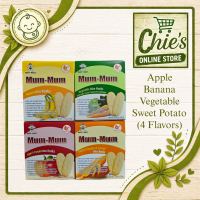
Mum Mum Baby Rusk Biscuits
₱750.00₱880.00
Baby Mum Mum Baby Biscuits
₱750.00₱880.00
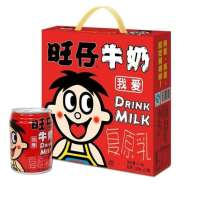
Wang Wang Milk Drink 245ml
₱920.00
Buy on Lazada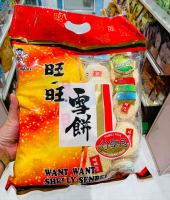
Want Want Shelly Senbei Rice Cracker made with Japonica Rice 520g❣️
₱699.00₱1,500.00
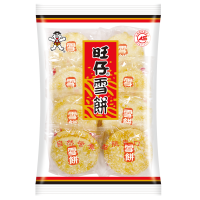
Wang Wang Snow Crispy Rice Cracker 84g (8 packs)
₱91.00₱110.00
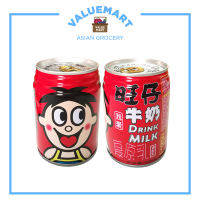
Wang Wang / Want Want Wanzai Milk (Sweetened Milk in Can or Tetra Pack) - 125/245 ml
₱80.00₱117.00
About Want Want
Overview
Want Want China Holdings Limited, widely recognised by its consumer brand name Want Want, is a multinational food and beverage company of Taiwanese origin. The firm is best known for its rice crackers, snack foods, flavoured milk drinks, and products marketed towards children 1. It has established itself as one of the most recognisable snack brands across Greater China and within overseas Chinese communities 2.
| Item | Information |
|---|---|
| Brand name | Want Want |
| Chinese name | 旺旺 |
| Company | Want Want China Holdings Limited |
| Origin | Taiwan |
| Founded | 1962 (company origins); 1983 (Want Want brand launched) |
| Founder / Key figure | Tsai Eng-meng |
| Industry | Food and beverages |
| Main products | Rice crackers, snacks, dairy drinks, beverages, candies, frozen foods |
| Headquarters | Taipei, Taiwan |
| Major markets | Greater China, Southeast Asia, Japan, Europe, North America, and other international markets |
| Stock listing | Hong Kong Stock Exchange (Want Want China Holdings Limited, stock code: 0151) |
History
Early years: I Lan Foods (1962–1980s)
The origins of Want Want date back to 1962 with the establishment of I Lan Foods Industrial Co., Ltd. in Yilan County, Taiwan. Initially, the company focused on producing canned agricultural products, primarily for export markets 3.
In the late 1970s, under the leadership of Tsai Eng-meng, the company shifted its strategic direction. Drawing inspiration from Japanese rice crackers, I Lan Foods began exploring rice-based snack products 4. A significant milestone occurred in 1983 when I Lan Foods entered into a technical cooperation agreement with the Japanese manufacturer Iwatsuka Confectionery Co., Ltd. This partnership facilitated the development of rice cracker technology and led to the official launch of the Want Want brand in Taiwan 41.
Expansion into Mainland China
Want Want entered the mainland Chinese market in 1989, registering its brand in the region. By 1992, the company had established its first subsidiary in Hunan Province, marking the beginning of large-scale production and expansion within China 3.
The company’s growth strategy during this period centred on:
- Constructing local manufacturing facilities
- Adapting product formulations to suit regional tastes
- Establishing extensive retail distribution networks
- Developing distinctive packaging and mascots
Over subsequent decades, Want Want evolved from a specialist rice cracker manufacturer into a diversified food and beverage group 2.
Corporate Development
In 1996, Want Want Holdings was listed on the Singapore Exchange. Following a corporate restructuring, the core food and beverage operations were reorganised under Want Want China Holdings Limited, which secured a listing on the Hong Kong Stock Exchange in 2008 3. Today, the group maintains a primary focus on food and beverages while retaining interests in other sectors through affiliated companies 2.
Brand Meaning and Identity
The Chinese name “旺旺” carries connotations of prosperity, growth, good fortune, and success. This naming convention was selected to evoke happiness and auspiciousness, aligning with the brand’s family-oriented image 1.
Central to the brand’s identity is the “Hot-Kid” mascot, a smiling child character introduced in 1979. This mascot, combined with consistent packaging design, has made Want Want products highly distinguishable, particularly among families and children 1.
Products
Want Want’s portfolio encompasses several major categories.
Rice Crackers
Rice crackers remain the company’s signature offering. Prominent varieties include:
- Want Want Senbei
- Hot-Kid Rice Crackers
- Seasoned rice crackers
- Seaweed-flavoured rice snacks
These items have become staple everyday snacks in both China and Taiwan 1.
Dairy and Beverage Products
The company has significantly expanded into the beverage sector, with a particular emphasis on milk-based drinks. Key categories include:
- Flavoured milk drinks
- Yogurt beverages
- Tea drinks
- Fruit beverages
For many consumers in China and Taiwan, these milk drinks are strongly associated with childhood nostalgia.
Other Snack Categories
Beyond rice crackers and dairy drinks, the company manufactures:
- Candies
- Cakes and pastries
- Frozen foods
- Potato and legume snacks
- Gift snack packages
Global Presence
Want Want has extended its reach beyond Taiwan and mainland China to numerous international markets. The group reports that its products are available in dozens of countries and regions across Asia, Europe, North America, South America, Oceania, and Africa 21.
Major overseas markets include Japan, Southeast Asian nations, the United States, Canada, and various European countries. In Japan specifically, products are imported and distributed by Want Want Japan Co., Ltd. 4.
Business Philosophy
Marketing and Cultural Influence
The commercial success of Want Want is closely linked to its branding strategies.
Visual Identity and Positioning
The combination of red-and-yellow packaging, the smiling child mascot, and the repetitive “旺旺” name has generated high brand recall. Historically, marketing efforts have emphasised themes of happiness, family gatherings, childhood memories, and festive occasions 1.
Association with Lunar New Year
Due to the auspicious meaning of its name, Want Want products are frequently purchased as gifts during Lunar New Year celebrations, reinforcing their cultural significance.
Relationship with Popular Culture
Across Taiwan, mainland China, and overseas Chinese communities, Want Want snacks are often regarded as nostalgic items. Rice crackers and milk drinks have become cultural symbols representing school snacks, family celebrations, holiday gift boxes, and formative childhood experiences.
Controversies and Public Discussions
As with many large corporations operating across multiple jurisdictions, Want Want has occasionally been the subject of public discourse regarding its media investments and political perceptions, particularly following the acquisition of media assets in Taiwan. Such discussions have generally pertained to corporate ownership, media influence, and business interests rather than the quality or safety of its food products.
Summary
From its inception as a small canned-food manufacturer in 1962, Want Want has transformed into one of Asia’s most recognisable snack and beverage companies 1. This evolution was driven by innovation in rice crackers, technical cooperation with Japanese partners, aggressive expansion into mainland China, and a memorable, family-centric brand image 34. Today, Want Want remains particularly influential in Greater China, where its products are deeply intertwined with childhood memories, festivities, and daily consumption.