Shop on Lazada
Hormel products
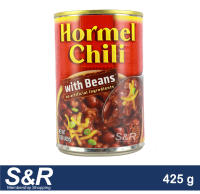
Hormel Chili with Beans 425g
₱215.00
Buy on Lazada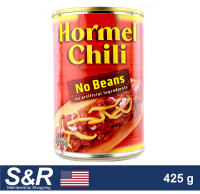
Hormel Chili Canned Meat No Beans 425 g
₱248.00
Buy on Lazada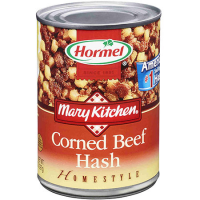
HORMEL Corned Beef Hash 397g / 14oz home style hashMARY KITCHEN usa
₱448.00₱488.00
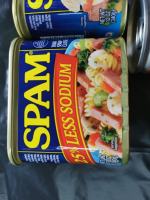
SPAM ORIGINAL / SPAM LESS SODIUM / LIBBYS VIENNA SAUSAGE
₱82.00₱145.00
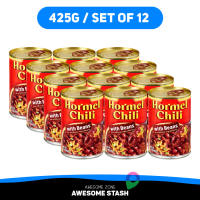
Hormel Chili With Beans 425g
₱4,950.00
Buy on Lazada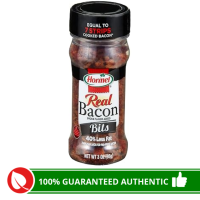
Hormel Real Bacon Bits Smokey Flavor 85g
₱549.00₱800.00
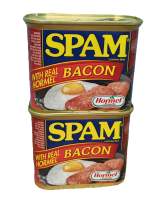
SPAM Luncheon Meat - BACON Flavor - Hormel Foods (pack of 2 pieces x 340 grams)
₱745.00
Buy on Lazada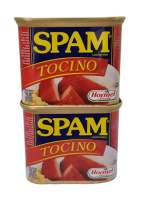
SPAM Luncheon Meat - TOCINO Flavor - Hormel Foods (2 pieces x 340 grams)
₱745.00
Buy on LazadaAbout Hormel
Overview
Hormel Foods Corporation, commonly referred to as Hormel, is a major American food manufacturer with a significant presence in the Philippine market. Founded in 1891 in Austin, Minnesota, the company has evolved from a regional meat processor into a multinational branded-food business offering processed meats, canned goods, refrigerated items, deli products, nuts, peanut butter, and other packaged foods.1 While globally recognized for SPAM, Hormel’s portfolio encompasses numerous brands including HORMEL, SKIPPY, Jennie-O, Applegate, Planters, Columbus, Dinty Moore, Herdez, Justin’s, and Fontanini.1
In the Philippines, Hormel operates through a longstanding joint venture established in 1999 with Pure Foods Corporation (now part of San Miguel Corporation). This partnership, known as Purefoods-Hormel, represents the company’s largest joint venture outside the United States and integrates local manufacturing with imported products.1
Company Profile
| Item | Information |
|---|---|
| Company name | Hormel Foods Corporation |
| Former name | Geo. A. Hormel & Co. |
| Founded | 1891 |
| Founder | George A. Hormel |
| Headquarters | Austin, Minnesota, United States |
| Industry | Food processing / packaged foods |
| Major products | Meat, canned foods, deli meats, nuts, peanut butter, prepared foods |
| Best-known brand | SPAM |
| Stock ticker | NYSE: HRL |
| Employees | 18,000+ worldwide1 |
| International presence | Products sold globally; international operations in multiple countries |
| Current corporate identity | Global branded-food company |
Hormel is publicly traded on the New York Stock Exchange and files financial reports with the U.S. Securities and Exchange Commission.2
History
Early Years (1891–1925)
The company was founded in 1891 by George A. Hormel in Austin, Minnesota, originally focusing on fresh pork and meat products.1 Unlike many corporations that relocated to metropolitan hubs, Hormel maintained its headquarters in Austin, preserving its historic connection to the community where it was established.1 The company expanded its sales network by opening a branch in Minneapolis in 1901 and launching national advertising campaigns in 1911.1
Canned Food Innovation and World War II (1926–1950)
Hormel pioneered canned meat technology, developing what it describes as the world’s first canned ham in 1926.1 Under the leadership of founder’s son Jay C. Hormel, the company introduced enduring brands such as Dinty Moore beef stew, Hormel Chili, and SPAM luncheon meat.1
During World War II, Hormel became a critical supplier to the U.S. government, shipping up to 15 million cans of meat per week overseas, with SPAM comprising a substantial portion of these shipments.1 This wartime distribution established SPAM as a global food staple, particularly in Asia and the Pacific.1
Post-War Expansion and Public Listing
Following the war, Hormel diversified beyond traditional meat processing into branded consumer products, convenience foods, and foodservice.1 In 1973, it became the first meatpacking company to implement nutritional labeling on meat products.1 Annual sales surpassed $1 billion by 1976.1
The company began trading on the New York Stock Exchange in 1990 and officially changed its name from Geo. A. Hormel & Co. to Hormel Foods Corporation in 1993 to reflect its broader scope beyond meatpacking.1
Diversification Through Acquisition
Modern Hormel has transformed into a multi-category branded food manufacturer through strategic acquisitions. Rather than relying solely on traditional meat products, the company has added brands across various categories, including SKIPPY (peanut butter), Jennie-O (turkey), Applegate (natural and organic meats), Columbus (premium deli meats), Herdez (Mexican foods), Justin’s (nut butters), Planters (nuts and snacks), Fontanini (Italian meats), and Dinty Moore (prepared foods).1
Operations in the Philippines
Hormel holds a distinctive position in the Philippine food industry through its joint venture structure. In 1999, Hormel Foods International partnered with Pure Foods Corporation, then owned by the Ayala Group, to establish Purefoods-Hormel based in Manila.1
Following the acquisition of Pure Foods Corporation by San Miguel Corporation in 2001, the joint venture continued as a cornerstone of Hormel’s international strategy. The company identifies this partnership as its largest joint venture outside the United States.1
Local production under this venture includes Purefoods Tender Juicy hot dogs, while shelf-stable and other specialty Hormel products are imported. Consequently, Hormel’s presence in the Philippines is deeply integrated with local manufacturing and distribution networks via Purefoods and San Miguel, extending well beyond imported SPAM products.1
Brand Portfolio
Hormel’s portfolio spans multiple categories, with brands holding the No. 1 or No. 2 position in more than 40 product categories.1
SPAM
Introduced in 1937, SPAM is Hormel’s most internationally recognizable brand. It is a shelf-stable canned meat product that has achieved cultural icon status, particularly in Asian and Pacific cuisines.1 Hormel celebrated SPAM’s 75th anniversary in 2012 and operates the SPAM Museum in Austin, Minnesota.1
HORMEL
The namesake brand covers a wide range of meat and prepared-food products, including bacon, ham, pepperoni, sausages, and chili.1
Other Key Brands
- SKIPPY: A major peanut butter brand acquired during Hormel’s expansion beyond meat.1
- Jennie-O: Specializes in turkey products, including ground turkey, burgers, and deli items.
- Applegate: Focuses on natural and organic meats, including deli slices, sausages, and hot dogs.
- Planters: A leading snack brand associated with nuts and nut-based snacks.
- Columbus: Offers premium and craft-style deli meats.
- Dinty Moore: Known for beef stew and hearty prepared meals.
- Herdez: A prominent brand for Mexican salsas and related foods.
- Justin’s: Features nut butters and snack products.
Business Model and Segments
Hormel operates as a branded-food manufacturer that adds value through processing, branding, packaging, marketing, and distribution rather than functioning solely as a commodity producer.2 Its operations are divided into three primary segments:
Retail
This segment encompasses consumer-facing packaged products sold in supermarkets, including SPAM, Jennie-O, Applegate, and Planters.2
Foodservice
Hormel supplies restaurants, hotels, institutions, and food manufacturers with ingredients such as prepared proteins, bacon, and sausage designed for commercial food preparation.2
International
Products are sold outside the United States through exports, subsidiaries, joint ventures, and licensing. The company reports international operations in nine countries and exports to 50 markets, specifically identifying the Philippines, China, Japan, Australia, and South Korea as key territories.12
Corporate Culture and Financials
Hormel emphasizes innovation, quality, integrity, service, and community involvement, stating its purpose as “fueling every day with real food for real life.”1 The company established a profit-sharing trust in 1938 and created the Hormel Foundation in 1941.1
As of its current corporate profile, Hormel employs more than 18,000 people worldwide, and 81% of U.S. households purchase at least one Hormel Foods product.1 For fiscal year 2025, which ended October 26, 2025, the company reported net sales exceeding $12 billion, with growth across Retail, Foodservice, and International segments.2
However, in August 2026, Hormel lowered its annual sales outlook due to weaker consumer demand, particularly in retail, alongside cost pressures and portfolio adjustments.3
Headquarters and Global Presence
Hormel remains headquartered in Austin, Minnesota, maintaining its historic plant and the SPAM Museum in the same community where it was founded.1 Globally, the company began exporting roughly a century ago and formally established Hormel Foods International in 1967.1 Current markets include the United States, Philippines, China, Japan, South Korea, Australia, Canada, Panama, and others.1
Corporate Timeline
| Year | Milestone |
|---|---|
| 1891 | George A. Hormel establishes Geo. A. Hormel & Co. |
| 1901 | First sales branch opens outside Austin |
| 1911 | First national advertising |
| 1926 | Canned ham introduced |
| 1928 | Company becomes publicly traded |
| 1930s | Dinty Moore, Hormel Chili and SPAM introduced |
| 1941 | Hormel Foundation established |
| 1940s | SPAM becomes heavily associated with wartime food supply |
| 1967 | Hormel Foods International established |
| 1973 | Nutritional labeling introduced on meat products |
| 1976 | Annual sales surpass $1 billion |
| 1990 | Stock begins trading on NYSE |
| 1993 | Company renamed Hormel Foods Corporation |
| 1999 | Purefoods-Hormel joint venture formed in the Philippines |
| 2000s | Major diversification and acquisitions |
| 2012 | SPAM celebrates 75th anniversary |
| 2016 | Hormel celebrates 125 years; SPAM Museum opens |
| 2015–2025 | Major expansion of premium, natural, snack and international brands |
| 2025 | Hormel reports more than $12 billion in net sales2 |
| 2026 | Company continues restructuring its portfolio amid challenging consumer conditions3 |