Shop on Lazada
Welch’s products
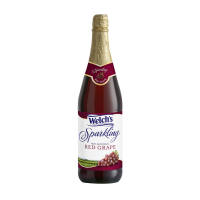
Welchs Sparkling Red Grape 25.4oz (750ml)
₱271.60₱388.00
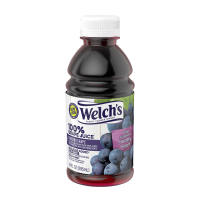
Welchs 100% Grape Juice Purple 10oz (295ml)
₱100.58₱107.00
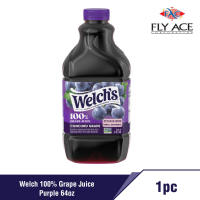
Welchs 100% Grape Juice Purple 64oz
₱470.00
Buy on Lazada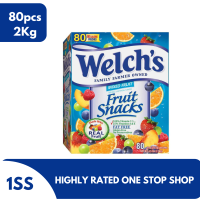
WELCHs Fruit Snacks Mixed 80 Counts 2Kg
₱2,299.00
Buy on Lazada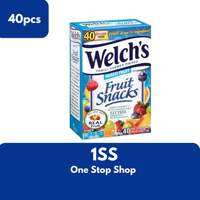
Welch Mixed Fruit Snacks 1Kg (25.5g x 40pouches)
₱1,185.00
Buy on Lazada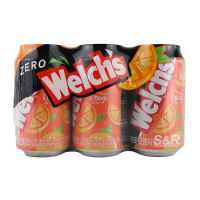
Welchs Zero Orange Sparkling Soda 6 cans x 355mL
₱332.00
Buy on Lazada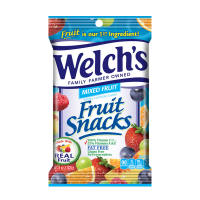
Welch Fruit Snacks Mixed Fruits 142g
₱164.50₱175.00
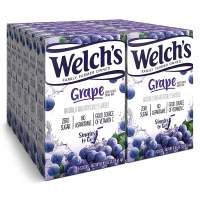
Welchs Singles To Go Pack Watertok Powdered Drink Mix 1 Box
₱4,061.00₱4,512.00
About Welch’s
Overview
Welch’s is an American food and beverage brand best known for its grape juice, fruit spreads, jellies, jams, and other fruit-based products. The brand traces its origins to 1869, when Dr. Thomas Bramwell Welch produced and bottled Concord grape juice in Vineland, New Jersey. Today, Welch’s serves as the consumer brand of Welch Foods, Inc., which is owned by the National Grape Cooperative, a farmer-owned cooperative.1 While primarily associated with the United States market, Welch’s products are distributed internationally and are available in various retail channels across the Philippines.
| Category | Information |
|---|---|
| Brand | Welch’s |
| Company | Welch Foods, Inc. |
| Founded | 1869 |
| Founder | Dr. Thomas Bramwell Welch |
| Origin | Vineland, New Jersey, United States |
| Headquarters | Concord, Massachusetts, United States |
| Ownership | National Grape Cooperative |
| Industry | Food and beverage |
| Best known for | Grape juice and grape-based products |
| Key grapes | Concord and Niagara |
| Main market | United States, with international distribution |
| Ownership model | Farmer-owned cooperative |
| Current farmer owners | More than 600 family farmers2 |
History
Origins: The Concord grape
The history of Welch’s predates the company itself. In 1849, Massachusetts horticulturist Ephraim Wales Bull developed the Concord grape in Concord, Massachusetts. This variety subsequently became essential to American grape juice production.3
In 1869, Dr. Thomas Bramwell Welch processed Concord grapes at his home in Vineland, New Jersey. He cooked, pressed, bottled, and pasteurized the juice. The pasteurization process prevented fermentation, ensuring the beverage remained non-alcoholic and shelf-stable.4
Welch originally created the drink as a non-alcoholic alternative to wine for church communion. It was initially marketed as “Dr. Welch’s Unfermented Wine” before being renamed “Dr. Welch’s Grape Juice.”5
Rise of the brand
Welch’s gained prominence during the late 19th and early 20th centuries. A significant milestone occurred in 1893 when Welch’s Grape Juice was introduced at the World’s Columbian Exposition in Chicago, exposing the product to a wider American audience.6
The American temperance movement further expanded the market for non-alcoholic grape beverages, transitioning grape juice from a strictly religious item to a common household staple. During World War I, Welch’s diversified beyond beverages by supplying the U.S. military with “Grapelade,” a grape-based fruit spread, which led to the development of a broader portfolio of fruit products.7
Transition to farmer ownership
A defining moment in the brand’s corporate history occurred in 1956 when the National Grape Cooperative Association acquired Welch’s Grape Juice Company.8 This acquisition established the ownership structure that defines the brand today: Welch’s is owned by the grape farmers who comprise the cooperative. The organization currently states that it is owned by more than 600 family farmers who cultivate the Concord and Niagara grapes used in its products.9
Business operations
Welch Foods, Inc. operates as a food-processing and marketing entity linked to the farmer-owned National Grape Cooperative. Its consumer business encompasses a wide range of products including grape juice, white grape juice, fruit juices, grape jelly, fruit spreads, jams, refrigerated juices, frozen and shelf-stable concentrates, dried fruit, fruit snacks, and other grape- and fruit-based items.10
In addition to consumer goods, Welch’s established a Global Ingredients Group in 2014. This division supplies grape-derived ingredients and solutions to food and beverage manufacturers worldwide.10
Signature grapes
Two grape varieties are central to the Welch’s product line:
Concord grape
The Concord grape is the foundation of the brand’s identity. Developed in Massachusetts in the 19th century, this dark-colored American variety produces the deep-purple juice with a distinctive sweet-tart flavor that is synonymous with Welch’s.
Niagara grape
Welch’s also utilizes Niagara grapes, particularly for white grape juice and related products. Niagara grapes yield a lighter-colored juice with a flavor profile distinct from Concord. The company maintains traceability for both varieties, linking delivered grapes back to their specific growing locations.10
Products and brand identity
While grape juice remains its most recognizable category, Welch’s has significantly diversified its portfolio. The brand’s positioning is anchored in the concept of “From our farms to your family,” emphasizing produce grown by family farmers and transformed into household products.11
Current product categories include:
- Juices: Concord grape juice, white grape juice, juice beverages, and other fruit-based drinks.
- Spreads: Grape jelly, jams, preserves, and other fruit spreads.
- Snacks: Fruit snacks and dried-fruit products.
- Ingredients: Concentrates, powders, and other grape-derived ingredients for food manufacturing.12
This diversification allows the company to utilize grapes and fruit in formats extending well beyond bottled juice.
Cooperative ownership model
Welch’s is distinguished by its cooperative ownership structure. Unlike conventional brands owned by publicly traded corporations or private equity, Welch’s is tied directly to grape growers. The operational flow moves from family farmers to the National Grape Cooperative, then to Welch Foods, and finally to consumers via Welch’s products.
The company emphasizes that its more than 600 farmer-owners have often cultivated grapes for generations.13 This structure allows Welch’s to position itself not merely as a food manufacturer but as a farmer-owned food brand.
Production and sourcing
Welch’s highlights the direct link between its products and the source farms. According to company data, its Concord grapes are 100% grown in the United States. Grapes can move from vine to press within approximately eight hours of picking. Furthermore, the production process for 100% juice utilizes about 90% of the harvested grape, including the skin and seeds.14
Growers operate across multiple regions in North America. This geographic diversity helps ensure a consistent grape supply even when weather conditions affect specific growing areas.15
Brand image and marketing
Historically, Welch’s has positioned itself as a family-oriented American food brand. Marketing efforts typically emphasize themes of family, American farming, natural ingredients, tradition, taste, everyday meals, childhood nostalgia, and fruit-based nutrition.
This approach distinguishes Welch’s from premium juice companies, placing it firmly as a familiar, mainstream household brand. Visually, the purple Concord grape serves as a primary shorthand for the brand’s identity.16
Cultural significance
Welch’s has maintained a long-standing relationship with American food culture. Grape juice gained initial popularity as a non-alcoholic wine alternative during the temperance movement before entering mainstream households.16
Additionally, Welch’s Grapelade became associated with the U.S. military during World War I. Its pairing with peanut butter contributed to the cultural history of the peanut-butter-and-jelly sandwich, although the modern iteration of this staple evolved through contributions from multiple companies rather than solely Welch’s.16
Over more than a century, the brand evolved from a specialized communion beverage into a mainstream family food brand.
Historical timeline
- 1849: Ephraim Wales Bull develops the Concord grape in Massachusetts.17
- 1869: Dr. Thomas Bramwell Welch bottles Concord grape juice at his home in Vineland, New Jersey.18
- 1890: The product becomes known as Dr. Welch’s Grape Juice rather than Dr. Welch’s Unfermented Wine.
- 1893: Welch’s Grape Juice appears at the World’s Fair in Chicago.
- 1918: Welch’s introduces its grape-based spread, Grapelade.
- 1949: Welch’s introduces frozen grape juice concentrate.19
- 1956: The National Grape Cooperative purchases Welch’s Grape Juice Company.19
- 1960s onward: Welch’s expands into fruit spreads, fruit punch, and other products.
- 1985: Welch’s introduces squeezable containers for its jellies and preserves.
- 2014: Welch Foods establishes its Global Ingredients Group to expand into food and beverage ingredients.
- Today: Welch’s operates as a major grape-based food and beverage brand owned by a cooperative of family farmers.
Headquarters and corporate structure
Welch’s is headquartered in Concord, Massachusetts, the birthplace of the Concord grape. This location reinforces the geographic connection between the corporate identity and the signature fruit.17
The corporate hierarchy functions as follows:
National Grape Cooperative Association
↓
Welch Foods, Inc.
↓
Welch’s brand
Under this cooperative model, the farmers supplying the grapes serve as the owners of the business.18
International presence
Although strongly associated with the United States, Welch’s products are sold internationally. The company’s stated mission involves bringing its Concord and Niagara grape products to as many markets and consumers as possible.17 Consequently, Welch’s functions as both an iconic American grocery brand and an international fruit-and-beverage brand.
Distinctive characteristics
Several factors distinguish Welch’s from other juice brands:
- Long history: Tracing roots to 1869, the brand possesses over 150 years of history.
- Concord grape specialization: Welch’s helped establish Concord grape juice as a recognizable American fruit beverage.
- Farmer ownership: The connection to the National Grape Cooperative provides an unusual farmer-owned corporate structure.
- Household recognition: The name is closely associated with grape juice, jelly, and fruit products.
- Family-oriented positioning: The brand emphasizes family, farming, flavor, and everyday consumption rather than luxury or wellness.
- Diversification: The company has expanded from grape juice into spreads, snacks, concentrates, and food ingredients.
Legacy
Welch’s is significant for helping establish grape juice as a major consumer food category. Its history intersects with key developments in food culture, including the cultivation of the Concord grape, pasteurization, the temperance movement, branded packaged foods, supermarket culture, military food supply, and modern farmer cooperatives.
The brand’s central identity remains consistent with its original proposition: turning American-grown grapes into convenient fruit products for consumers. Welch’s represents a combination of agricultural heritage, food manufacturing, cooperative ownership, and mass-market branding.17
References
- Welch’s
- About Us
- Welch’s
- Welch’s
- Welch’s
- Welch’s | Fruit Juice, Jelly and Snacks
- The History of Welch’s Grape Juice
- About Us – Welch’s Soda
- Methodist History: Communion and Welch’s Grape Juice | UMC.org
- About Us
- Welch’s | Fruit Juice, Jelly and Snacks
- Welch’s Online Shop – Welch’s Shop
- Welch’s | Fruit Juice, Jelly and Snacks
- Search – Welch’s Shop
- Fruit Snacks
- Contact information – Welch’s Shop
- Foodservice
- Welch’s
- National Grape Co-operative Association, Inc. – NCFC