Shop on Lazada
Toblerone products
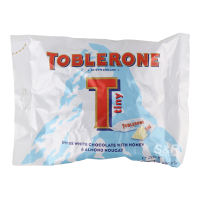
Toblerone White Minis 200g
₱319.00
Buy on Lazada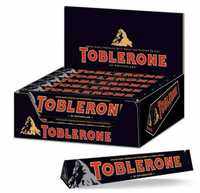
FREE SHIPPING TOBLERONE 1 BOX WHOLE 20 PCS 100GRAMS (SAVE PHP 1515 fr. Mall Price) (Legit & Authentic)
₱2,590.00₱3,180.00
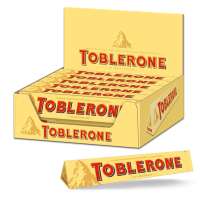
Toblerone 1 Box (100g) (20 PCS)
₱2,400.00
Buy on Lazada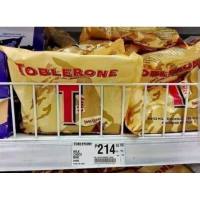
Toblerone tiny classic 200g
₱278.00₱299.00
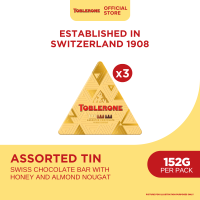
Toblerone Giftbox Assorted Mini Chocolate Bars 152G - Gift for any occasion (Bundle of 3)
₱397.06₱441.18
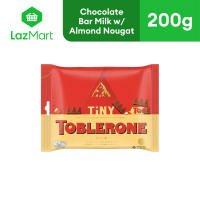
Toblerone Mini Swiss Chocolate Bar Milk with Honey and Almond Nougat 200G - For Gifting
₱255.14₱326.00
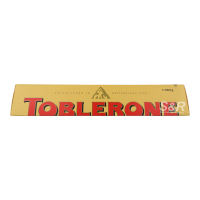
Toblerone Milk Chocolate 360g
₱502.00
Buy on Lazada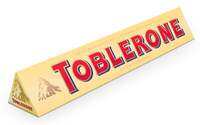
Toblerone Chocolate 100 grams
₱90.00
Buy on LazadaAbout Toblerone
Toblerone is a Swiss premium chocolate brand famous for its distinctive triangular chocolate bars made with milk chocolate, honey, and almond nougat. Since its creation in 1908, Toblerone has become one of the world’s most recognizable chocolate brands, known for its unique shape, mountain-inspired branding, and Swiss heritage. Today, it is owned by Mondelēz International and is sold in more than 100 countries worldwide. [1]
Overview
| Attribute | Details |
|---|---|
| Brand Name | Toblerone |
| Industry | Confectionery |
| Product Type | Chocolate bars and confectionery |
| Founded | 1908 |
| Founder | Theodor Tobler and Emil Baumann |
| Country of Origin | Switzerland |
| Headquarters | Bern, Switzerland (brand origin) |
| Parent Company | Mondelēz International |
| Signature Product | Triangular chocolate bar with honey and almond nougat |
| Markets | Global |
History
Origins (1868–1908)
The story of Toblerone began with Jean Tobler, who opened a confectionery shop in Bern, Switzerland, in 1868. As demand for his chocolate products increased, he established his own chocolate factory, Fabrique de Chocolat Berne, Tobler & Cie, in 1899. [1]
Jean’s son, Theodor Tobler, together with his cousin Emil Baumann, developed a new chocolate recipe combining:
-
Swiss milk chocolate
-
Honey
-
Almond nougat (Italian _torrone_)
In 1908, they patented the famous triangular chocolate bar, creating what would become Toblerone. The name combines:
-
Tobler (the family surname)
-
Torrone (Italian for honey almond nougat) [1]
The Iconic Triangle Shape
Toblerone is best known for its distinctive triangular peaks. Several stories explain the inspiration:
-
The peaks resemble the Swiss Alps.
-
Some historians suggest inspiration from dancers forming a pyramid at a Paris cabaret.
-
The shape also made the product instantly recognizable and easier to distinguish from competing chocolate bars.
Although the exact inspiration remains debated, the mountain association became central to the brand identity.
Logo and Packaging
One of Toblerone’s most famous design elements is the mountain on its packaging. Originally, the Matterhorn, Switzerland’s famous mountain, appeared on the wrapper. A hidden bear is cleverly integrated into the mountain silhouette, representing the city of Bern, often called the “City of Bears.” [2]
In 2023, Toblerone redesigned its packaging after moving production of some smaller bars to Slovakia. Under Swiss “Swissness” regulations, products using Swiss national symbols must meet strict manufacturing requirements. As a result, the Matterhorn image was replaced with a more generic mountain design, while the hidden bear remained. [2]
Ingredients
Classic Toblerone contains:
-
Milk chocolate
-
Honey
-
Almond nougat
-
Sugar
-
Cocoa butter
-
Cocoa mass
-
Milk powder
-
Egg white
-
Almonds
-
Natural flavorings
The combination of crunchy nougat and smooth chocolate distinguishes it from many other chocolate bars.
Product Range
Over the years, Toblerone has introduced numerous varieties. [1]
Milk Chocolate
The original and best-selling variety.
Dark Chocolate
Introduced in 1969, offering a richer cocoa flavor.
White Chocolate
Made with white chocolate while retaining honey and almond nougat.
Fruit & Nut
Includes raisins and almonds.
Tiny Toblerone
Mini individually wrapped triangles.
Toblerone Truffles
Chocolate truffles inspired by the original recipe.
Limited Editions
Seasonal flavors, gift boxes, and travel-exclusive products.
Manufacturing
Toblerone originated in Bern, Switzerland, where production continues for many products. However, some smaller bars are now produced in Slovakia, while larger bars continue to be manufactured in Switzerland. This manufacturing change led to updates in the packaging and branding beginning in 2023. [2]
Marketing
Toblerone has long positioned itself as a premium Swiss chocolate. Key marketing themes include:
-
Swiss craftsmanship
-
Iconic triangular design
-
Mountain imagery
-
Premium gifting
-
Travel retail (especially airport duty-free shops)
Its long triangular packaging has become closely associated with international travel and souvenirs.
Global Presence
Today, Toblerone is sold across:
-
Europe
-
North America
-
South America
-
Asia
-
Australia
-
Middle East
-
Africa
It is available through:
-
Supermarkets
-
Convenience stores
-
Airport duty-free shops
-
Online retailers
Ownership
Over the decades, Toblerone became part of several corporate mergers.
Timeline:
-
1908 – Created by Theodor Tobler
-
Later joined Interfood
-
Became part of Jacobs Suchard
-
Acquired by Kraft Foods
-
Since 2012, owned by Mondelēz International following Kraft’s corporate split. [1]
Cultural Impact
Toblerone has become one of the world’s most recognizable chocolate brands because of:
-
Its unique triangular shape
-
Distinctive yellow packaging
-
Swiss heritage
-
Premium positioning
-
Hidden bear logo
-
Strong presence in airport duty-free stores
The brand has frequently appeared in popular culture, travel shopping, and gift-giving traditions.
Milestones
| Year | Event |
|---|---|
| 1868 | Jean Tobler opens confectionery in Bern |
| 1899 | Tobler chocolate factory established |
| 1908 | Toblerone invented |
| 1920 | Bear added to packaging |
| 1969 | Dark chocolate introduced |
| 1970 | Matterhorn becomes prominent on packaging |
| 2008 | 100th anniversary celebrated |
| 2023 | Packaging redesigned following production changes |
Fun Facts
-
The name Toblerone combines Tobler and the Italian word torrone (nougat).
-
Every chocolate piece is shaped like a mountain peak.
-
A hidden bear is embedded within the mountain logo as a tribute to Bern.
-
Toblerone celebrated its 100th anniversary in 2008.
-
The brand remains one of the most recognizable Swiss chocolate names worldwide. [1]